How a Brewery Turned a Game Into a Business Arrangement
An early baseball team needed more than players: it needed a place to play, equipment, and money to keep the club going. A brewery could help supply that support, while the team offered something the business wanted in return—an event that brought people together and gave them a reason to spend time, and money, nearby.
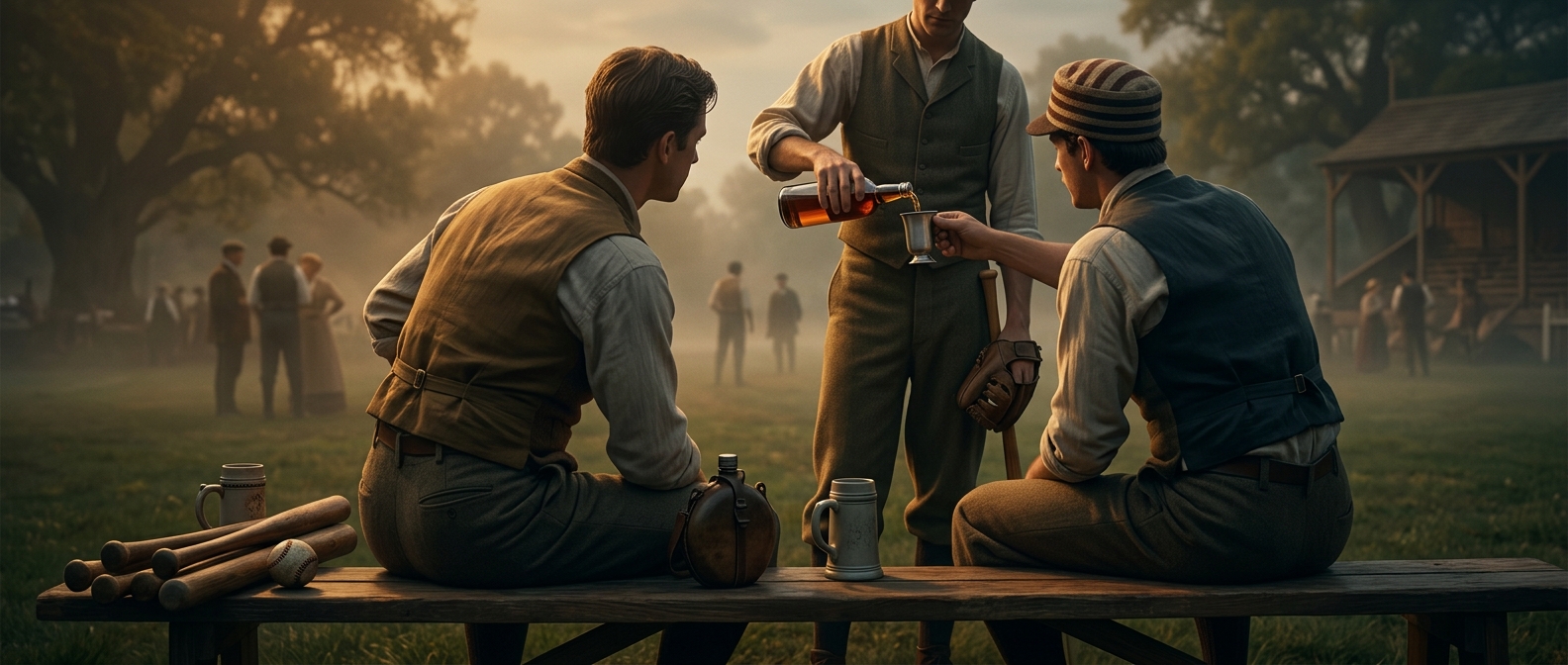
The exchange worked because baseball was not yet just a contest watched from a distance. Attending could be a social outing, with drinking folded into the day. A brewery’s backing helped make the game possible; the game, in turn, gathered potential customers in one place. The value was not only advertising: it was a crowd already in the mood to socialize.
The Crowd Was Part of the Product
This arrangement linked a local sport to a local business without requiring the brewery to change what it sold. Baseball supplied the occasion, and beer helped shape the experience around it. For spectators, the two belonged to the same outing; for the brewery, supporting a team could mean more than putting its name in view—it could help create the gathering itself.
That helps explain why early baseball could serve both as entertainment and as a commercial opportunity. The game drew the crowd, and the crowd made the game worth backing.