History
Discover facts about history. Small discoveries that change the way you see familiar things.
History
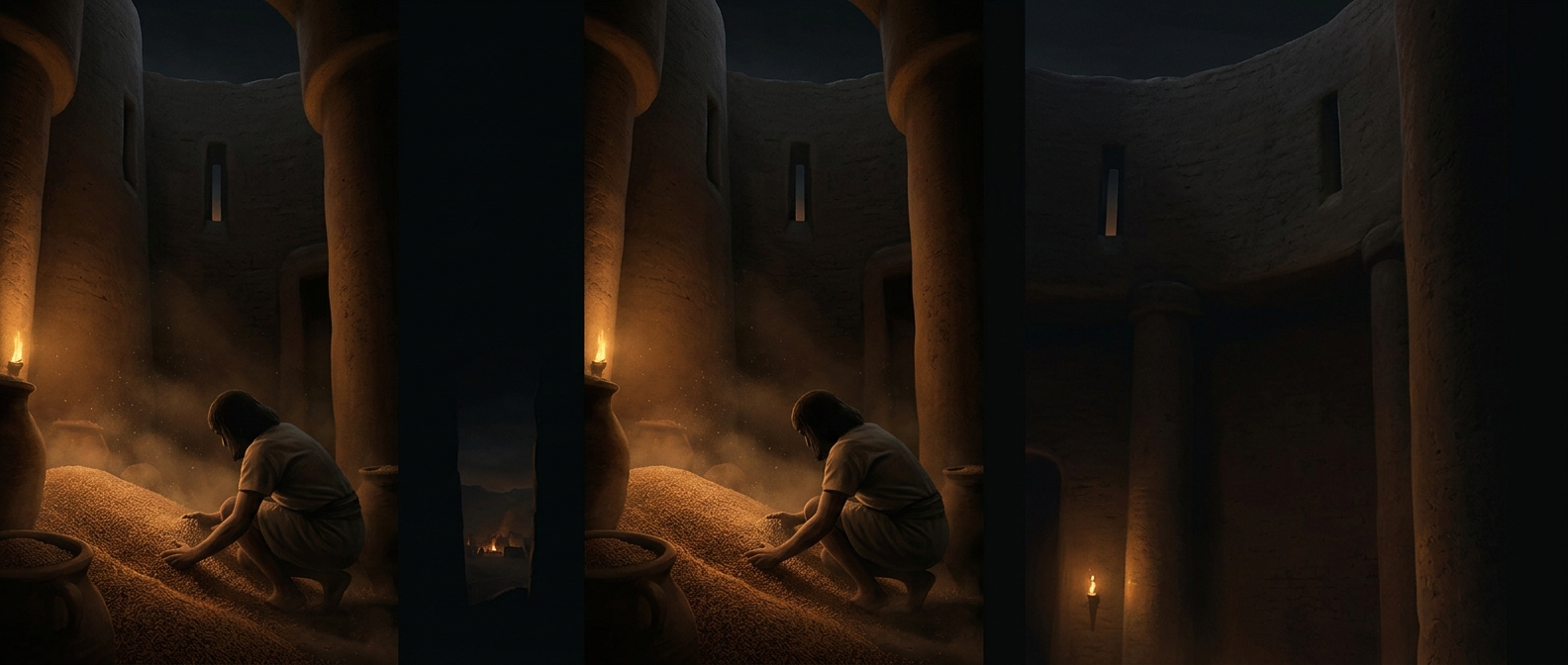
Buhen fortress hoarding grain against Egyptian sieges
Buhen’s defenders needed food to outlast a siege, so the fortress stored grain behind moats, drawbridges, and arrow slits arranged for crossfire. The defenses…
Discover more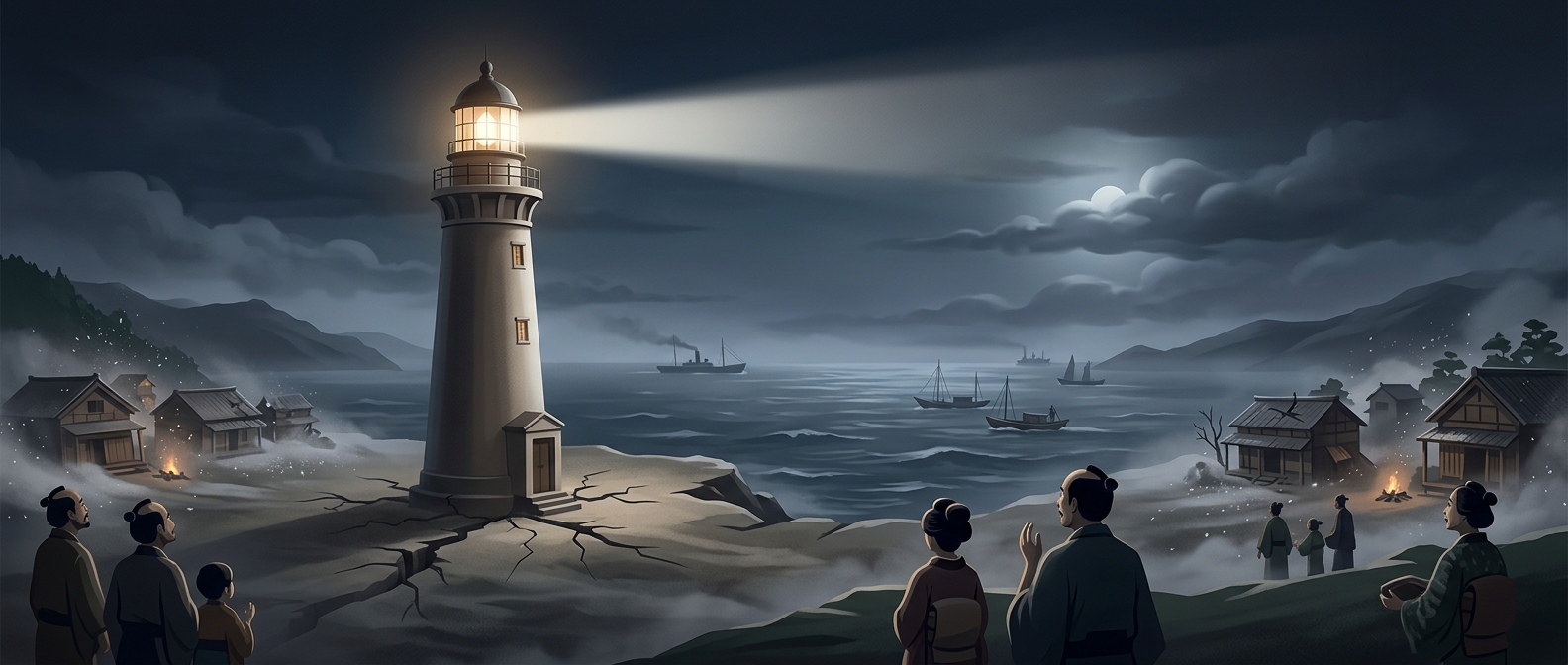
Brunton's earthquake-proof beacons modernizing Japan
Scottish engineer Richard Henry Brunton designed lighthouse foundations to absorb earthquake shocks, because rigid stone towers could crack when the ground…
Discover more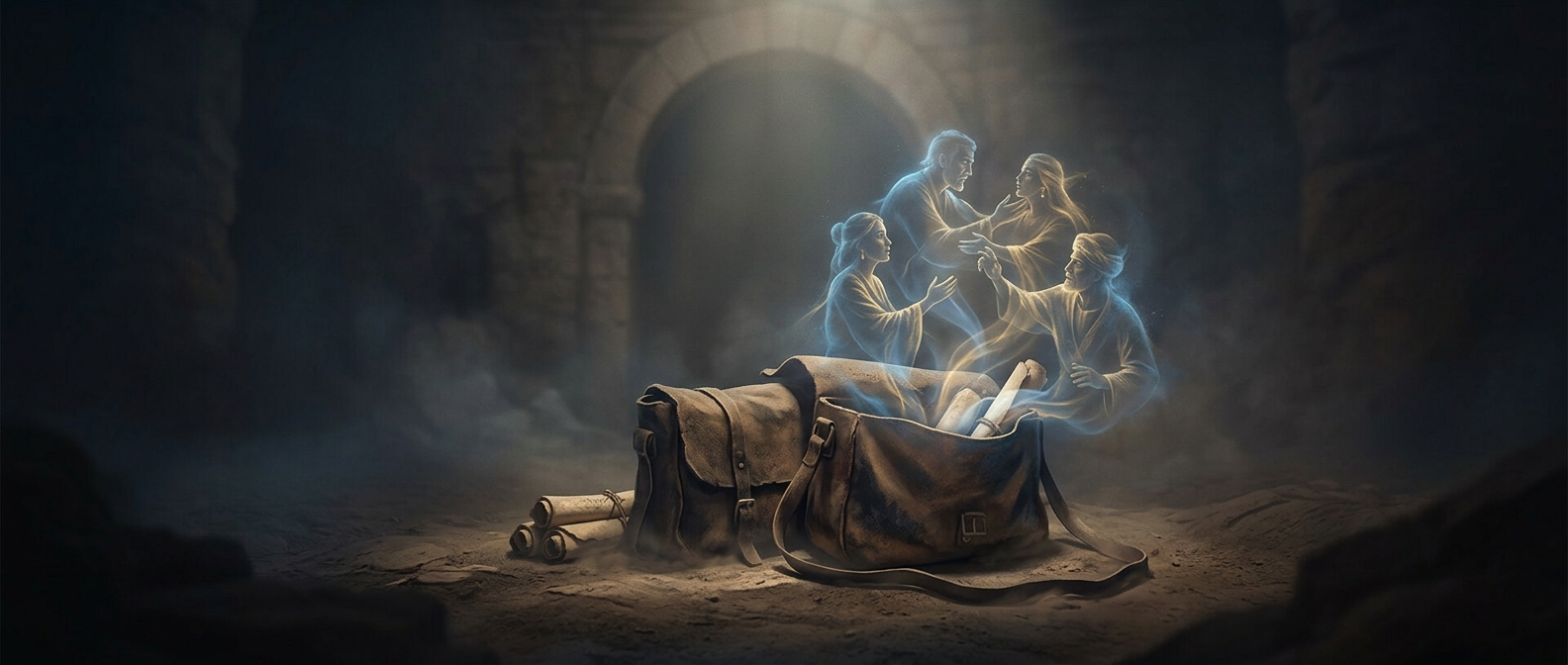
An ancient mailbag reads like a toxic group chat
Miwnay wrote that her merchant husband had abandoned her and their daughter in Dunhuang with debts. Her proposed next marriage—to a pig or a dog—makes the…
Discover more
Why Napoleon adopted a 300-bee emblem
Napoleon wanted his new empire to look ancient, so he borrowed the bee motif from gold bees found in the 5th-century tomb of King Childeric. The bees lent his…
Discover more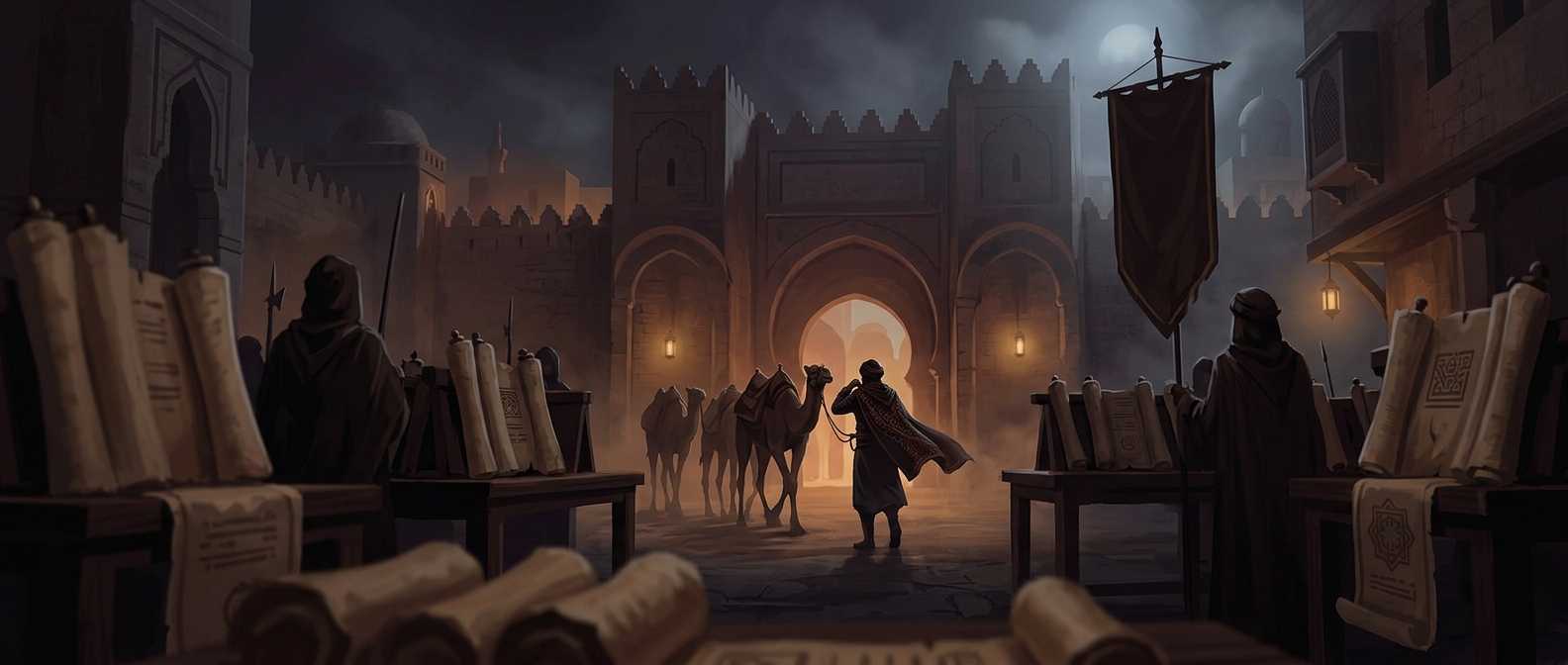
Cairo Geniza texts reveal strict Fatimid passport rules
Carrying spices and flax across the Mediterranean meant carrying paperwork, too: merchants needed specific safe-conduct passes, sealed with wax, under Fatimid…
Discover more
Qing Eight Banners permanently garrisoned Xinjiang frontiers
The Qing replaced temporary deployments with a permanent frontier presence by moving Eight Banner families to Xinjiang. They farmed there and helped keep…
Discover more STACKY FOR IPHONE
A bigger world.
One discovery
at a time.
Keep discovering with Stacky. Interesting facts in an app that is always within reach.
How the shoguns kept daimyo families hostage
Daimyos had to spend alternating years in Edo, while their wives and heirs stayed there. The arrangement kept family members close to the shogun and rebellion…
Discover more
Some ancient burials included deliberately ruined weapons
Bent or broken swords appear in archaeological graves, including Merovingian-period finds. Researchers have proposed ritual explanations, such as transforming…
Discover more
Shah Abbas built luxury desert inns to lure merchants
Merchants needed safe places to rest along long trade routes, so Shah Abbas offered free lodging and strong security at desert inns. The investment made…
Discover more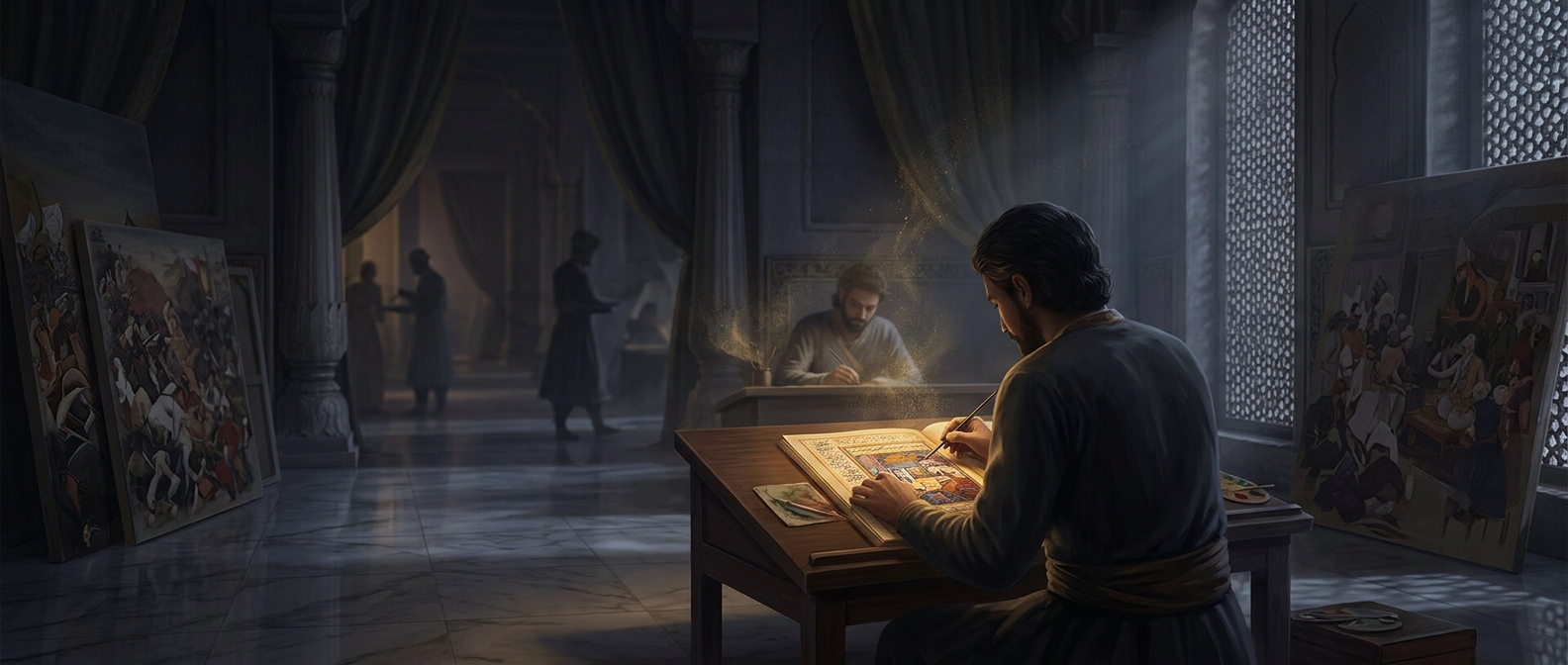
Akbar's master painters fought fierce court rivalries
At Emperor Akbar’s atelier, one artist might sketch a scene and another finish it with paint and detail. The collaboration also made skill visible to the…
Discover more
When newspapers reported séances as news
Publications such as *Light* and *The Medium and Daybreak* sent reporters to séances and printed detailed, straight-faced accounts of floating tables and…
Discover more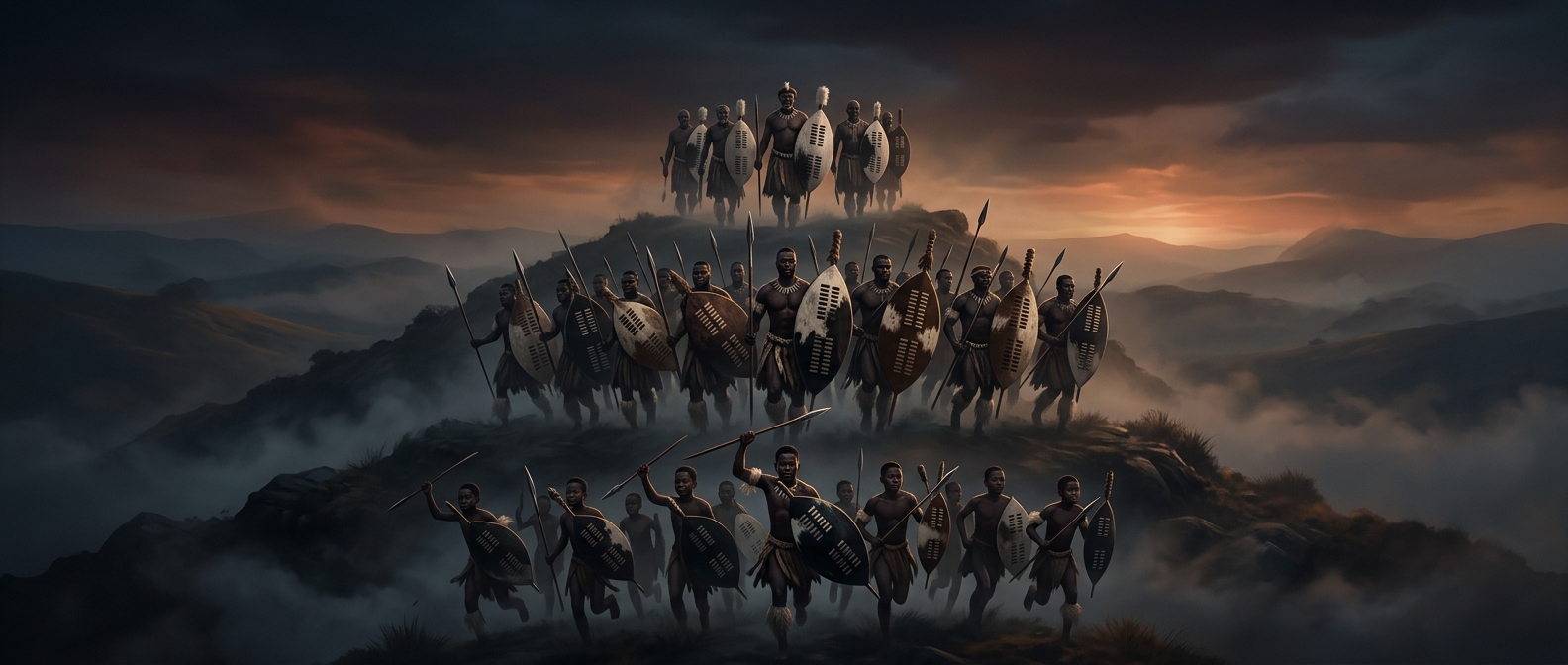
Shaka Zulu organized Amabutho regiments by strict age
Grouping recruits by age made each amabutho a ready-made unit: members trained, lived, and fought together for years. The army gained structure, and the men…
Discover more
Tokugawa shoguns taxed peasants by exact rice yield
The shogunate wanted predictable tax revenue, so officials valued each village’s land by its potential rice yield, or kokudaka. Taxes were based on that…
Discover more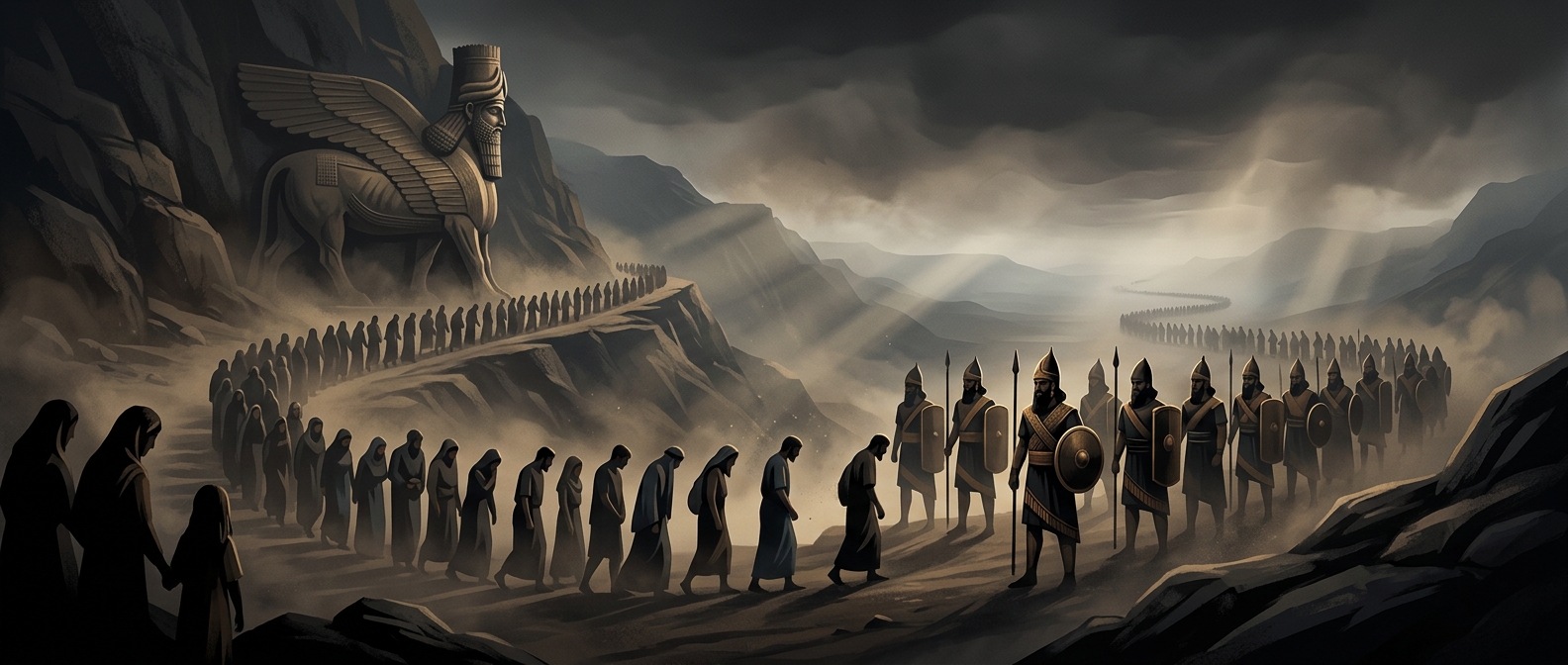
Tiglath-Pileser III crushed revolts via mass deportation
To make revolt harder, Tiglath-Pileser III uprooted conquered populations and scattered skilled craftspeople across unfamiliar lands. The policy disrupted…
Discover more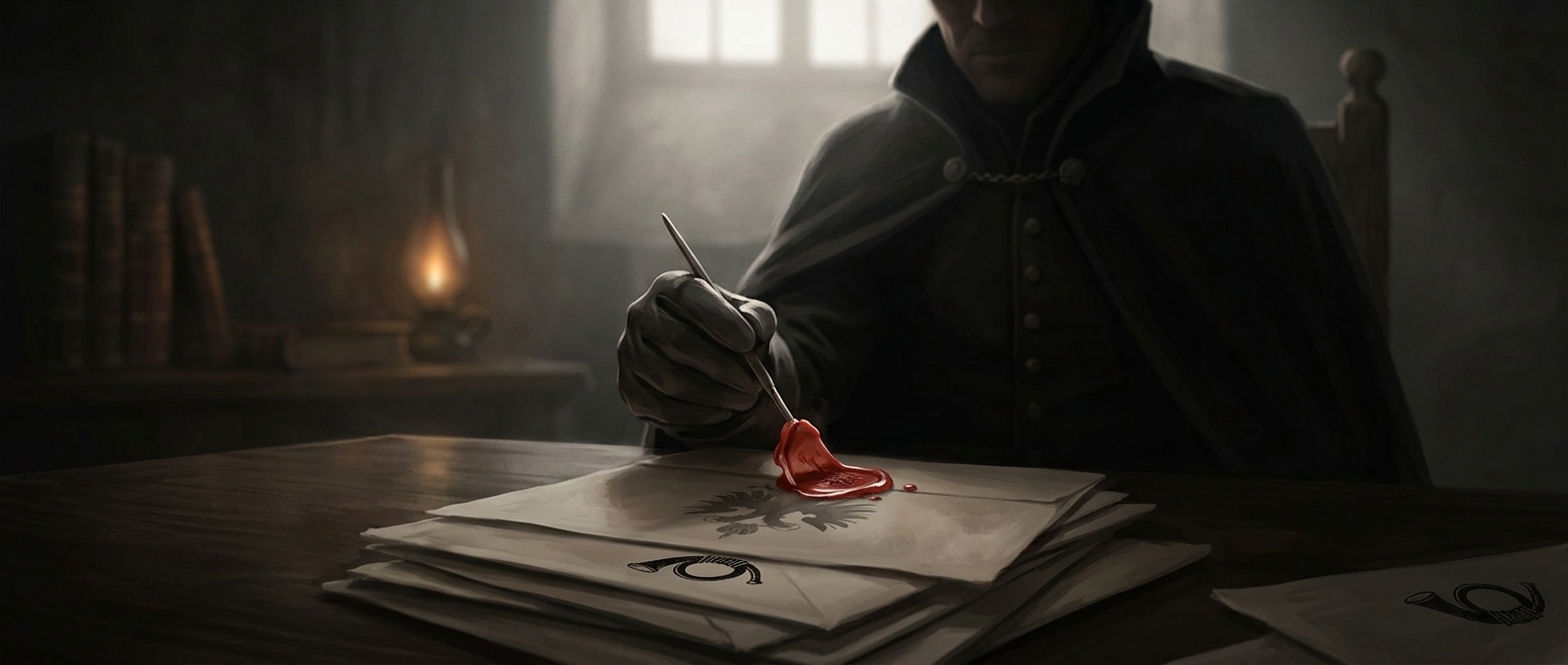
Habsburg spies opened Thurn und Taxis mail with hot wax
The Thurn und Taxis family ran the postal system and secretly supplied intelligence to the Habsburgs. In “Black Chambers,” agents opened rival diplomats'…
Discover more
How stolen saintly bones helped kings claim power
Merovingian kings moved saints’ bones in lavish public ceremonies to strengthen their claim to rule. Possessing the relics made a political message tangible:…
Discover more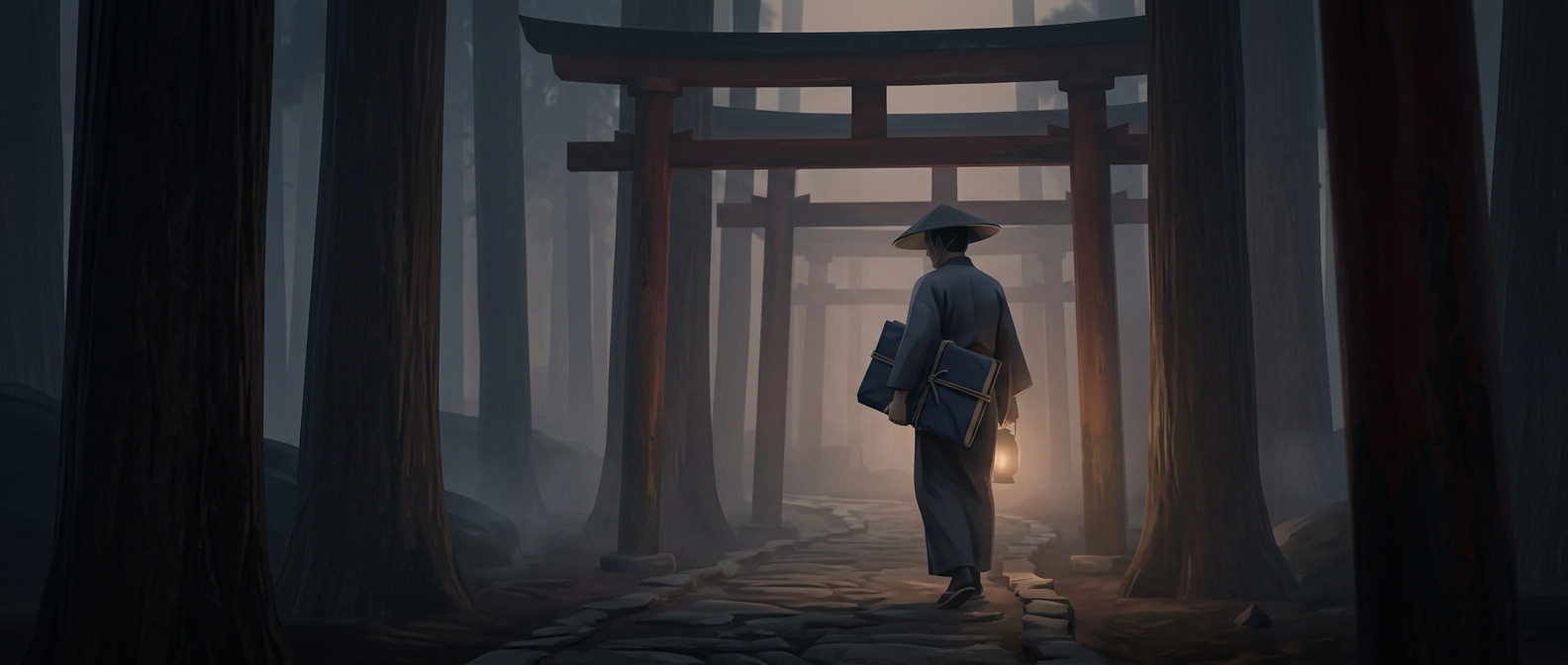
How temple records helped Japan hunt hidden Christians
The shogunate required people to register with Buddhist temples, then used those records to identify Christians practicing in secret. A routine religious…
Discover more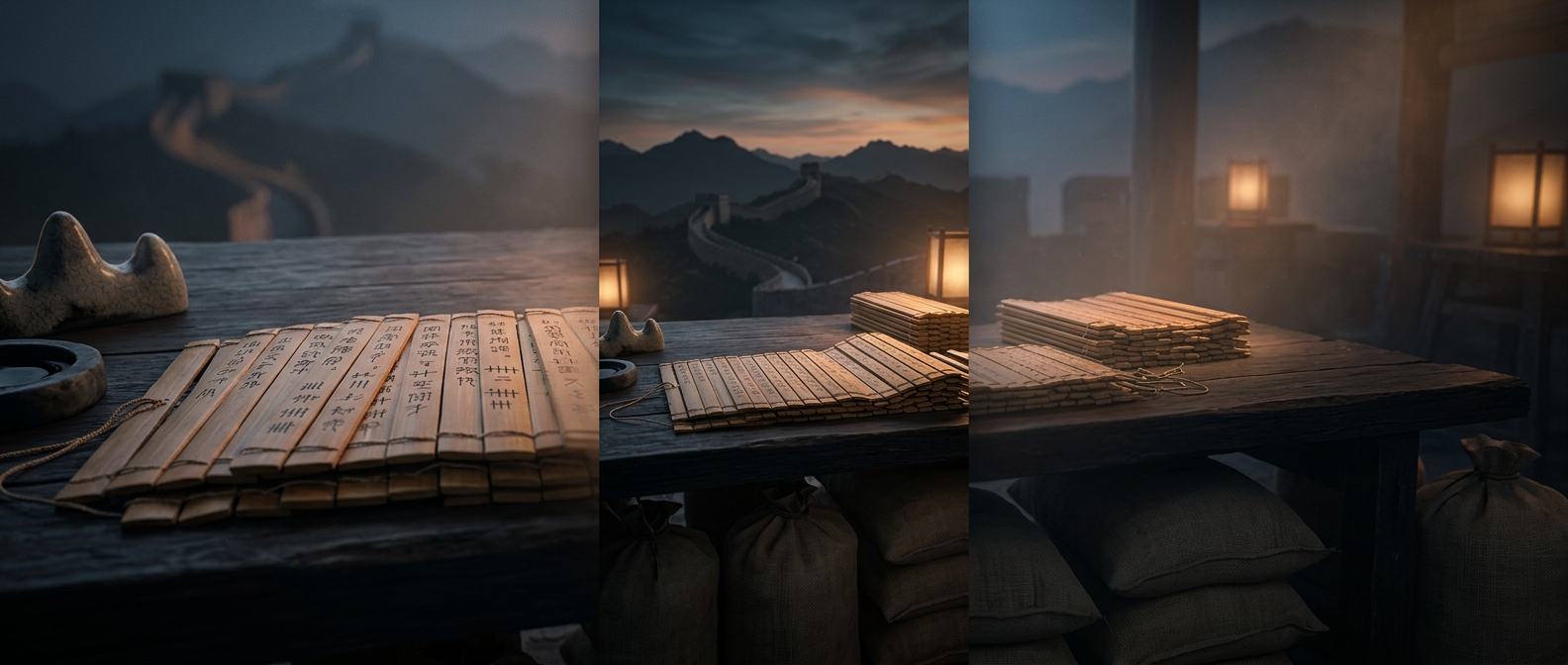
Han soldiers used bamboo slips to track frontier grain
At remote outposts, Han quartermasters logged millet on bamboo slips so isolated garrisons had a running account of their food supply.
Discover more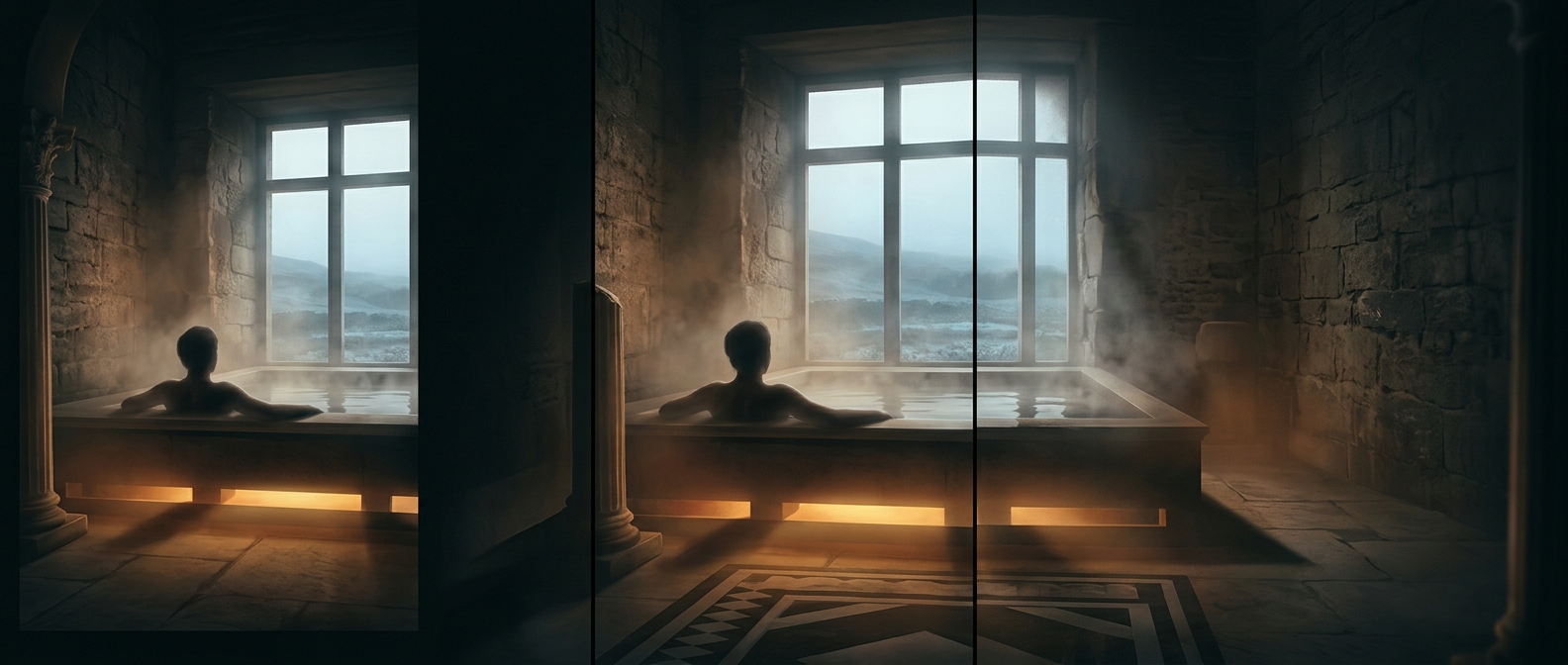
Vindolanda forts featured heated luxury baths
The baths weren’t just for getting clean: soldiers could scrub with oil, gamble, and gossip. Even near Hadrian’s Wall, the bathhouse doubled as a social club.
Discover more
A convent runaway became the Lieutenant Nun
Catalina de Erauso left a Spanish convent before taking final vows, lived under male names, and served as a soldier in the Americas. The extraordinary career…
Discover more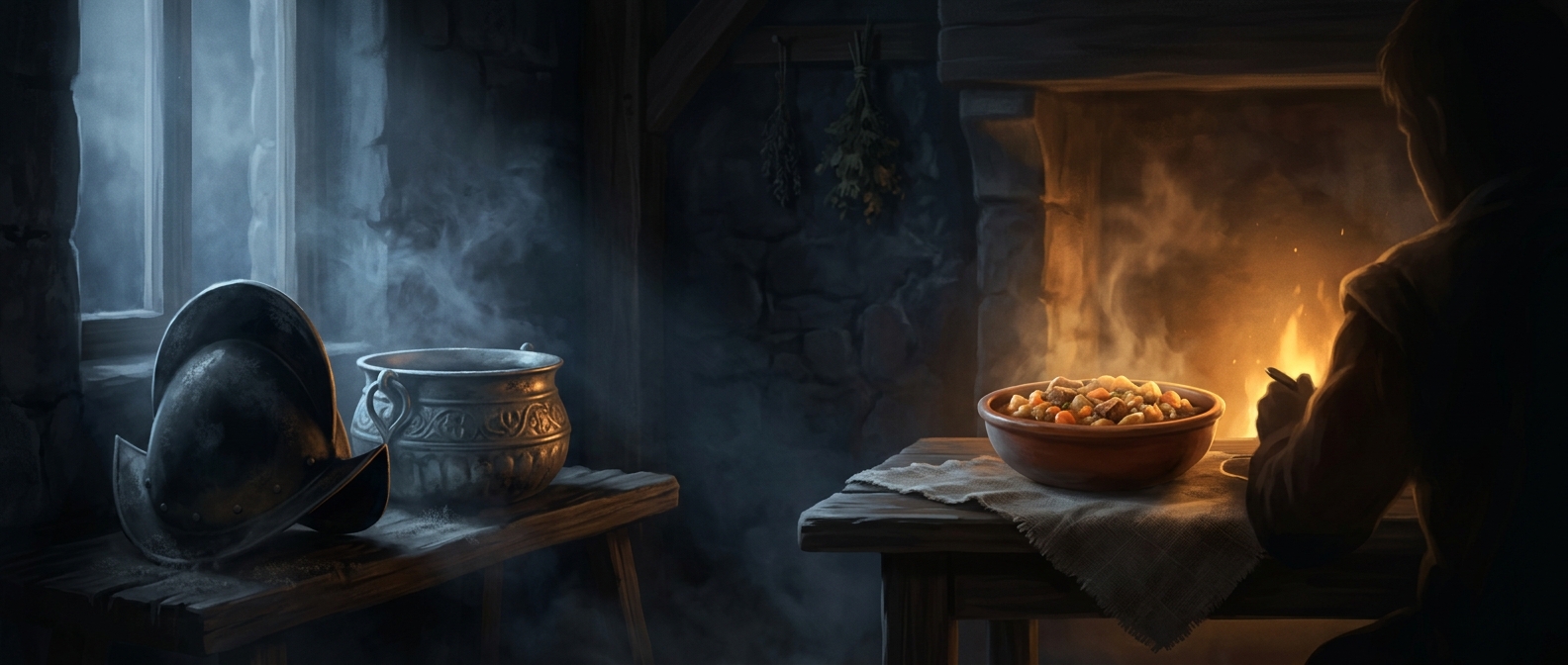
Leiden remembers its liberation with a story about stew
The city's hutspot tradition recalls the Spanish retreat in 1574 and a pot said to have been found in an abandoned position. Eating the dish keeps the siege's…
Discover more
The earthquake that shook the Enlightenment
The 1755 Lisbon earthquake killed tens of thousands, making it hard to accept that everything happened for the best. Voltaire turned that shock into…
Discover more
The Iron Maiden's reputation is newer than its medieval image
The famous spike-lined cabinet became prominent through later stories and displays, rather than a secure medieval record of executions. The Nuremberg example…
Discover more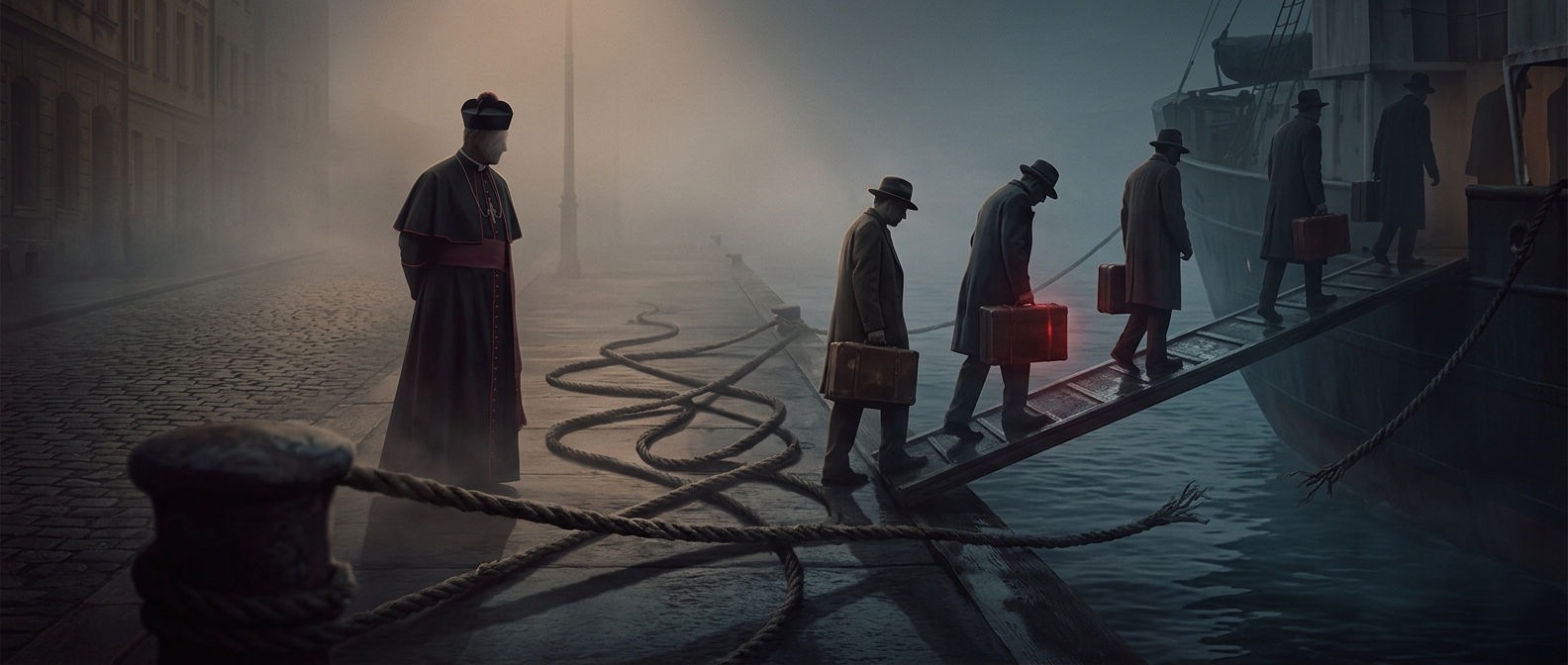
A Catholic bishop helped a Nazi fugitive obtain travel papers
Franz Stangl, a former commandant of Sobibor and Treblinka, received help from Bishop Alois Hudal in Rome. Stangl escaped to Syria in 1948 and later moved to…
Discover more