A torture device built for an audience
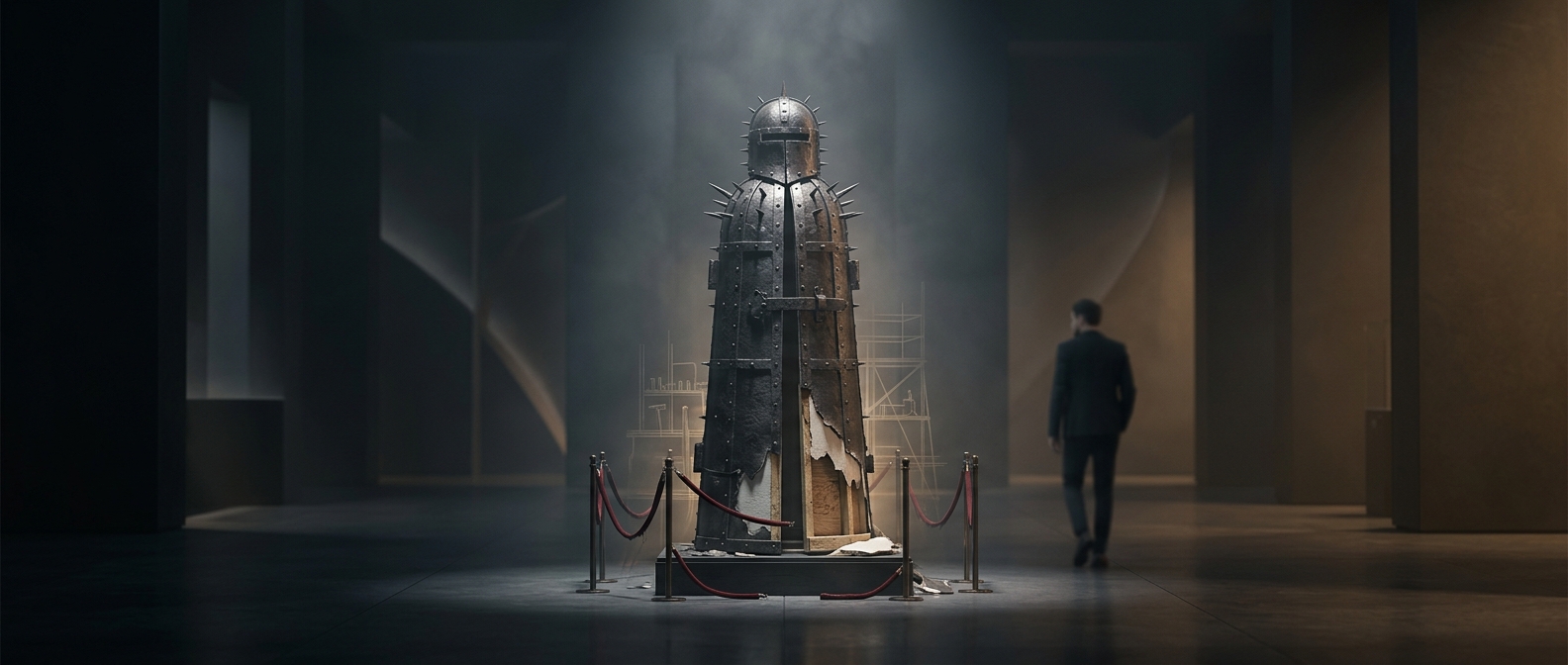
The Nuremberg Iron Virgin was presented as a relic of medieval punishment, but its reputation outran its evidence. The device’s human-shaped cabinet and hinged front suggested a horrifying purpose: shut someone inside and the interior would inflict fatal wounds. Yet the story that it had actually served as an execution instrument was part of the attraction, not a reliably documented account of its use.
That distinction mattered to visitors. In an age fascinated by the supposedly brutal past, a dramatic object could make old stories feel tangible. A claimed medieval execution device offered a spectacle that a written tale could not: people could stand before it and imagine the scene. The grim legend helped turn the object itself into a draw.
Selling the feeling of the Middle Ages
The Iron Virgin belongs to a later era’s image of medieval cruelty, rather than serving as proof that medieval authorities used this particular machine. Its construction and display gave that image a physical form, while the tale attached to it supplied the shock. The hoax worked by making a story look like an artifact.
That is why the device is revealing even apart from its supposed function. It shows how later audiences could package the past as entertainment: the more frightening the legend, the more compelling the exhibit. Visitors were not just looking at an object; they were being invited to mistake theatrical certainty for historical evidence.