Europe’s centuries-long appetite for mummy medicine
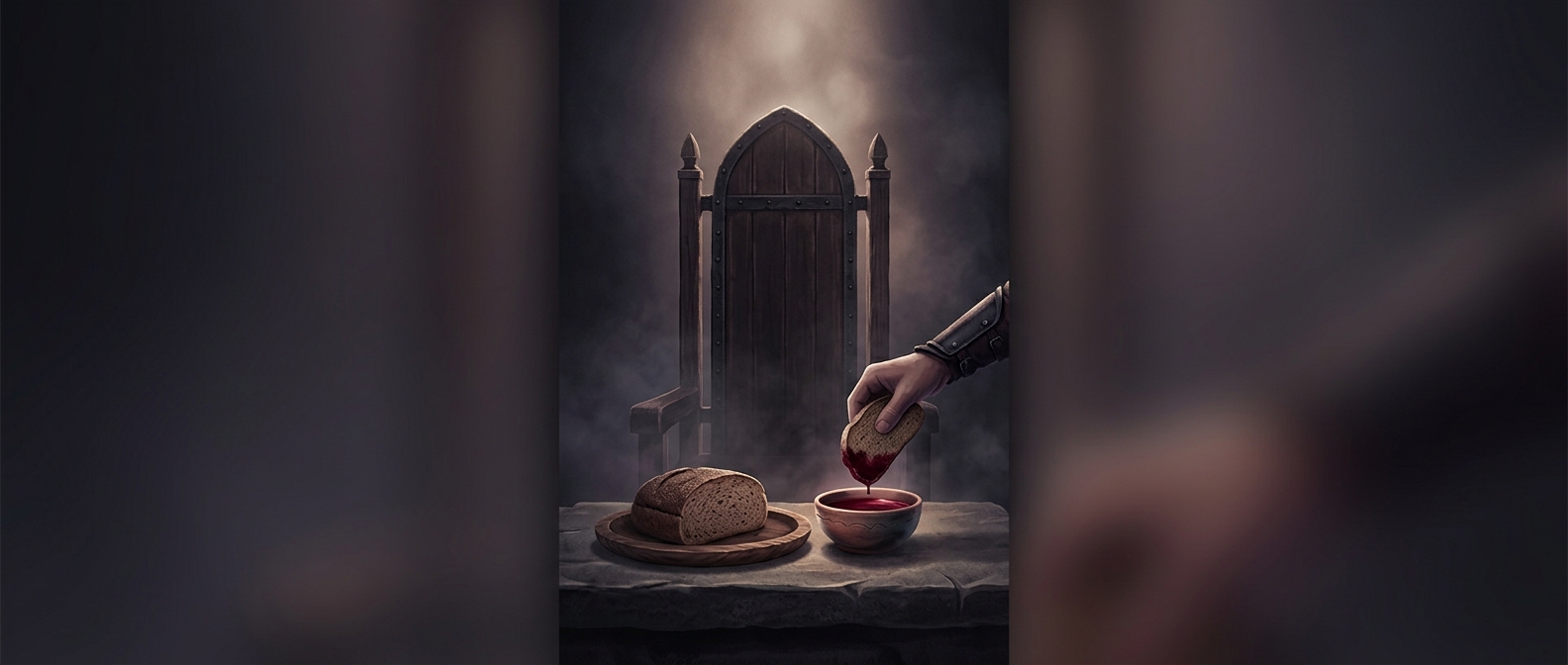
For centuries, Europeans treated mummia—a medicinal substance believed to come from Egyptian mummies—as a remedy. From the medieval period into the 19th century, physicians prescribed it and wealthy patients could seek it out. The disturbing part was literal: at times, the “medicine” was made from the ground-up remains of human beings.
How a corpse became a cure
The practice grew from a confusion over the word mumia. It had been used for bitumen, a dark substance associated with embalmed bodies and valued in older medical traditions. European writers came to connect the supposed healing power of bitumen with Egyptian mummies themselves. Once powdered mummy entered European medicine, the name could refer to the material or to the human remains claimed to supply it.
Mummia was taken internally or applied to the body for a range of complaints. This was not a single treatment backed by a modern test of effectiveness; it belonged to a medical world that relied on inherited authorities and remedies thought to work through their material qualities. Aristocratic interest and physicians’ prescriptions helped keep demand alive.
Demand, fakes, and a fading remedy
As demand grew, sellers had reason to supply the product—and not every substance sold as mummia could have come from ancient Egyptian tombs. Contemporary accounts describe the trade in imitation or substituted material, including bodies prepared more recently. The market blurred medicine, commerce, and the exploitation of the dead.
The practice did not vanish overnight. But as confidence in older medical authorities weakened and medical ideas changed, mummy-based remedies lost their standing. What lasted was a striking reminder of how a mistaken connection—between an embalming material and the body it covered—could turn human remains into a commodity on European pharmacy shelves.