How a rumor became a farming rule
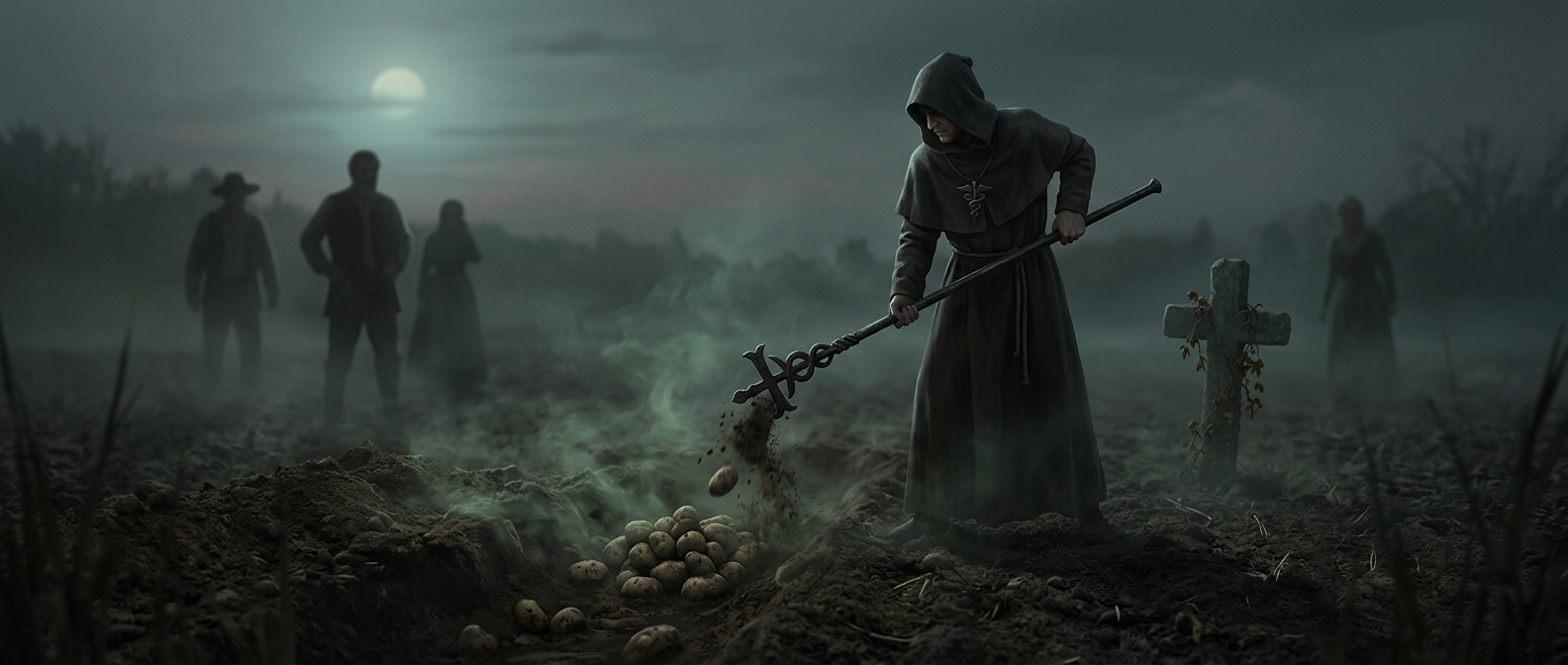
Potatoes arrived in Europe from the Americas, but a useful crop did not automatically become a trusted one. In France, fears that potatoes were poisonous—and could cause leprosy—were treated as grounds to prohibit their cultivation. That turned suspicion into a practical obstacle: people could not simply plant the crop and judge its value for themselves.
The belief had no medical basis. Leprosy is an infectious disease caused by bacteria; eating potatoes does not cause it. But before germ theory explained infection, people often tried to make sense of illness through visible similarities, rumor, and inherited explanations. A claim that linked a strange or unfamiliar food to a frightening disease could sound persuasive even without a demonstrated cause.
The cost of making fear official
A cultivation ban did more than express distrust. It narrowed farmers’ choices and kept a potentially useful source of food from becoming an ordinary field crop. When authorities gave a rumor the force of policy, the rule could also make the underlying fear seem confirmed: if planting potatoes was forbidden, people might conclude that officials knew the crop was dangerous.
The episode shows how food adoption depends on more than taste or agricultural usefulness. A false explanation can shape what people are allowed to grow—and delay a crop’s acceptance long after the claim itself has been disproved.