How Egyptian Mummies Became European Medicine
For centuries, European buyers treated powdered mummy as a remedy, not merely a curiosity. Physicians and apothecaries recommended it for complaints such as bruising and bleeding, drawing on medical traditions that prized substances thought to carry healing power. In an era before modern evidence-based medicine, a remedy’s reputation and its place in inherited medical practice could matter more than proof by controlled testing.
A Word That Helped Create a Market
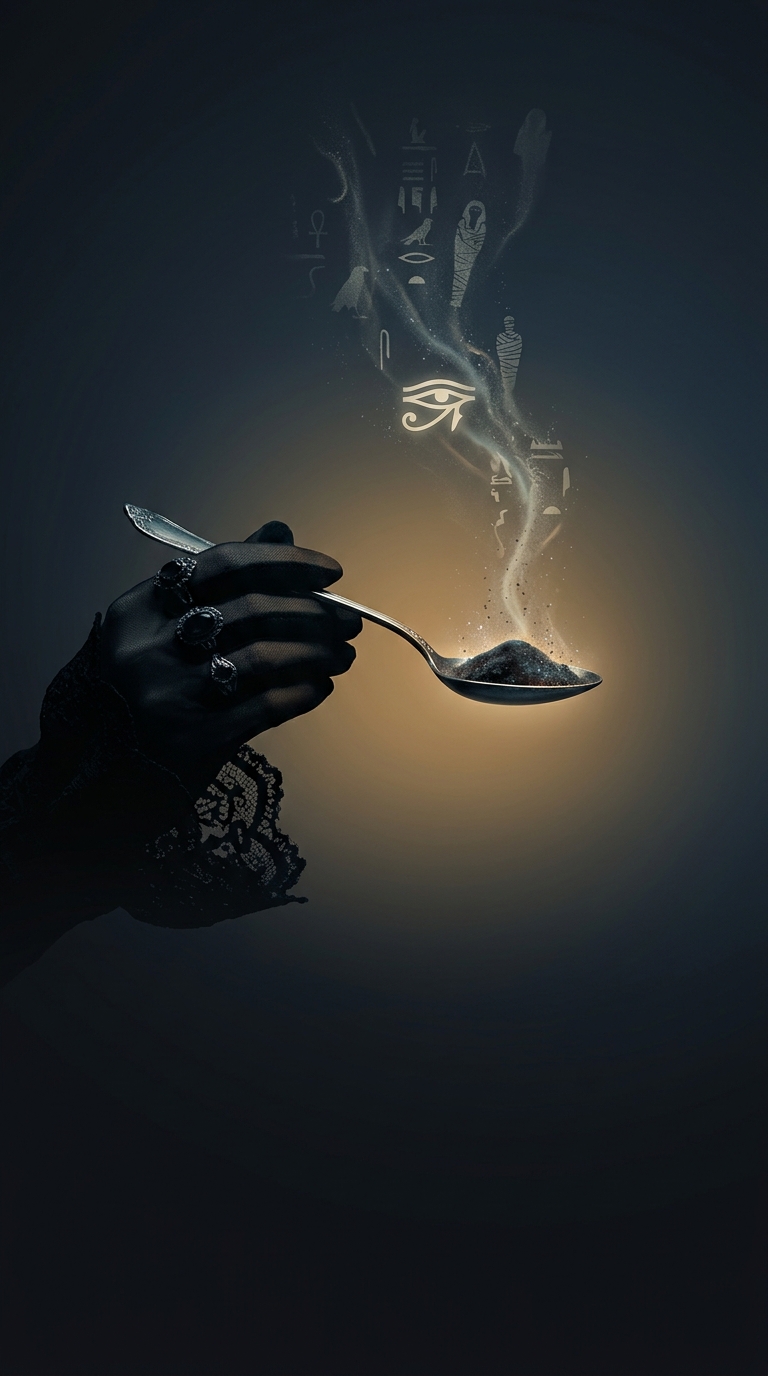
The trade grew partly from a confusion over what “mummia” meant. The word had been used for bituminous material—a dark substance found in the region and associated with medicinal use. European demand for it became attached to Egyptian mummies, whose darkened bodies were thought to contain the valuable substance. Sellers supplied powdered remains as “mummia,” and the material entered European pharmacies.
That made the practice a chain of mistaken assumptions: a medicinal name was linked to a substance, then applied to preserved bodies, and the bodies were consumed as medicine. The people buying it were often wealthy enough to obtain costly remedies, while traders had an incentive to meet that demand by turning human remains into a commodity.
When Demand Outlasted the Supply
As the remedy caught on, the supply of ancient Egyptian remains could not simply expand to match it. The trade encouraged the sale and grinding of mummies, and sellers sometimes passed off other bodies as Egyptian ones. The episode shows how medical belief and commerce could reinforce each other: once a substance was accepted as a treatment, demand could persist even when the identity or quality of what was being sold became doubtful.
The unsettling detail is that preservation meant to protect the dead from decay helped make their bodies, centuries later, seem like ingredients in a European medicine cabinet.