The Unsettling Companion Was Often a Dead Relative
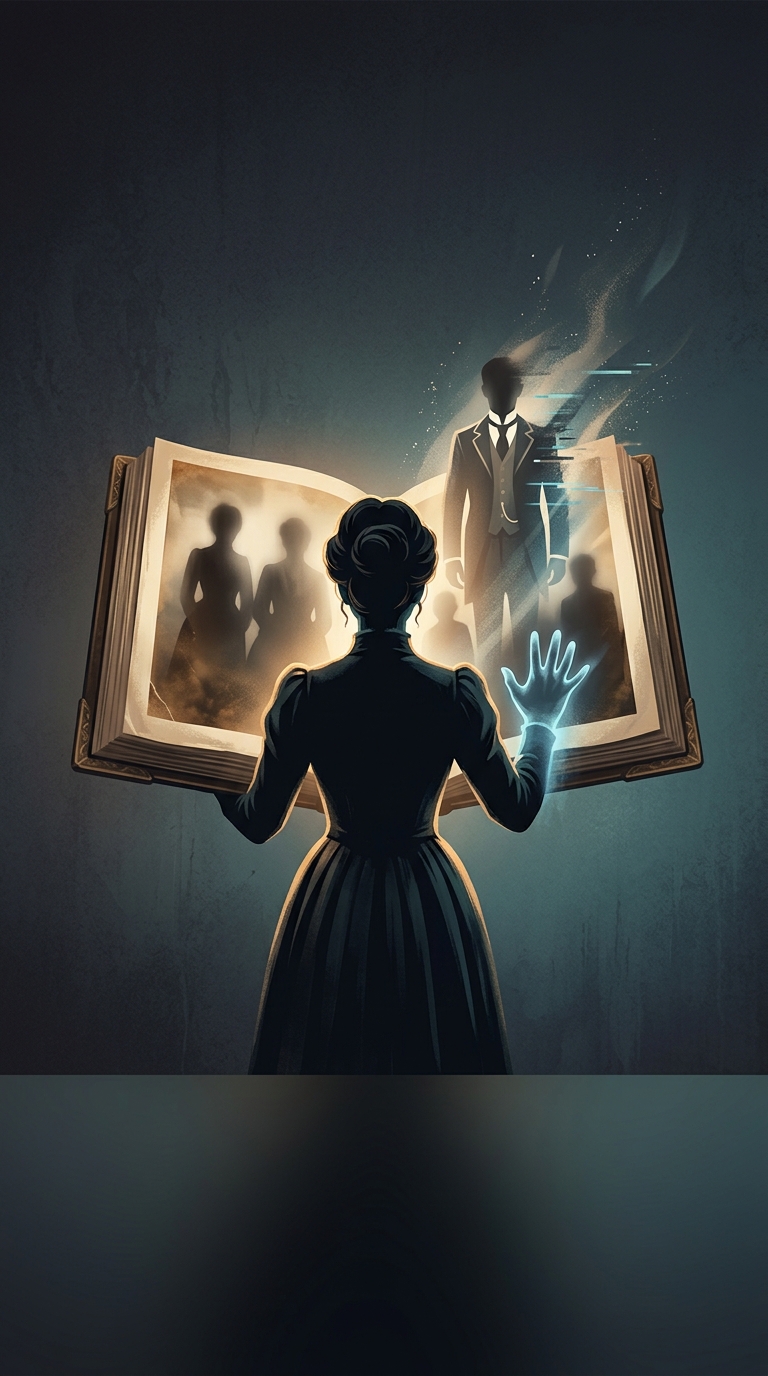
In Victorian-era photographs, a person posed beside a deceased family member—often a child or infant. These images, now called post-mortem photographs, served as keepsakes at a time when a photograph could be a family’s only portrait of someone who had died.
Why Families Made Them
Photography was costly and not yet an everyday activity for most households. A family might wait until a death to arrange a portrait, particularly if the person had never been photographed while alive. That made a final image more than a record of death: it could preserve the person’s place in the family’s shared memory.
The portrait might show the deceased alone, surrounded by relatives, or lying in a bed or coffin. Living family members’ expressions and posture could make the scene look like an ordinary portrait at first glance. The goal, however, was not necessarily to disguise death; it was to create a dignified image of someone the family had lost.
What the Photograph Can—and Cannot—Tell Us
A posed photograph can feel especially eerie to modern viewers because we usually encounter pictures as snapshots of everyday life. Victorian portraits were deliberately arranged, and a still, composed pose was normal whether the sitter was alive or dead. The image’s form alone does not tell us exactly what the family felt or how they used it.
These photographs are a striking reminder that family albums once had a different role: they could hold the only likeness a household had of a loved one, even when that likeness was made after death.