Why Some Victorian Families Photographed the Dead
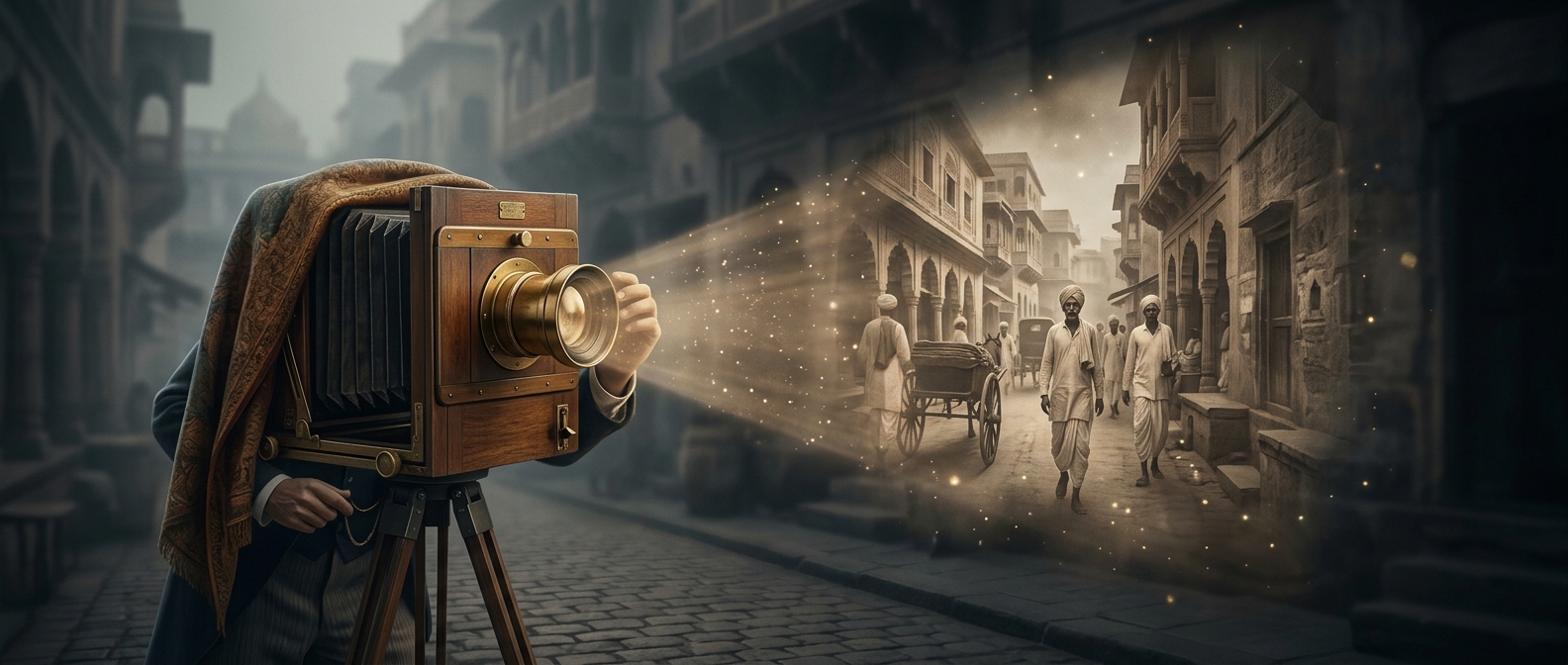
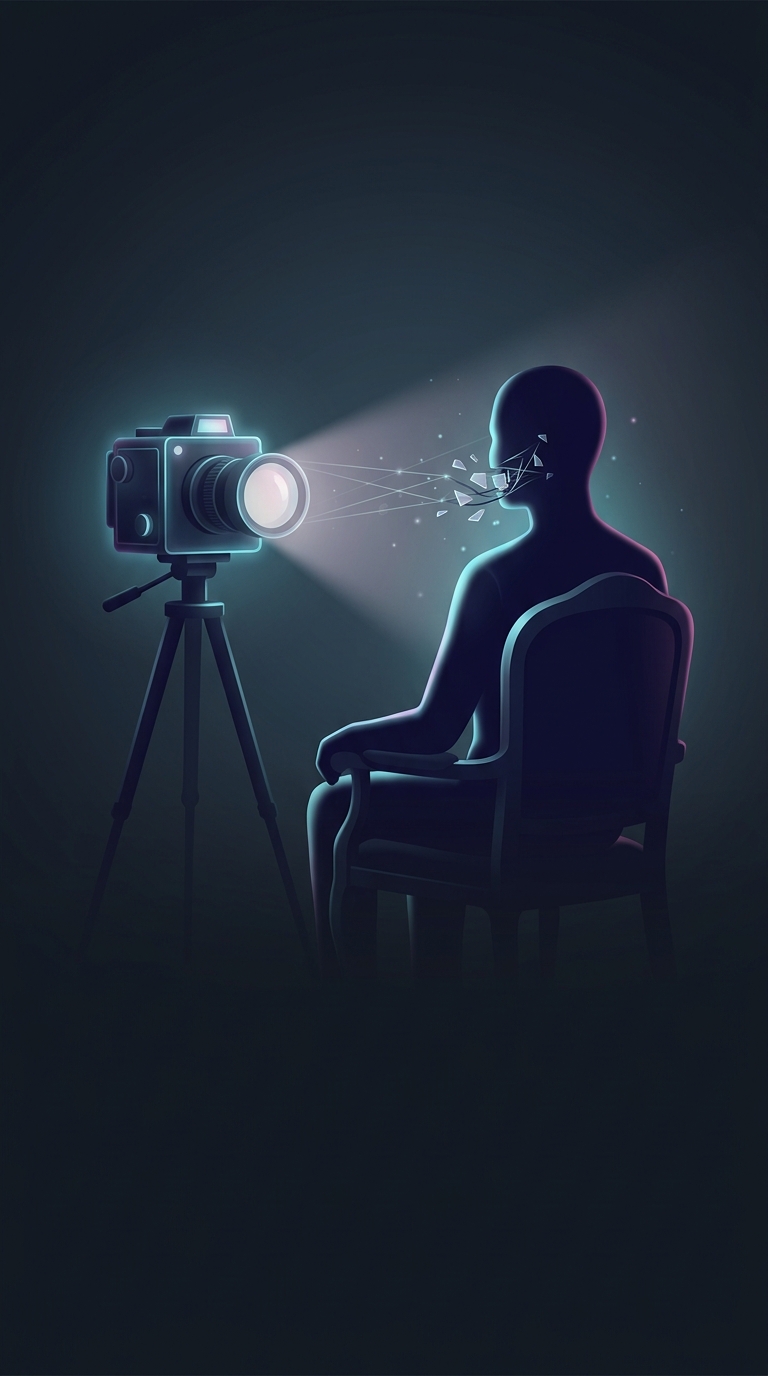
For many families, a photograph was a major expense, not a casual record of everyday life. Early photographic processes required specialized equipment and skilled labor, and making a portrait could cost enough that families had few pictures of relatives taken while they were alive. When someone died before being photographed, a post-mortem portrait might become the family’s only image of that person.
A Last Chance for a Family Portrait
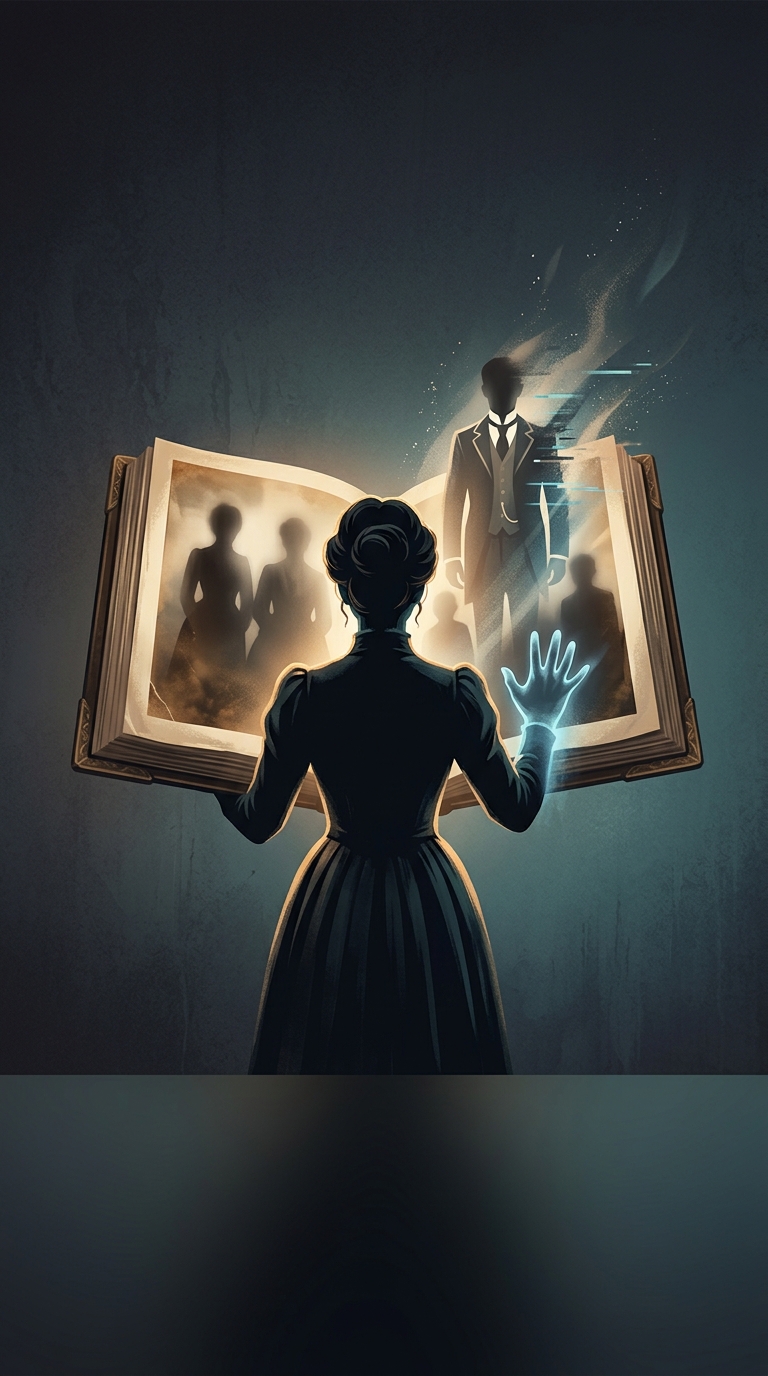
Photographers sometimes arranged the deceased in clothing or surroundings that made the image resemble an ordinary portrait. A child might be shown lying in a bed or held by a parent; adults were often pictured resting. These were not necessarily attempts to make death look cheerful. They gave relatives a likeness to keep at a time when portrait photography was still beyond many people’s reach.
The practice could look unsettling to later viewers, especially because the images were sometimes composed to suggest that the person was asleep. But in a household with no earlier photograph, the portrait served a practical and intimate purpose: it preserved a face that otherwise might have existed only in memory. The striking part is that some families’ first—and sometimes only—photograph of a loved one was made after that person had died.