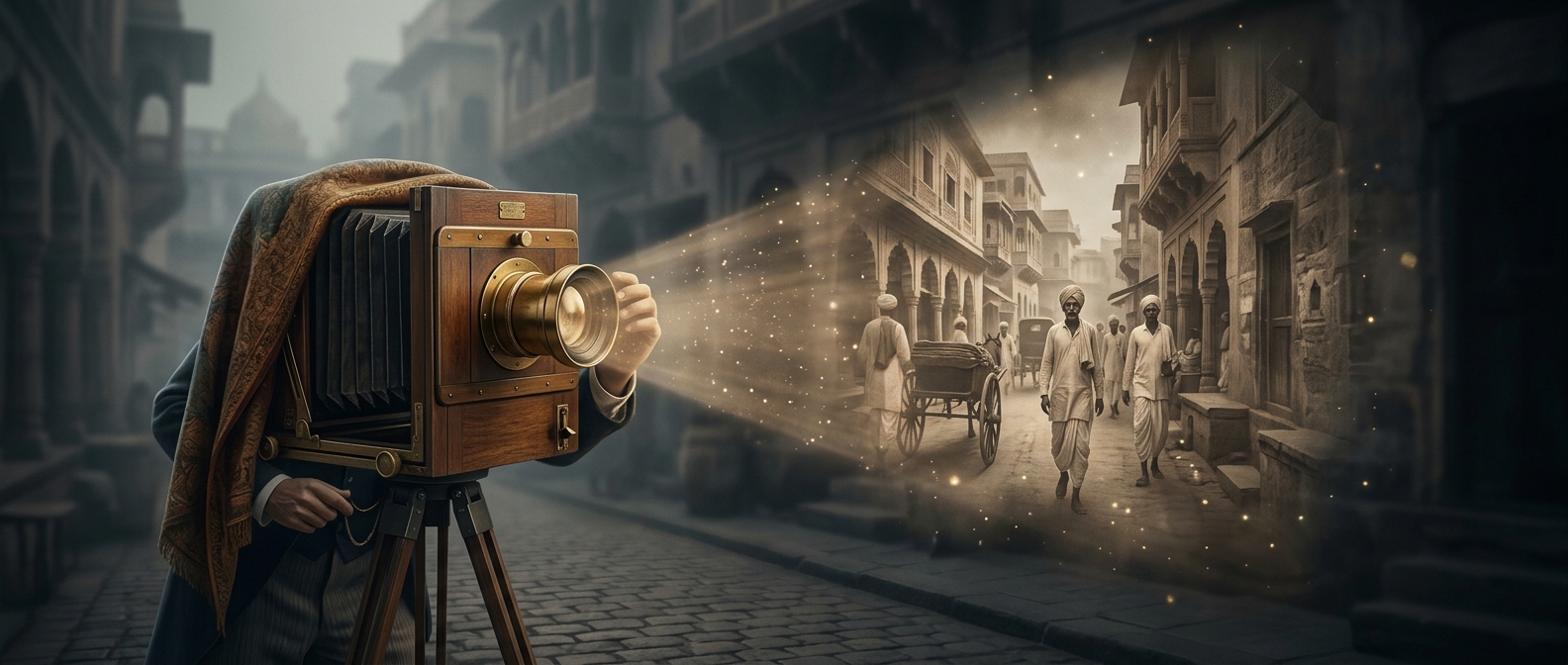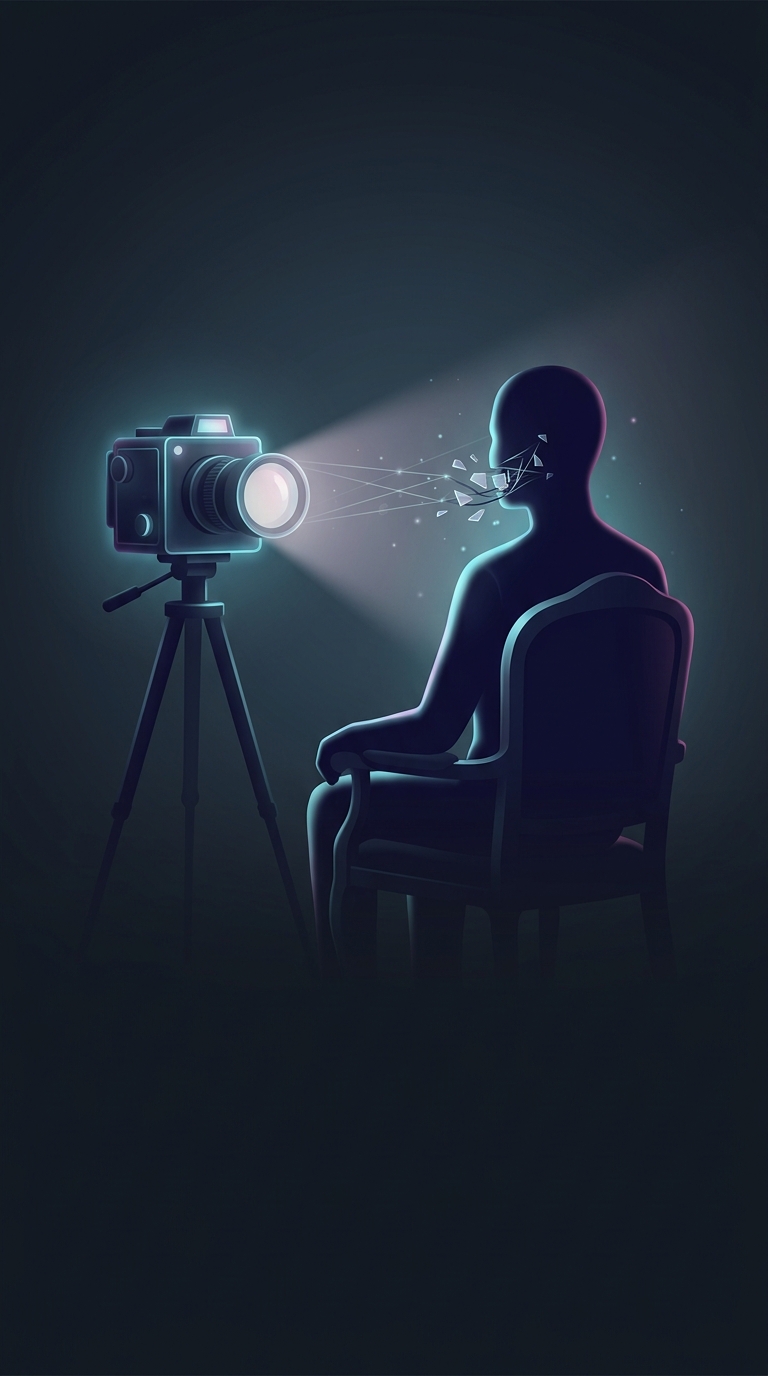
The “ee” in “cheese” does the work
The word was useful because of what it makes a face do. To pronounce the long “ee” sound, you draw the corners of your mouth outward and show some teeth—the shape a photographer wants for a smile. “Cheese” also ends on that sound, so the expression lasts long enough for a camera to catch it.
It wasn’t a secret property of cheese, or a rule of photography. Other prompts could produce different expressions: “prunes,” for example, encouraged a pursed mouth. “Cheese” won out as a simple way to cue a friendly-looking face.
A handy cue becomes a convention
The phrase was being promoted in the United States by the 1940s. A widely repeated early account credits Joseph E. Davies, a former U.S. ambassador, with recommending it as a way to make people smile for photographs. That account helps explain how the expression spread, but it does not establish one certain inventor; the technique is simple enough to have caught on through ordinary use.
Once photographers began giving the same short instruction, people learned what face to make when they heard it. The word became part of the ritual: camera ready, everyone says “cheese,” and the long vowel briefly turns a group of people into a row of smiles.