Why a Paris street looked strangely empty
The man was having his shoes shined on the Boulevard du Temple in Paris, in an image made by Louis Daguerre around 1838. The street was busy, but the photograph seems almost deserted: passing carriages and pedestrians did not stay in one place long enough to register clearly.
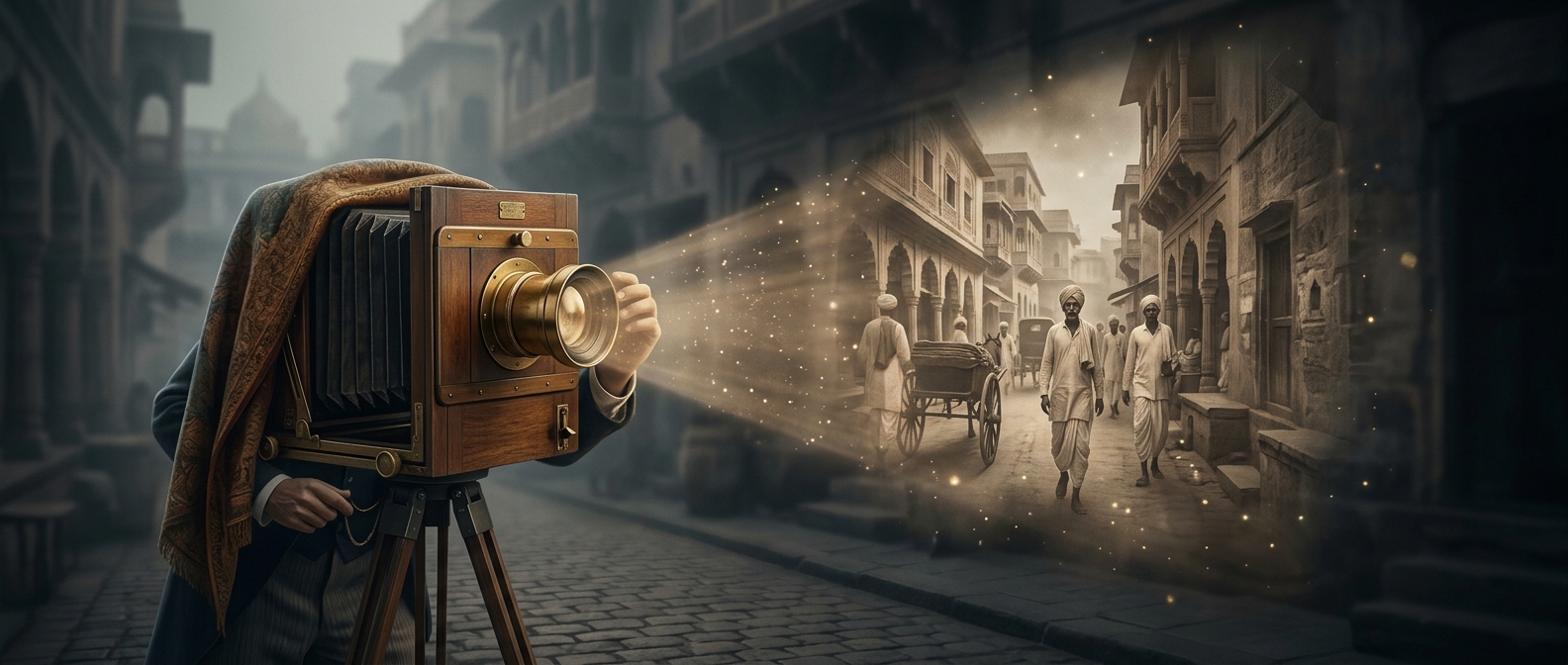
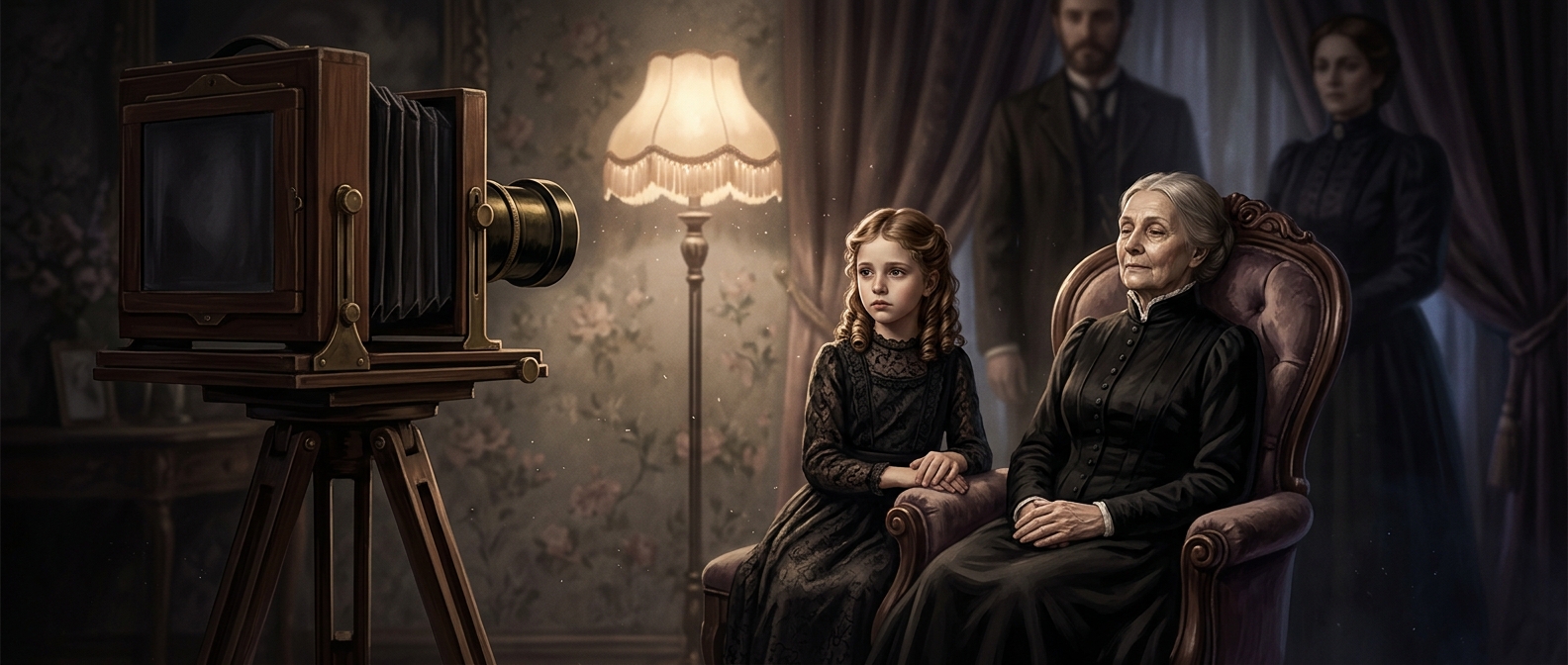
That contrast is the key to the scene. Daguerre’s early photographic process needed a long exposure—the camera had to collect light for an extended time. Anyone who kept still could leave a visible image; people and vehicles that moved through the frame were blurred or vanished from the final result.
A routine pause made photographic history
The shoe-shining customer and the person working on his shoes remained in roughly the same spot. Their ordinary pause lasted long enough for the camera to record them, making them among the earliest people known to appear in a photograph.
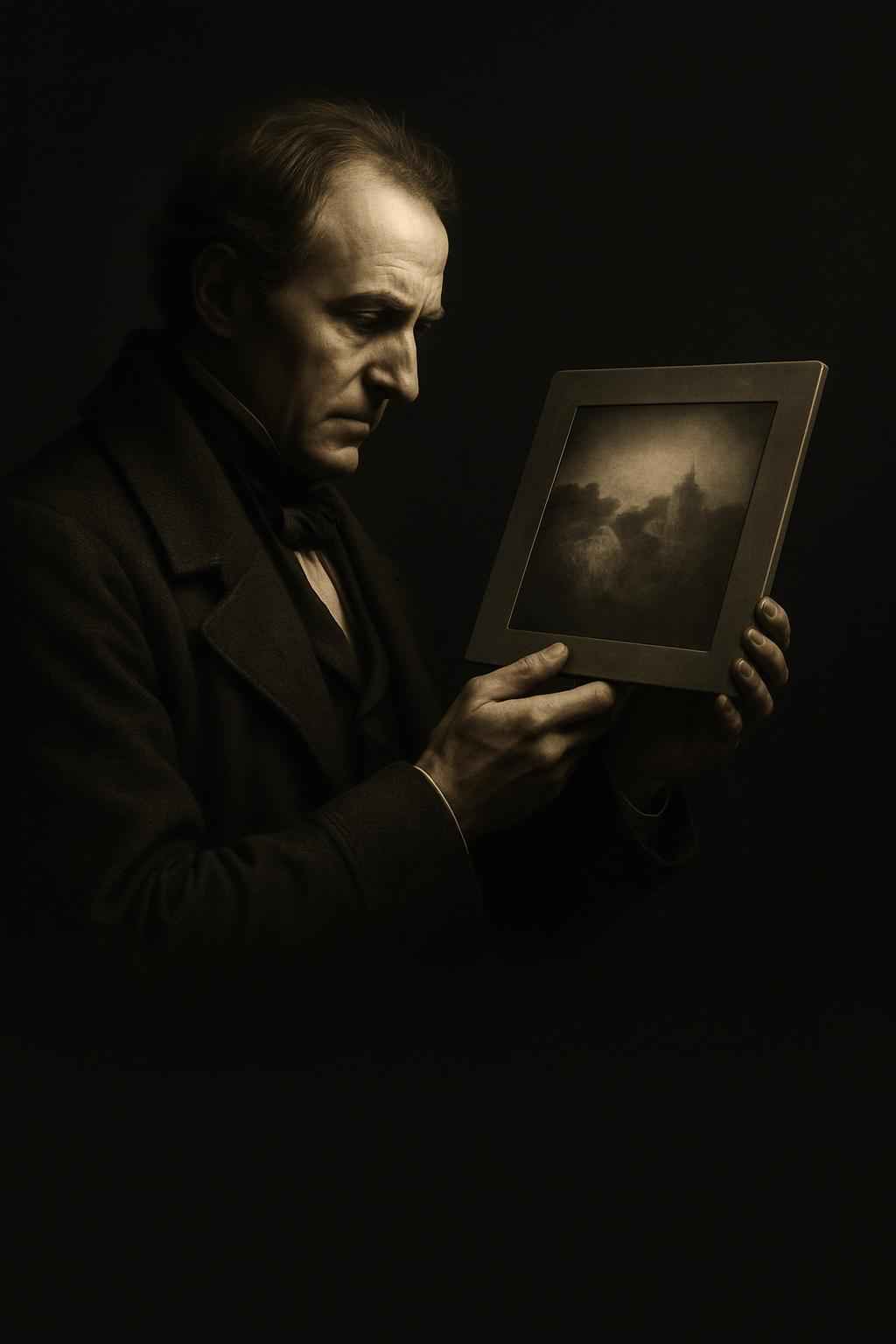
The image is a record not just of two people, but of what early photography could and could not preserve. It could capture a human presence, provided that person held still while the city moved around him.