A portrait made after the chance was gone
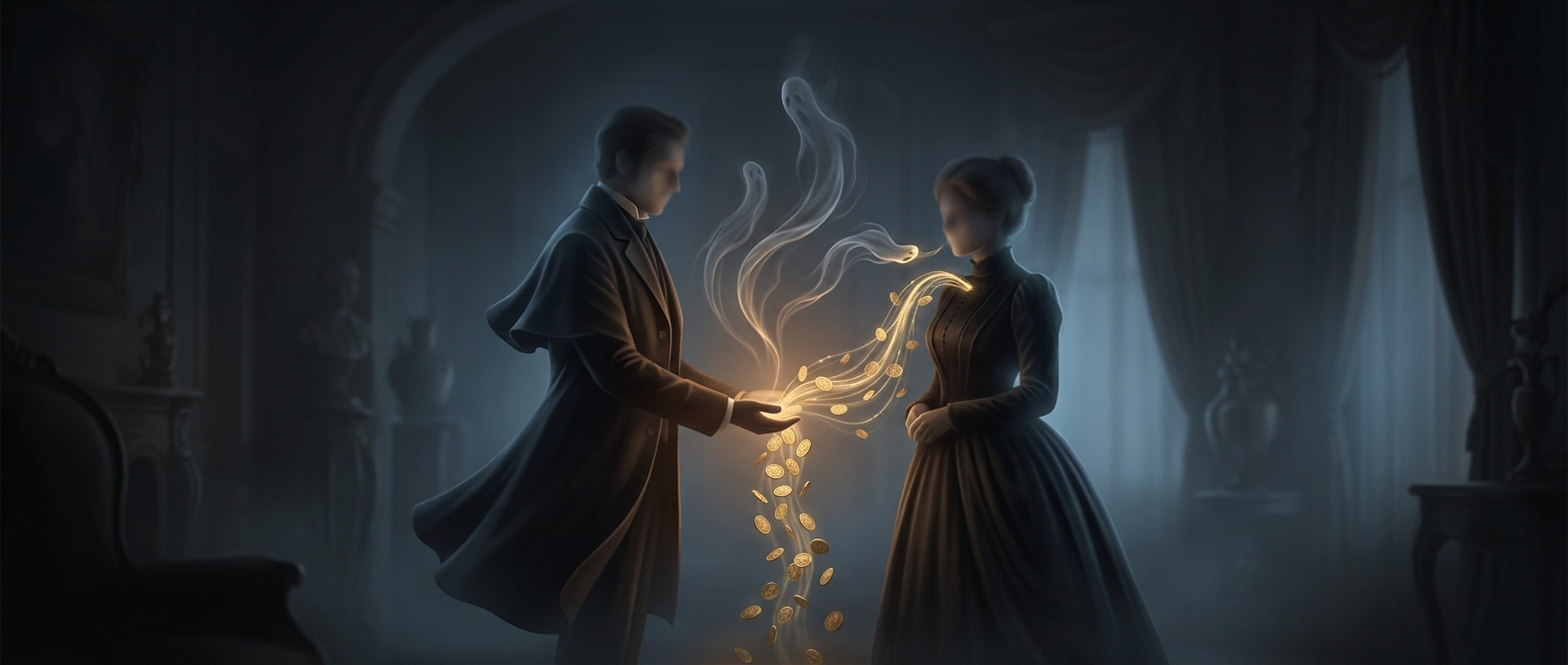
In the early decades of photography, a portrait was a costly, deliberate purchase, not an everyday record. Families often waited for a special occasion—or never commissioned one at all. When someone died, a photograph could become the only image of that person the family would keep. The camera offered something older mourning customs could not: a durable likeness of a specific face.
Making a still subject look present
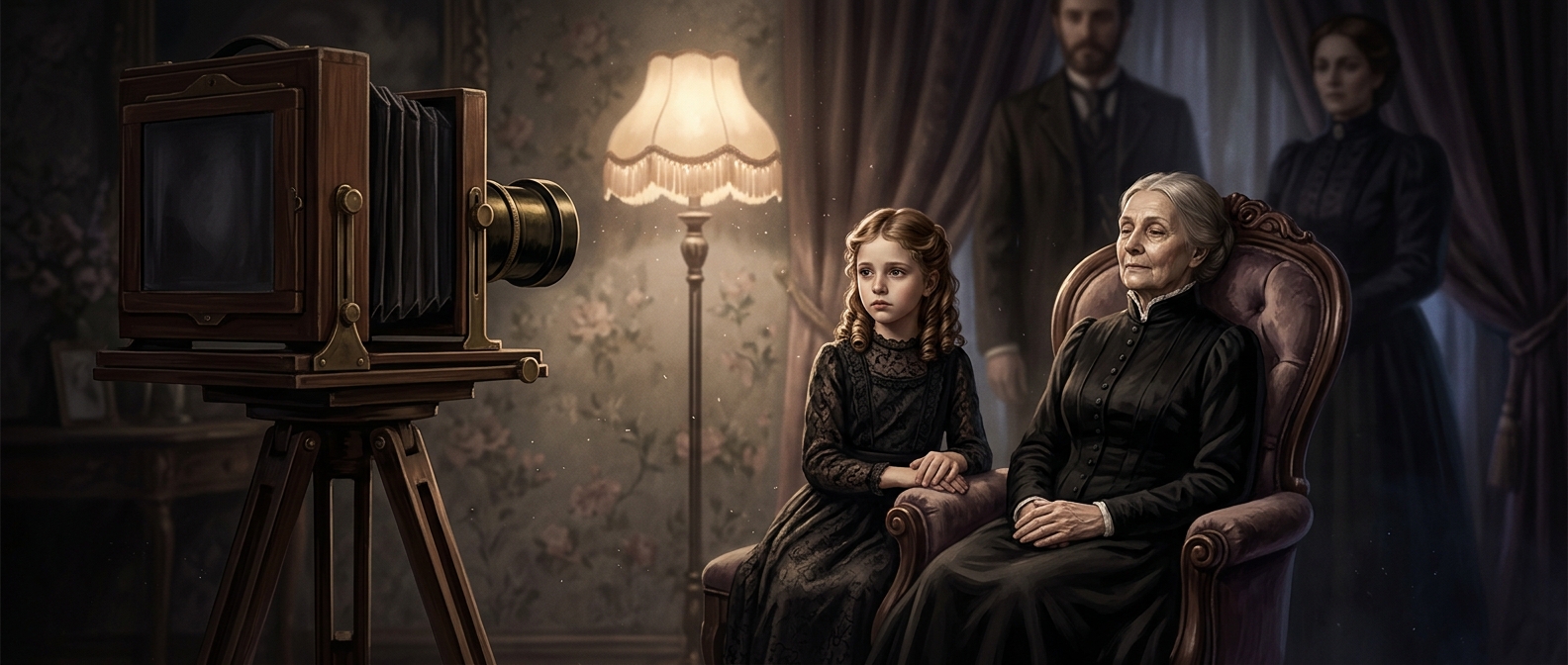
Early photographic processes required a person to remain steady during an exposure. A living sitter might shift or blink; a body would not. The challenge was instead presentation. A photographer and family could arrange the deceased in a chair or bed, using concealed props to hold a posture or support the head. Some images presented the person as if asleep, while others made the death more explicit.
In certain portraits, artists painted eyes onto closed eyelids or altered the image afterward. This was not simply an attempt at realism. It could make the likeness feel more familiar to relatives accustomed to seeing the person with open eyes, and soften the visual difference between a portrait of life and one made after death.
A family image with a different purpose
Postmortem photographs belonged to private acts of remembrance, not just to photography’s technical history. They could preserve a face for relatives who had no earlier portrait, including children who died before a family could arrange one. The resulting image held two meanings at once: it showed a loved one as the family wanted to remember them, while documenting that this was their final opportunity to be photographed.