Clothes made class visible
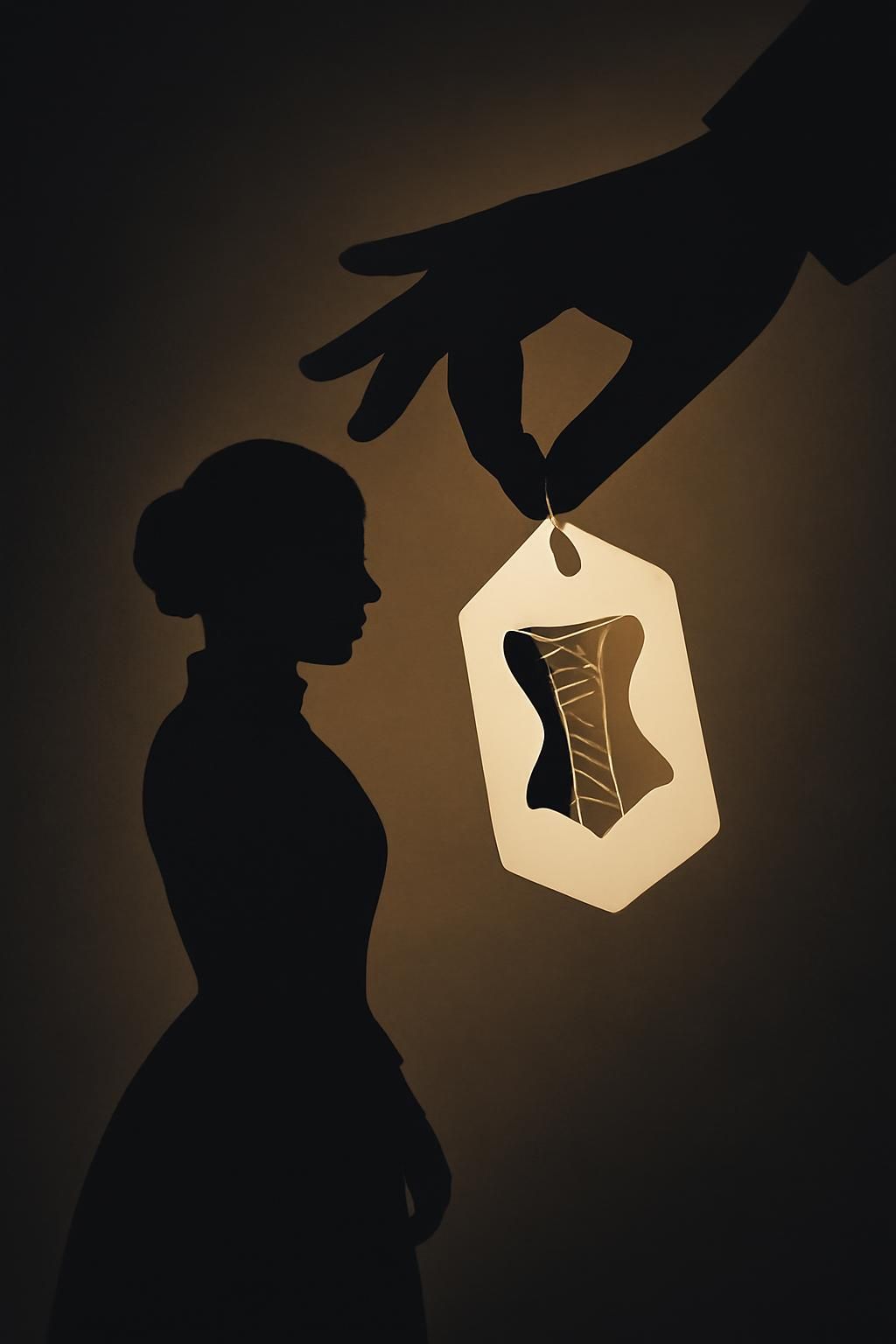
Victorian Britain did not generally require people to dress according to a legally assigned rank. The pressure was more ordinary—and often more effective: employers, customers, and neighbors judged a person by the signals on their body. A well-cut coat, fine fabric, or carefully chosen accessories could suggest money and status, while a servant’s livery or a clerk’s work clothes made their role immediately legible.
Tailors worked inside that system. They could help customers imitate fashionable styles, but they also faced expectations to make garments suitable to a client’s occupation and means. Dressing “above one’s station” risked being read not as harmless taste but as pretension, dishonesty, or a challenge to social order. Clothing was policed through reputation and employment more often than through a dress law.
Private conduct was harder to police
Sexual material and discreet venues presented a different problem for authorities: what happened behind closed doors was less visible than a conspicuous jacket on a public street. Victorian law could target particular publications or conduct, while private settings and uncertain boundaries left room for activity to persist without being openly accepted. That was a gray zone, not a guarantee of legality or safety.
The contrast was striking. Clothes announced a person’s status to everyone nearby, inviting immediate judgment; private sexual behavior required evidence, witnesses, or a decision to investigate. Respectability therefore operated unevenly: a person’s outfit could be scrutinized in plain sight, while concealed conduct was harder to expose and prosecute.