History
Discover facts about history. Small discoveries that change the way you see familiar things.
History
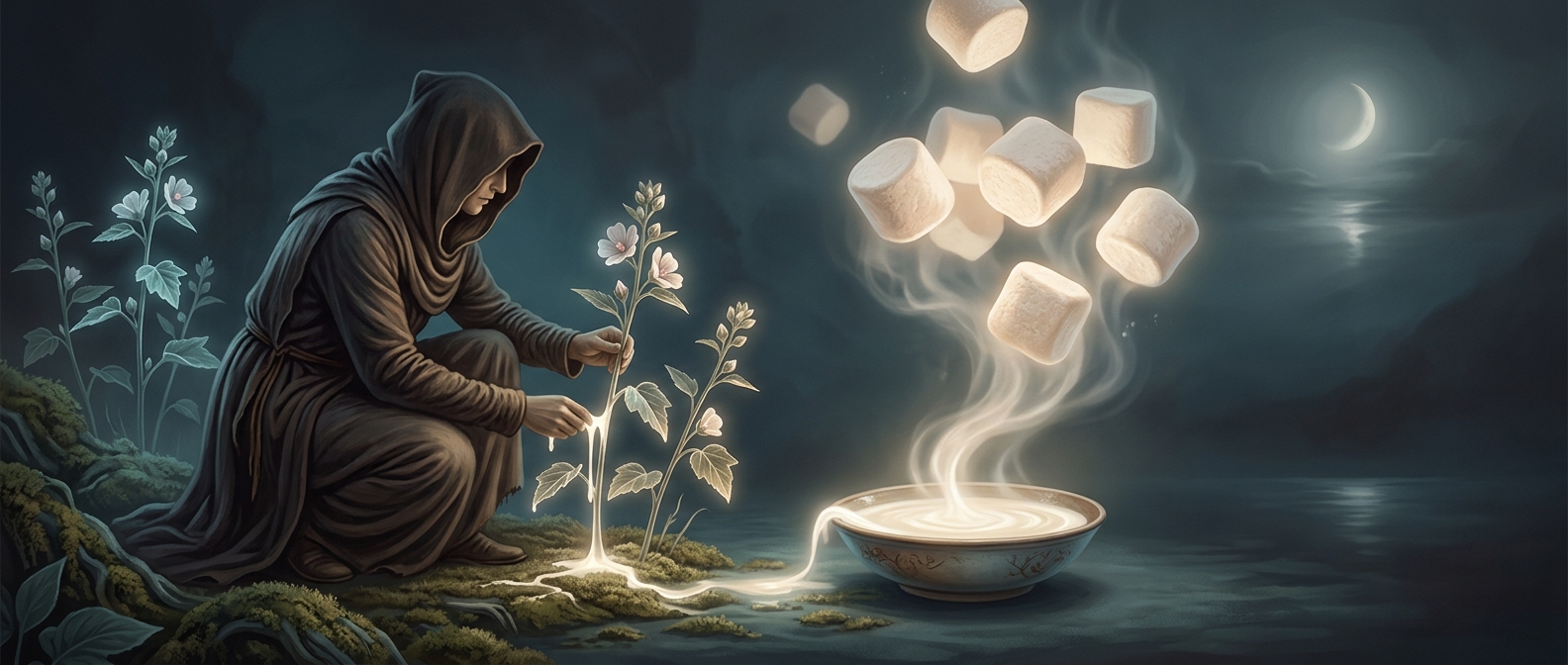
Marshmallows once came from a swamp plant
The first marshmallows got their texture from whipped sap from the marshmallow plant’s root, not gelatin. The candy’s name was once an ingredient list.
Discover more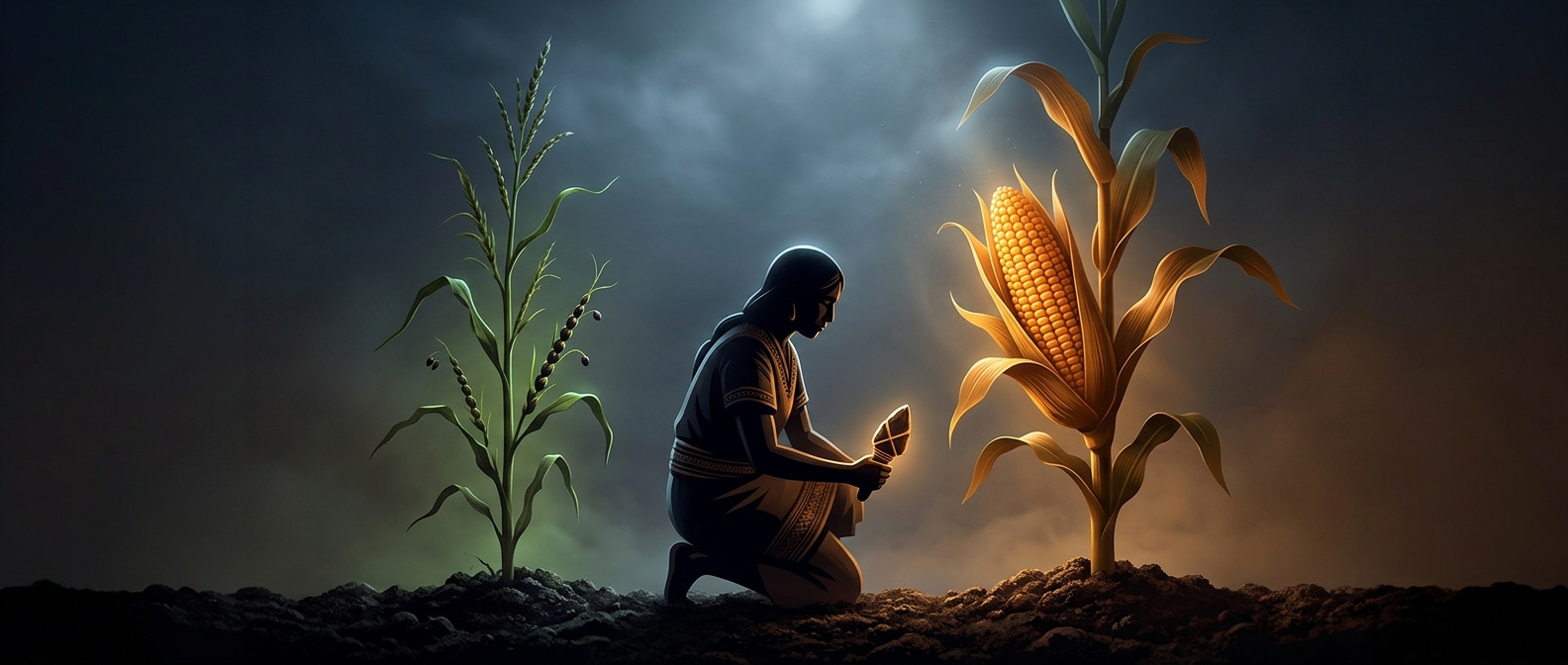
Your popcorn came from nearly inedible grass
Generation after generation, people saved seeds from plants with bigger, easier-to-eat kernels. The tiny, rock-hard grass gradually became corn—and,…
Discover more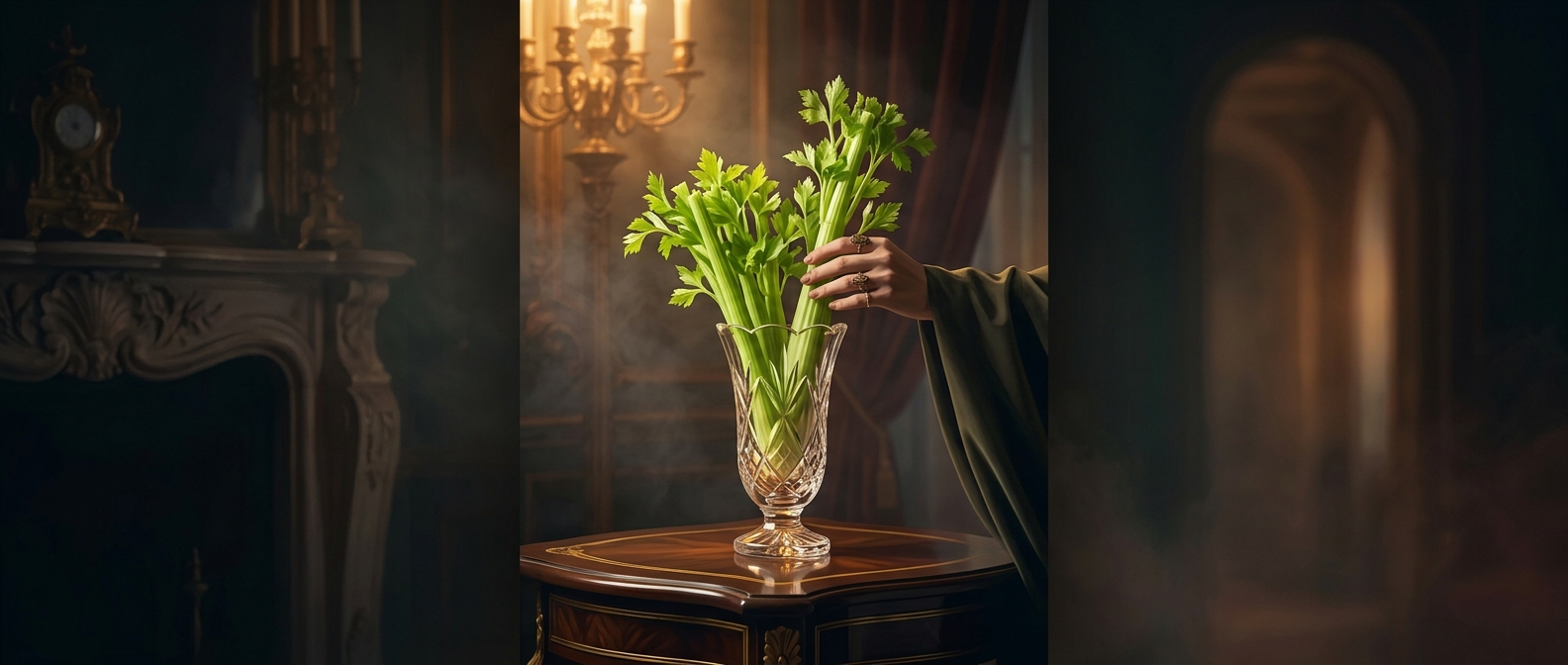
When celery was a status symbol
Growing celery was labor-intensive: stalks had to be blanched to keep them pale and tender, which made it costly. A crystal vase turned that expense into…
Discover more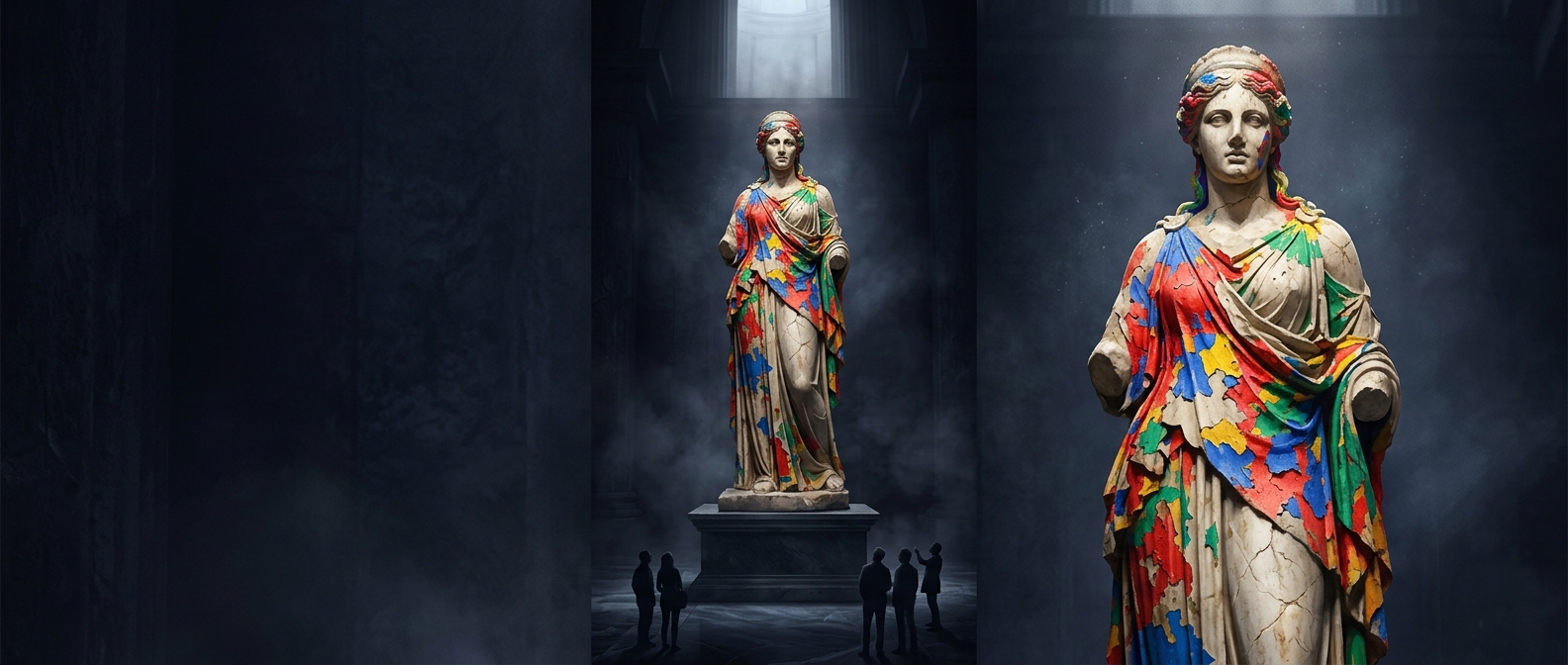
Ancient statues were anything but white
Their marble surfaces were once painted in vivid colors, so the pristine white statues familiar today are a stripped-down version of how they originally looked.
Discover more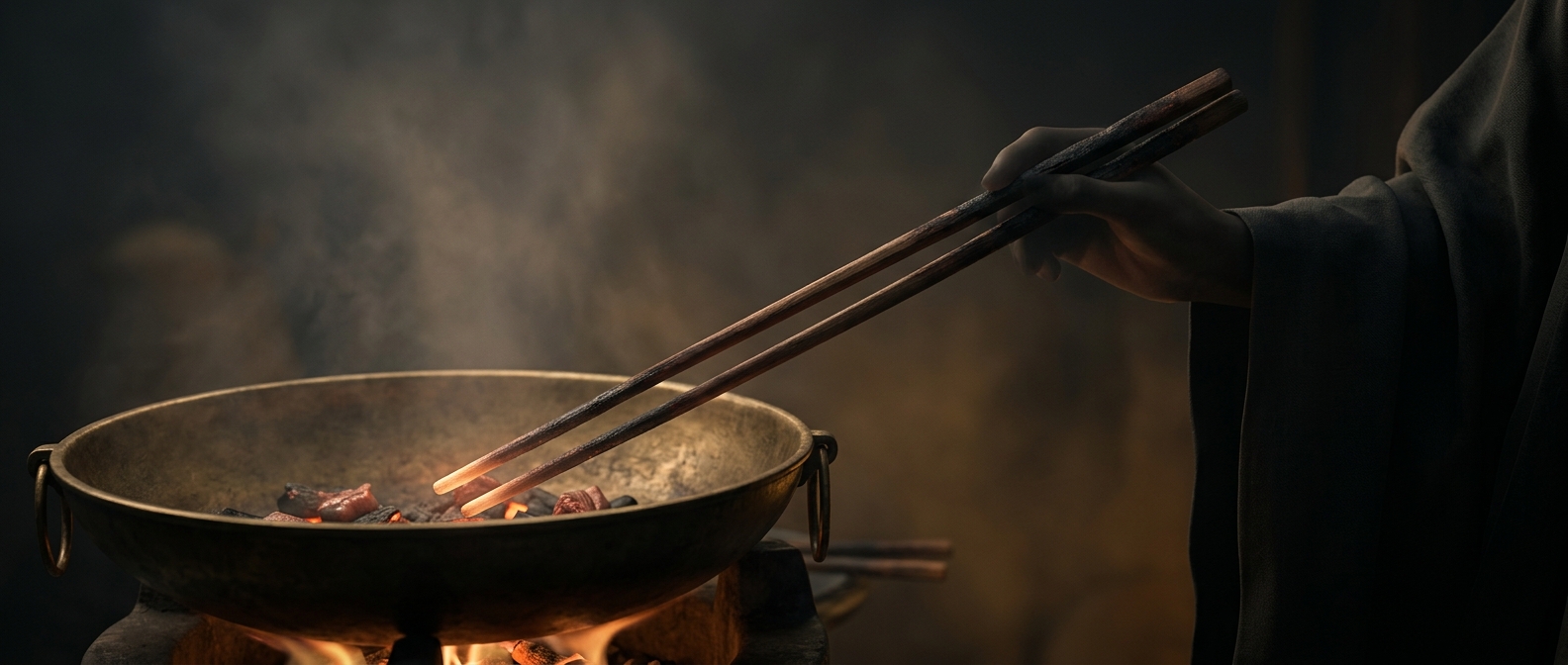
Chopsticks started out in the kitchen
Long chopsticks let cooks lift food from boiling water without burning their hands. The kitchen tool eventually moved to the table, where it became an eating…
Discover more
Wild almonds existing as highly bitter inedible seeds
Most wild almonds were intensely bitter; a rare mutation made some much less so. People propagated those trees, turning an unlikely variation into the sweet…
Discover more STACKY FOR IPHONE
A bigger world.
One discovery
at a time.
Keep discovering with Stacky. Interesting facts in an app that is always within reach.
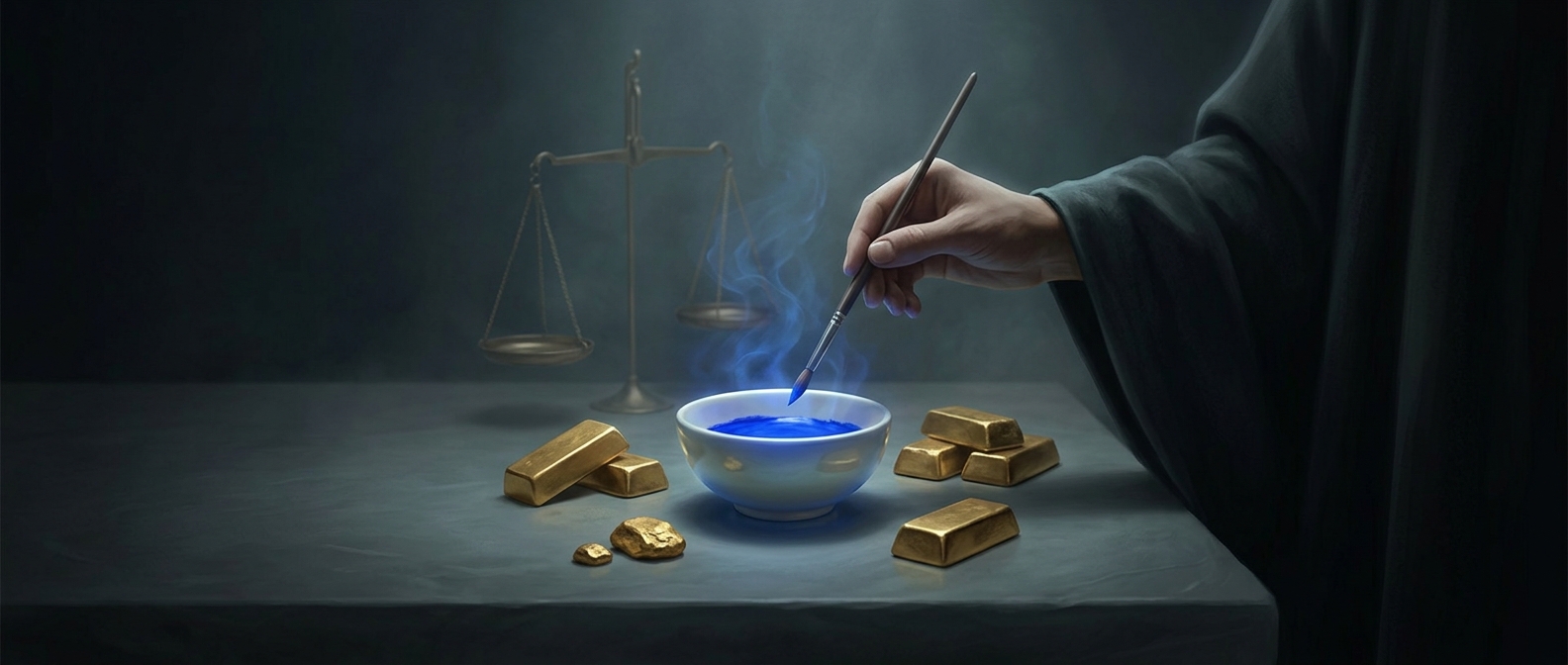
When ultramarine blue cost more than gold
Lapis lazuli had to be imported and ground into pigment, making ultramarine more expensive than gold. Painters still used it for prized passages—and some went…
Discover more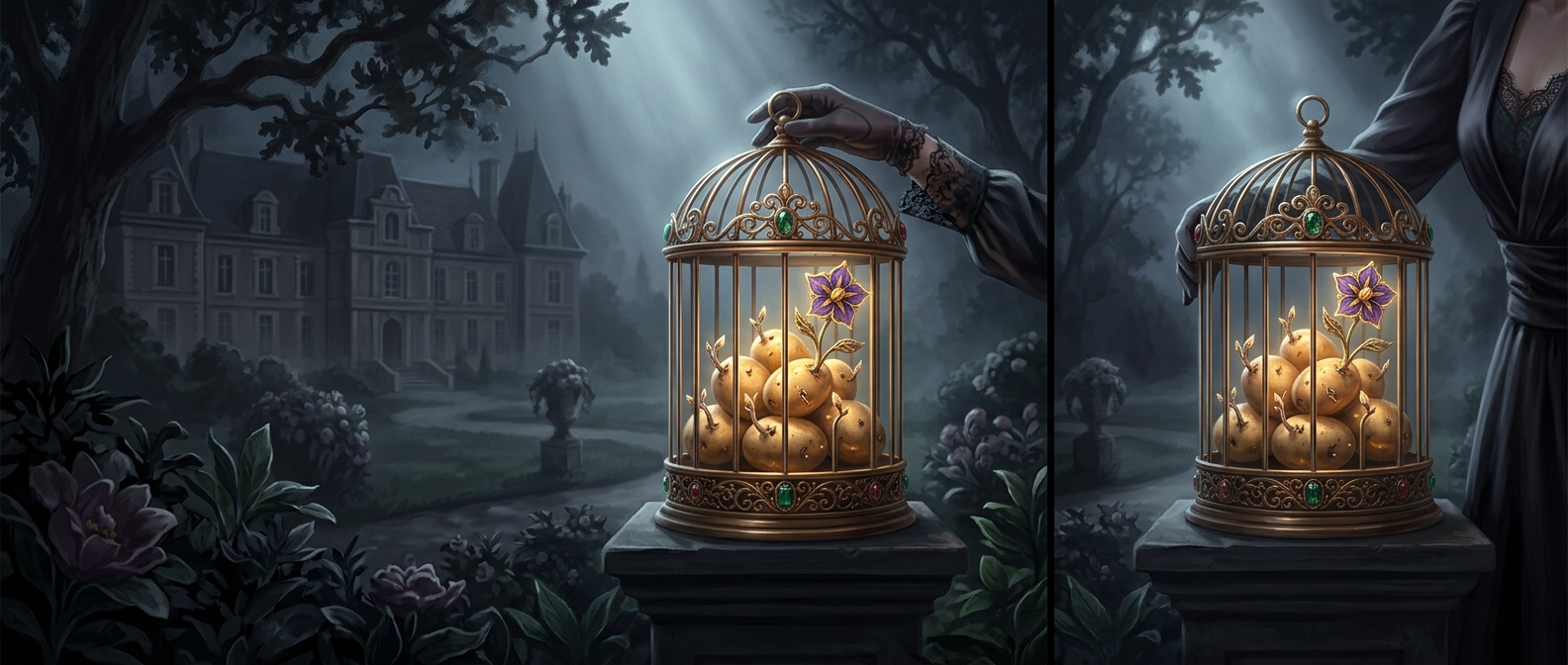
Potato promotion once involved a bouquet for Marie Antoinette
French pharmacist Antoine-Augustin Parmentier tried to win prestigious supporters for the crop. He presented potato flowers to the queen and served…
Discover more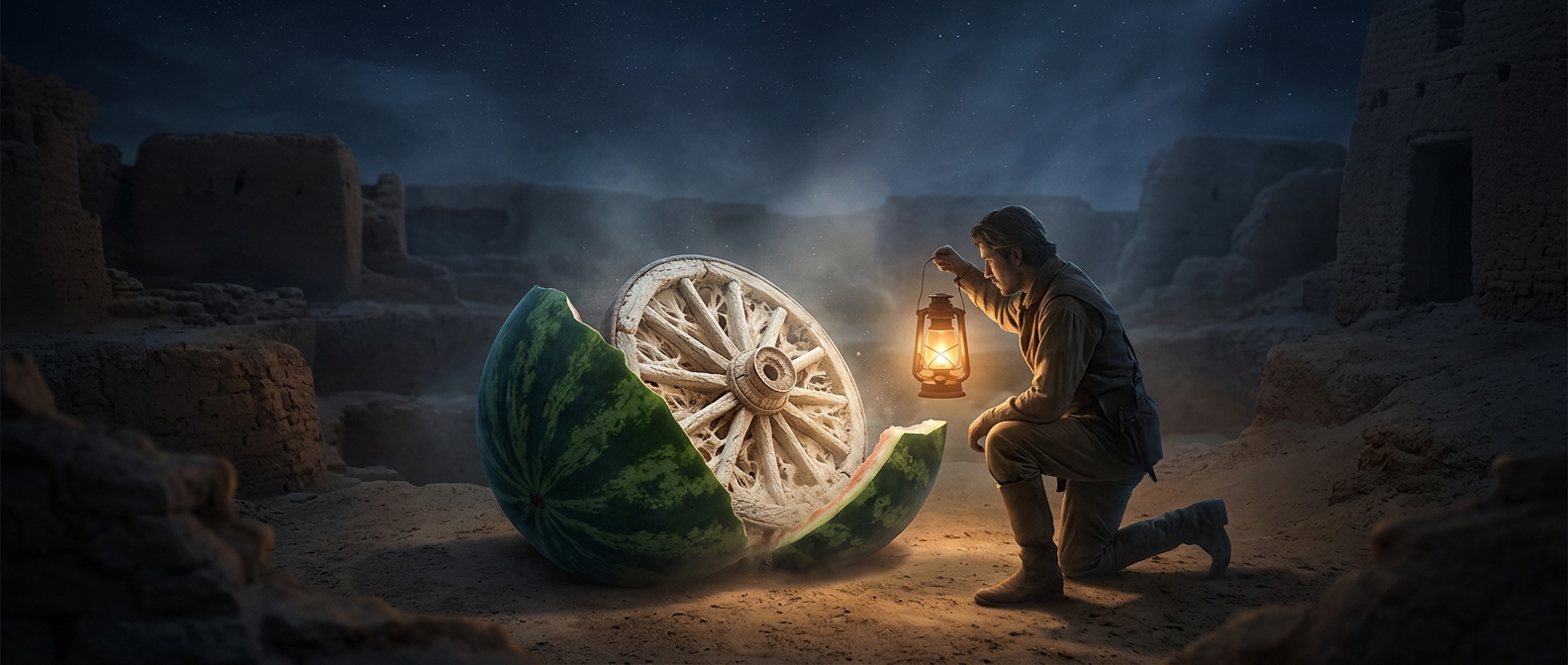
Watermelon's closest wild relative has pale flesh
A genome study identified Sudanese Kordofan melons as close to the ancestry of cultivated watermelon. Their flesh is pale and non-bitter. The familiar red…
Discover more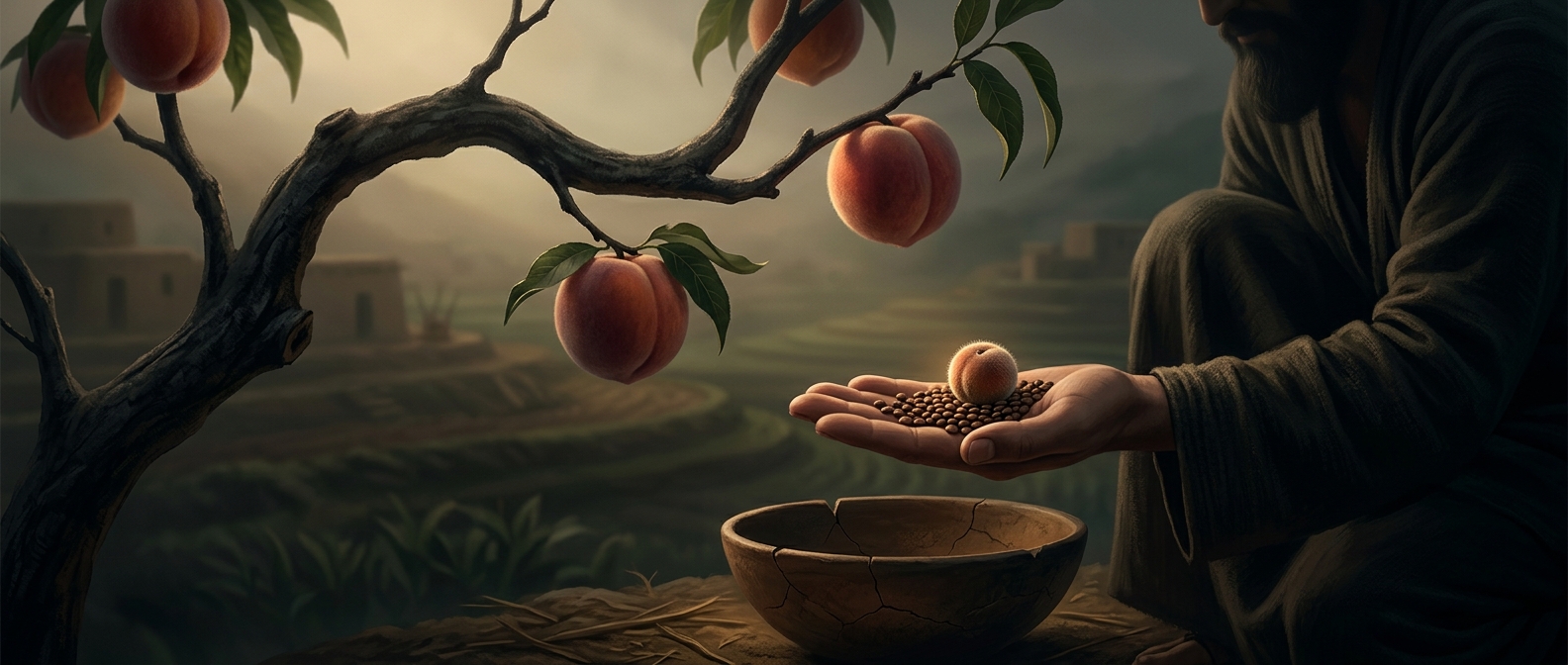
Peach pits record thousands of years of human taste
Archaeologists studying Chinese sites found peach stones growing larger across generations of cultivation. The pits provide evidence of people selecting…
Discover more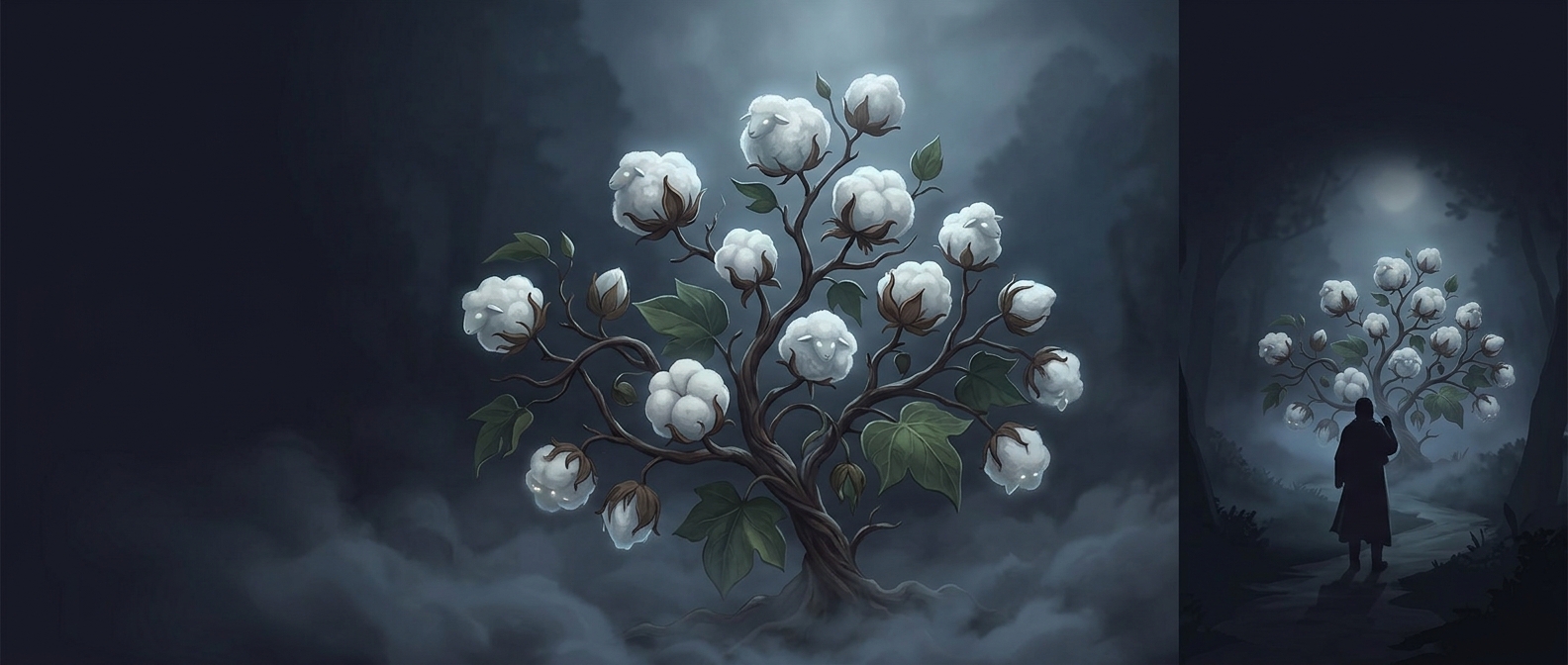
People once thought cotton grew on tiny sheep
Some early descriptions of cotton led people to imagine a tiny, wool-bearing sheep growing from a plant stem.
Discover more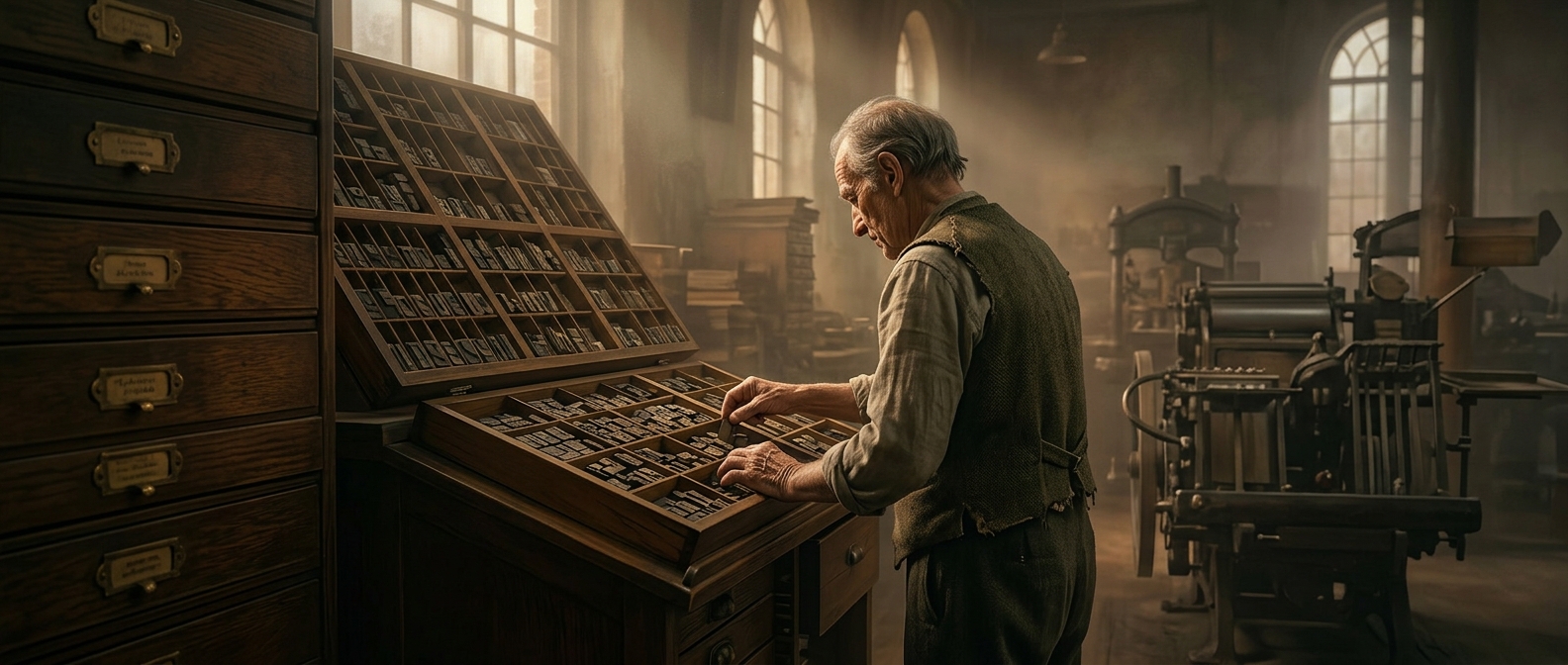
Why capitals are uppercase
Early printers stored large capital letters in the upper compartments of their cases and smaller letters below, giving “uppercase” and “lowercase” their…
Discover more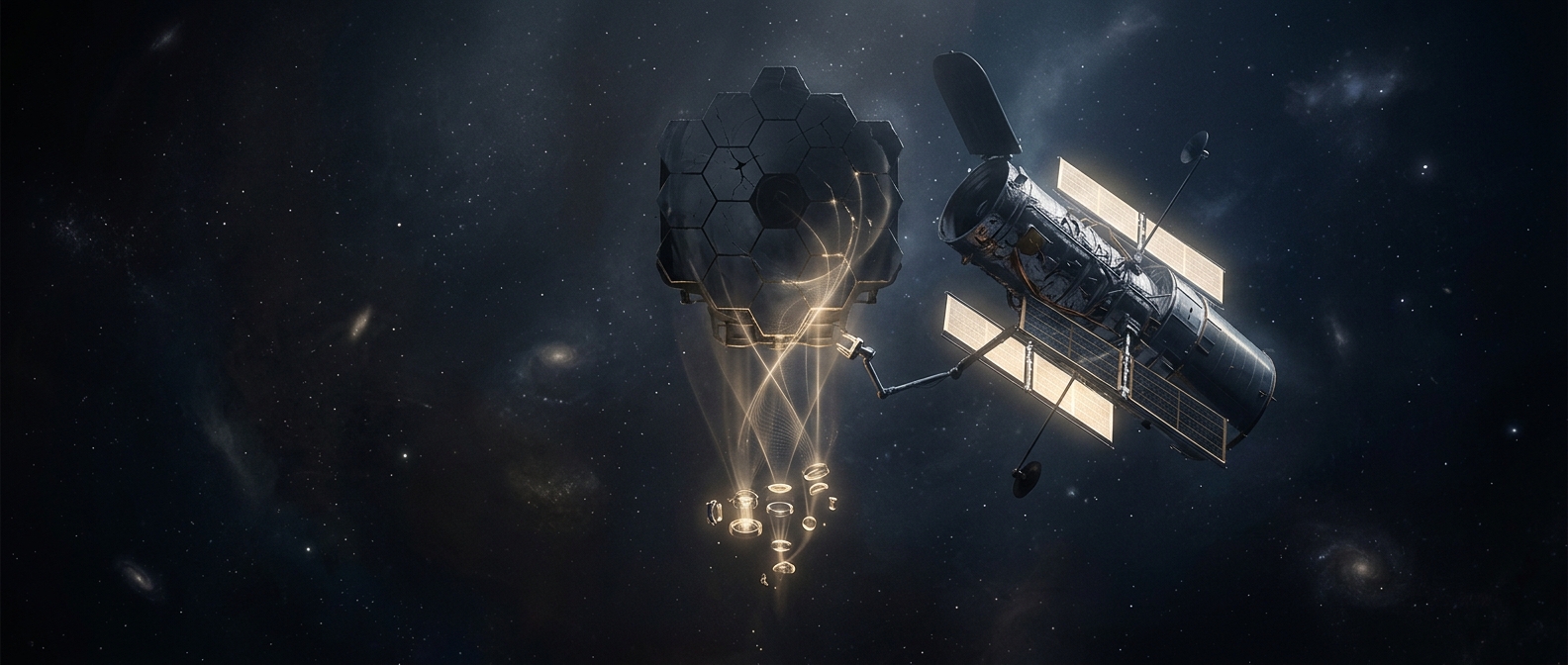
Hubble telescope mirror flaw was repaired by tiny optics
Rather than replace Hubble’s flawed mirror, astronauts installed corrective optics: small mirrors that redirected the light to compensate for its shape. The…
Discover more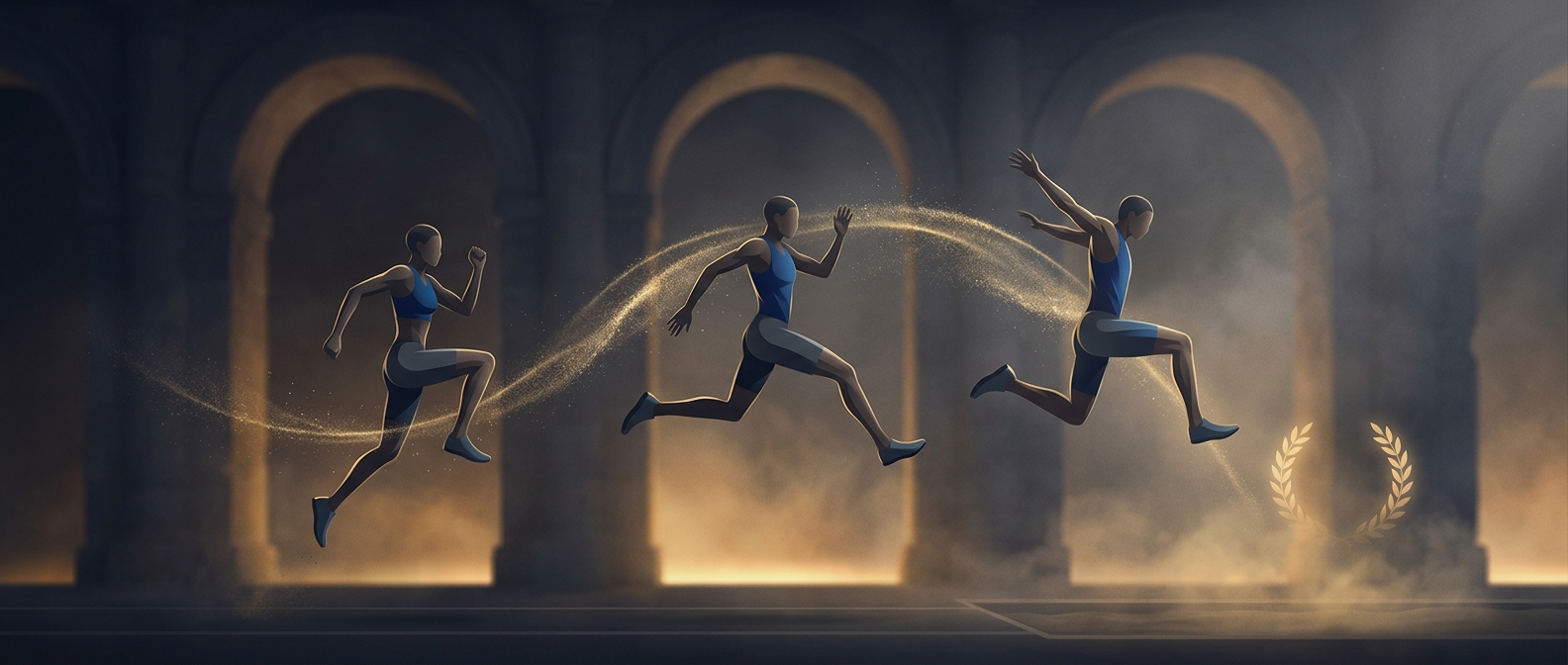
First modern Olympic champion won the triple jump event
The triple jump was the first event on the schedule at the 1896 Games, and American James Connolly won it. The first modern Olympic champion was crowned…
Discover more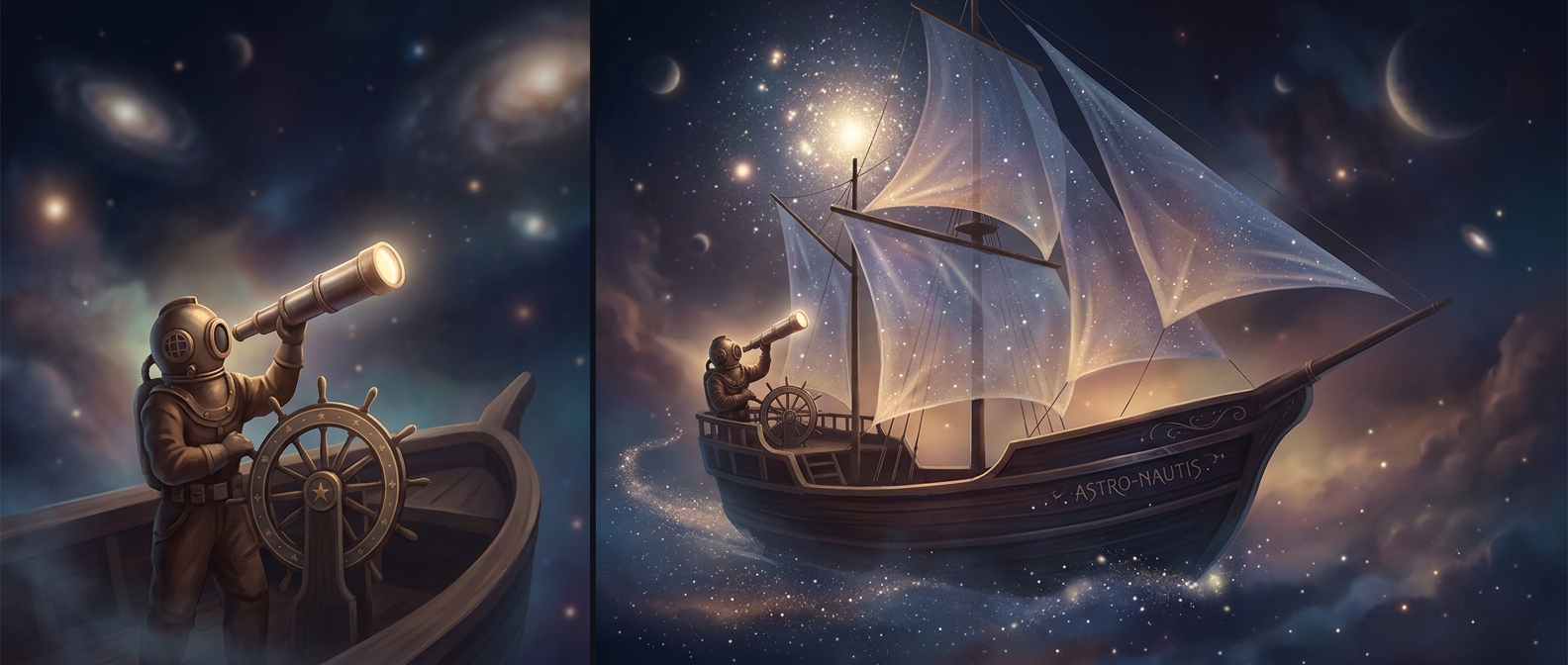
Astronaut literally makes space travelers 'star sailors'
“Astronaut” combines Greek roots for “star” and “sailor.” It makes space travel sound like a voyage across the heavens—even when the ride involves a rocket.
Discover more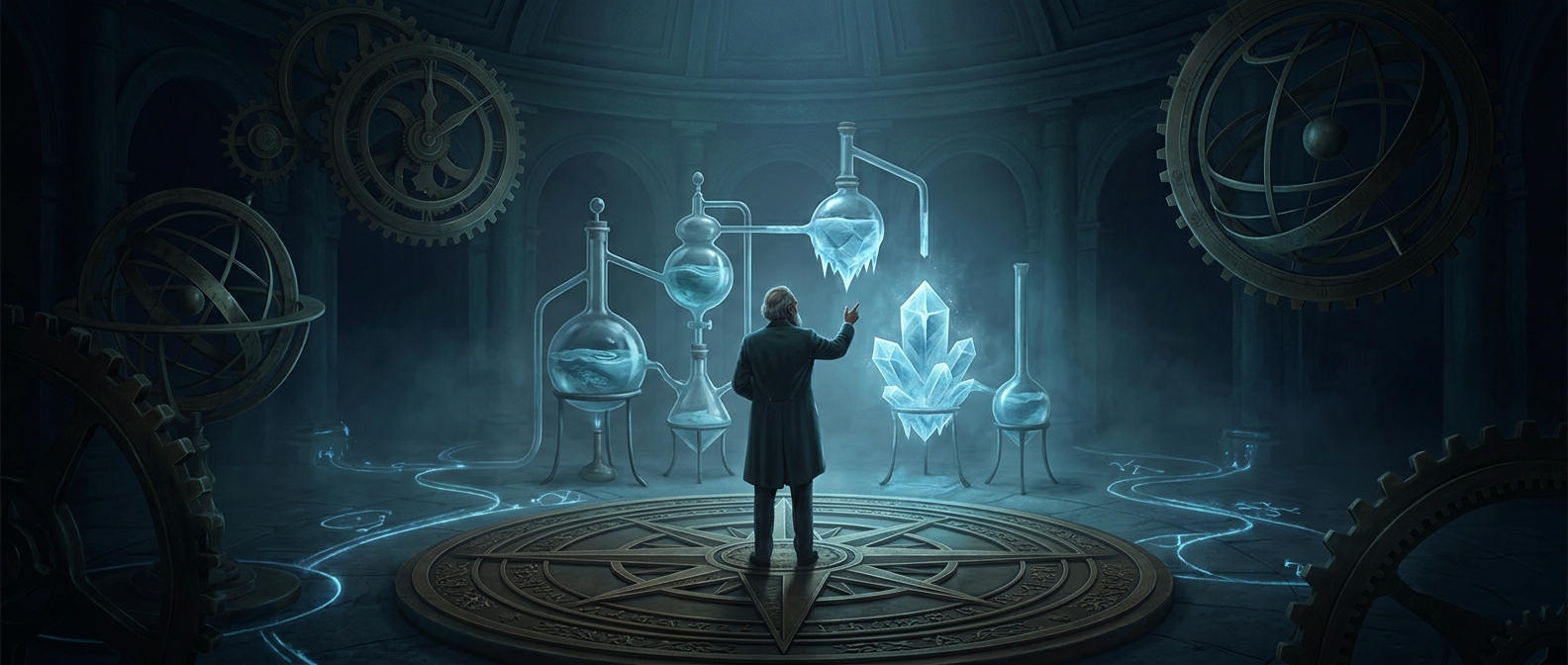
Why Fahrenheit starts with salty ice
Fahrenheit set zero using a salt-and-ice mixture, a convenient laboratory baseline rather than a familiar everyday temperature. That choice helped make the…
Discover more
When the ampersand was part of the alphabet
Schoolchildren once recited “and per se and” after “X, Y, Z.” The phrase meant “and, by itself, and”; repeated aloud, it blurred into “ampersand,” the…
Discover more
Tennis scoring jumps from fifteen to thirty then to forty
One theory traces tennis scoring to a clock face: points may once have moved from 15 to 30 to 45, with 45 shortened to 40. The origin isn’t certain, but the…
Discover more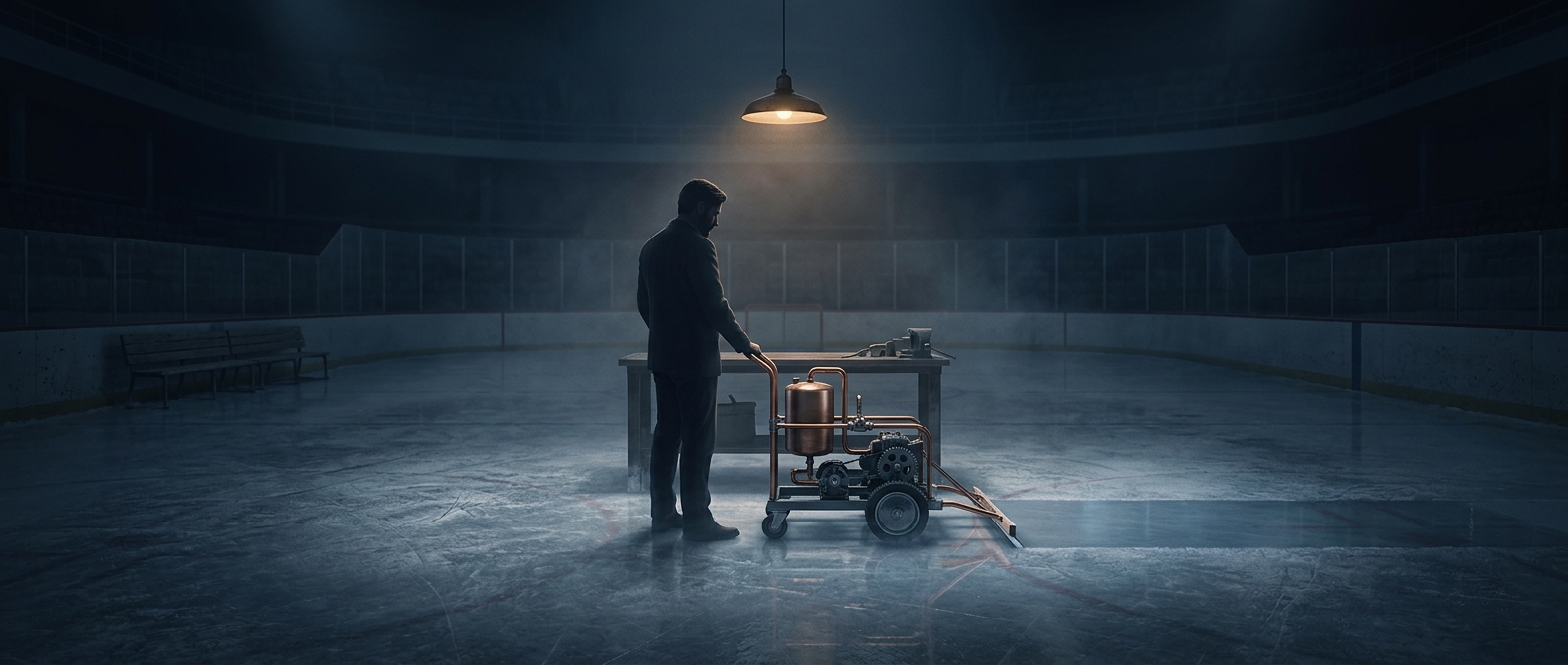
Ice resurfacing machines were invented inside a local rink
At his local rink, Frank Zamboni cobbled together tractor parts and a wooden box to turn more than an hour of scraping into a job done in minutes. The machine…
Discover more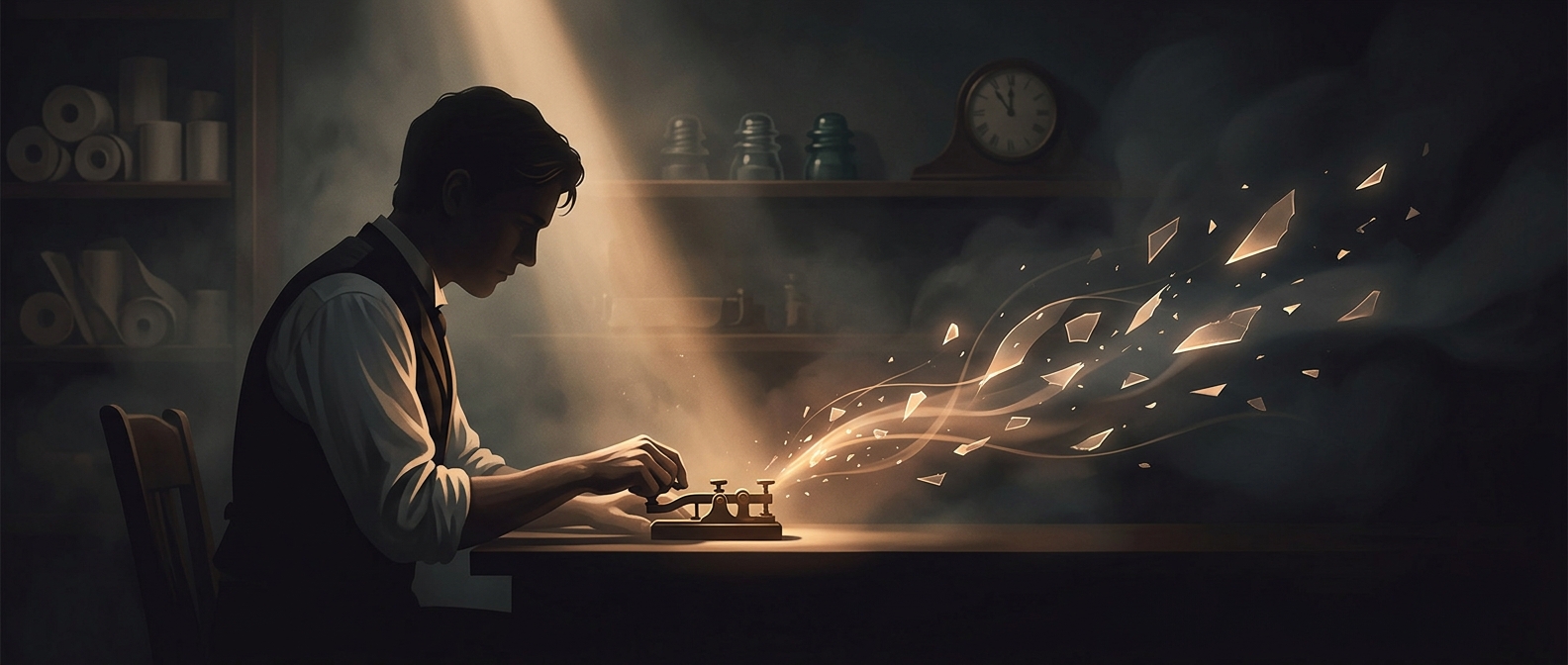
Telegrams put a price on every extra word
Because messages were commonly charged by the word, senders cut greetings and unnecessary explanations. A short message could be cheaper, not merely more…
Discover more
Why telephone area codes favored people with rotary dials
Each pulse on a rotary dial took time, so populous places got codes that were quicker to dial. Rural callers often got the long way around, winding through 8s…
Discover more
Skylab rained debris over Australia—and got fined
Skylab’s debris landed across the Australian outback, and the Shire of Esperance billed NASA $400 for littering. NASA left the fine unpaid for 30 years, until…
Discover more
Metric meter was defined using the circumference of Earth
The new meter was meant to be tied to Earth itself: one ten-millionth of the distance from the equator to the North Pole. Surveyors spent years measuring…
Discover more
The dictionary that took a lifetime to finish
The project was so large that its original editors died before reaching the halfway point. Thousands of volunteers mailed in definition slips, turning the…
Discover more