History
Discover facts about history. Small discoveries that change the way you see familiar things.
History
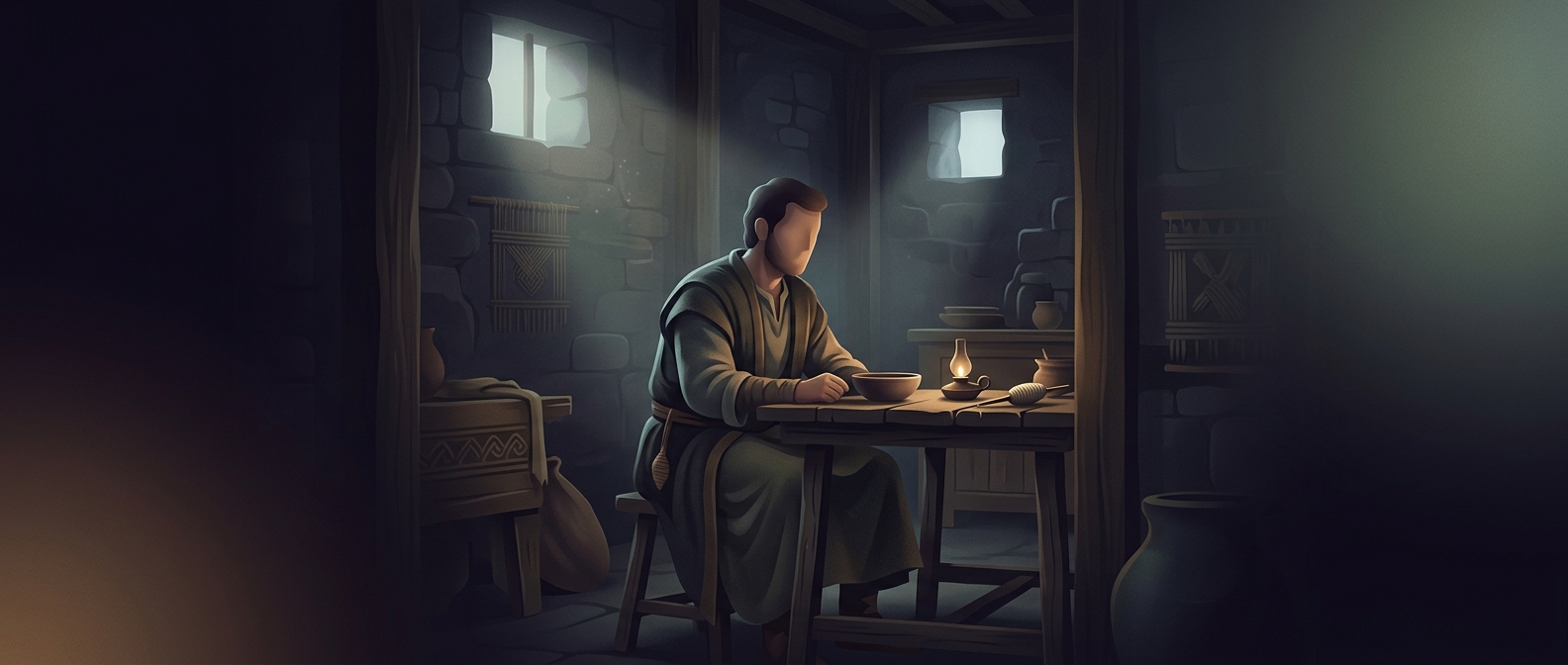
What “husband” originally meant
It comes from a word meaning “householder,” a practical label rather than a reference to romance.
Discover more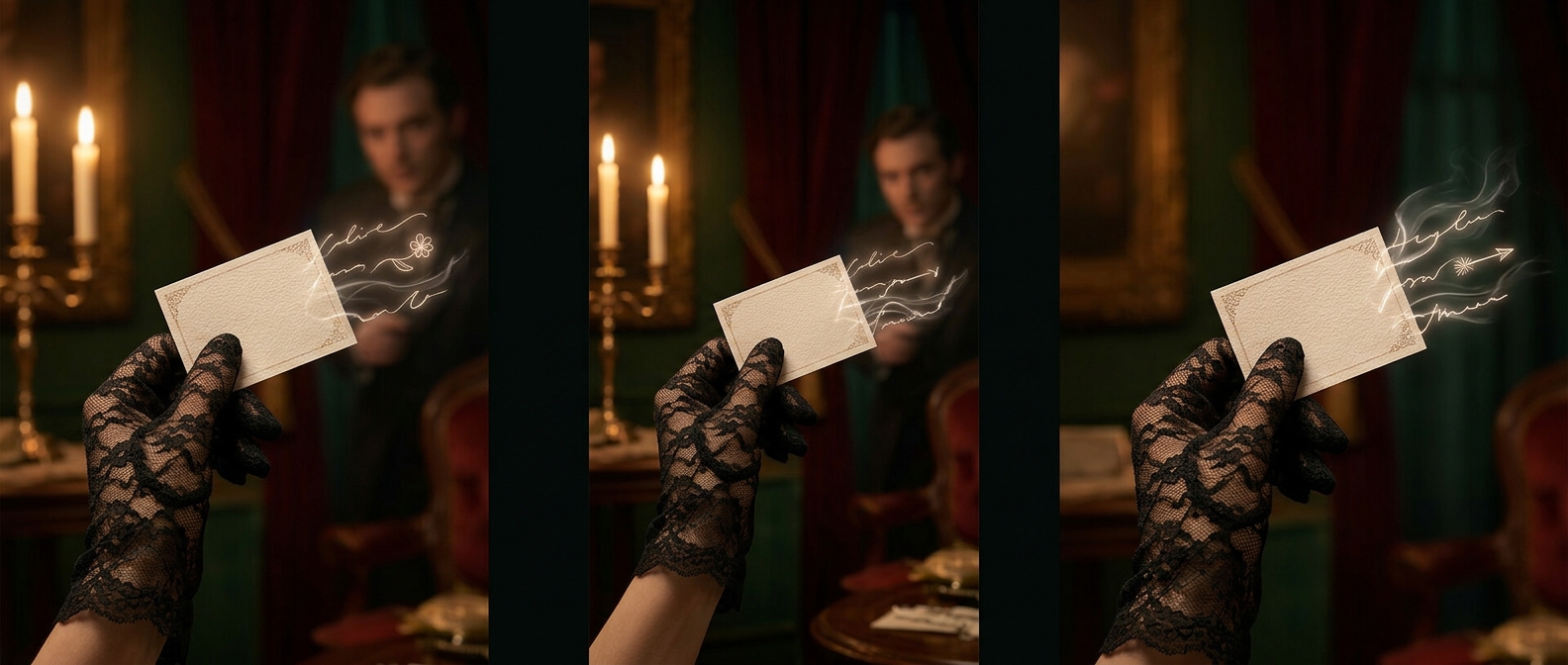
Victorian calling cards had a secret language
A folded corner let visitors send a message without saying it aloud. The small signals helped people navigate delicate social encounters without risking a…
Discover more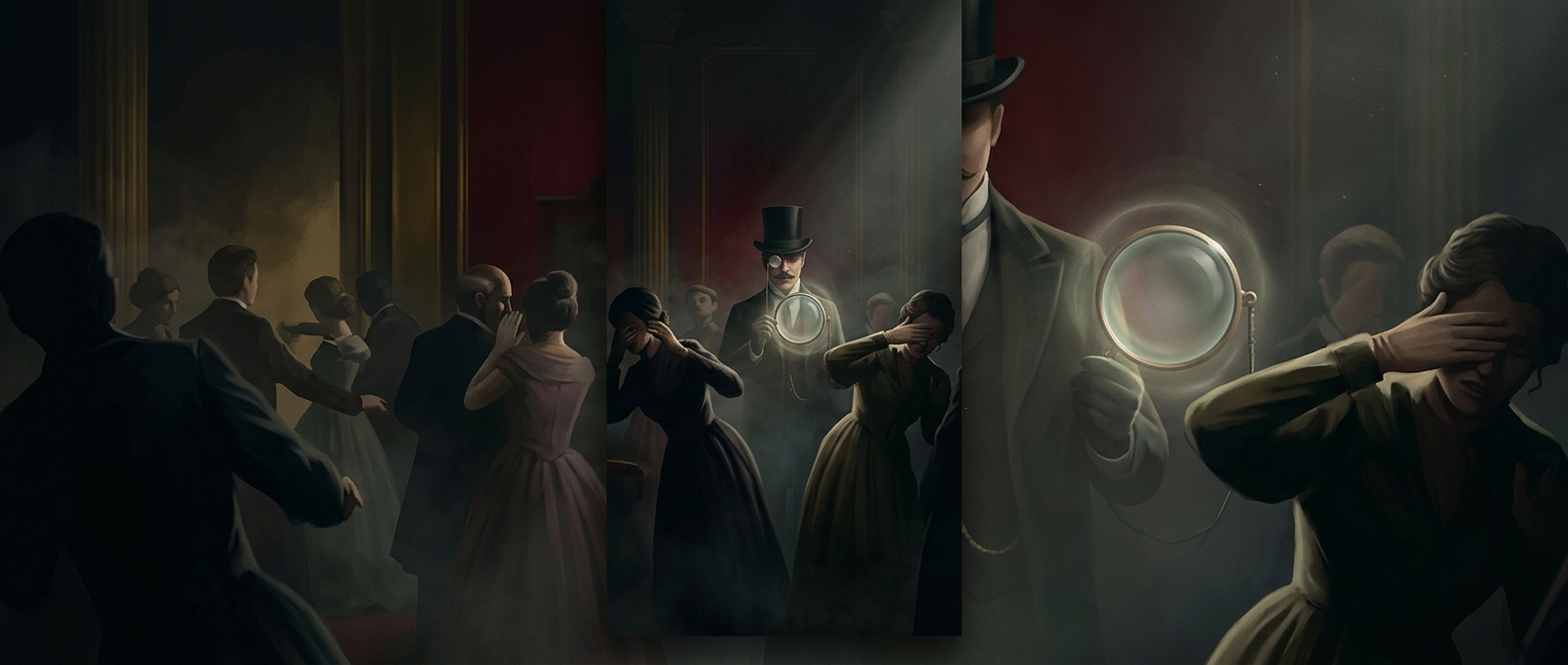
Why wearing a monocle could seem insulting
A monocle could turn a glance into a performance: fixing someone with a cold, scrutinizing stare made it look as if you were judging them from above. The…
Discover more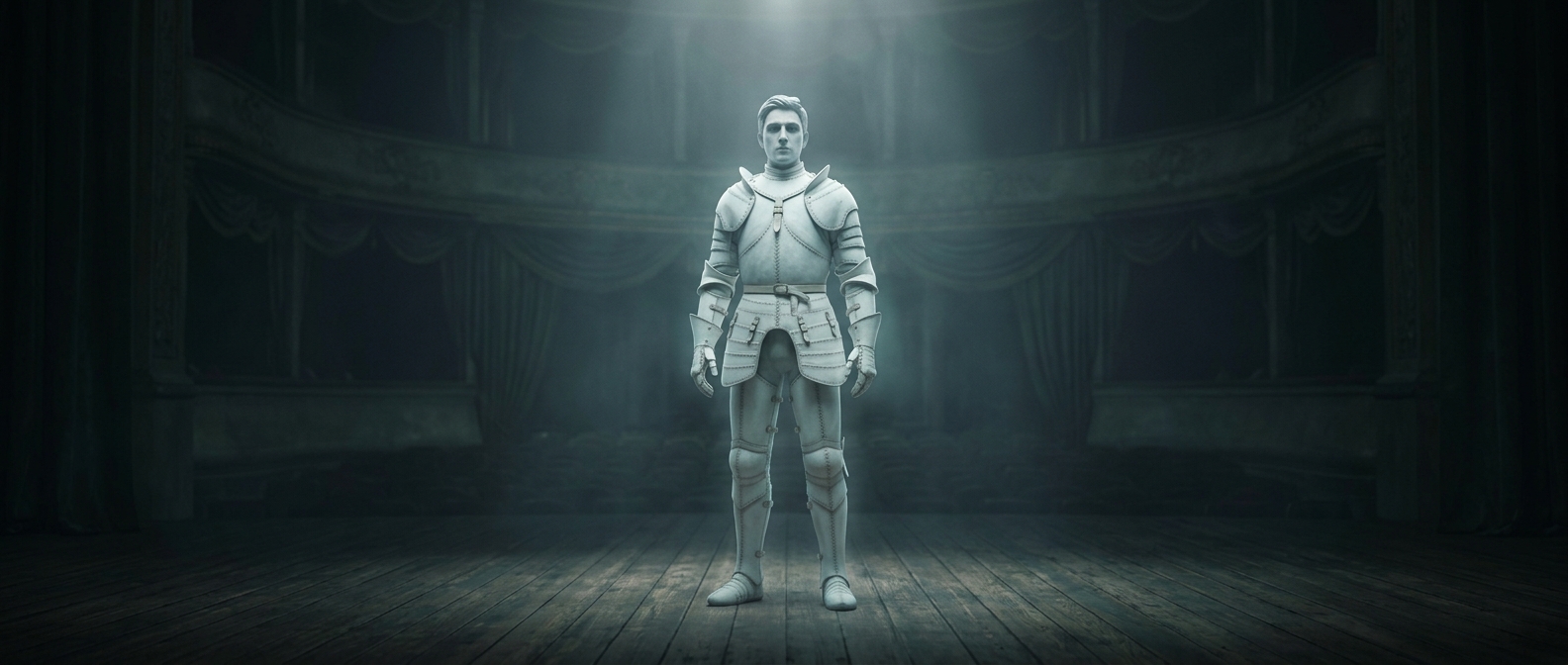
Ghosts onstage once wore squeaky white leather
The stiff leather gave a ghost an eerie shape, but every move came with a creak. The costume looked spectral; its sound effects were less convincing.
Discover more
Why tragedy means “goat song”
The word’s roots mean “goat song,” though the connection to tragedy is obscure.
Discover more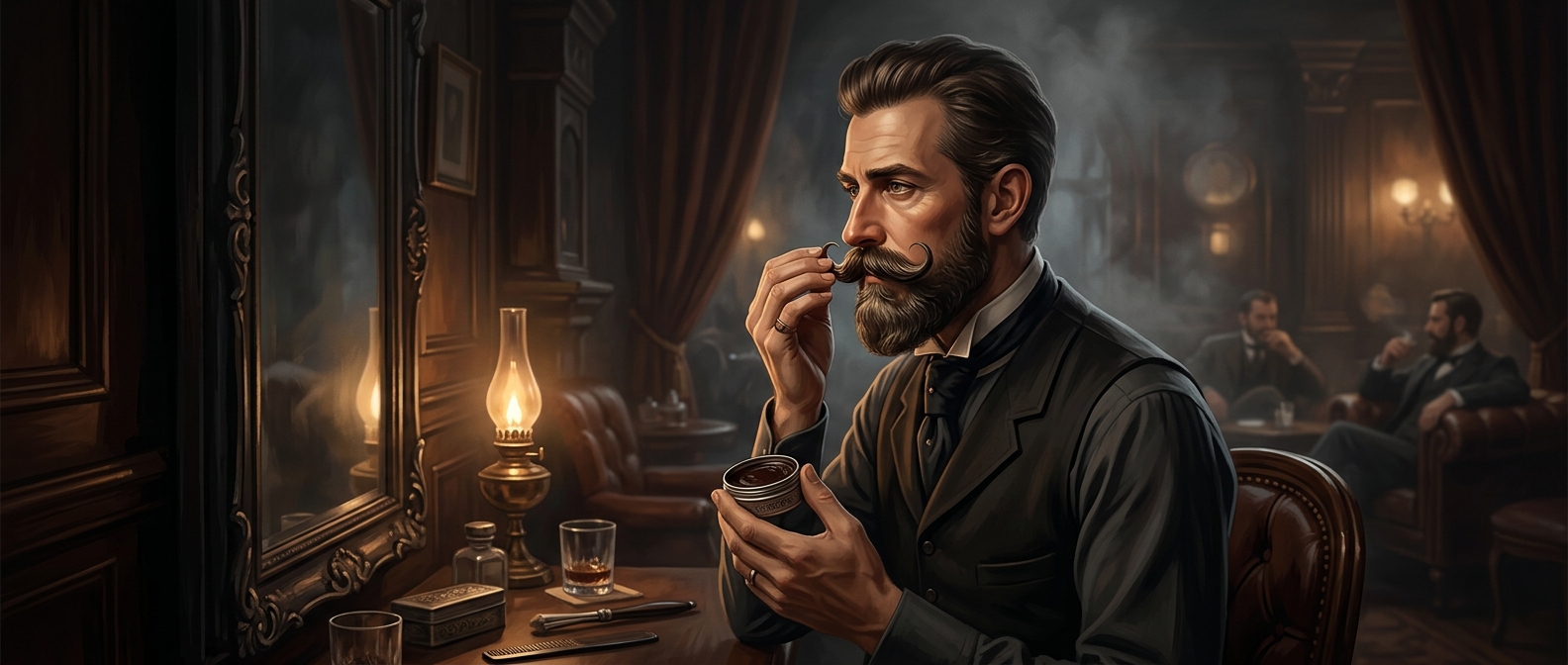
Nineteenth-century men heavily waxed their mustaches
Men used heavy wax to hold their mustaches in rigid horizontal shapes, so close conversation could mean getting jabbed by a stiff tip.
Discover more STACKY FOR IPHONE
A bigger world.
One discovery
at a time.
Keep discovering with Stacky. Interesting facts in an app that is always within reach.
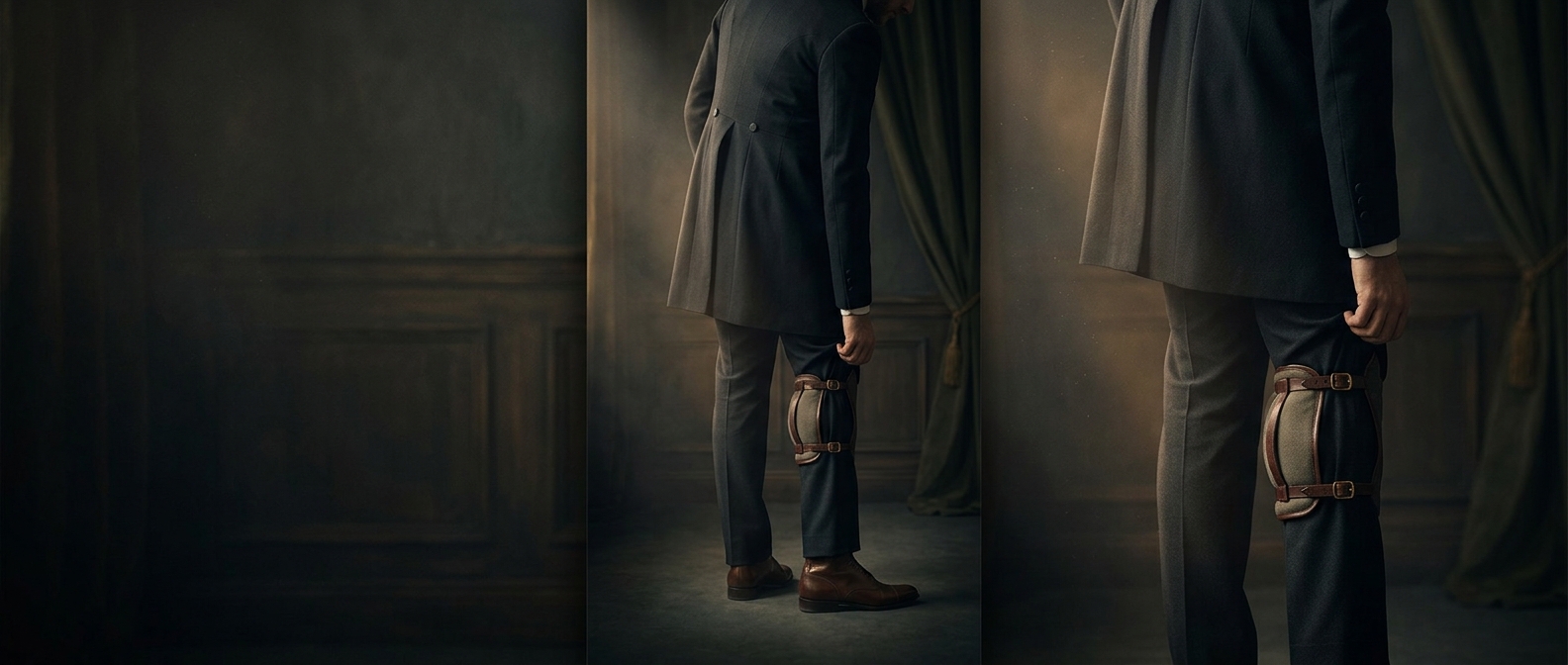
Victorian men wore padded calves under their stockings
Tight stockings made slim legs hard to hide, so some Victorian men padded their calves to create the muscular shape fashion demanded. The look came with a…
Discover more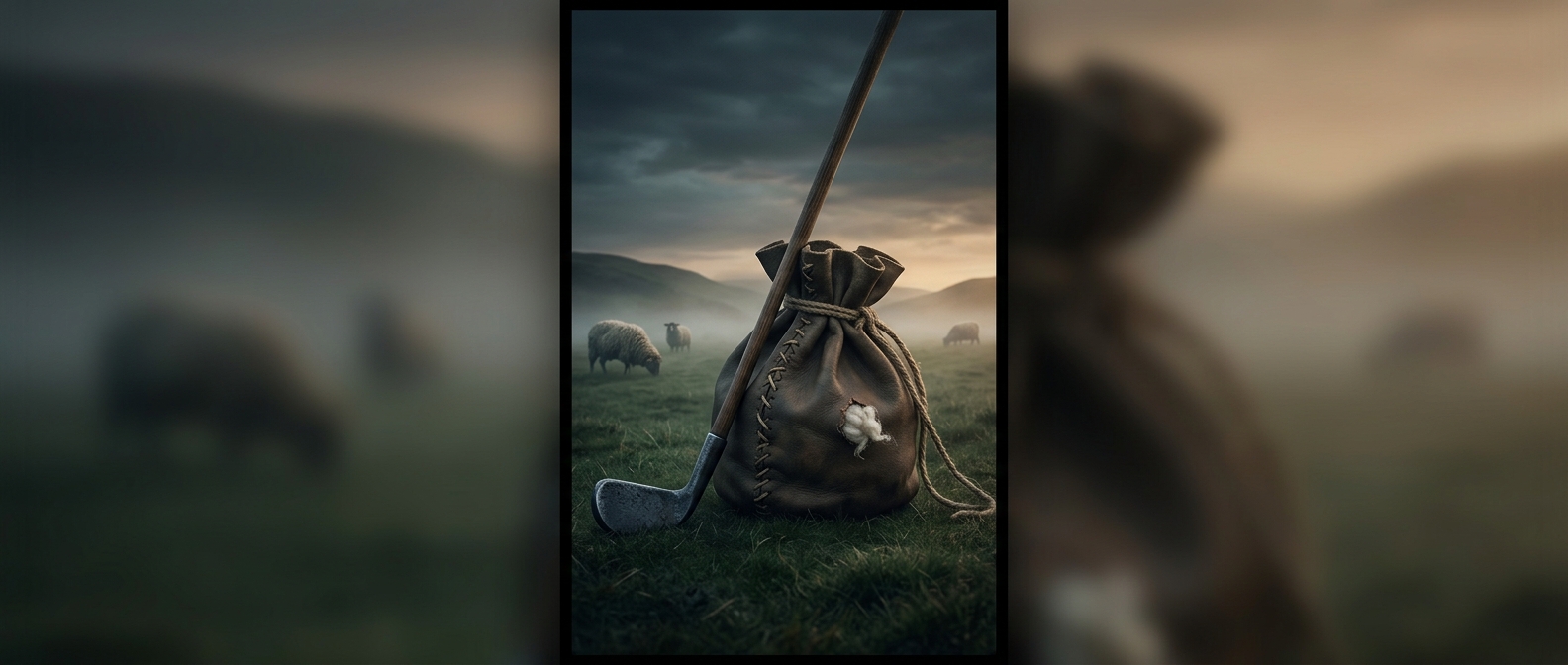
Old golf balls squeezed a hatful of feathers into leather
A featherie was stuffed with wet feathers inside a stitched leather shell. As it dried, the materials tightened into a surprisingly hard ball. Skilled makers…
Discover more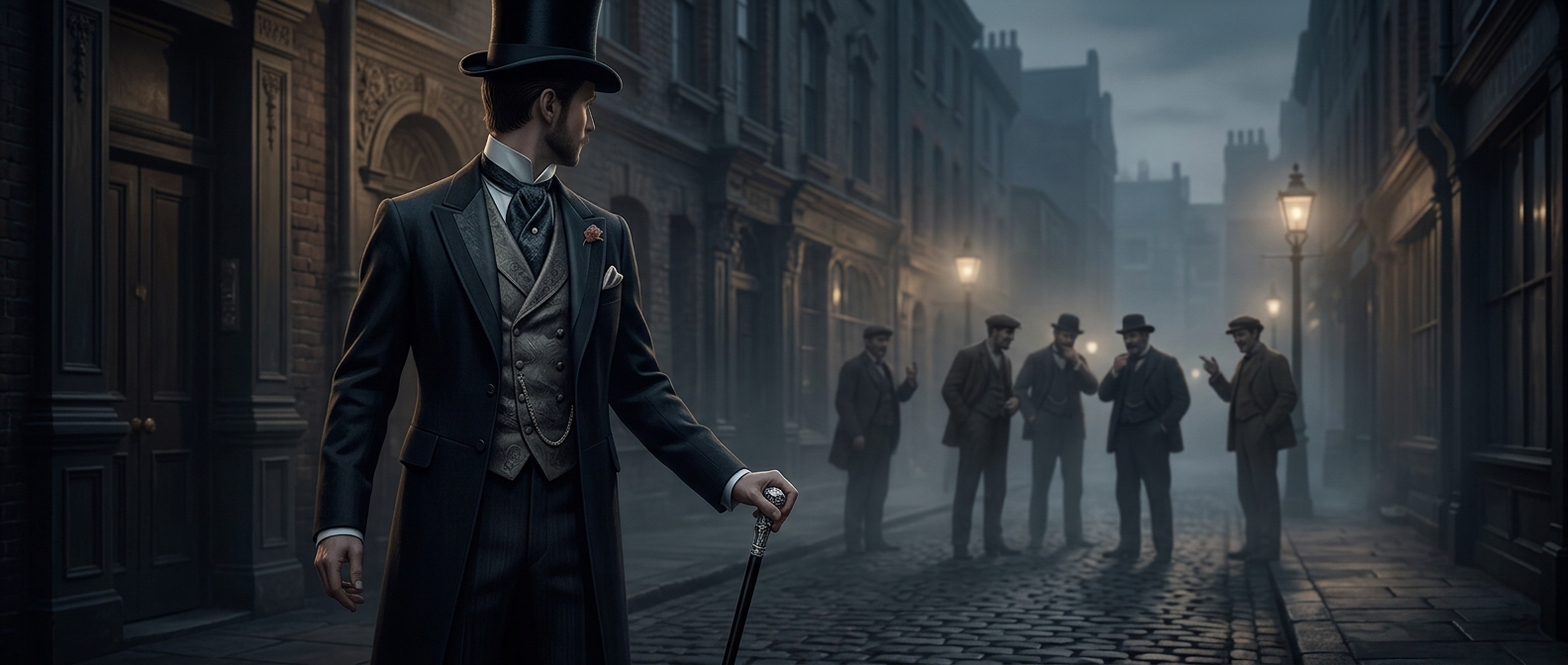
'Dude' once meant a conspicuously well-dressed man
The word appeared in New York slang in 1883 for a fastidious, fashionable man. It later spread to city visitors in the American West, leaving a trace in 'dude…
Discover more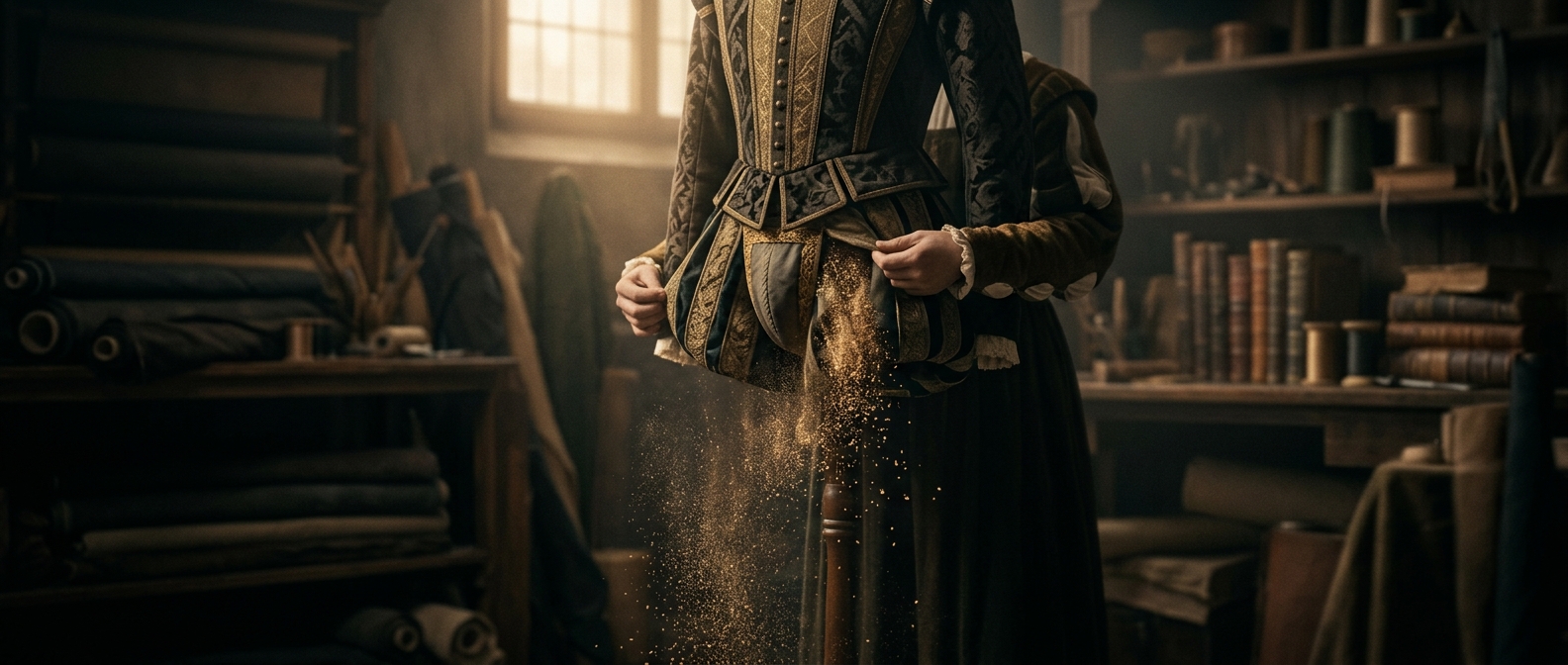
Men once stuffed codpieces with sawdust
Men packed codpieces with sawdust and rags to exaggerate their size, turning a display of supposed virility into a rather bulky fashion statement.
Discover more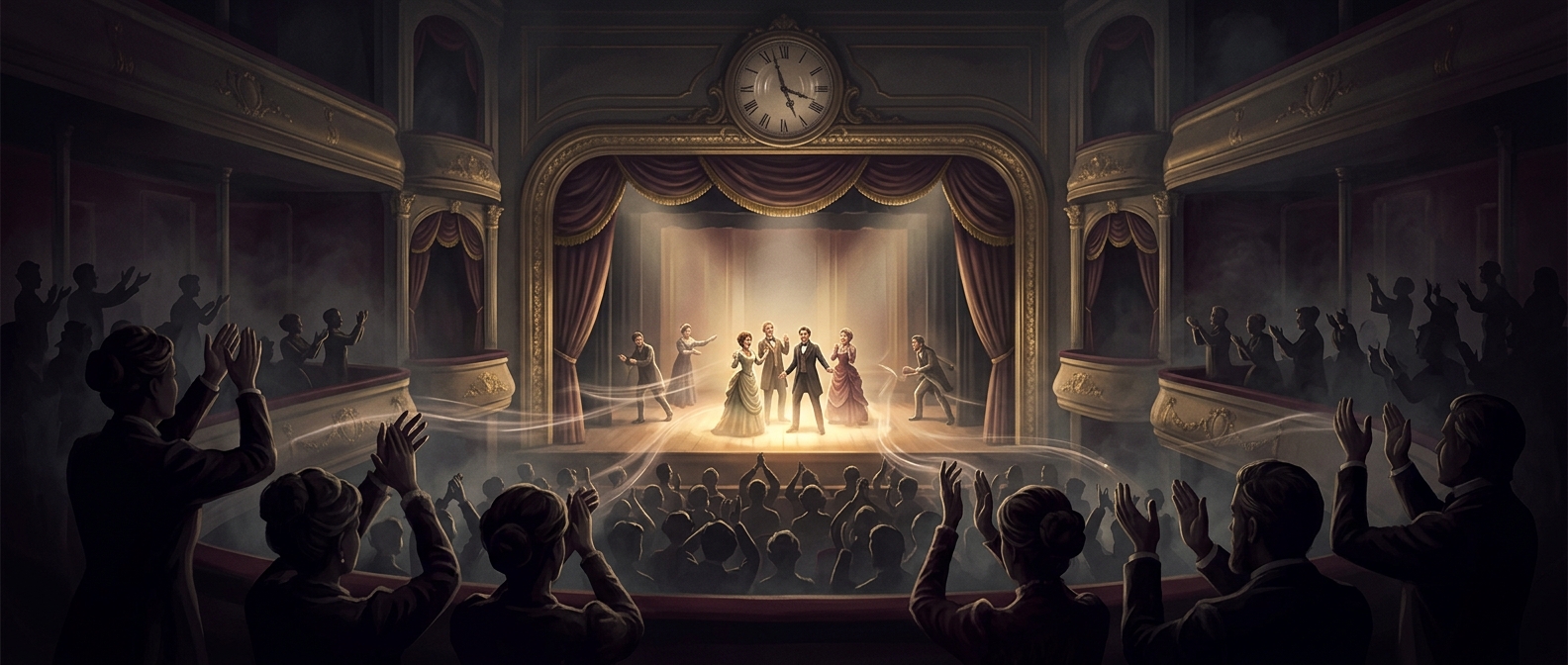
When audiences demanded scenes be performed again
In old theaters, audiences could stop a play and demand that actors repeat a popular monologue on the spot.
Discover more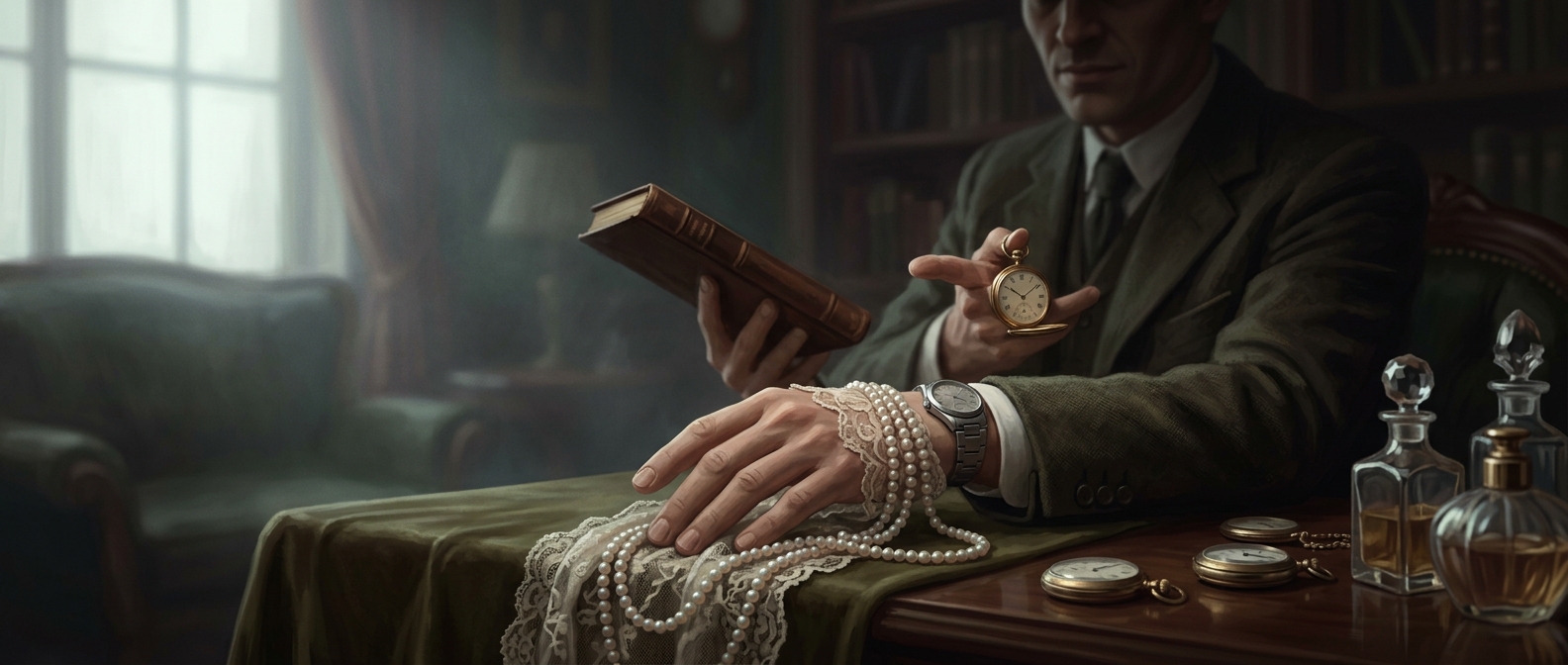
Men once dismissed wristwatches as women's jewelry
Men prized pocket watches on chains, so wristwatches were dismissed as feminine jewelry. But when your hands were occupied, checking the time on your wrist…
Discover more
Bully once meant “sweetheart”
The word once served as an affectionate term for a sweetheart or darling, before its meaning shifted to someone who intimidates others.
Discover more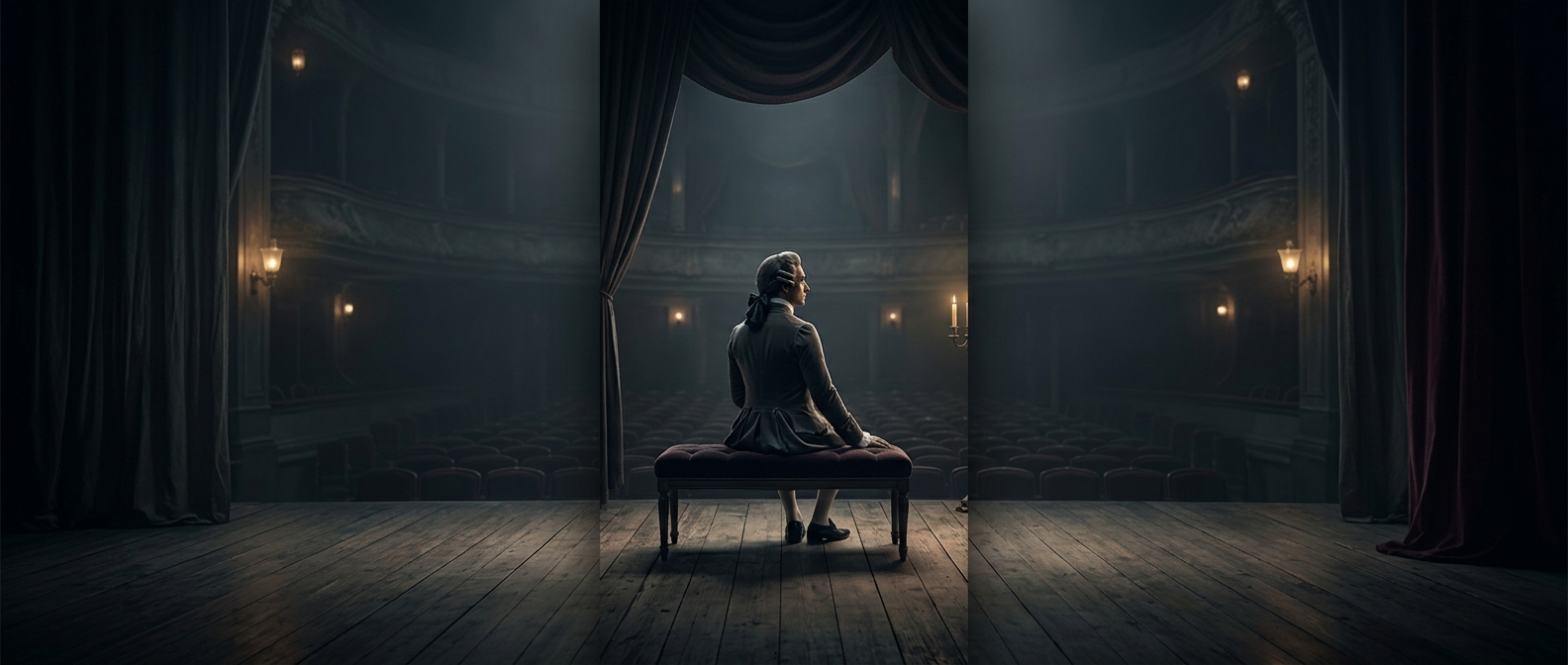
Theatergoers once sat on the stage
Wealthy patrons paid to sit onstage, where everyone could see them—and where their chairs sometimes blocked the actors. Their conversations competed with the…
Discover more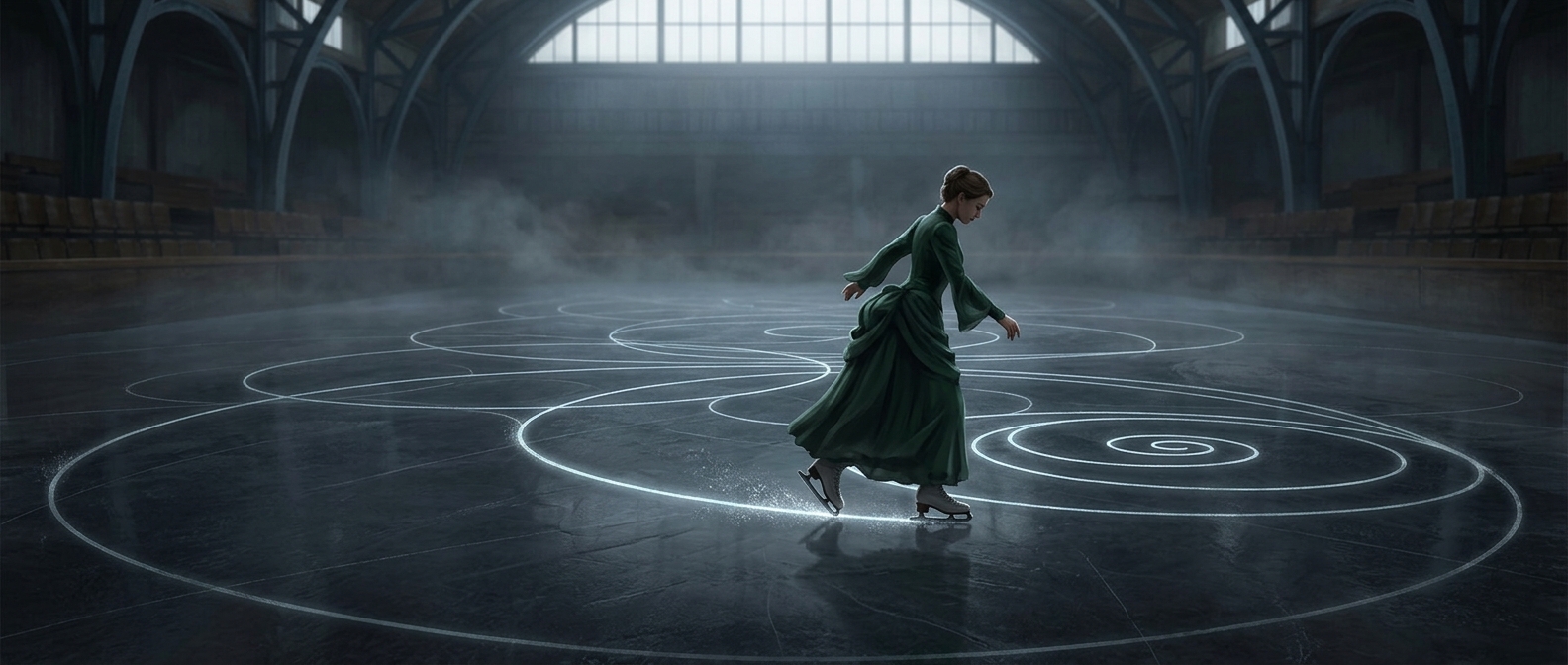
Figure skating began with tracing patterns on ice
Early figure skating focused on tracing precise figure-eight patterns in the ice, which judges scrutinized for geometric accuracy—not jumps or spins.
Discover more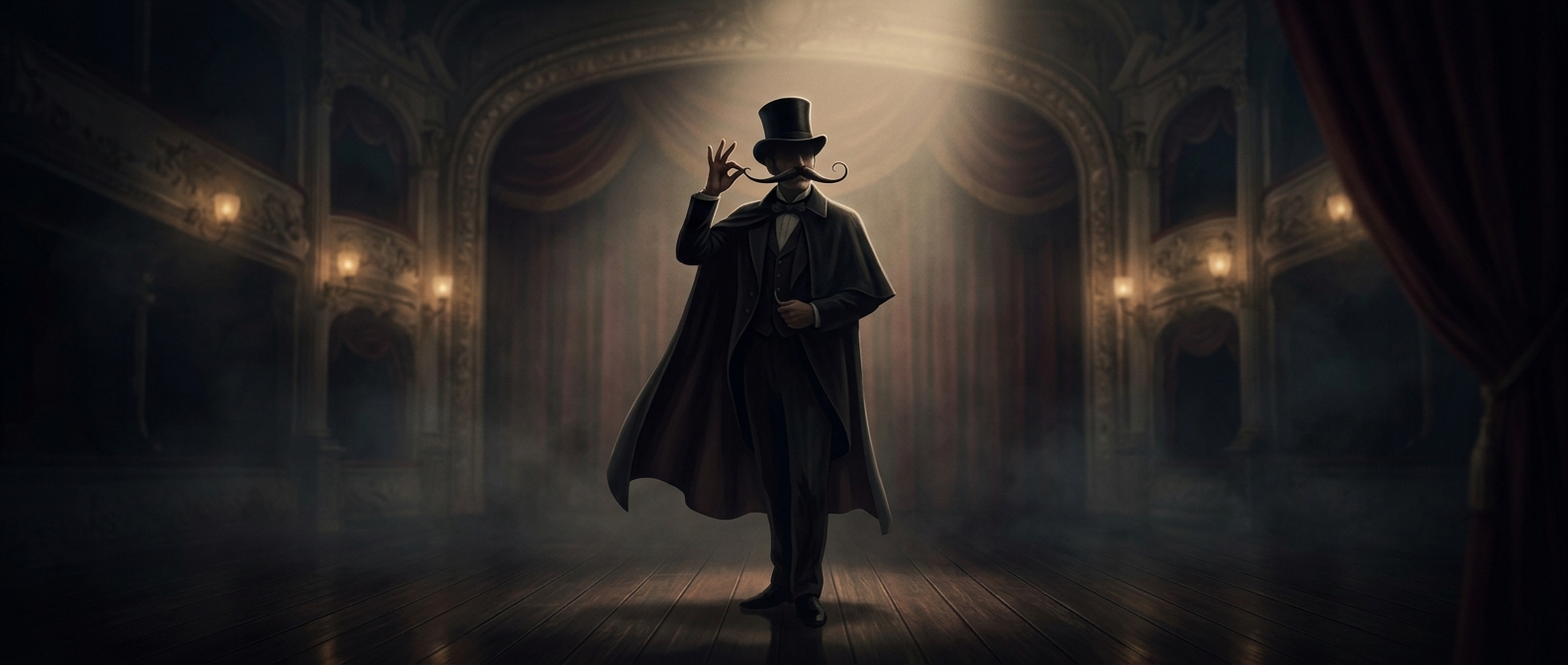
Why melodrama villains twirled their mustaches
Onstage, the curled mustache was visual shorthand: audiences could spot the villain before he had to explain himself. In melodrama, even facial hair had a job…
Discover more
Why a clue was once a ball of yarn
In the Greek myth, Ariadne gave Theseus a ball of thread to trace his way back out of the Labyrinth. That ball was called a “clew,” an old word for yarn; over…
Discover more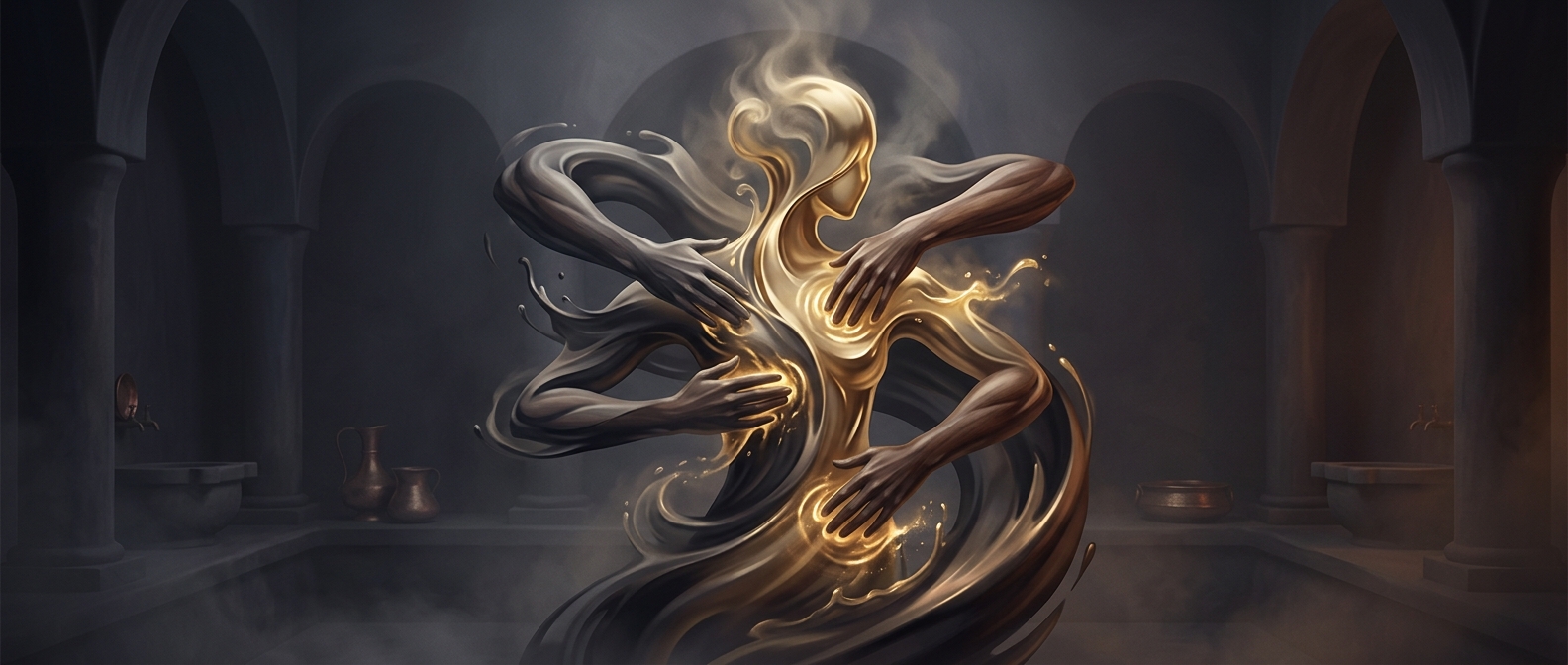
Shampoo once meant a full-body massage
The word originally referred to kneading and pressing the body to relieve pain; its meaning later shifted to washing hair.
Discover more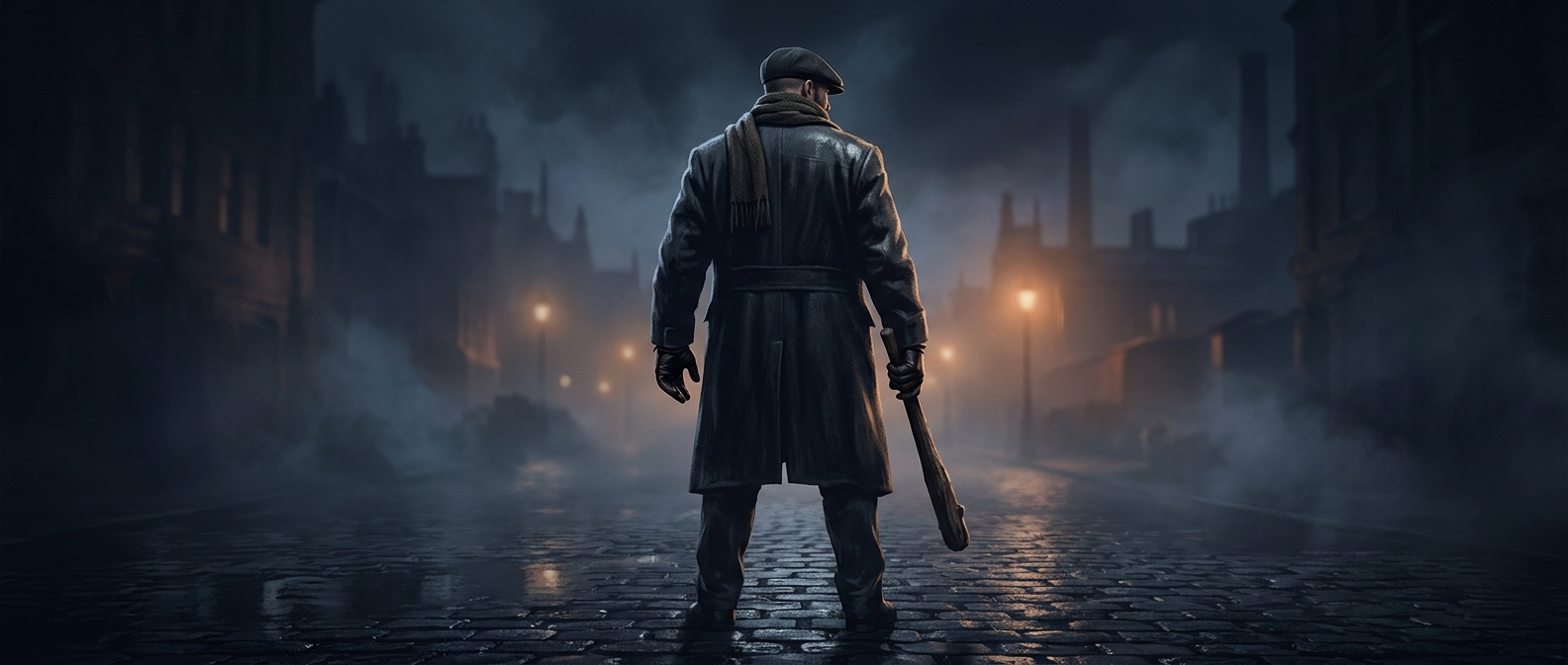
When “bimbo” meant a brutish man
Before it became an insult aimed at foolish women, “bimbo” described a brutish, intimidating man who relied on muscle over brains.
Discover more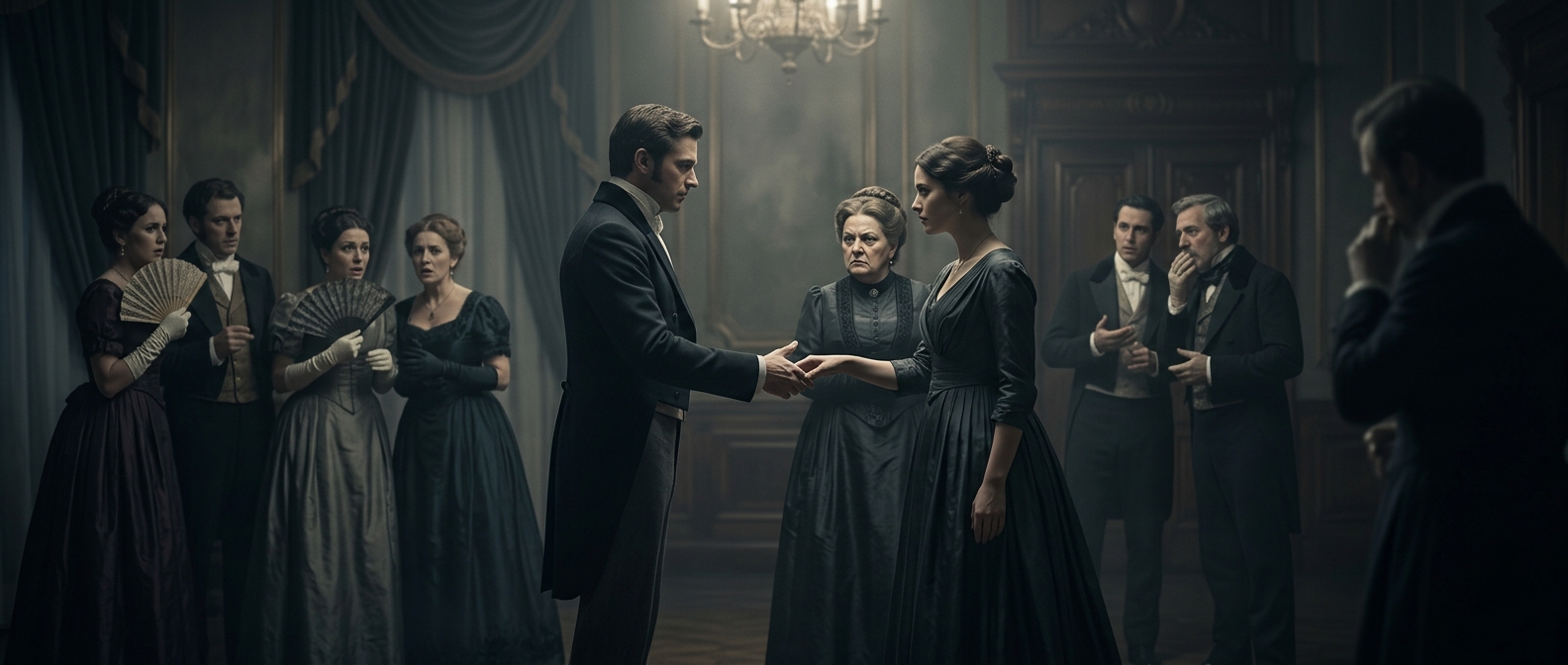
A handshake isn't a universal hello
A greeting that feels friendly in one setting can feel overly familiar in another. Bows, curtsies, and handshakes signal different expectations about touch,…
Discover more
Nineteenth-century gentlemen wore detachable collars
The stiff collars could be removed and washed or swapped out, while the shirt stayed in service. The collar took the grime; the shirt got another day.
Discover more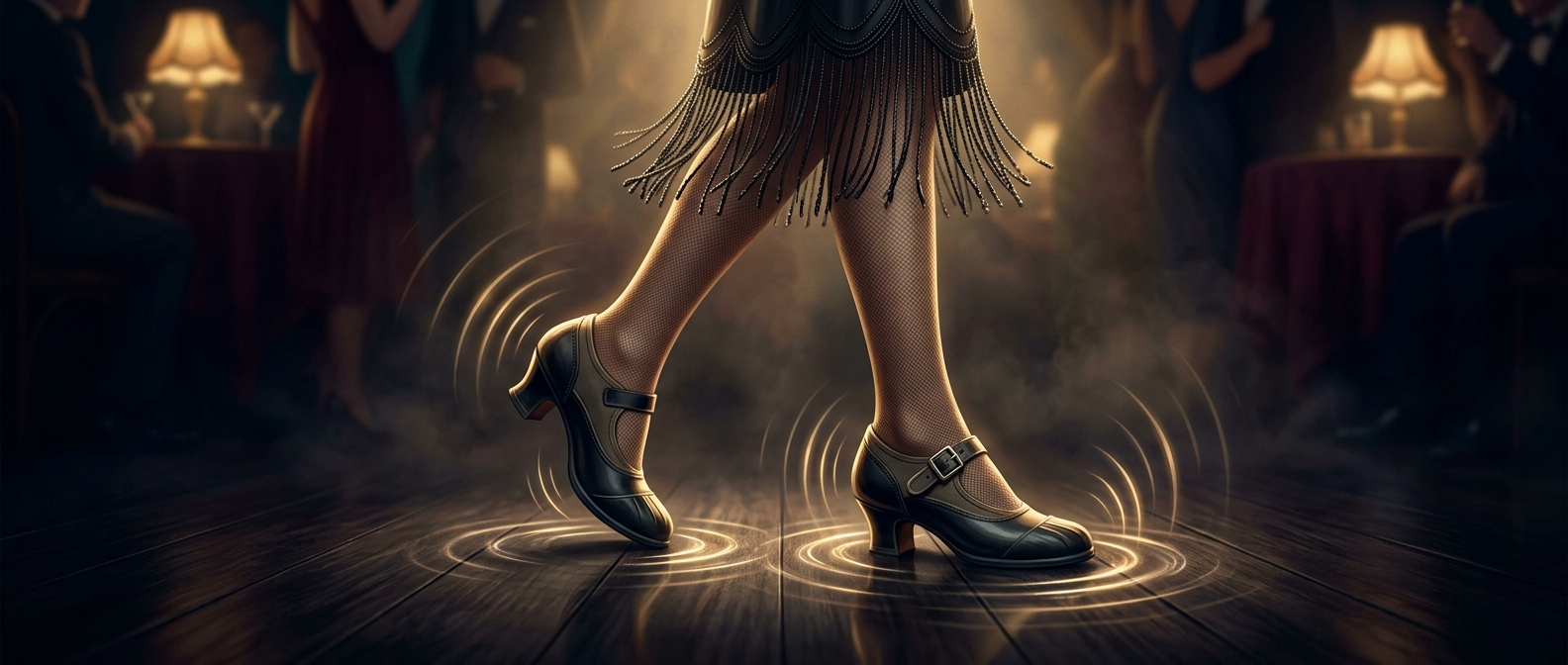
Flappers made even an unbuckled overshoe part of the look
Loose galoshes could flap around as their wearers walked, becoming one of the period's recognizable details. The style fit a wider rejection of tightly…
Discover more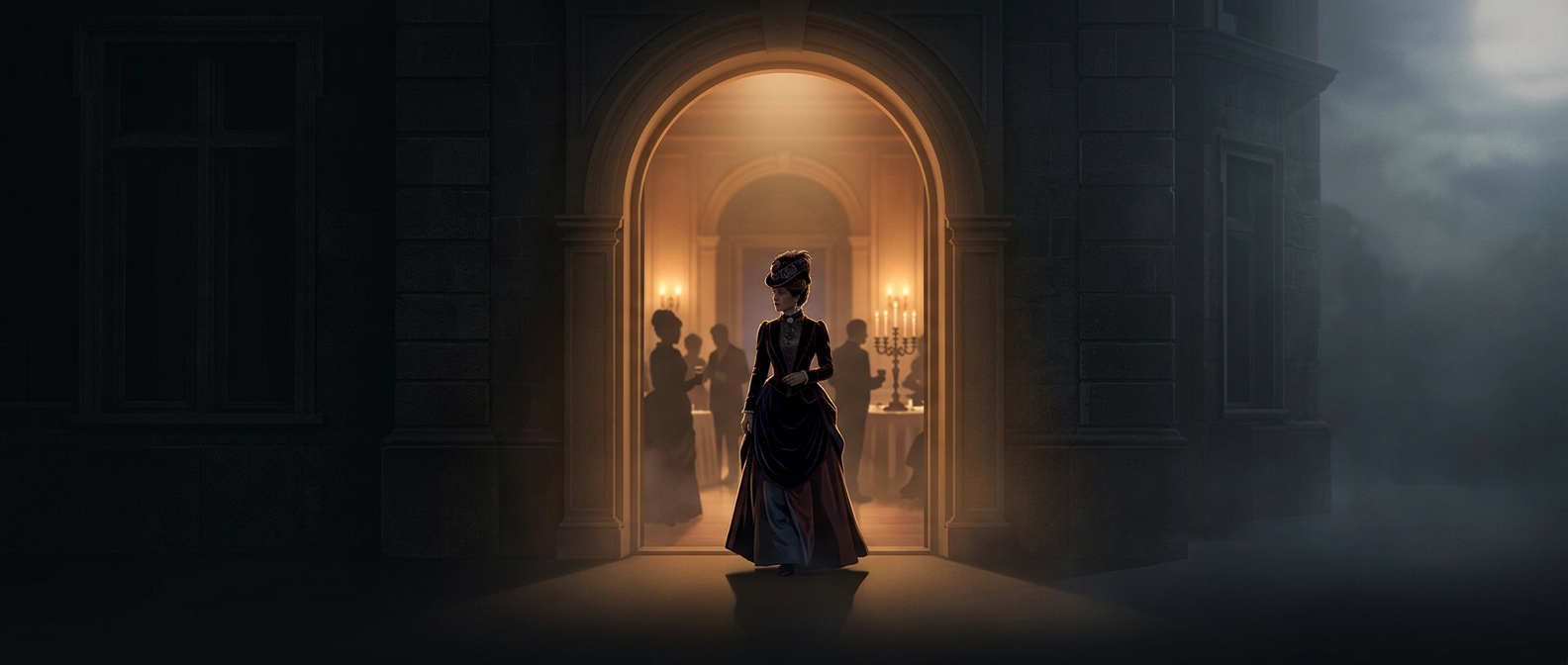
When arriving hours late was fashionable
At elite gatherings, arriving hours late turned the schedule into a stage: guests got a dramatic entrance, while their hosts were left waiting. The guest got…
Discover more
When awful was actually a compliment
“Awful” once meant inspiring awe—something majestic or impressive. Over time, its meaning shifted to “very bad.”
Discover more