History
Discover facts about history. Small discoveries that change the way you see familiar things.
History
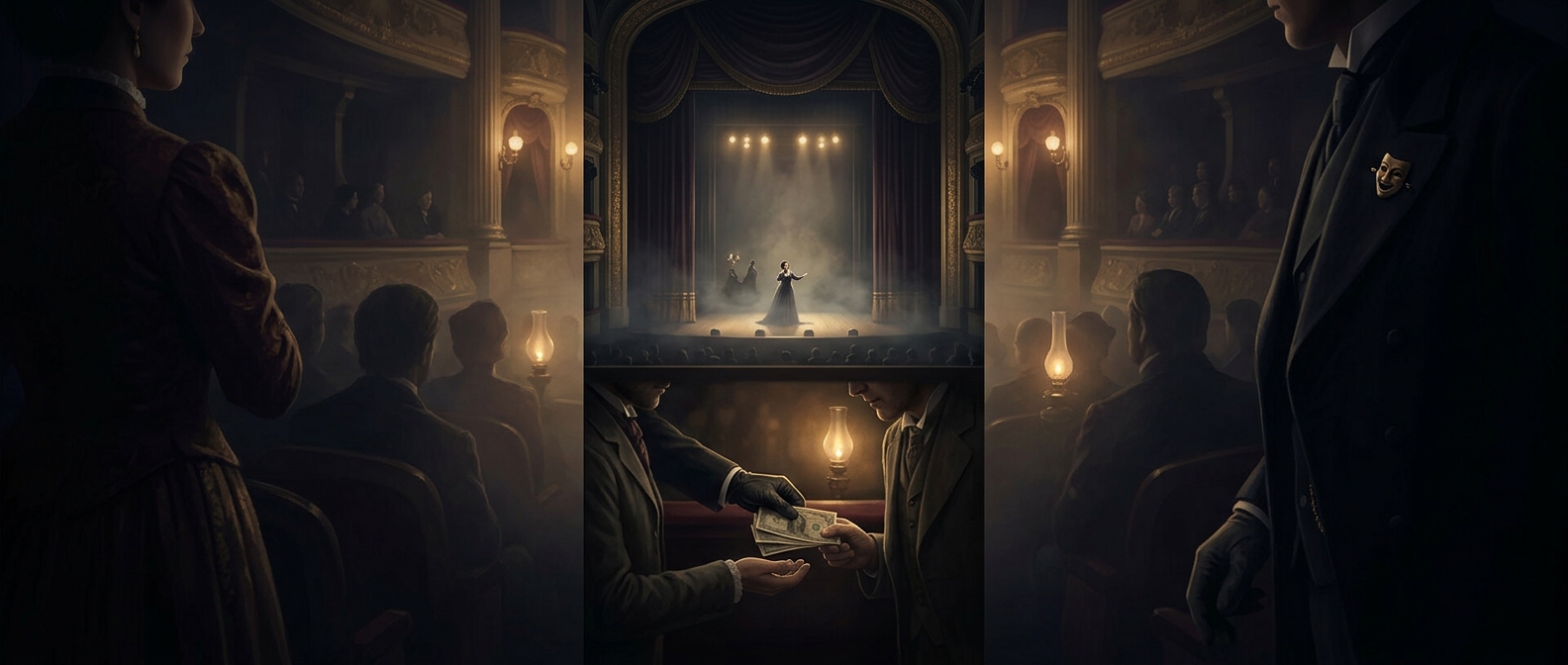
Theaters once hired people to fake applause
To make a show seem popular, theaters paid claquers to clap, laugh, or even weep on cue. Before canned laugh tracks, they hired the audience reaction by the…
Discover more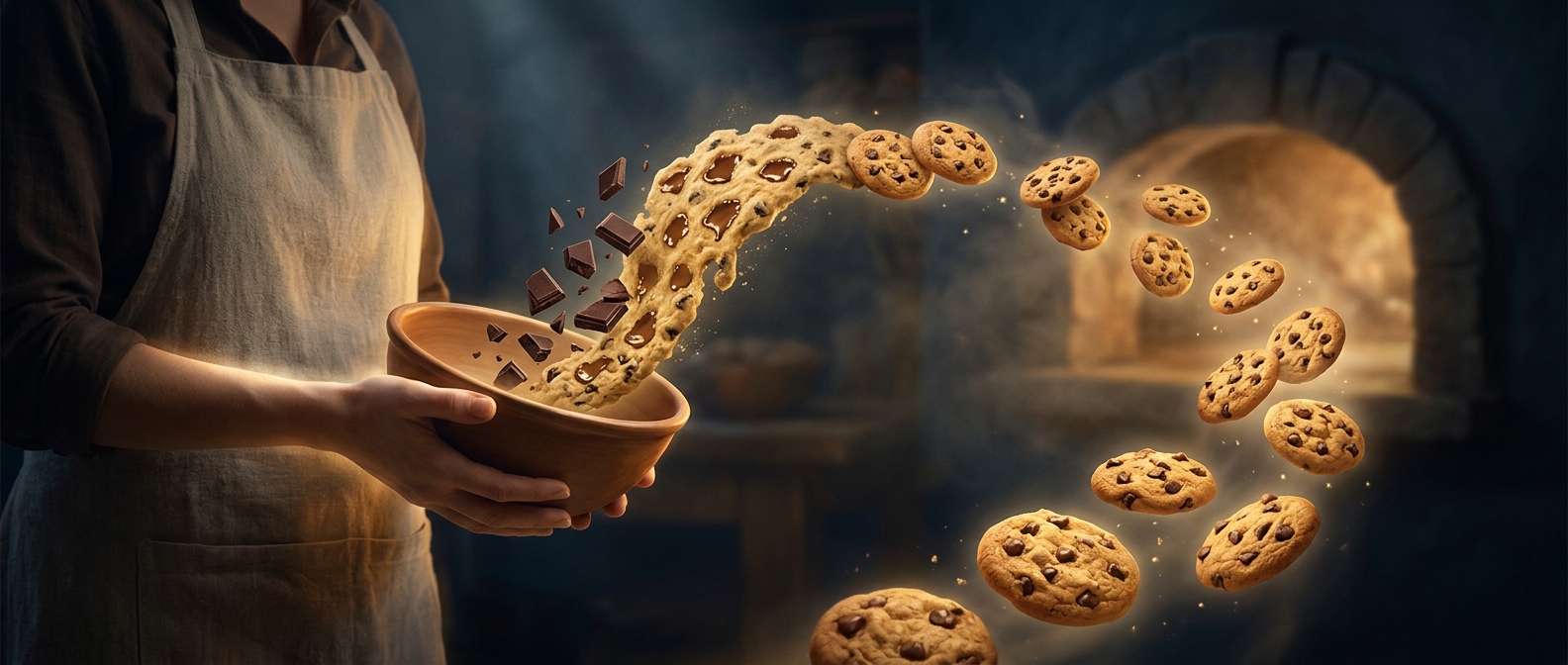
Chocolate-chip cookies came before ready-made chocolate chips
Ruth Wakefield's recipe used chopped chocolate at a time when bags of baking morsels weren't yet an ordinary supermarket product. Published in 1938, the…
Discover more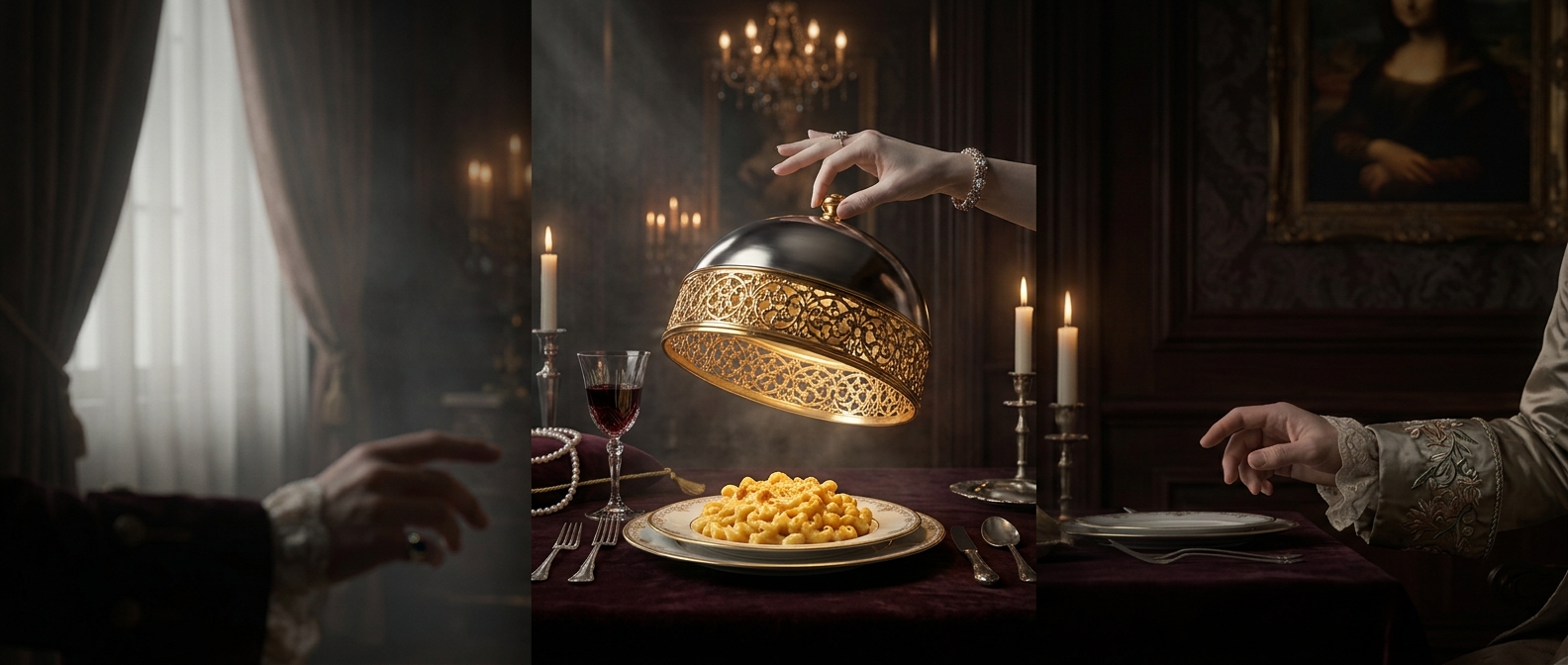
When macaroni and cheese was luxury food
Imported Italian pasta and expensive cheese made macaroni and cheese a dish for elite dinners, not the quick pantry meal it would later become.
Discover more
LEGO means “play well” in Danish
The name comes from the Danish words “leg godt,” meaning “play well”—a cheerful motto for a toy that’s notorious for hurting bare feet.
Discover more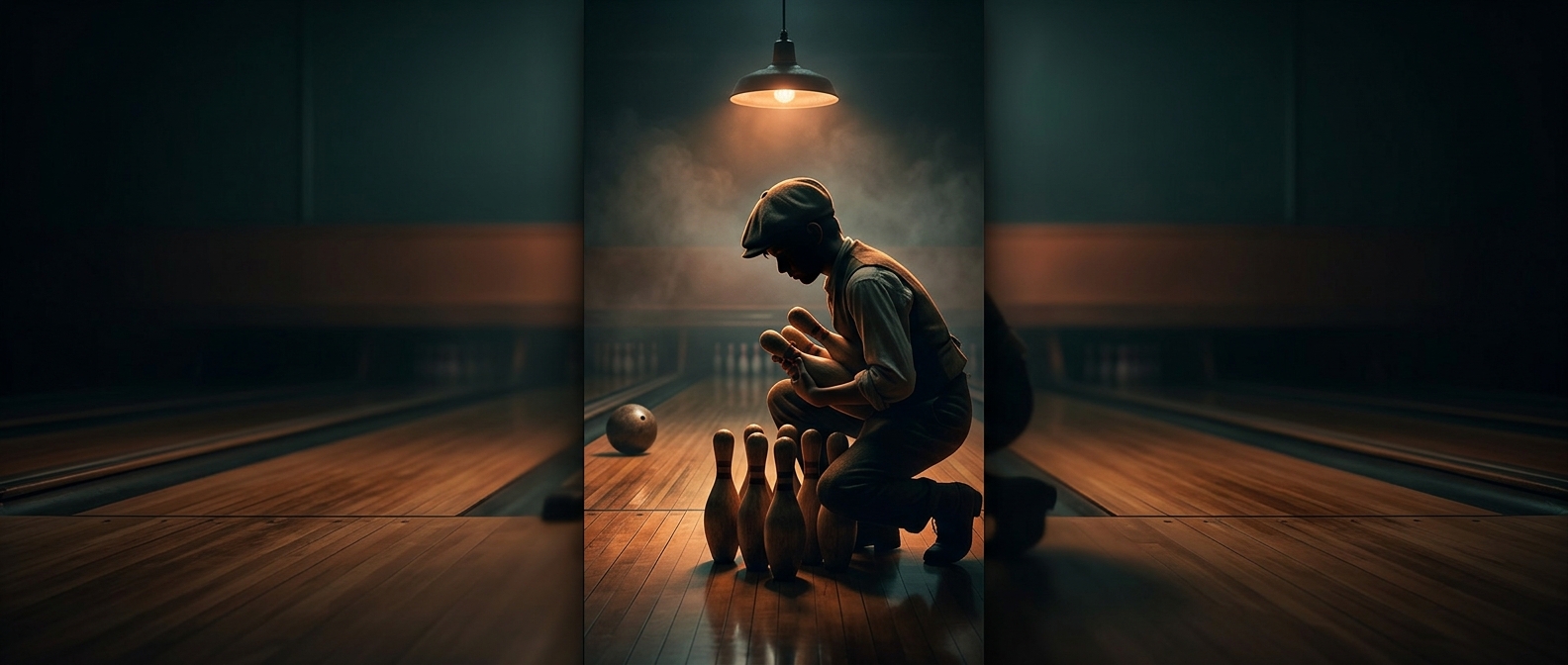
Early bowling alleys employed teenagers as pinsetters
Teenage boys reset the pins by hand for pennies, sitting at the far end of the lane as bowling balls came rolling toward them. The job made the alley’s…
Discover more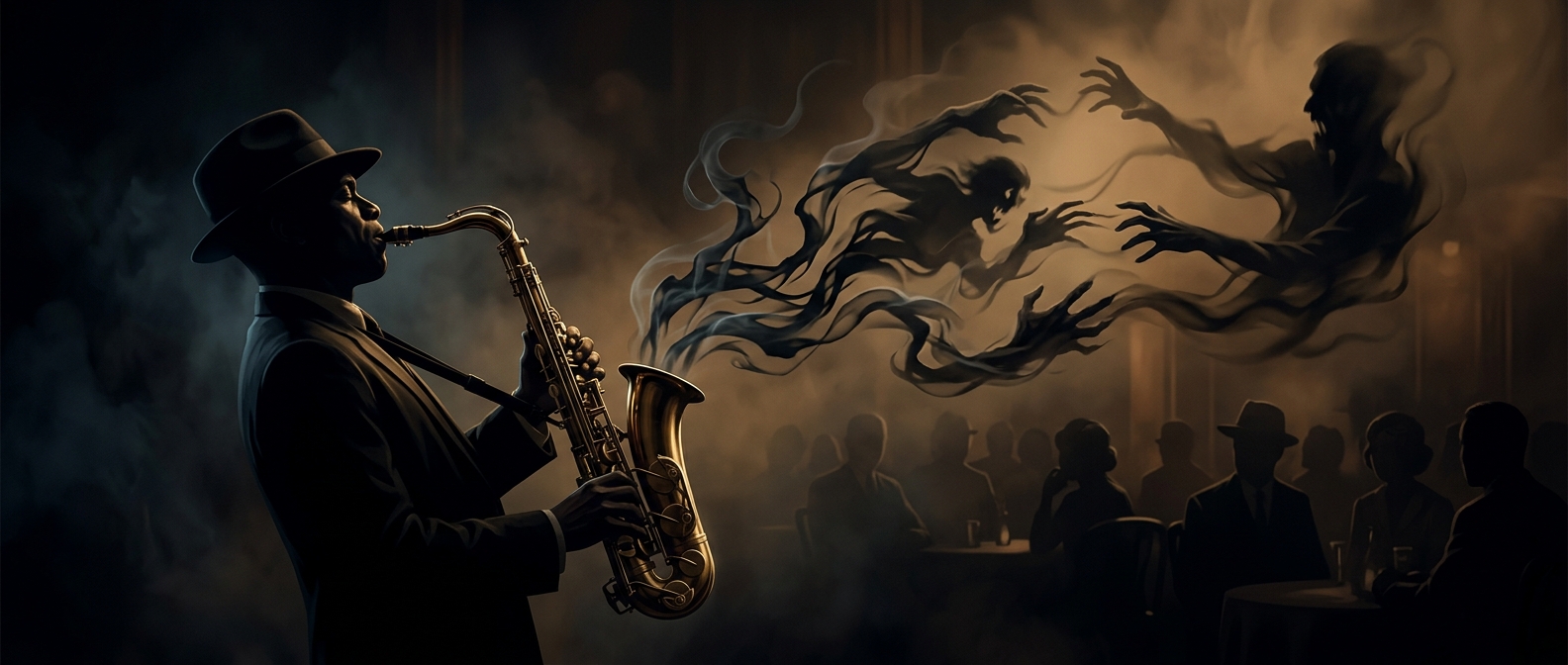
Critics once called jazz a threat to your health
Jazz’s syncopated rhythms and new social scene gave critics two targets at once. Some dressed their discomfort up as medical concern, claiming the music could…
Discover more STACKY FOR IPHONE
A bigger world.
One discovery
at a time.
Keep discovering with Stacky. Interesting facts in an app that is always within reach.

Many American accents kept an R that some British accents dropped
Pronouncing the R in words such as “car” was common in earlier English. Many American varieties retained it, while non-rhotic pronunciation became prestigious…
Discover more
The French pastry that began in Austria
The croissant evolved from Austria’s kipferl and became a Parisian staple after an Austrian artillery officer opened a bakery there in the nineteenth century.
Discover more
Why coffeehouses were called penny universities
For a penny, patrons could linger over bitter coffee and argue about philosophy or politics for hours.
Discover more
A cake helped popularize the gender-reveal party
Jenna Karvunidis's widely shared 2008 celebration used colored cake filling to reveal her baby's sex. The idea made a private announcement into a moment…
Discover more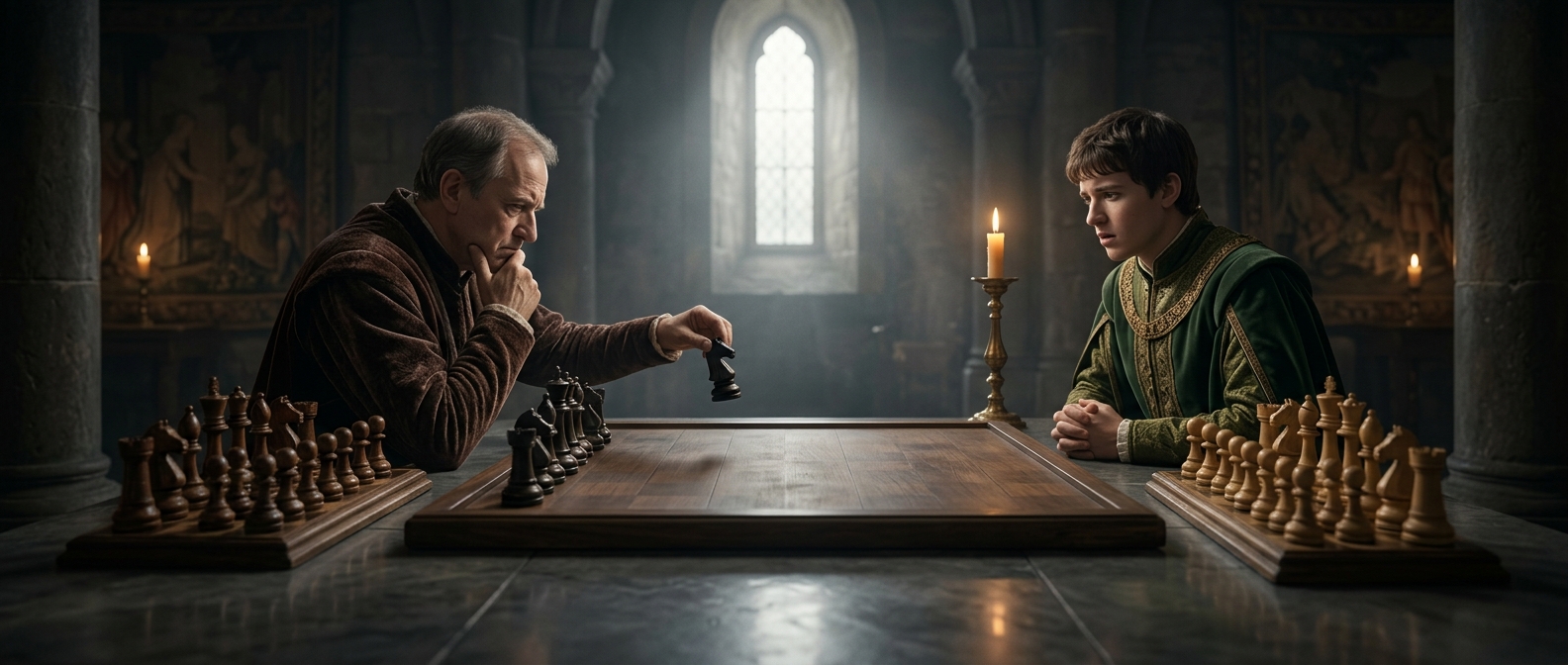
Chessboards once had no black squares
Early boards used one color throughout, which made diagonal moves harder to track. Alternating light and dark squares gave players a visual guide to the board.
Discover more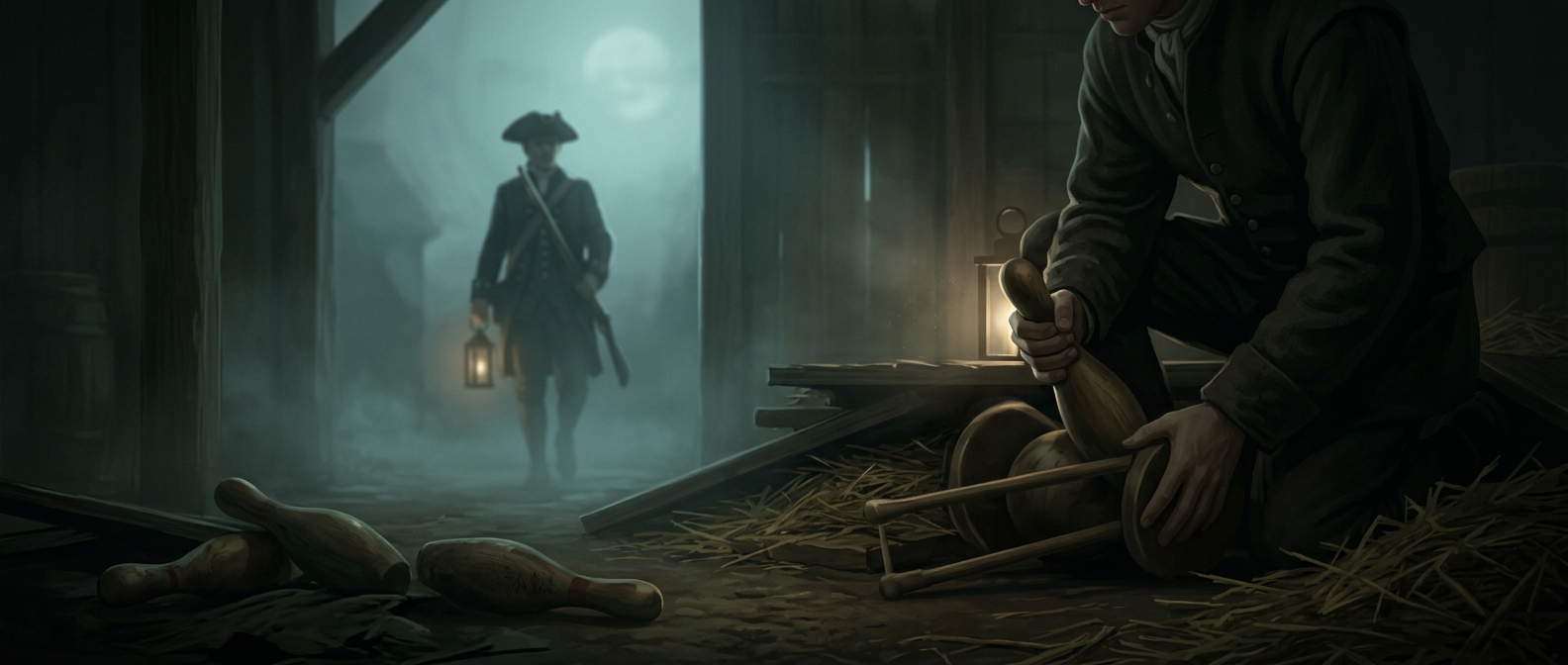
Bowling alleys once needed people to stand the pins back up
Before automatic pinsetters, workers collected and reset pins between throws. Production machines introduced in the early 1950s took over that repetitive job…
Discover more
The Mother’s Day founder was arrested protesting it
Anna Jarvis wanted Mother’s Day to be a personal tribute, not a gift-buying holiday. When businesses commercialized it, she fought back so fiercely that she…
Discover more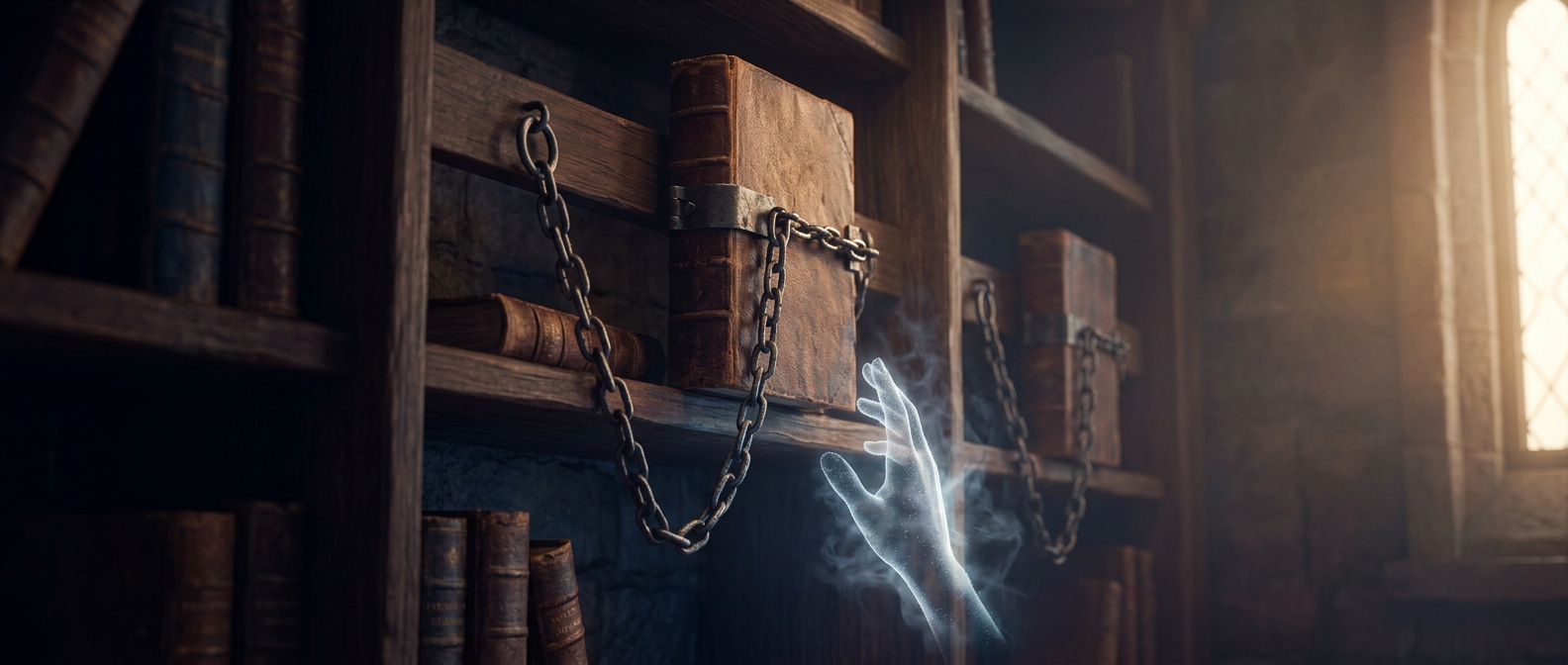
Libraries once chained books to shelves
When books were rare and expensive to make, libraries chained them to desks so readers could consult them without carrying them away. Access came with one…
Discover more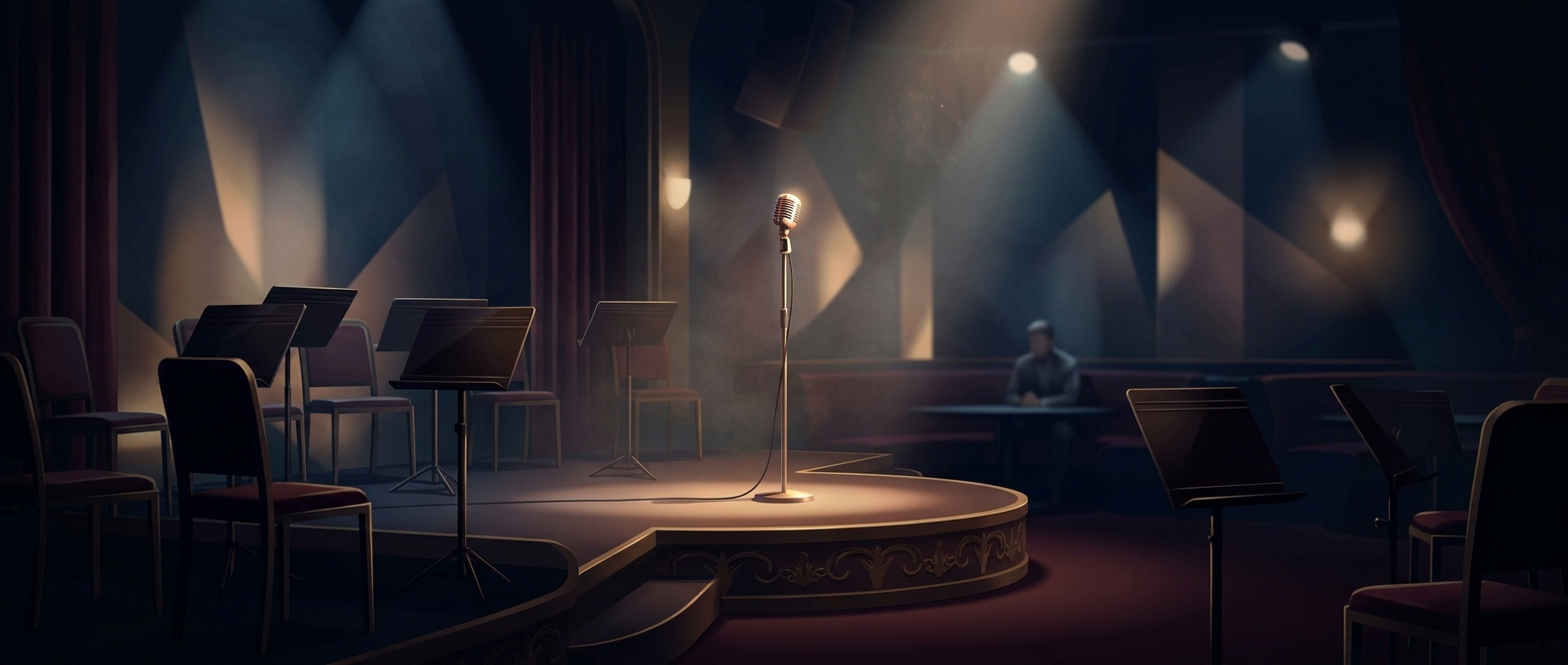
Karaoke is an 'empty orchestra' waiting for your voice
The Japanese name joins words for “empty” and “orchestra”: the music is there, but the lead singer is missing. That part is left open for whoever grabs the mic.
Discover more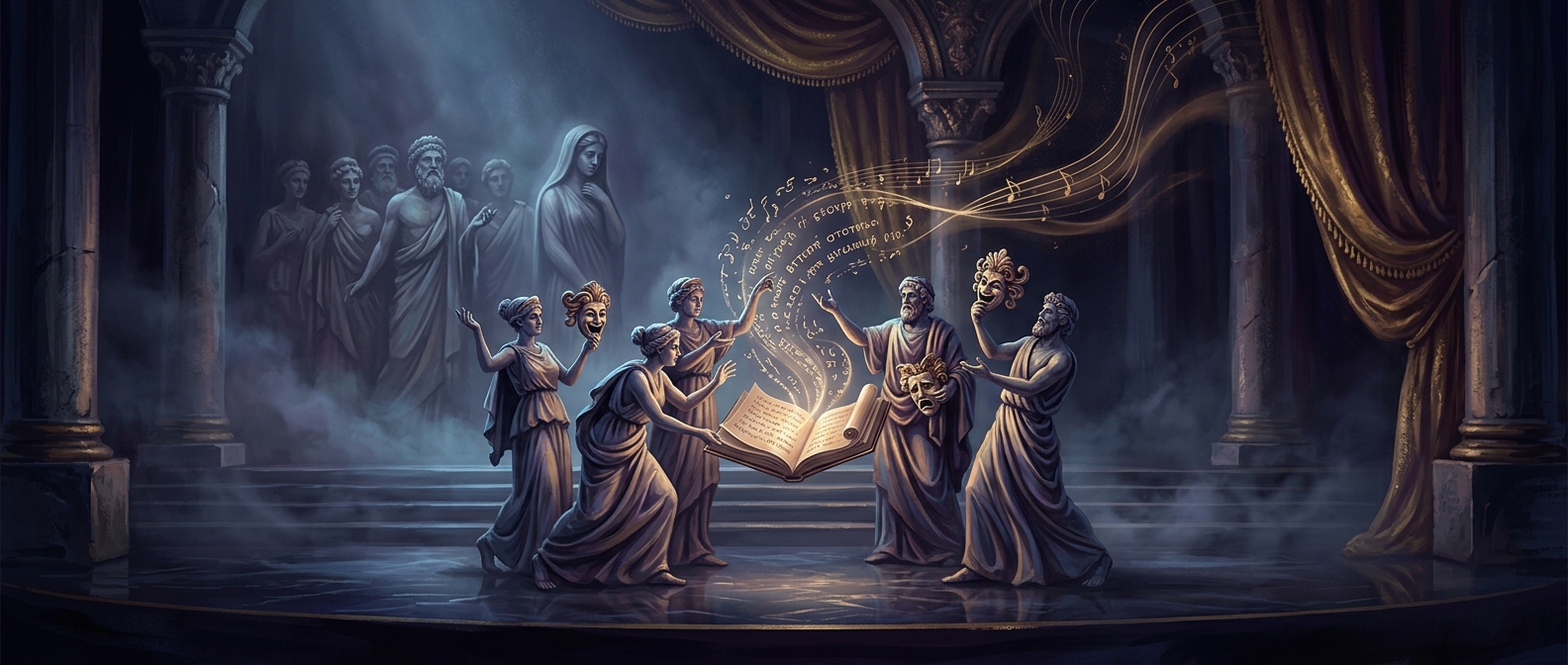
Opera began as an attempt to bring ancient drama back
Around 1600, Florence's Camerata explored how music and speech could work together as they believed they had on the Greek stage. They developed recitative:…
Discover more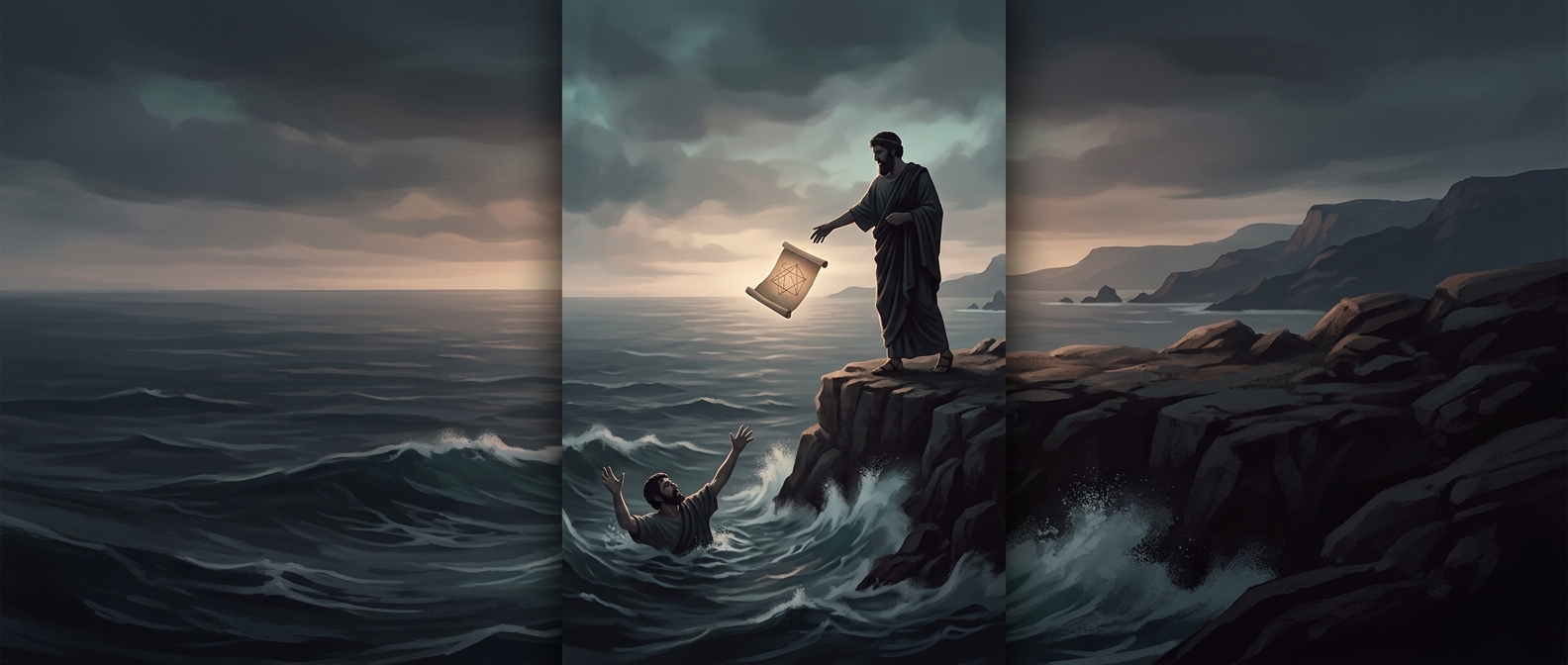
An irrational number became the center of a drowning legend
Later stories say Hippasus revealed a number that could not be written as a ratio of whole numbers and was drowned for exposing the secret. The accounts vary,…
Discover more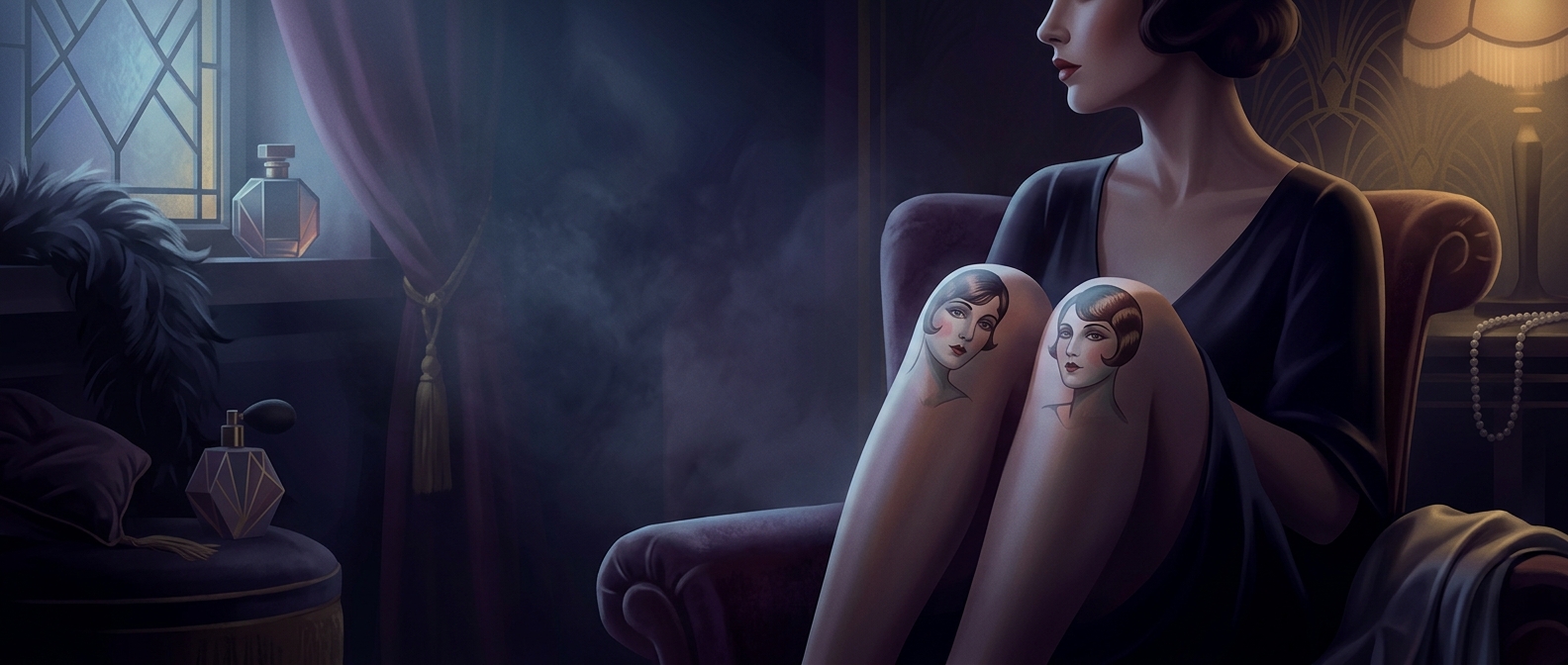
When flappers painted pictures on their knees
Some flappers painted watercolors on their exposed knees, turning a part of the body that scandalized observers into a canvas. The rebellion came with its own…
Discover more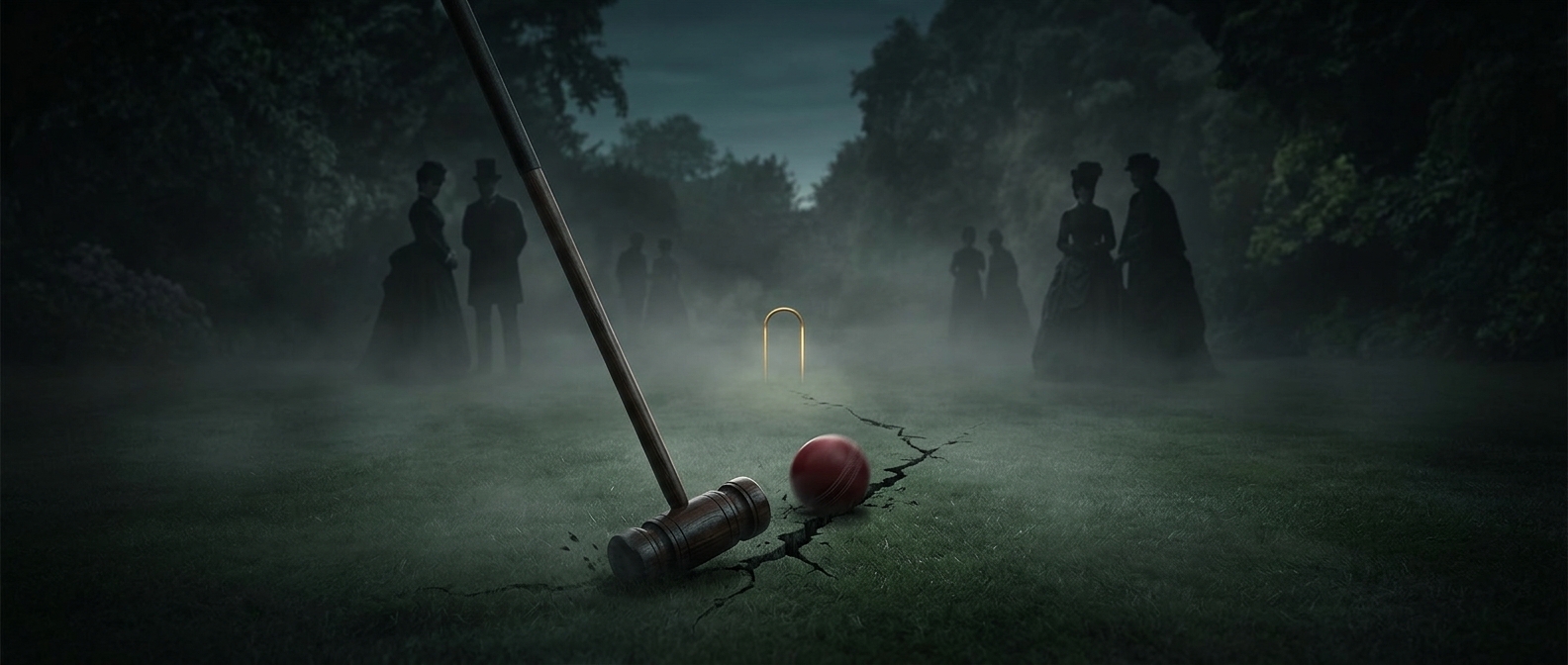
Victorian croquet gave flirting a respectable excuse
Men and women could share a lawn and a socially acceptable game, with pauses that left time to talk. Period writing explicitly linked croquet with courtship.…
Discover more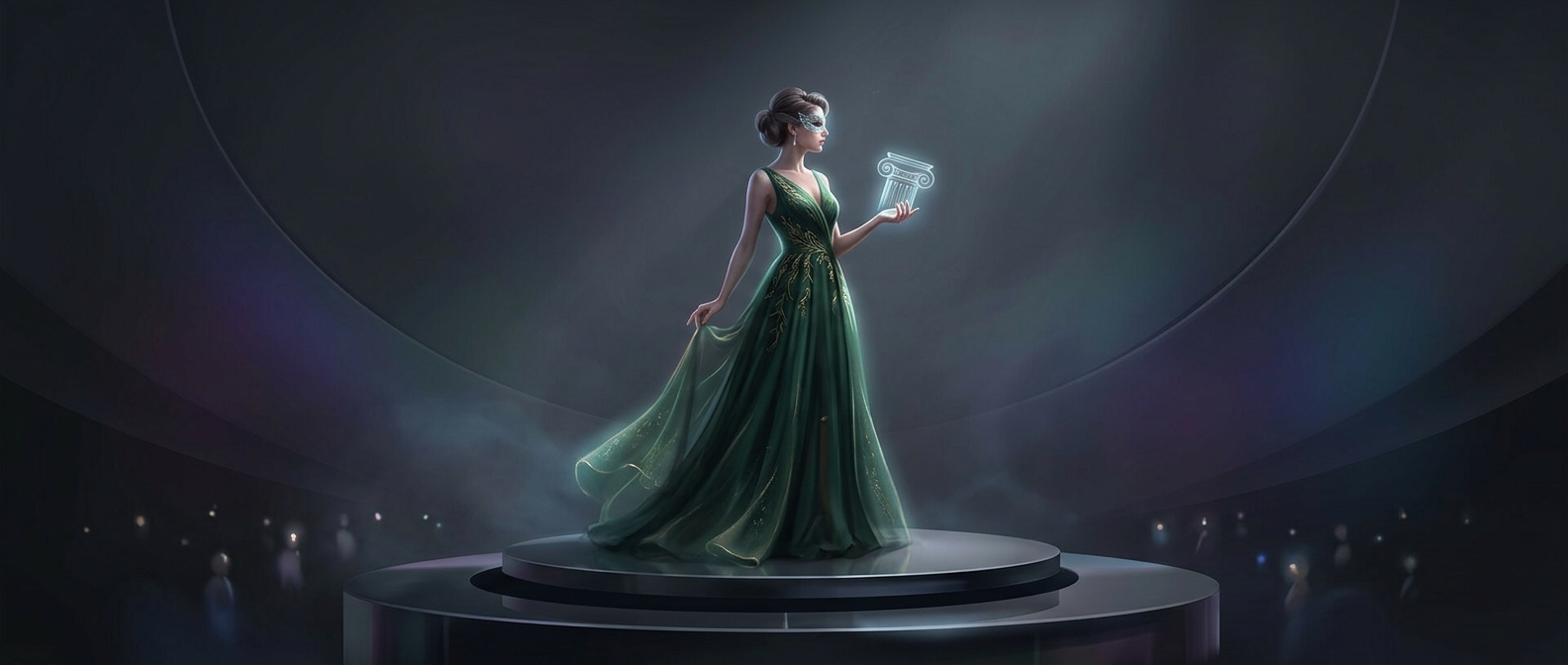
Stage actors wore glamorous contemporary fashion
Even in plays set centuries earlier, actors often wore fashionable clothes from their own era rather than period costumes.
Discover more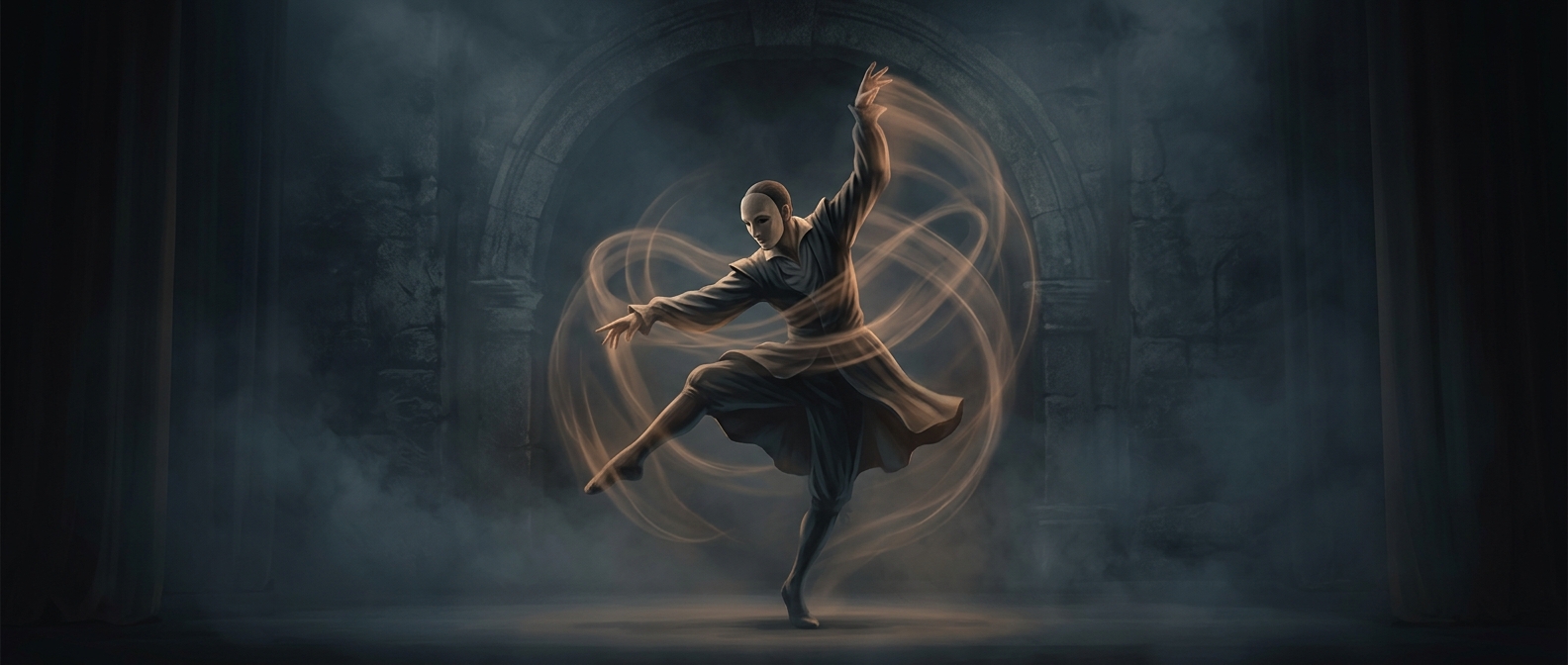
Early pantomime relied strictly on flailing limbs
Rotating eccentric weights make the steel drum vibrate rapidly, compacting fresh asphalt and the soil beneath it.
Discover more
Pink and blue once came with conflicting instructions
A 1927 survey of American department stores found some recommending pink for boys and others the reverse. Earlier advice also linked colors to hair or eye…
Discover more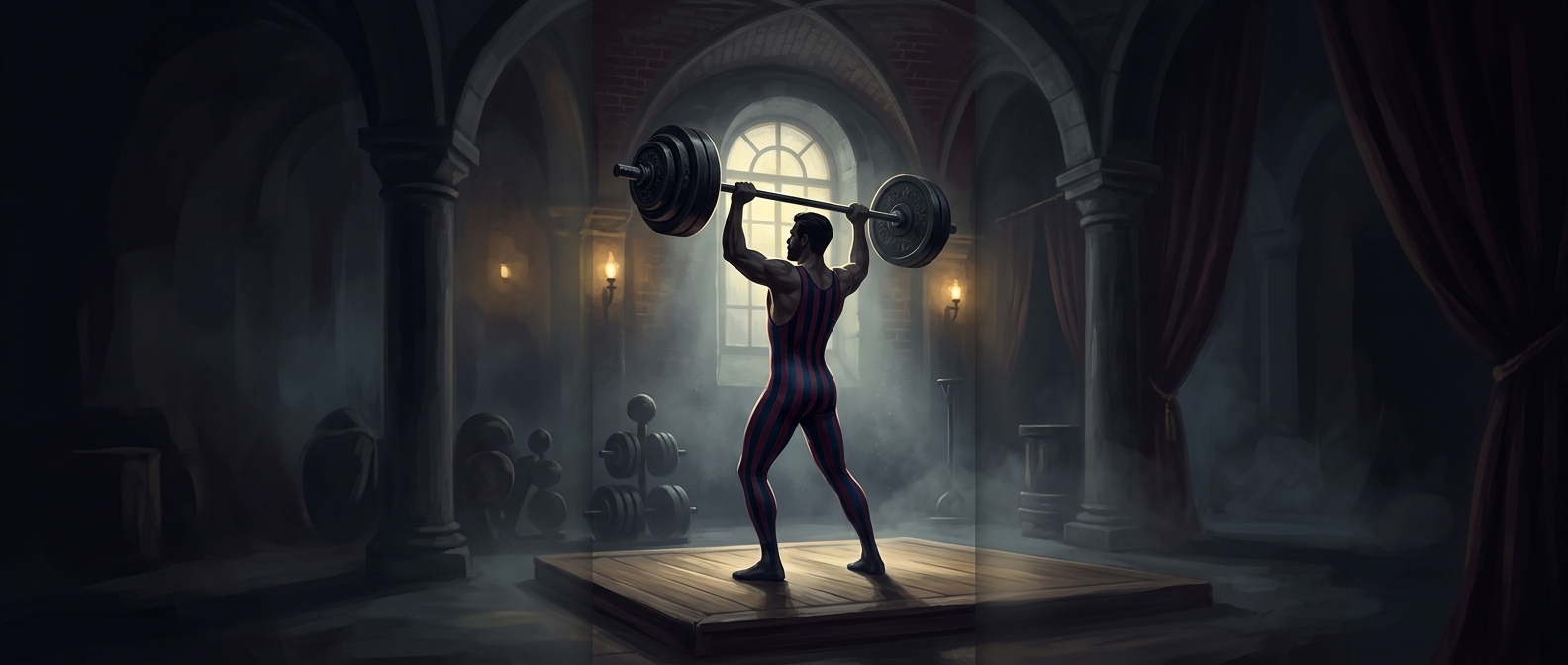
Strongmen sold an image as well as a feat of strength
Leopard-print costumes, sandals, and posed photographs became part of the physical-culture spectacle popularized by figures such as Eugen Sandow. Showing the…
Discover more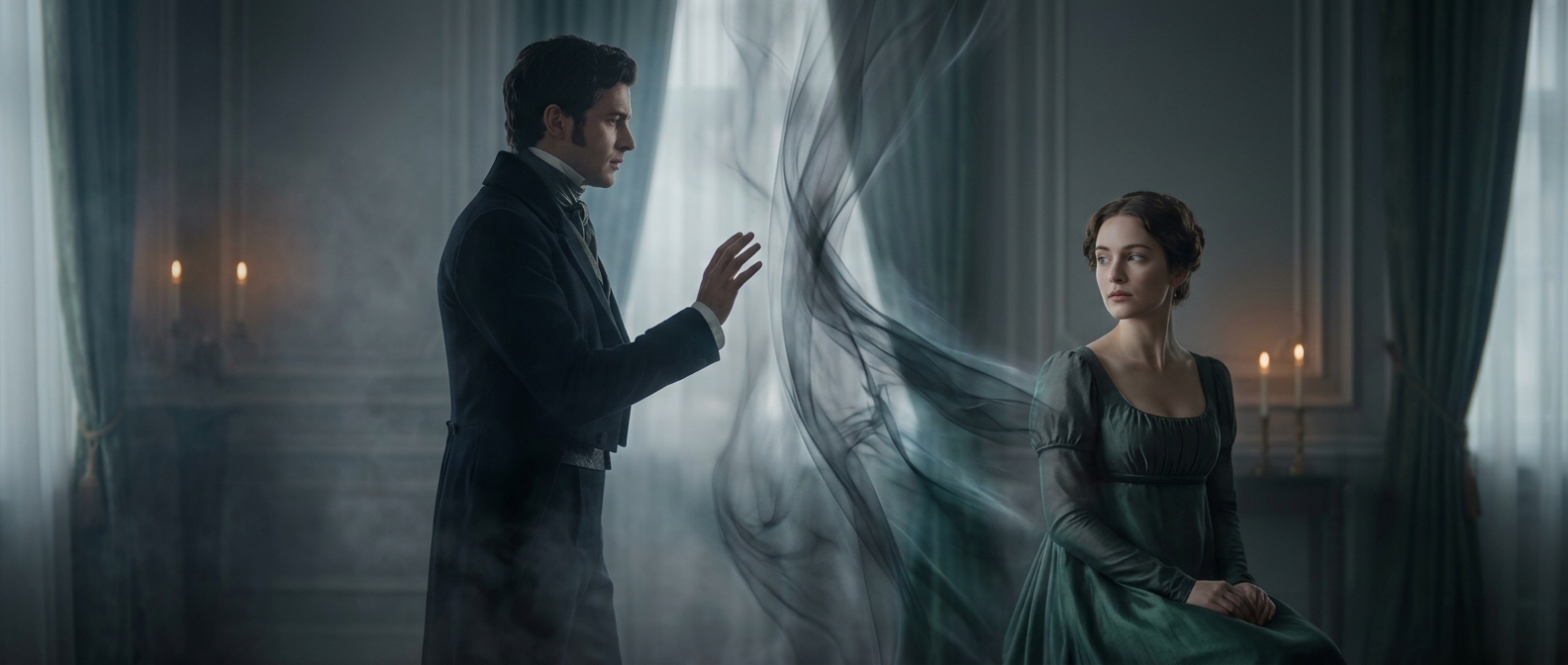
When gentlemen had to wait for women to speak first
The rule made an introduction a small test of manners: until a woman acknowledged him, a gentleman was expected to hold back. In some etiquette codes, even…
Discover more