How a paid audience shaped the room
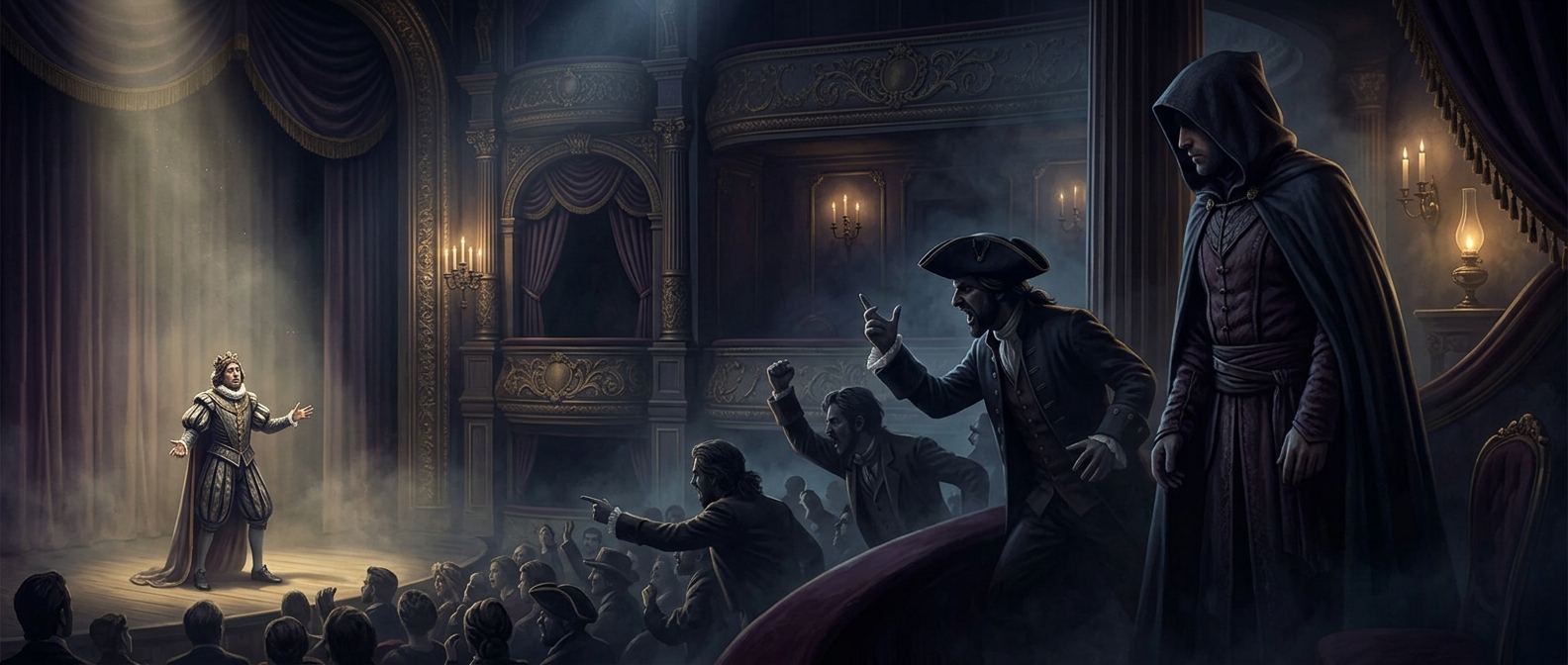
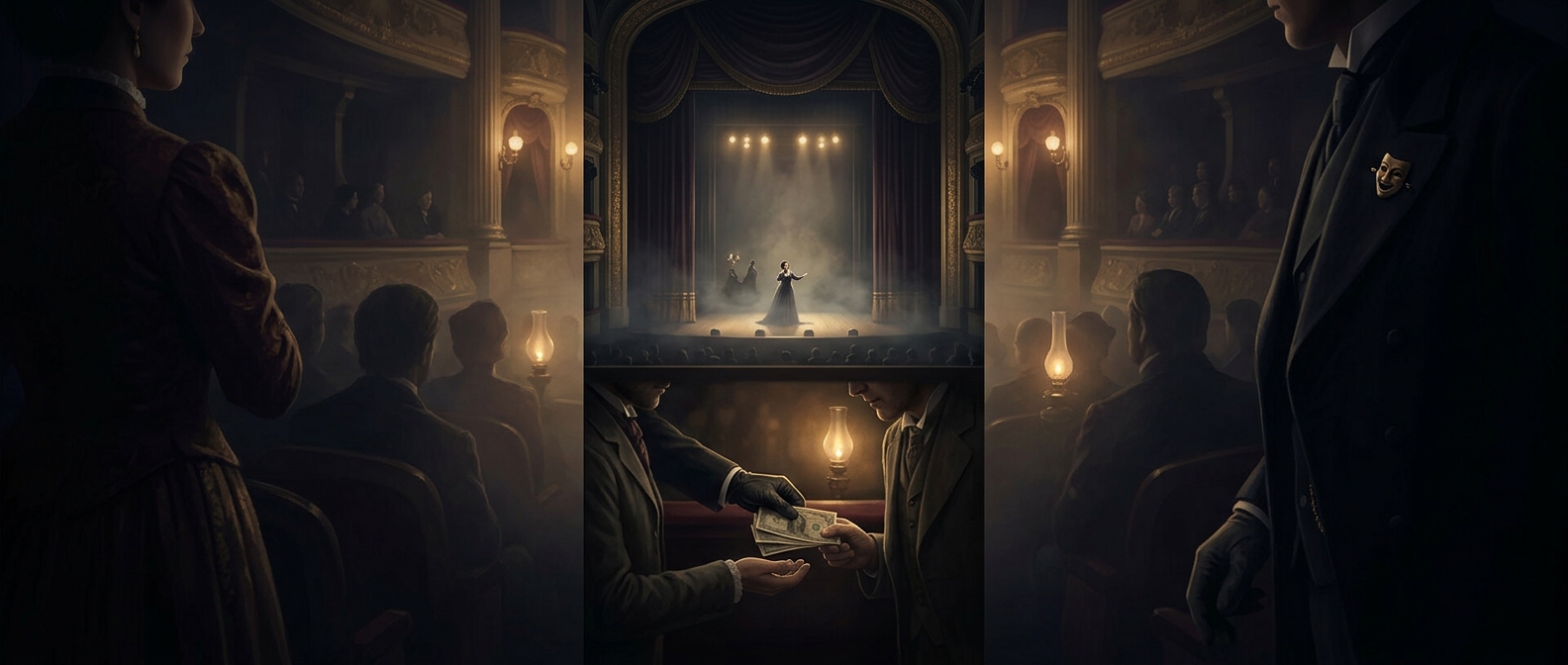
A claque was a group hired to react during a performance. Its members—claquers—might applaud at a chosen moment, laugh at a joke, or show emotion during a dramatic scene. Rather than waiting to see how the whole house responded, a theater could arrange for a response to begin on cue.
The tactic worked because audiences listen to one another as well as to the stage. A burst of applause can signal that a scene deserves approval; laughter can tell people that a line is meant to be funny. Once a few reactions spread through the room, paying spectators might join in, turning a staged response into what sounded like a popular verdict.
More than noise
A claque could be organized around different kinds of reaction: some members applauded, while others supplied laughter or visible emotion. The aim was not simply to make a theater loud. A well-timed response could bolster a performer, smooth over a weak moment, or help create the impression that a production was succeeding.
That impression mattered in a live theater, where there was no recorded laugh track to replay for each audience. Each performance produced its own public signal: the people in the room seemed to be judging the show in real time. A paid reaction could nudge that judgment—and, in turn, affect how the next spectators approached the performance.
The claque’s influence depended on the rest of the audience accepting the cue. If the response felt forced, it could expose the theater’s attempt to manufacture enthusiasm. But when it blended into the room, a handful of hired voices could help make popularity sound spontaneous.