The experiment that turned poetry into music
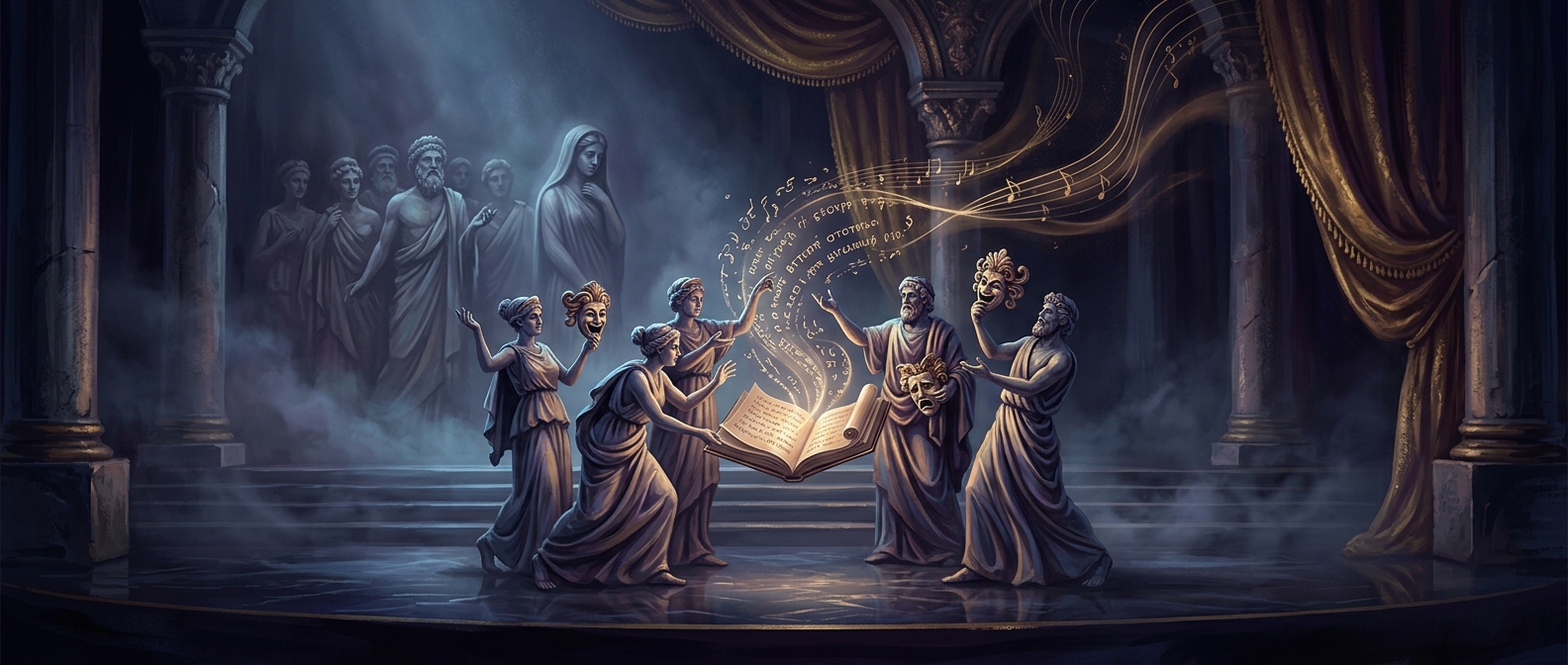
In late-16th-century Florence, a circle of writers, musicians, and scholars known as the Florentine Camerata tried to recover what they believed was the power of ancient Greek tragedy. They had good reason to think music mattered: Greek accounts described singing and musical performance. But they lacked the music itself, and their picture of how an entire play had been performed was largely conjecture.
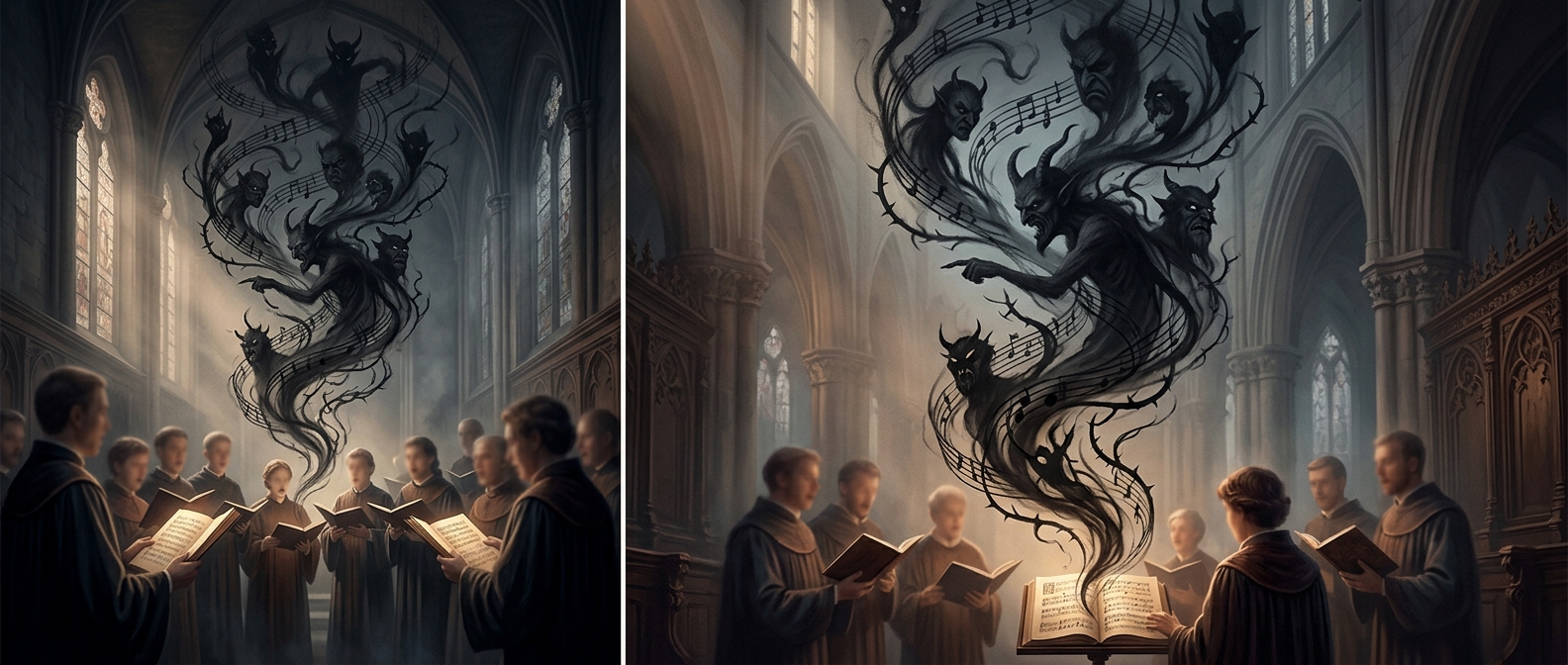
The Camerata’s practical problem was how to make words carry clearly. In much Renaissance church and court music, several melodic lines moved at once, sometimes making a text hard to follow. The group favored a simpler approach: one singer delivered the words over a spare instrumental accompaniment.
From scholarly theory to a new stage form
That approach became recitative—singing shaped to resemble speech, with the tune following the pace and emphasis of the words. It let characters explain events, argue, and react without stopping the drama for a self-contained song. More lyrical passages could then provide contrast, giving composers room to make emotion bloom into melody.
Around 1600, Florentine composers and poets put the idea onstage in works based on classical subjects. Their attempts to imitate antiquity did not restore Greek drama as it had been performed. Instead, they established a new combination of music, poetry, and theater. The mistaken reconstruction was productive: by trying to make ancient drama audible again, these artists invented a form in which a story could unfold through song.