How an Old Tune Became New Material
For a working composer, a melody was not always a finished, untouchable object. It was material that could be reshaped. Handel or Bach might take music written for one occasion and fit it to another, changing the words, the vocal parts, the rhythm, or the accompaniment. The result could sound different because a melody’s character depends on what surrounds it—and on the text it is made to carry.
Reuse Was a Practical Skill
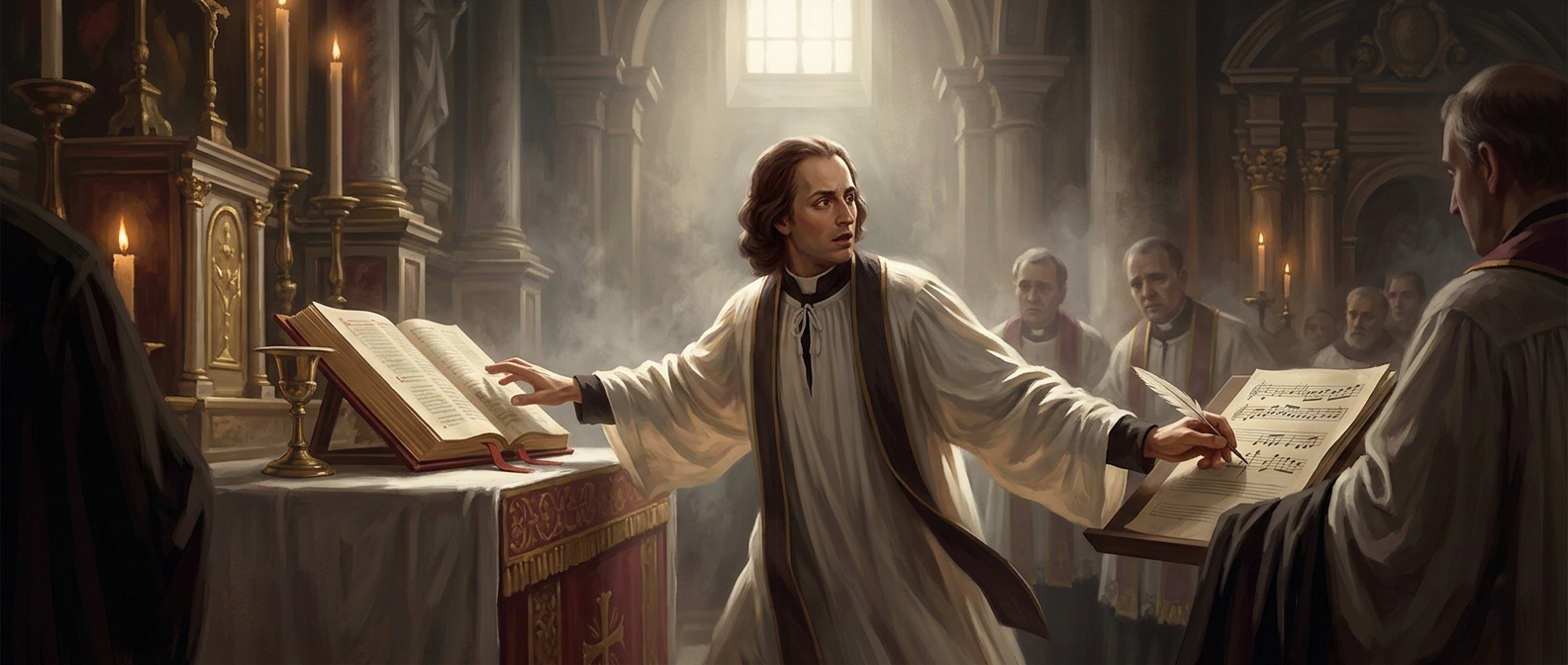
Composers of the period often worked under pressure to supply music for services, performances, and patrons. Reusing a passage already worked out on paper could save time, but it still demanded craft: syllables had to fit the notes, phrases had to make sense for the new singers, and the music had to serve its new dramatic or devotional purpose. A passage might be shortened, expanded, or moved into a different musical setting rather than copied unchanged.
Familiar Craft, Different Occasion
This practice is sometimes called self-borrowing: a composer drawing on his own earlier work. It blurs the modern idea that every composition must be wholly new, but it does not mean the music was merely recycled. A tune that once supported one text could acquire a different emphasis when paired with new words or placed in a new sequence. The old melody was a starting point; the new setting gave it another job—and sometimes a new meaning.