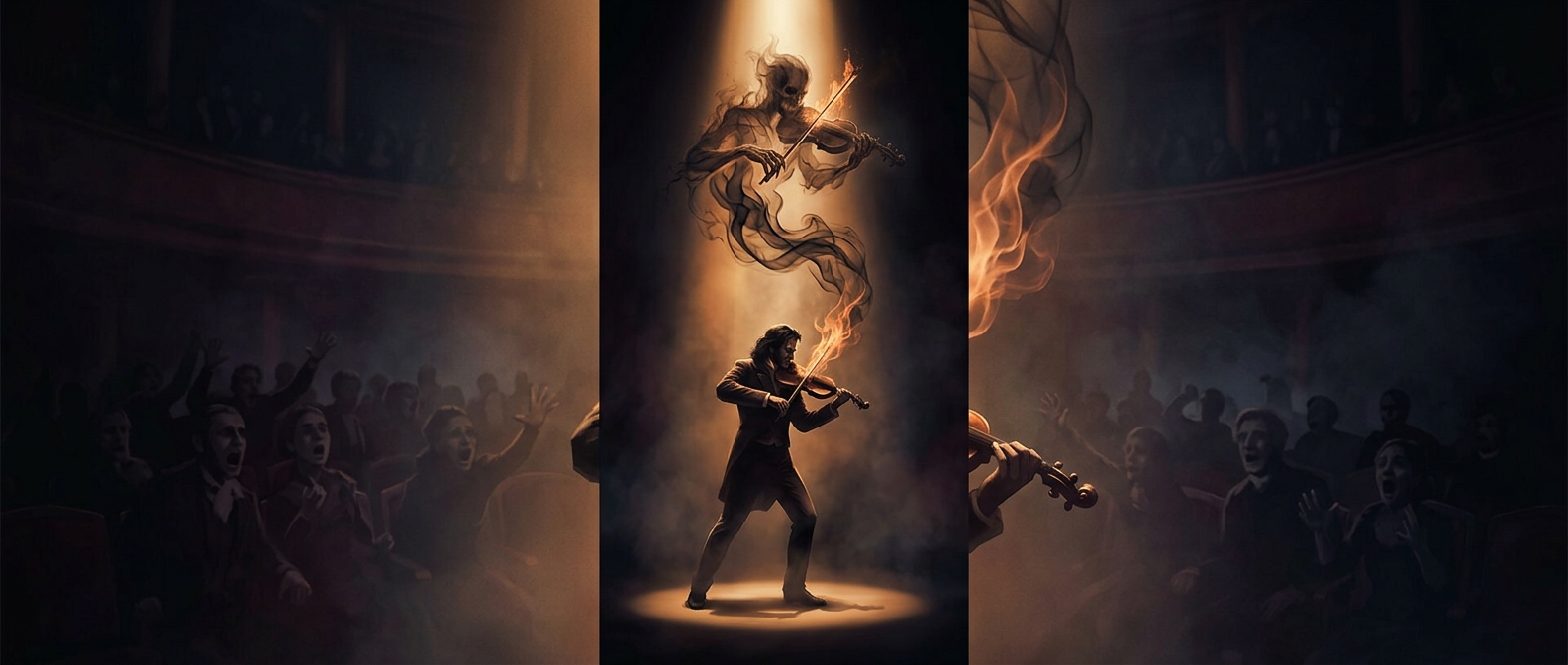
Virtuosity that seemed almost impossible
Niccolò Paganini’s violin playing became famous for effects that audiences rarely heard from a single performer: rapid runs, startling leaps between notes, and passages played on one string. To listeners accustomed to more restrained concert styles, such control could seem less like ordinary skill than something uncanny. The less people could see how he produced a sound, the easier it was to imagine an extraordinary explanation.
A stage persona fed the story
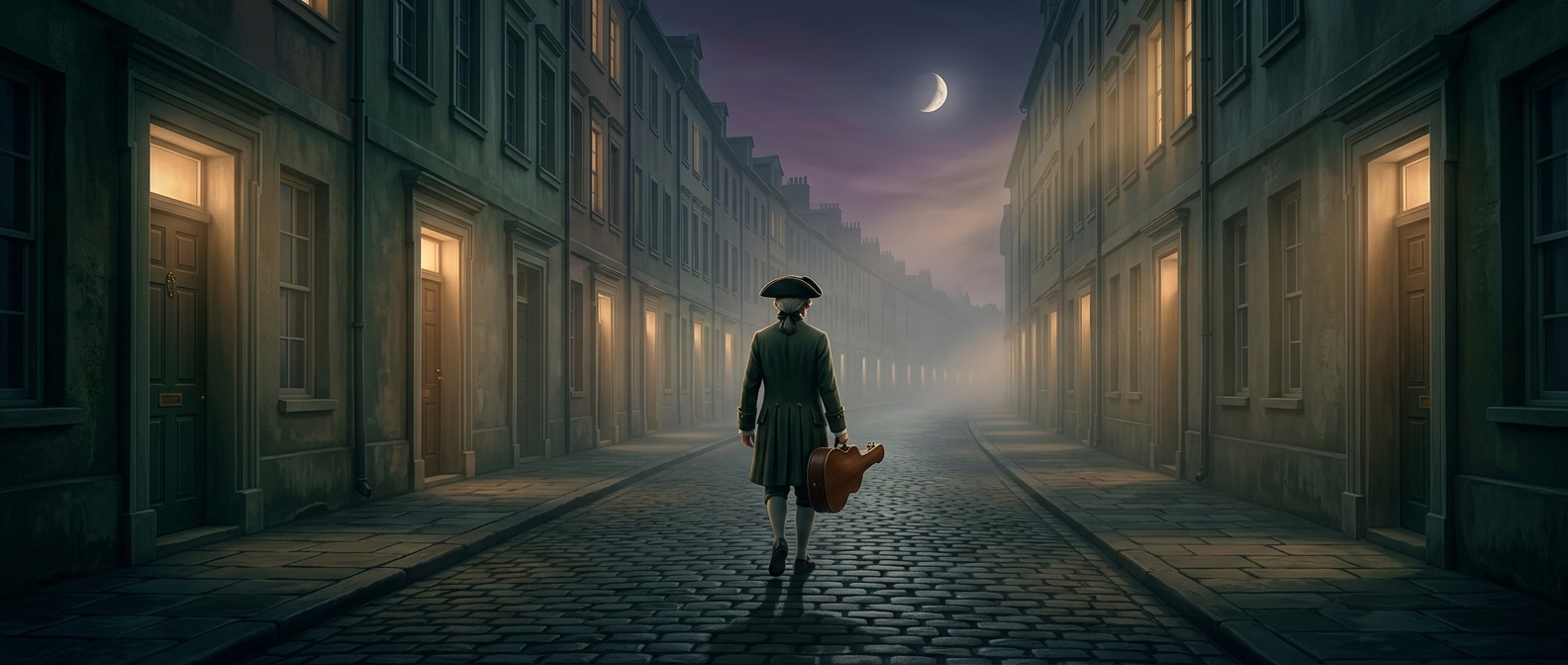
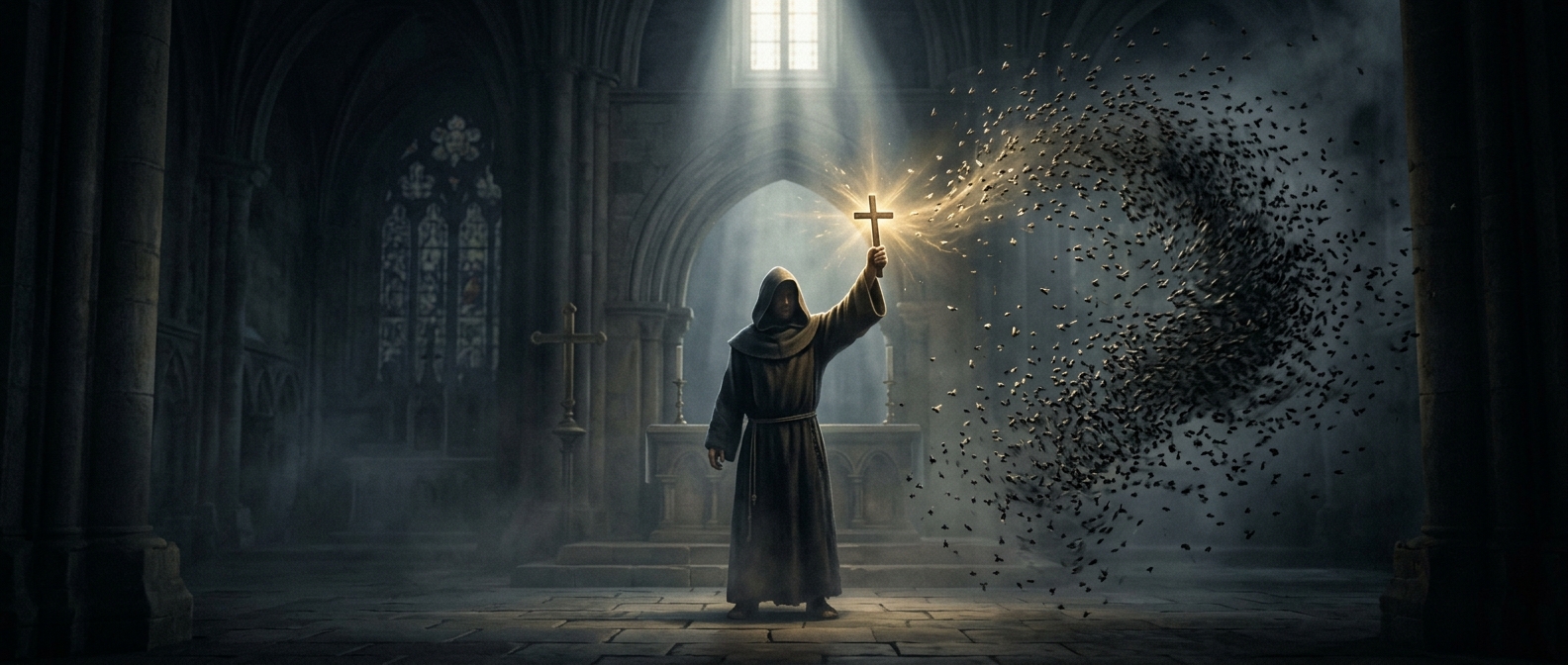
Paganini’s dramatic manner and all-black clothing gave audiences a memorable image to attach to the music. His appearance did not prove anything supernatural; it helped turn technical brilliance into theater. Once the devil-pact rumor circulated, each performance could be read through it: what sounded astonishing became evidence, in the minds of some listeners, of a bargain with dark forces.
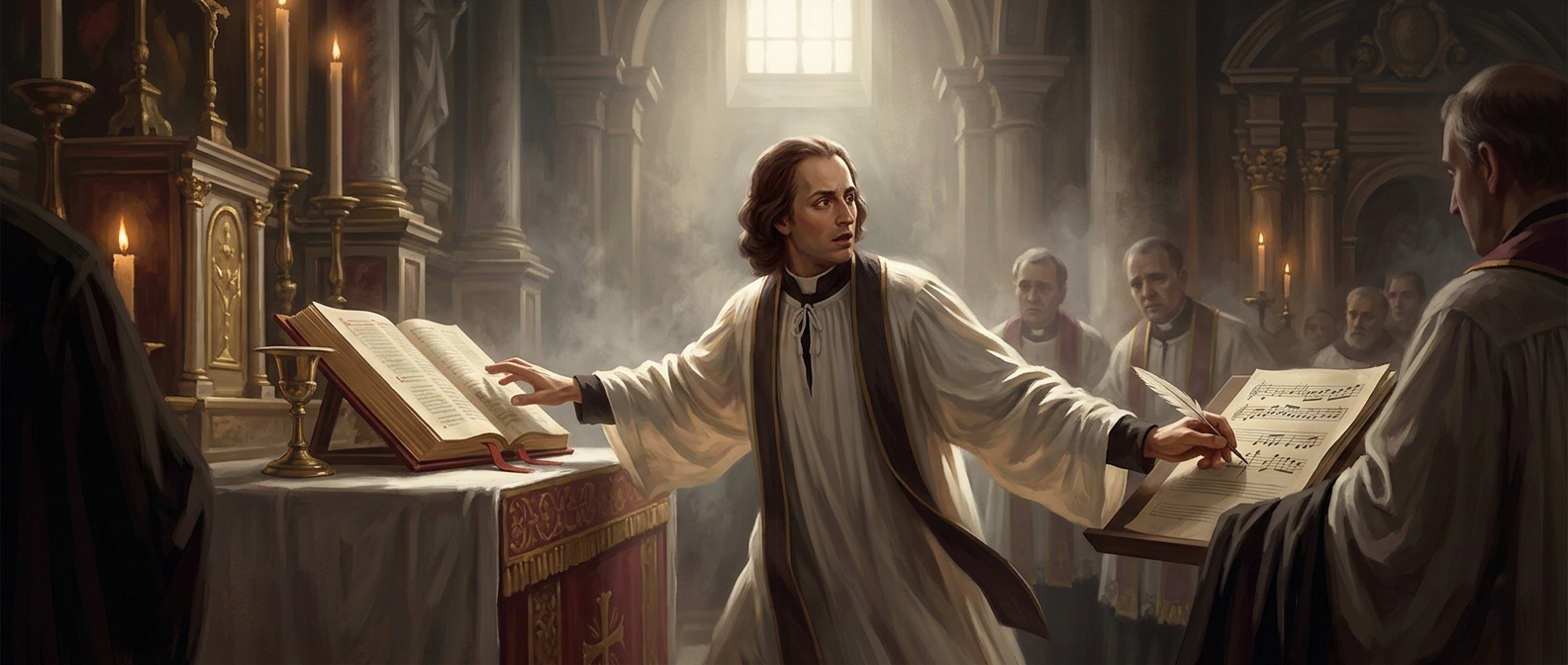
That interpretation mattered beyond the concert hall. In a society where religious burial carried deep meaning, suspicion about a person’s relationship with the Church could affect what happened after death. Paganini was initially refused burial in consecrated ground, leaving the rumor with a consequence more serious than gossip about his stage image.
When an image outlasts the performer
The story endured because it joined two things people found difficult to reconcile: extraordinary artistic ability and an unsettling public persona. The rumor made Paganini’s music feel like a mystery with a dramatic answer, even though the evidence of his skill was his playing itself. His fame thus followed him into death—not only as a record of musical achievement, but as a dispute over how his life should be remembered and buried.