A drum carried orders farther than a shouted voice
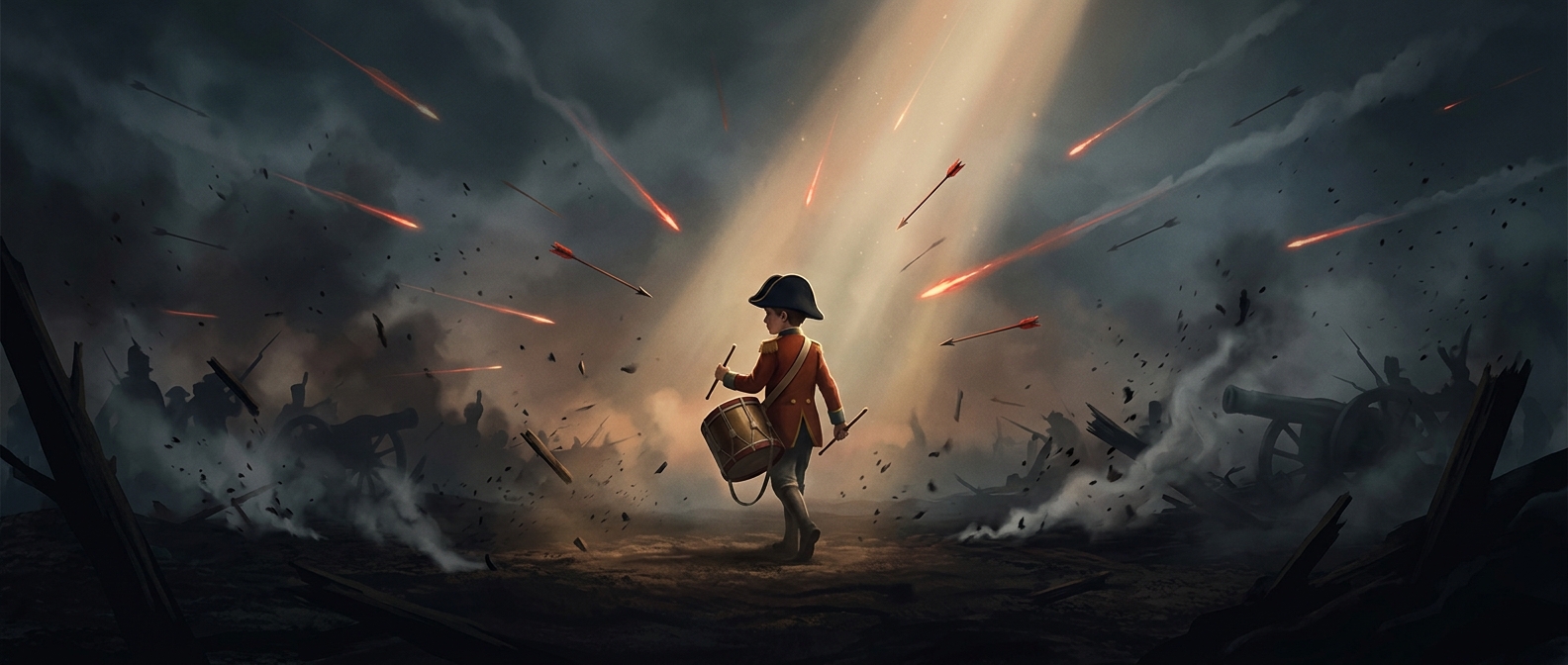
Before portable radios, commanders needed a way to send instructions across a battlefield where smoke, noise, and distance made speech unreliable. A steady drumbeat could travel through the din and be recognized by soldiers who had learned what particular rhythms meant. Drummers helped relay commands such as advancing, withdrawing, or preparing to fire, turning sound into a practical communication system.
Why the drummer became a target
The signal worked only if troops could hear it. If an enemy silenced the drummer, the opposing unit might miss a command or fail to coordinate its movement with nearby soldiers. That made the drummer more than a musician: he was a vulnerable link in the regiment’s chain of communication.
Targeting him could create confusion at a moment when hesitation mattered. Soldiers might keep moving under an outdated order, stop when they should advance, or lose the timing needed to act together. The tactic did not guarantee that a unit would collapse—commands could also be passed by officers, bugles, flags, or messengers—but disrupting a clear, familiar signal could make coordinated action harder.
A small role with battlefield consequences
Drummers were often young and conspicuous, carrying an instrument that marked their function. Their visibility helped friendly troops identify the source of orders, but it also made them easier for opponents to spot. In an era when armies depended on discipline and formation, hitting the signal could be a way to interfere with the whole unit, not merely to remove one person from the fight.