When Jazz Was Cast as a Nervous-System Hazard
Jazz’s syncopation—accents that fall in unexpected places—made the music feel physically different from a steady, predictable beat. The rhythms invited listeners to move, and jazz’s emerging social scene gave that movement a public setting. For critics worried about changing manners, the sound and the behavior around it could seem like parts of the same threat.
Turning Disapproval Into a Health Warning
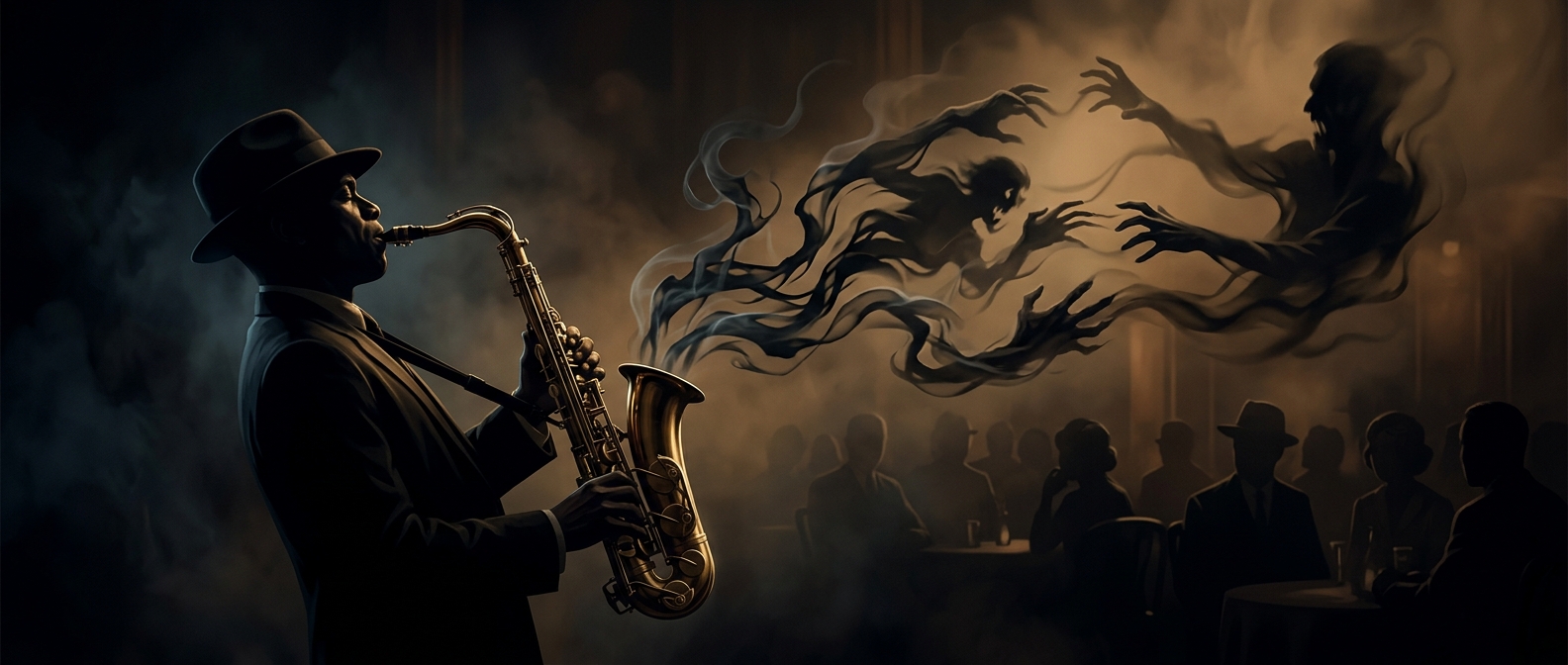
Calling jazz harmful to the nervous system did more than express dislike. It framed the music as a bodily danger, lending medical-sounding authority to fears about its effects. The claim also linked two kinds of unease: that listeners might be overstimulated, and that dancing and nightlife might weaken moral restraint.
That link helps explain why criticism focused not only on what jazz sounded like, but on what people did while hearing it. A new rhythm could be treated as evidence of social disorder simply because it encouraged unfamiliar ways of moving and gathering.
A Cultural Dispute in Medical Language
Such warnings tell us more about the anxieties surrounding jazz than about a demonstrated medical effect. By describing a new musical culture as a threat to health, critics could make resistance to changing social habits sound like protection of the body. The striking part is how readily a beat associated with pleasure and movement could be recast as a public danger.