A one-pin change kept the game alive
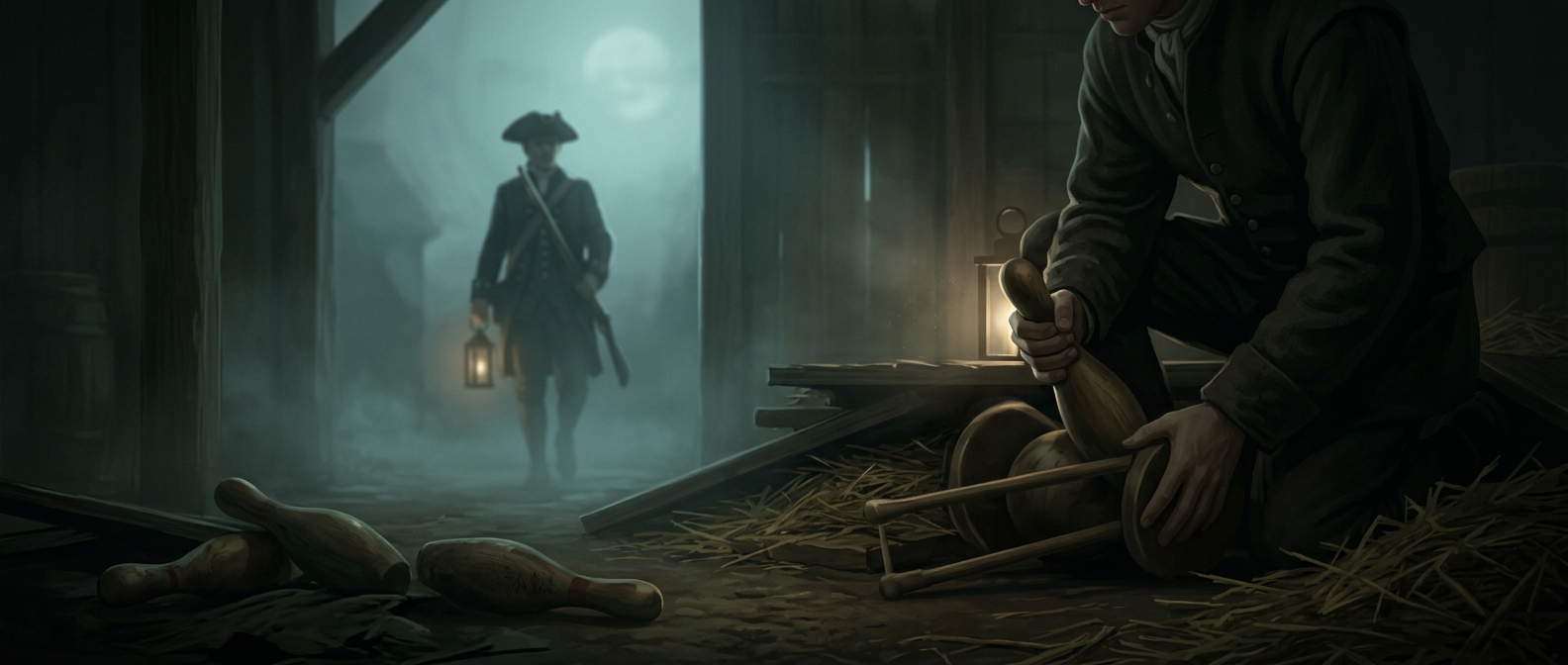
Nine-pin bowling was a familiar game in which players rolled a ball at nine wooden pins. In Connecticut, the restriction targeted that version—not every game involving pins and a ball. Players could therefore change the setup rather than abandon the pastime: they added a tenth pin and continued bowling.
That small adjustment mattered because it turned a legal constraint into a practical redesign. The game still had the same basic appeal—aim, roll, knock down pins—but it was no longer nine-pin bowling under the rule that had been prohibited.
From workaround to standard
A local ban did not, by itself, make ten-pin bowling the national game. But it gave the altered version a foothold in a place where the original format faced a barrier. As ten-pin play spread and people wanted to compete across locations, a common pin count and arrangement made games easier to compare and rules easier to share.
The change also shows how regulations can shape recreation indirectly. Connecticut did not need to endorse a new sport: by restricting one specific version, it encouraged players to keep the familiar game while changing one defining feature. The extra pin was both a workaround and the beginning of a more widely shared format.