The Work Hidden at the End of the Lane
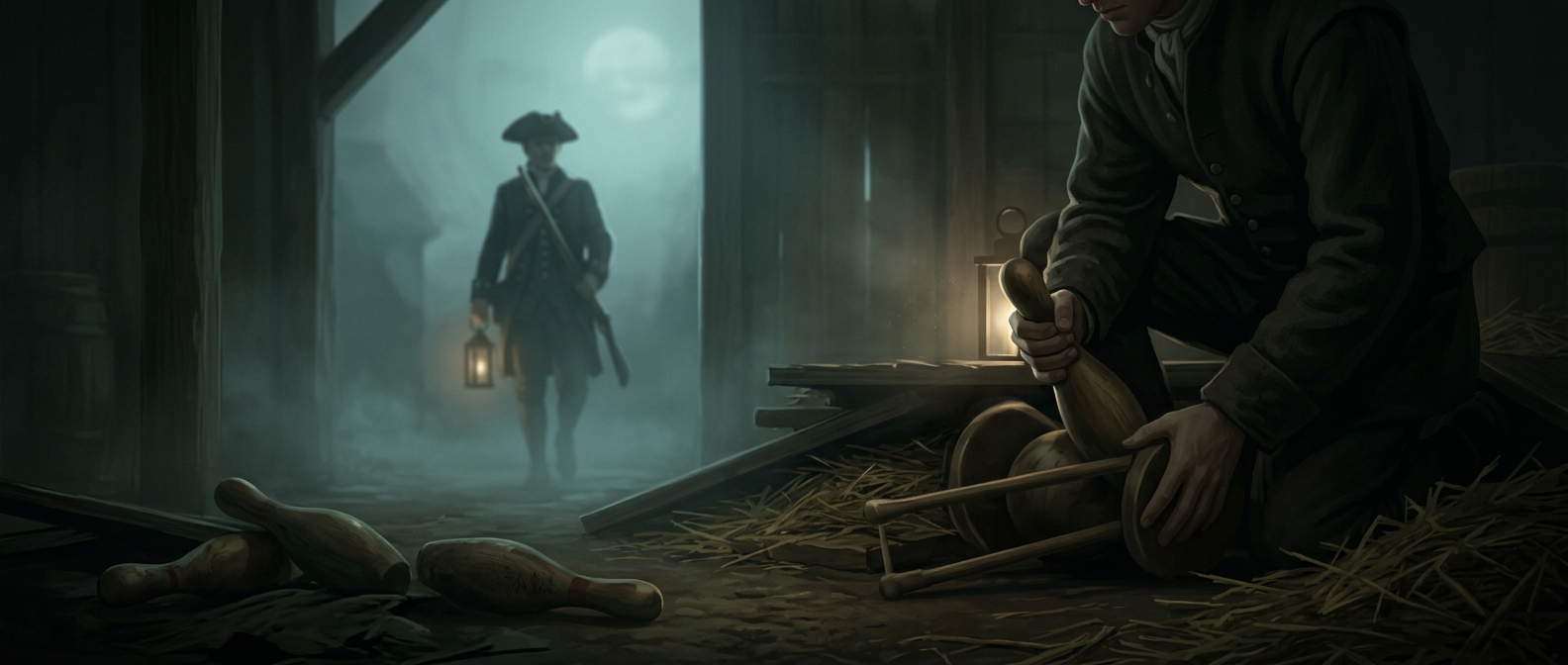
A bowling frame did not simply restart after a ball scattered the pins. Someone had to clear the fallen pins, put the standing ones back into the correct triangular arrangement, and get the lane ready for the next delivery. Before mechanical pinsetters took over that sequence, the job fell to young workers stationed in the pit—the space beyond the pins where the ball ended its run.
The task demanded more than quick hands. A pinsetter had to watch the ball’s path, wait for it to pass, and work around pins and equipment in a cramped area. Then came the careful part: placing the pins in their marked positions so that the next roll began under the same conditions as the last. A misplaced pin could change the game, while a slow reset held up the bowlers.
A Small Job Shaped the Pace of the Game
Manual resetting made each lane depend on a worker’s timing and attention. The rhythm of play was therefore partly human: one person bowled while another cleared and rebuilt the target. For alleys, pinsetters supplied essential labor without the cost of a machine; for the teenagers doing it, the tradeoff was low-paid work performed close to fast-moving equipment.
Mechanical pinsetters eventually changed that arrangement by handling the reset as part of the lane’s equipment rather than as a worker’s repeated task. The shift was not just about replacing a pair of hands. It made the interval between rolls less dependent on someone waiting in the pit—and turned a job at the edge of the game into a piece of machinery.