The World Cup title rested on one match
The 1950 tournament did not end with a knockout final. Its four strongest teams played a last round-robin group, and Brazil and Uruguay met in the deciding game. Brazil led the group and needed only a draw to finish first; Uruguay had to win. That difference shaped the match: Brazil could protect its advantage, while Uruguay had no reason to settle for a tie.
Brazil went ahead early in the second half through Friaça. Uruguay’s Juan Alberto Schiaffino equalized, then Alcides Ghiggia scored the winner in the 79th minute. The result turned a match many at the stadium expected Brazil to win into a national shock. In Brazil, the defeat became known as the Maracanazo, after the stadium’s name.
A record crowd, and a lasting burden
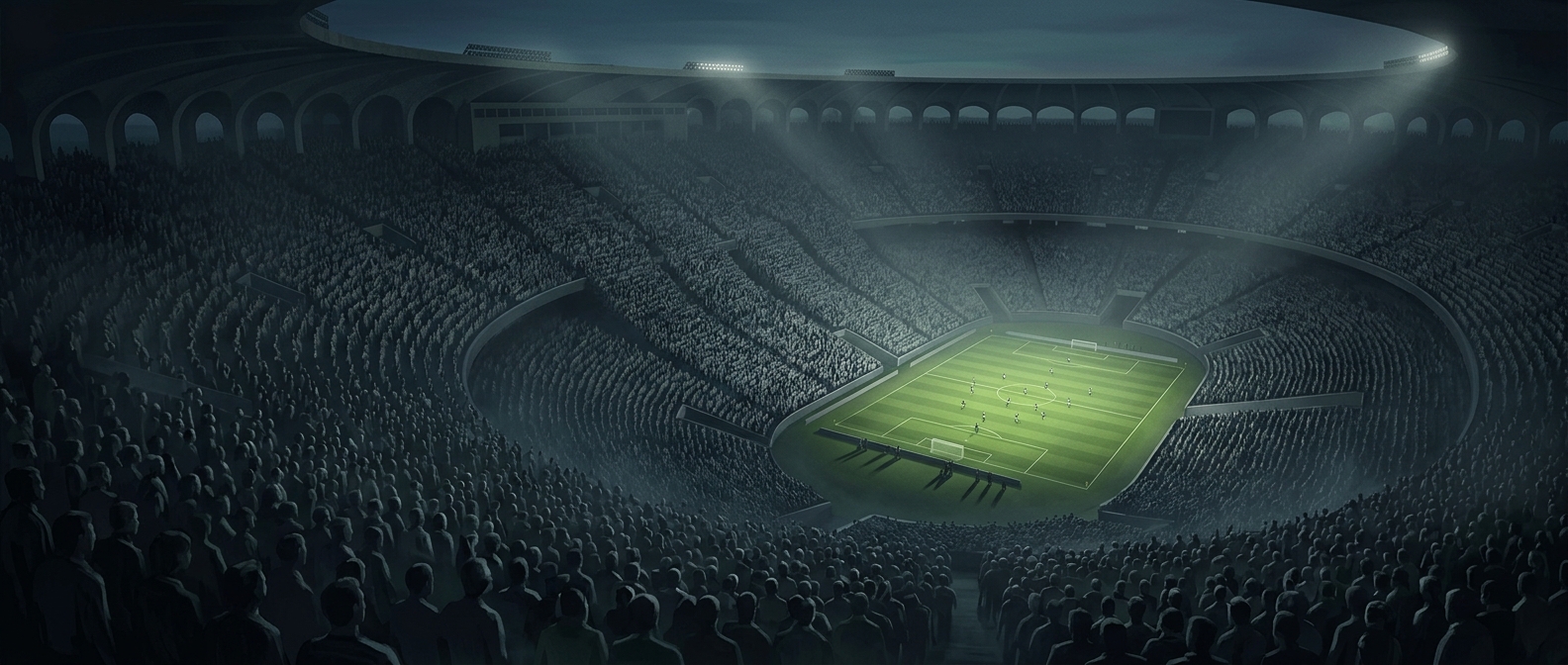
The vast attendance made the reversal impossible to experience as an ordinary away victory. Brazil’s team had played before a crowd gathered for a celebration; instead, Uruguay’s late goal settled the championship in front of them. The scale of the audience helped fix the match in public memory as one dramatic scene, rather than simply the final result of a tournament table.
That memory also fell heavily on Brazil goalkeeper Moacir Barbosa, who was blamed for the winning goal and carried the stigma for years. The episode is a reminder that a sporting defeat can outlive the players’ careers: at Maracanã, one goal became a story about expectation, national pride, and the cost of being cast as the person who let a country down.