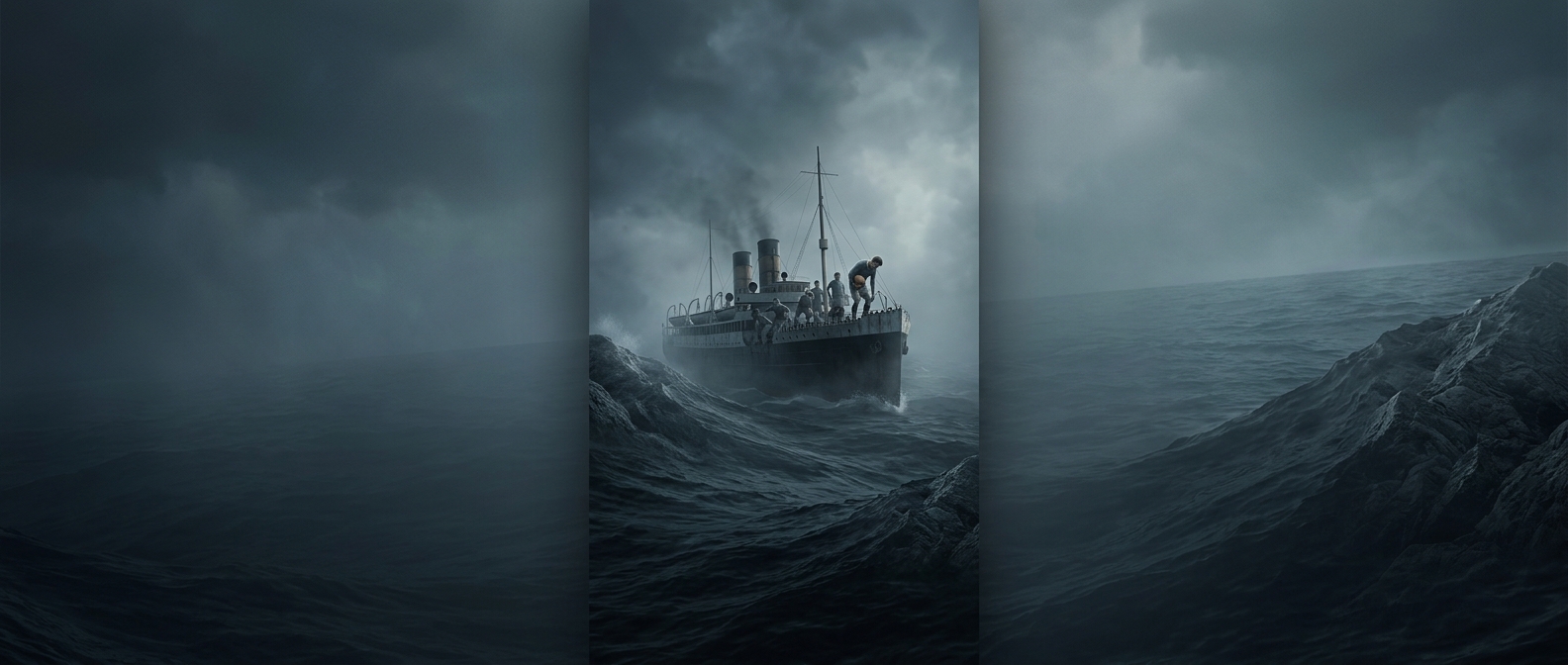
A tournament shaped by the Atlantic crossing
For the first World Cup, held in Uruguay in 1930, getting to the starting line was part of the competition. European teams faced a long ocean voyage at a time when passenger ships—not airplanes—were the practical way to cross the Atlantic. The journey took players away from their usual training grounds and placed them in a moving, crowded environment for days at a time.
That meant preparation had to fit the ship. Players could use open deck space for exercise, but there was little room for the running, drills, and full-team practice possible on a field. The ship’s motion added another obstacle: seasickness could leave players tired or unable to train just when they needed to preserve their form.
The voyage changed the conditions of play
A team arriving after a difficult crossing could not simply resume its normal routine. It needed time to recover, eat, sleep, and adjust before competing. The trip therefore affected more than comfort: it shaped how much useful preparation players could get before the matches began.
The first World Cup’s geography made that burden unequal. South American teams were closer to the host country, while European entrants had to undertake the transatlantic journey. A tournament that would later be associated with stadiums and national squads began, for some players, with trying to stay fit on a ship’s deck—and hoping their stomachs would settle before kickoff.