A royal order aimed at crowded streets
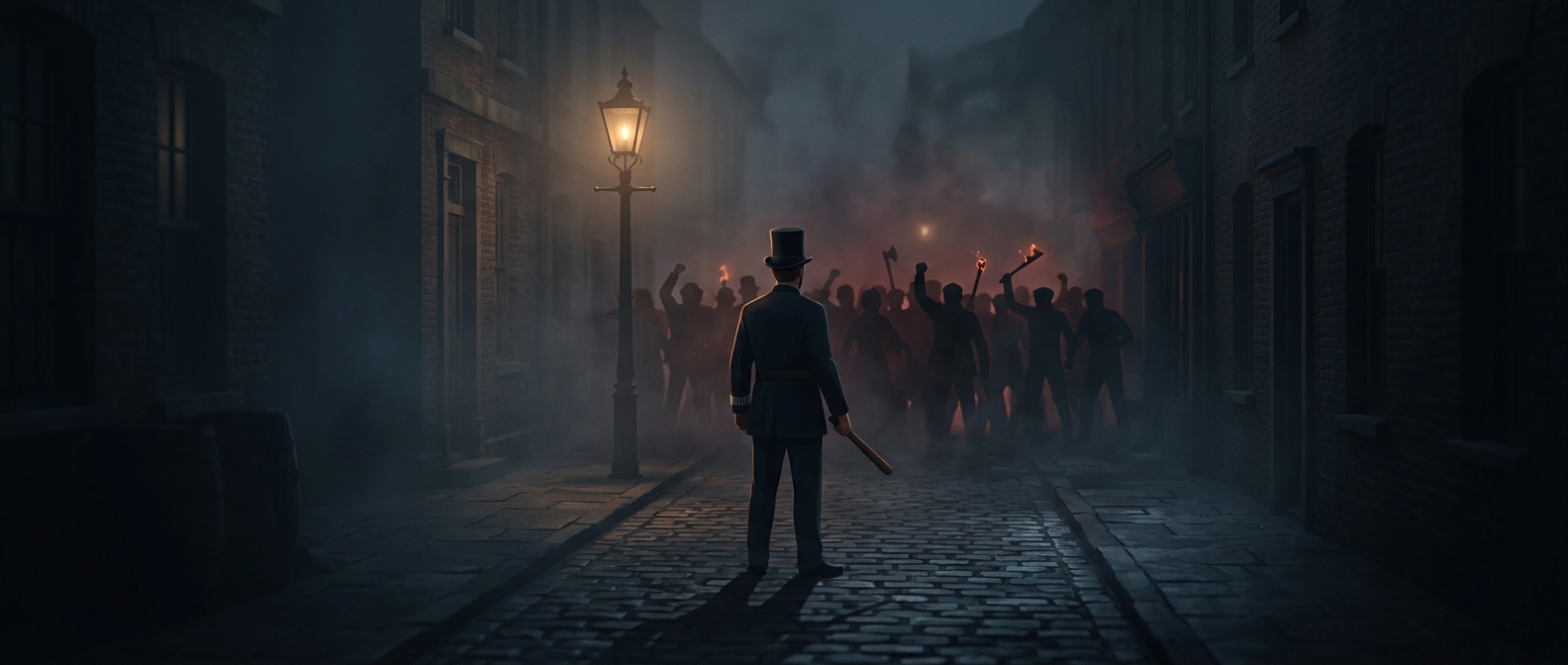
Edward II’s ban was part of a practical struggle over what happened in busy towns. Medieval football was not a standardized sport played on a marked field: games could spill through streets, where a moving crowd and a hard-kicked ball could disrupt traffic, unsettle residents, or damage property. By restricting play within city limits, the king’s order treated the streets as places to be kept clear, not as a public playing ground.
Why archery mattered to the crown
Archery had a more direct value to the monarchy. Skilled archers could serve in war, so encouraging people to practice offered a military benefit that street football did not. The ban therefore reflected a choice about how time and public space should be used: ball games could be enjoyable, but the crown wanted practice that might strengthen its forces.
The threat of imprisonment gave the order teeth on paper, but a royal proclamation was not the same as a modern, continuously enforced sports regulation. It announced what authorities were expected to stop; it does not show how often officials caught players or whether games disappeared. The lasting tension is easier to see than the order’s day-to-day success: the crown wanted orderly streets and useful training, while townspeople kept finding room to play.