Why leisure looked like wasted labor
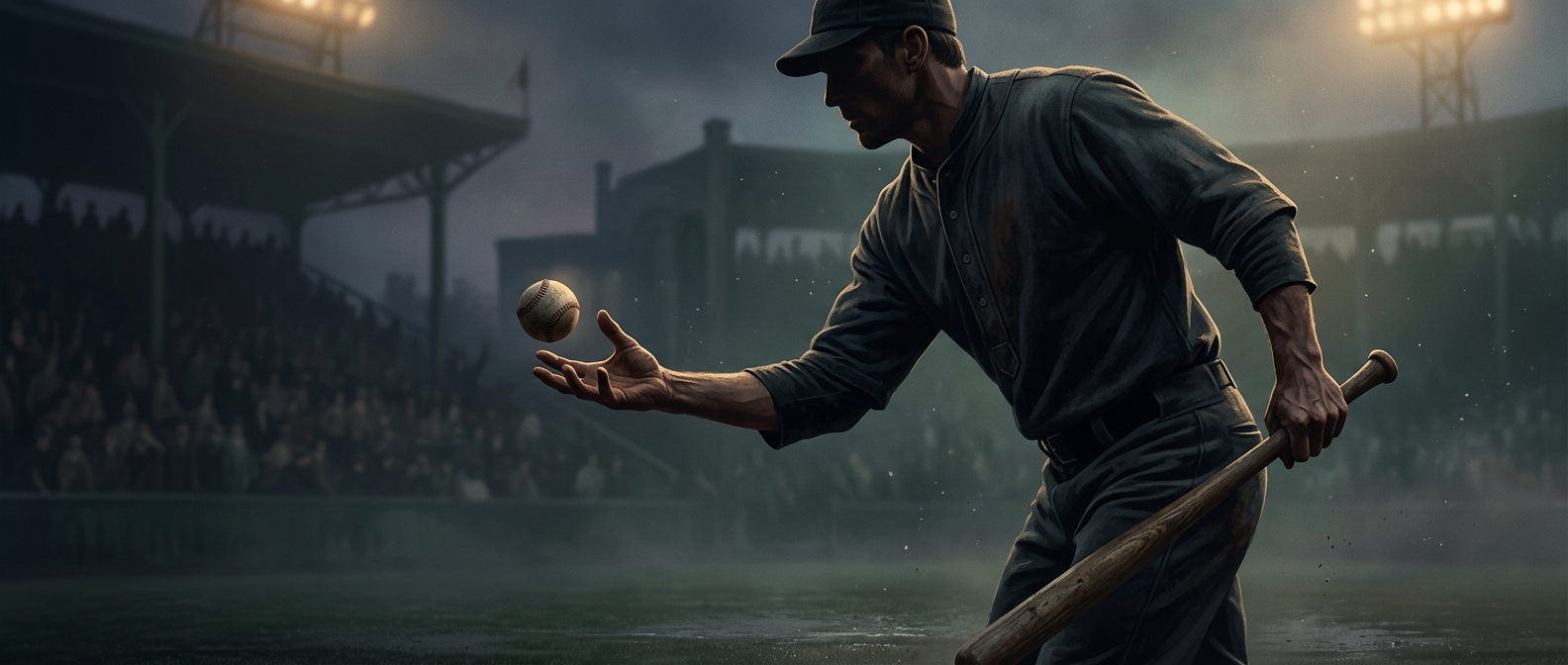
In an industrializing society, time increasingly had a visible economic measure: hours worked and goods produced. That made recreation easy to criticize as idleness, especially when it involved adults behaving in ways associated with children. A game of ball could look like a direct refusal of the discipline expected at work: for its duration, players were not making, moving, or selling anything.
The criticism was not only about the game. It reflected a broader argument over whether workers’ free time belonged solely to rest and household duties, or could also be spent on pleasure and public life.
Baseball made play easier to organize
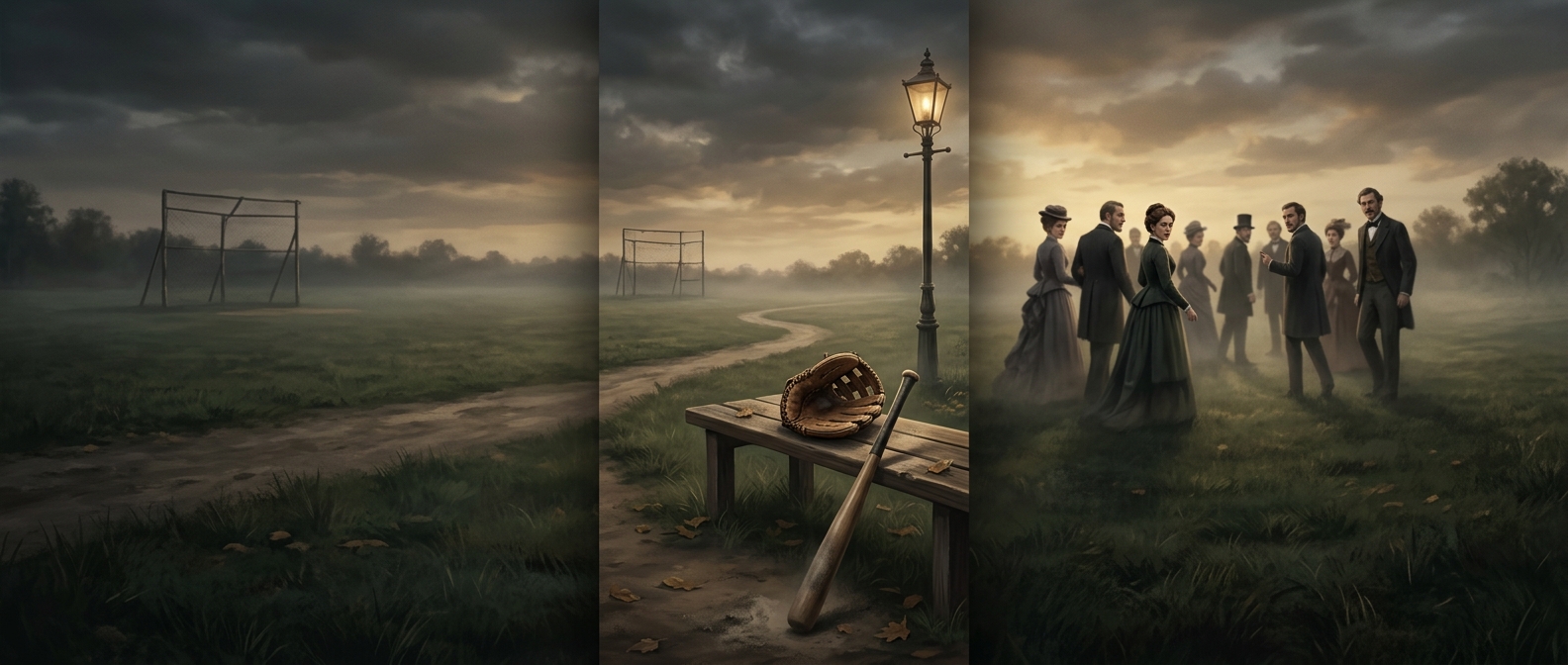
Baseball could fit into an adult social world because it was more than an impromptu pastime. Its shared rules let people form clubs, arrange matches, and return to the same activity with different opponents. That structure turned casual play into a regular commitment—and made the game legible to spectators as well as players.
As clubs and organized competition spread, baseball offered a way to gather beyond the workplace and neighborhood household. Some people played; others watched, followed teams, and made the game part of their social lives. The activity that critics dismissed as childish could therefore support adult associations and, eventually, commercial entertainment.
A changing idea of useful time
Baseball’s growth did not mean that objections to leisure disappeared. It showed that recreation could acquire its own organization and value rather than being judged only by the work it interrupted. The telling shift was from asking whether adults should play ball at all to building clubs and competitions around the fact that they did.