A Lawn Game With an Unsettling Amount of Freedom
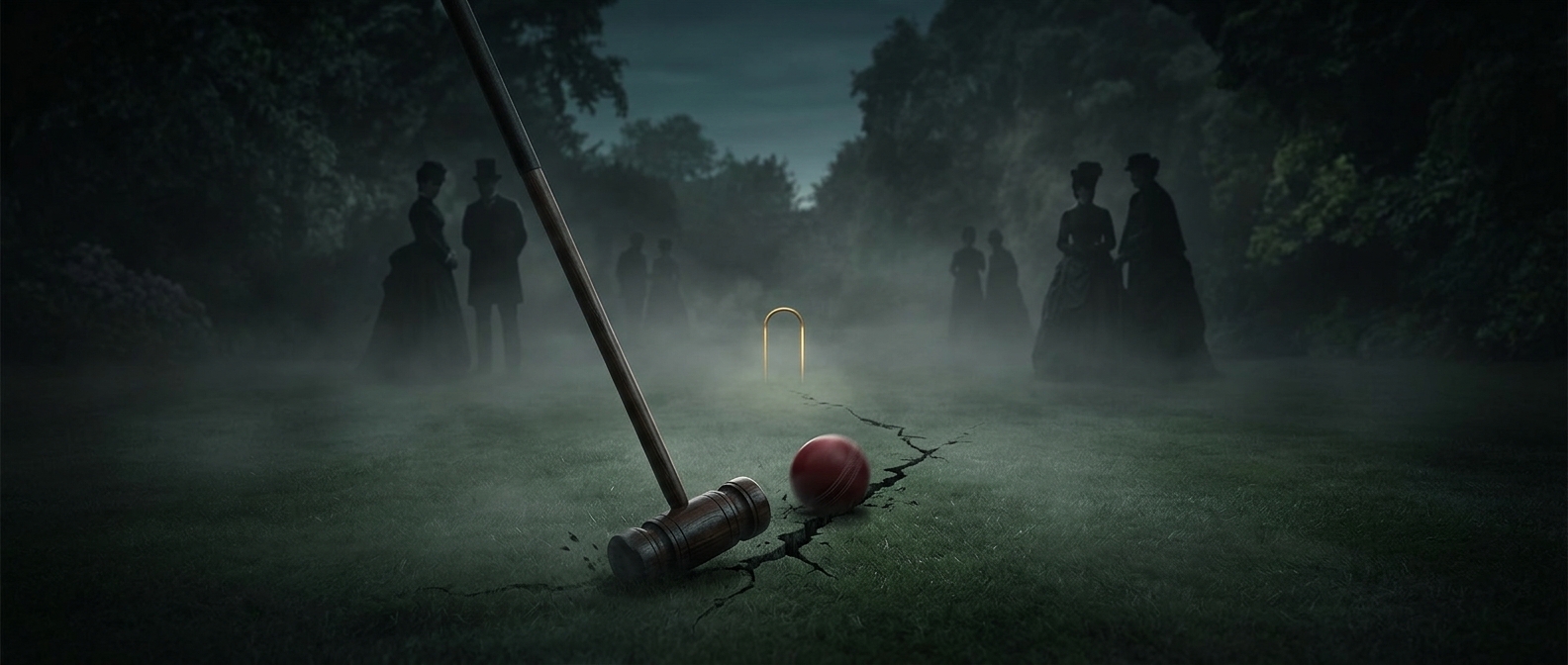
Croquet looked respectable: players wore ordinary outdoor clothes, followed rules, and took turns striking balls across a lawn. But the game also brought unmarried women and men into the same social space without the fixed pairings and close supervision expected at more formal gatherings.
Its pace mattered. Players waited between turns, walked around the lawn, and could talk while others watched the game. A mallet and ball gave them a public reason to be together; the conversation could range beyond the game. For young women, whose behavior was closely judged, even ordinary private-seeming conversation with a suitor could invite suspicion.
The Trouble Was the Social Setting
In Victorian England, courtship was not simply a matter of two people choosing to spend time together. Families and social conventions shaped who could meet, where, and under what supervision. Croquet loosened those arrangements without looking openly rebellious. The lawn was outdoors and visible, yet players could circulate and talk more freely than in a tightly organized parlor visit.
That tension made the game a target for moral criticism: its equipment was harmless, but its social use seemed harder to police. Croquet’s scandal lay in the possibility that a respectable afternoon pastime could give young people room to flirt—and to decide for themselves what to say when the next turn was still a few minutes away.