How Wrestling Turned Matches Into Melodrama
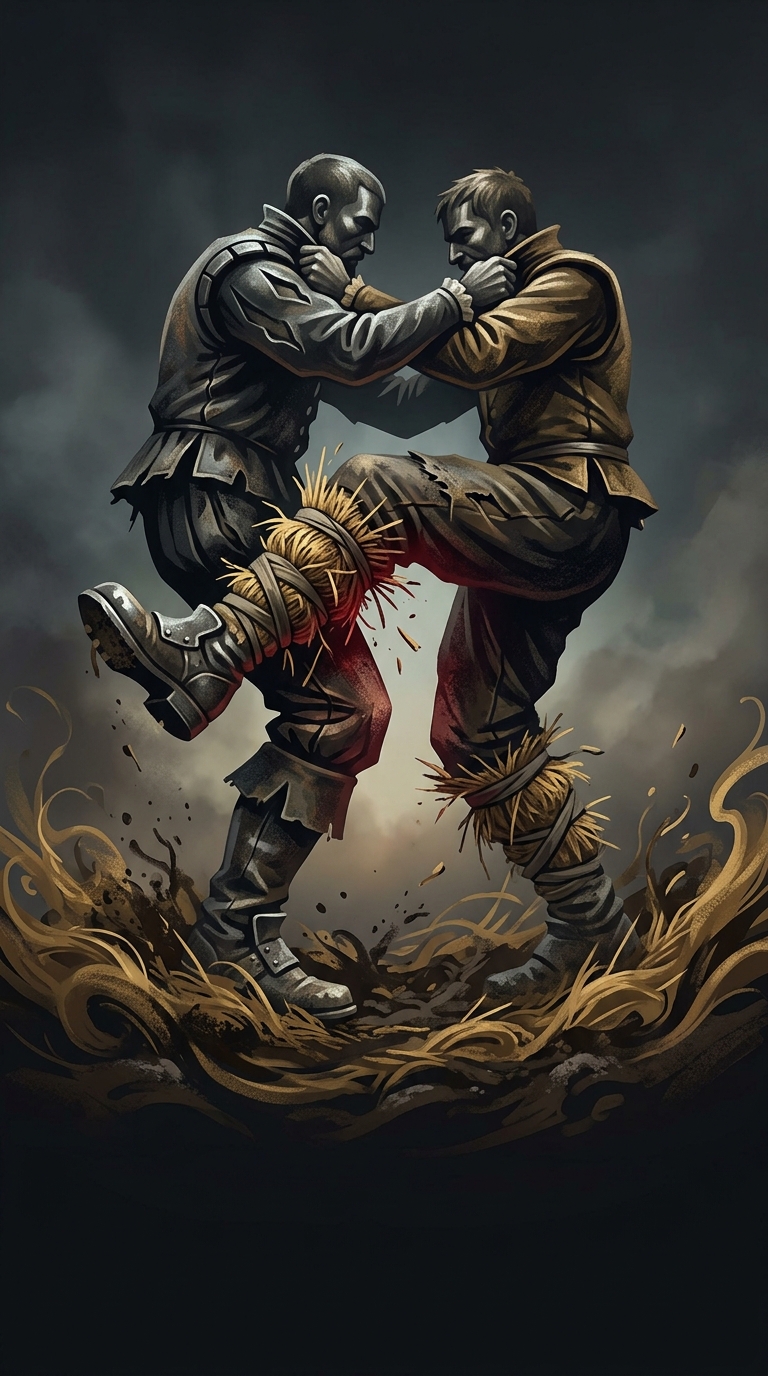
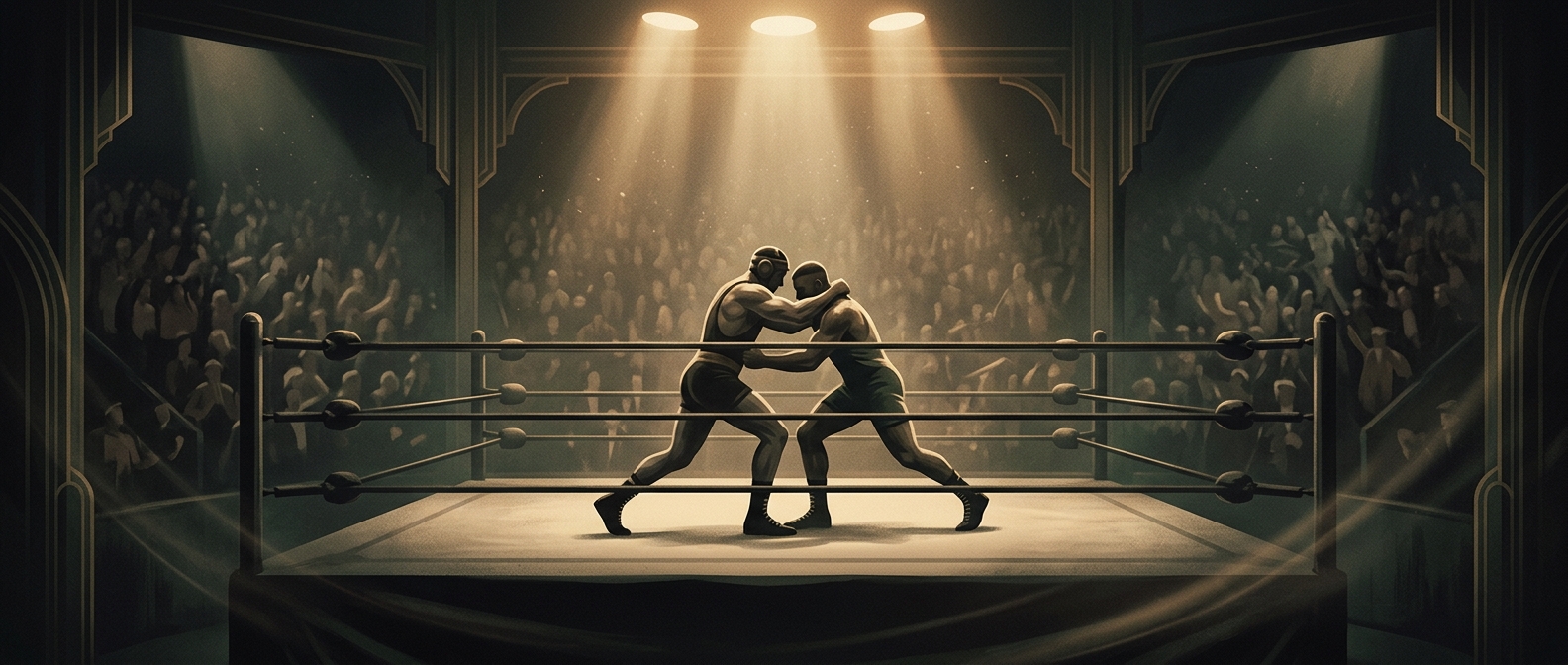
By the 1920s, professional wrestling was drawing large crowds with contests built around more than athletic skill. Promoters and wrestlers shaped matches into dramatic stories: a hated rule-breaker could torment a popular favorite, a seemingly beaten wrestler could rally, and a finish could deliver justice—or leave the audience furious enough to want a rematch.
The physical action still mattered. Wrestlers needed strength, timing, and practiced control to make throws and holds look convincing while limiting the risk of injury. But a match’s appeal depended just as much on whether spectators could follow its conflict and care about who won. The moves gave the story a visible form; the characters and reversals gave people a reason to stay invested.
Why the Drama Worked
A wrestling crowd was not simply judging which athlete was strongest. It was responding to recognizable roles and turning points: the arrogant opponent who seemed to get away with everything, the underdog who endured punishment, the sudden escape from a hold. Those beats made a match understandable from the seats and gave spectators clear moments to cheer, jeer, and react together.
That structure also helped make wrestling repeatable entertainment. A rivalry could stretch across multiple matches, with each contest offering another chance for a triumph, a setback, or a disputed outcome. The attraction was not a secret added later to sport; dramatic storytelling was already central to the live experience. The crowd came to see a struggle whose emotional stakes could be as compelling as its physical spectacle.