A game could become a ritual event
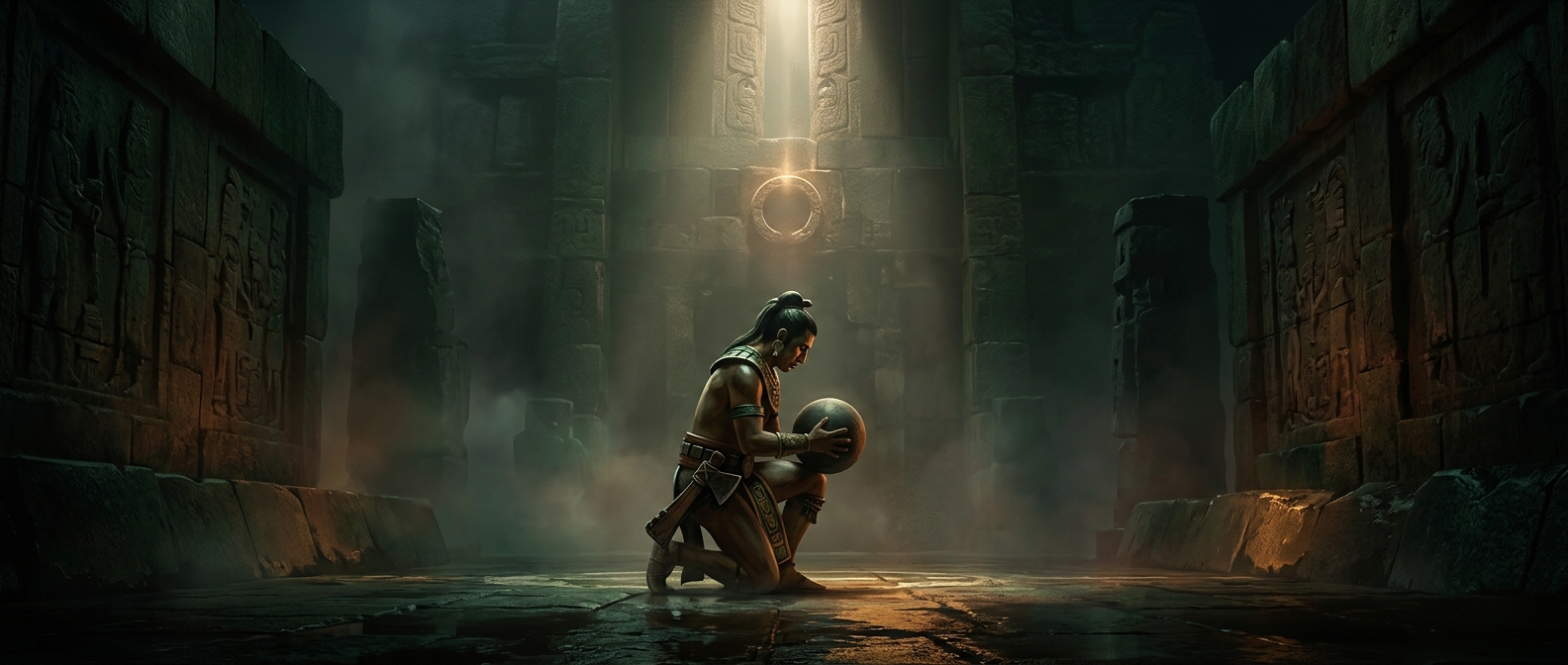
For the Maya, the ballgame was more than a contest. Played with a dense rubber ball, it could carry political and religious meaning: rulers used games to display power, and some contests were connected to ceremonies involving human sacrifice. That made the court a place where competition and ritual could meet.
What the evidence can—and cannot—tell us
Carvings and painted scenes show ballplayers alongside images of decapitation and sacrifice. These scenes support a connection between the game and ritual killing, but they do not establish a single rule followed everywhere. The Maya world lasted for centuries across many cities, and practices varied by place and period.
In particular, the claim that the losing captain was routinely sacrificed is not secure. A scene of a ballplayer’s death does not by itself tell us whether the victim was a losing player, a captive, or someone involved in a ceremonial reenactment. The evidence points to some games being tied to sacrifice, not to every match ending with the loser’s death.
Why the stakes mattered
Maya stories and images linked the ballgame to struggles between opposing forces and to the passage between the living world and the underworld. A match could therefore serve as public ritual as well as political theater. If a sacrifice followed, it gave the contest a consequence far beyond its score: the game became part of a ceremony about power, order, and the gods.