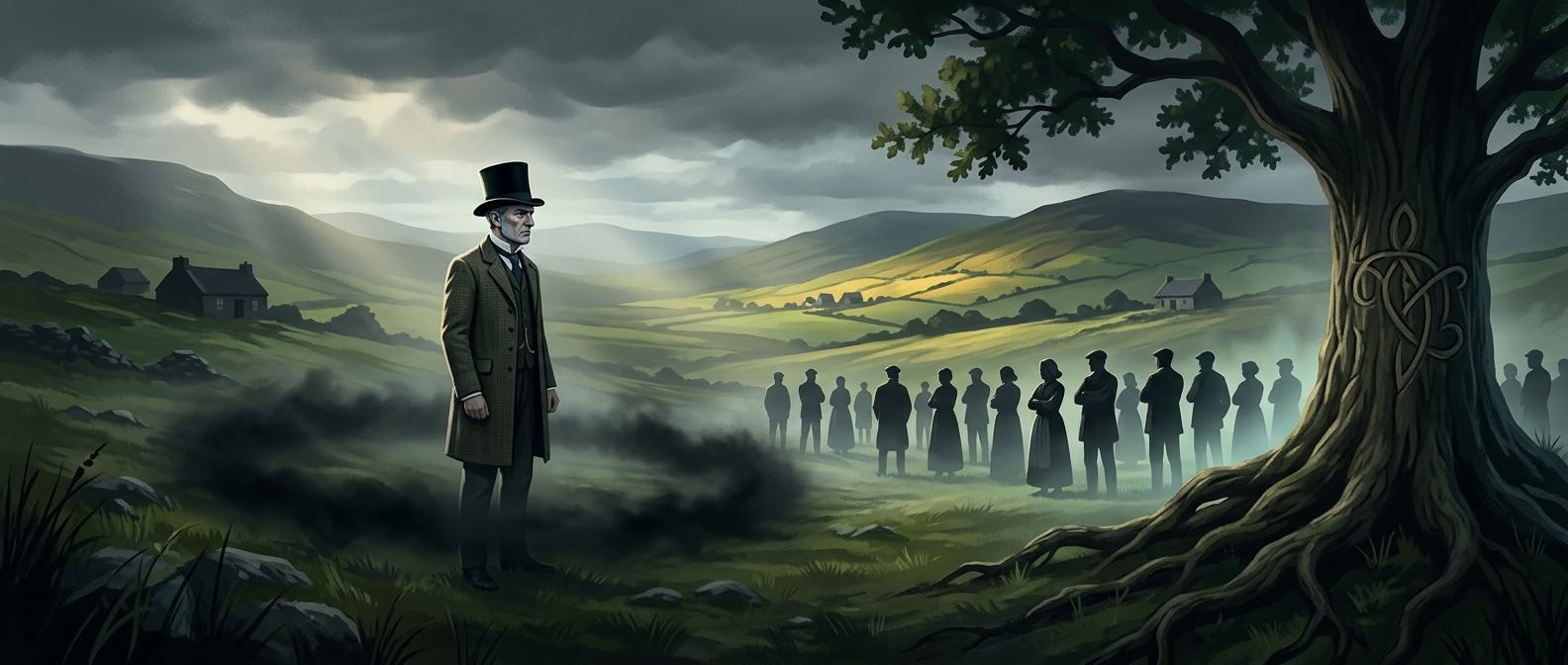
“Awful” began with awe, not disgust
The older meaning of awful follows its parts: awe plus -ful, meaning “full of.” Something awful was full of awe—in other words, it inspired a powerful response of wonder, reverence, or even fear. A vast mountain, a sacred ceremony, or a ruler’s imposing presence could all be described as awful in this sense.
That was praise, but not the lighthearted kind. Awe suggests that something feels larger or more powerful than you are. The word could admire a thing while also conveying how overwhelming it was.
How admiration turned into disapproval
The shift makes sense because awe has always had an uneasy edge. The same force that makes something majestic can make it frightening or oppressive. As awful came to describe whatever provoked an intense reaction, the word could be used for experiences that were alarming or unpleasant. Its negative uses gradually became more familiar than the admiring ones.
The change is a reminder that a word’s emotional direction can move even when its basic force remains: awful still signals intensity, but modern English usually points that intensity toward something bad. Today, calling a meal awful is a complaint—not a claim that it inspired reverence.