History
Discover facts about history. Small discoveries that change the way you see familiar things.
History
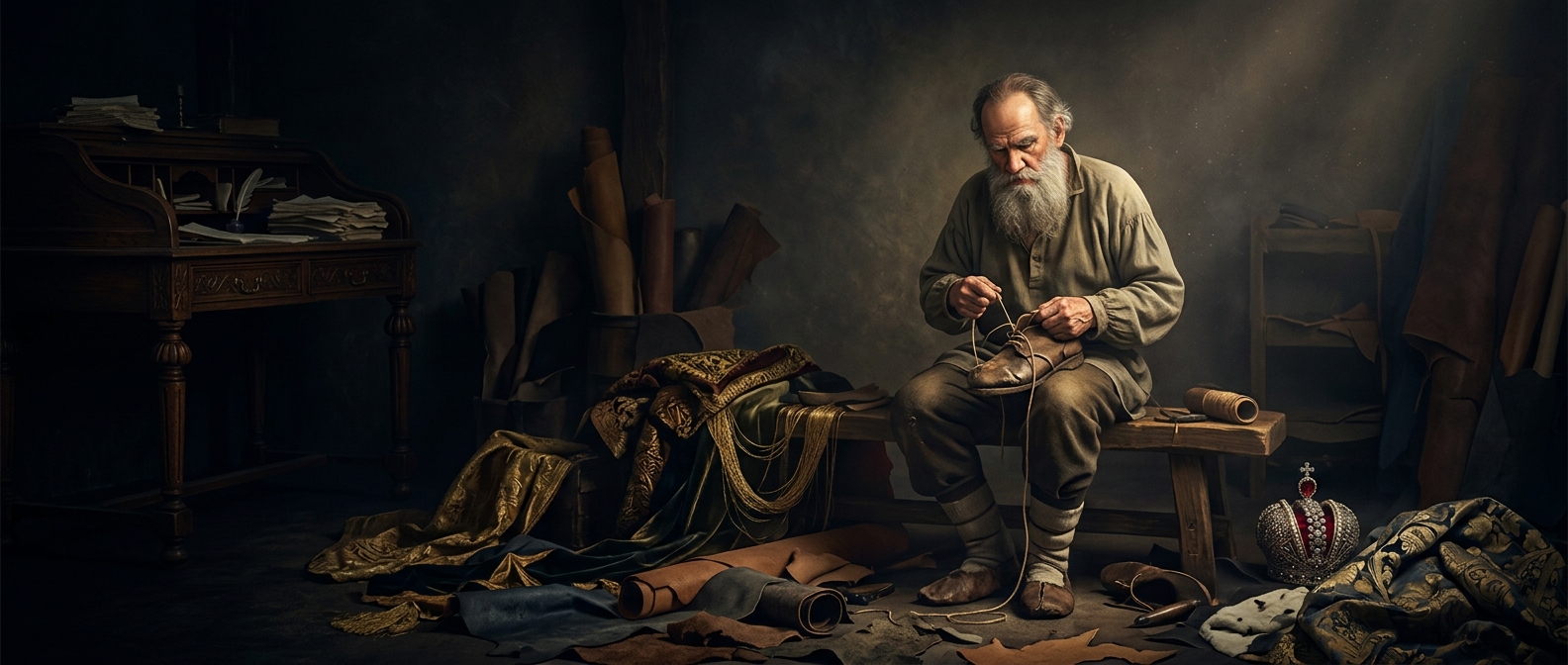
Tolstoy's homemade boots became Volume 13 of his works
Tolstoy learned shoemaking in the 1880s and made boots for his son-in-law, who displayed them beside a twelve-volume set of his books with a label calling…
Discover more
Casanova ended his life organizing books
After a life that made his name shorthand for romance, Casanova spent his final decade organizing books in a Bohemian castle—and complaining about the staff.…
Discover more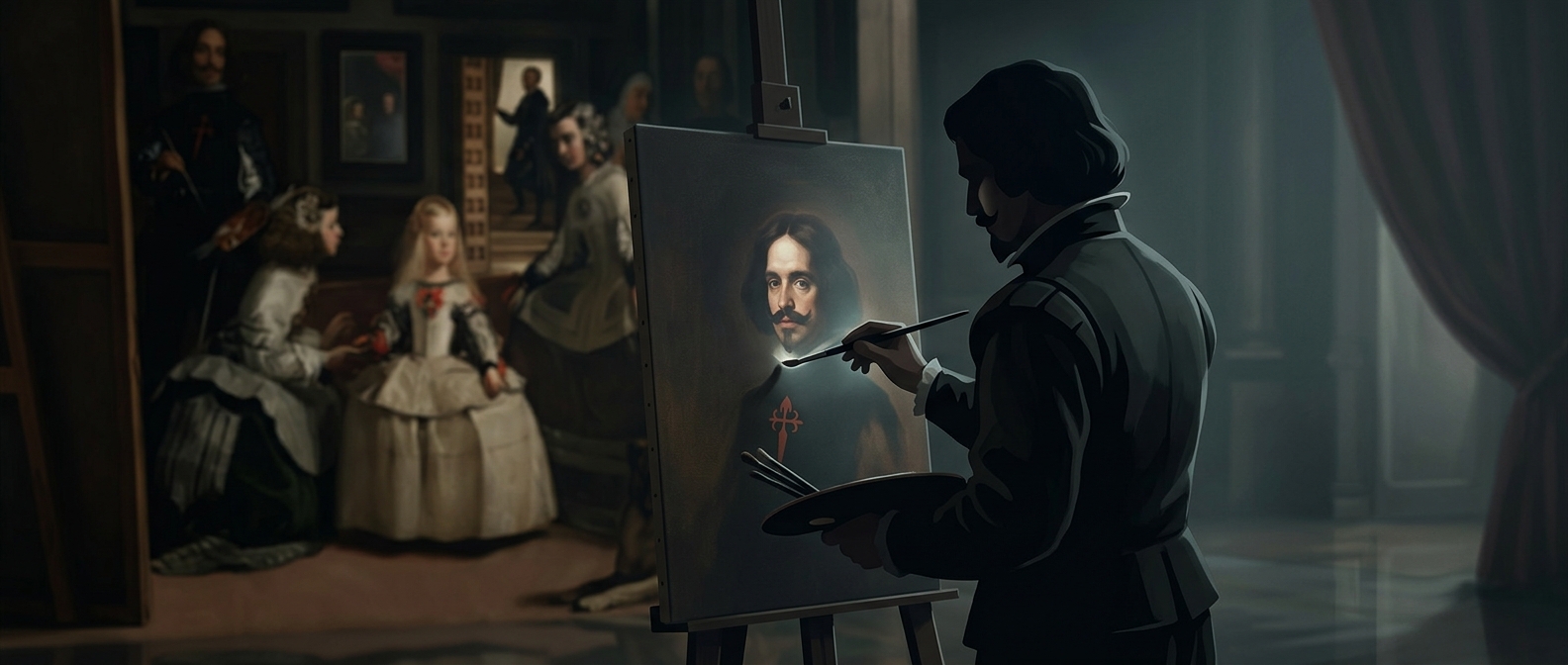
Velázquez kept sneaking himself into paintings
Velázquez sometimes placed his own face among the Spanish court in royal portraits, giving the painter a cameo in the world he painted.
Discover more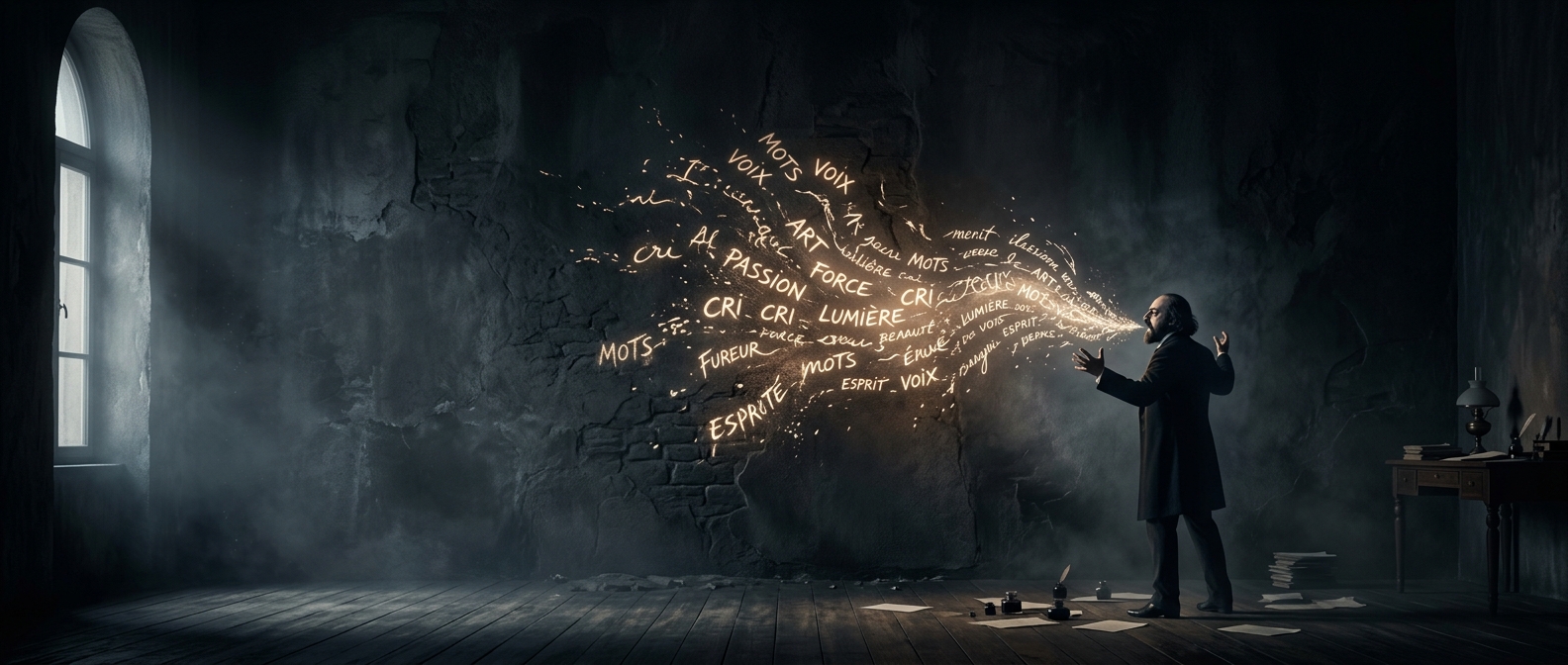
Gustav Flaubert shouted stories aloud to test their rhythm
He wouldn’t publish a passage until he’d read it aloud to test its rhythm, pacing and shouting in his study for hours.
Discover more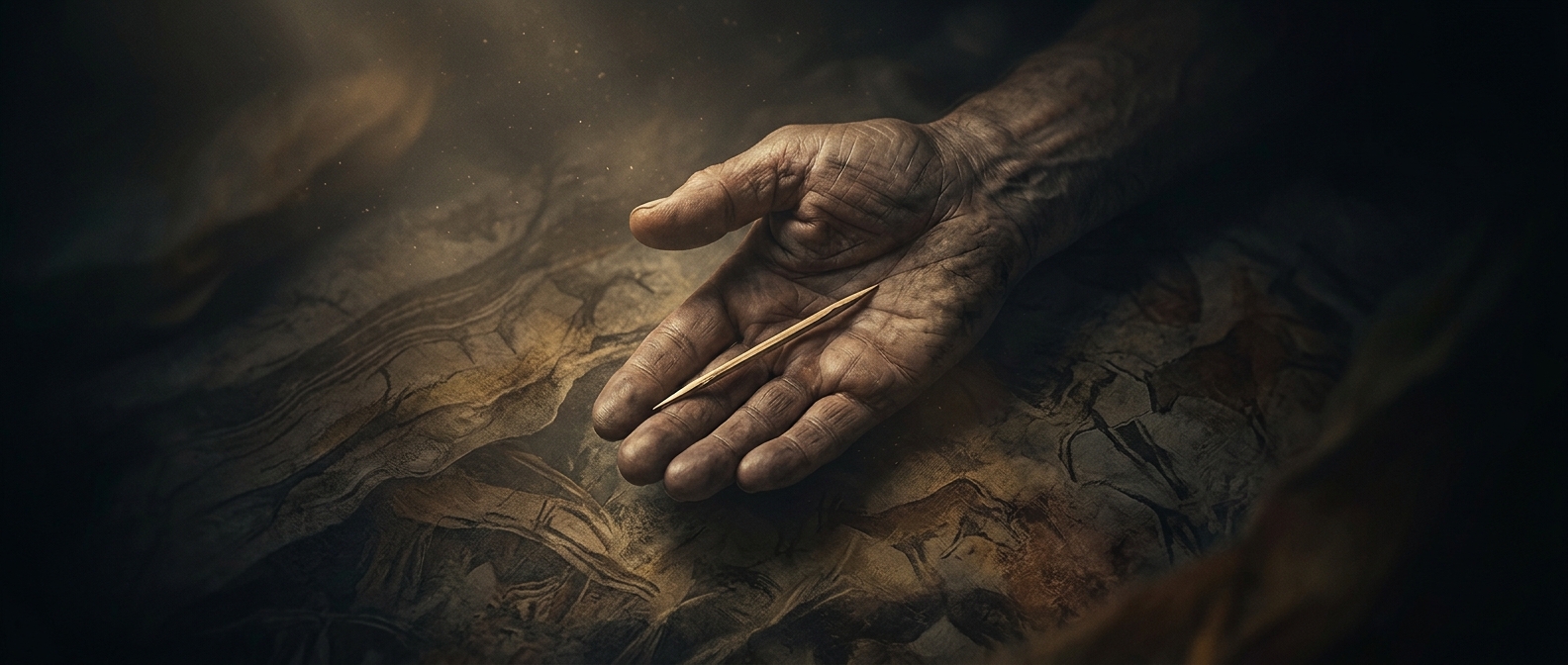
A Neanderthal left toothpick marks in its teeth
Grooves on teeth from Cova Foradà in Spain were interpreted as evidence of repeated probing between them. The individual also had heavy wear and gum disease,…
Discover more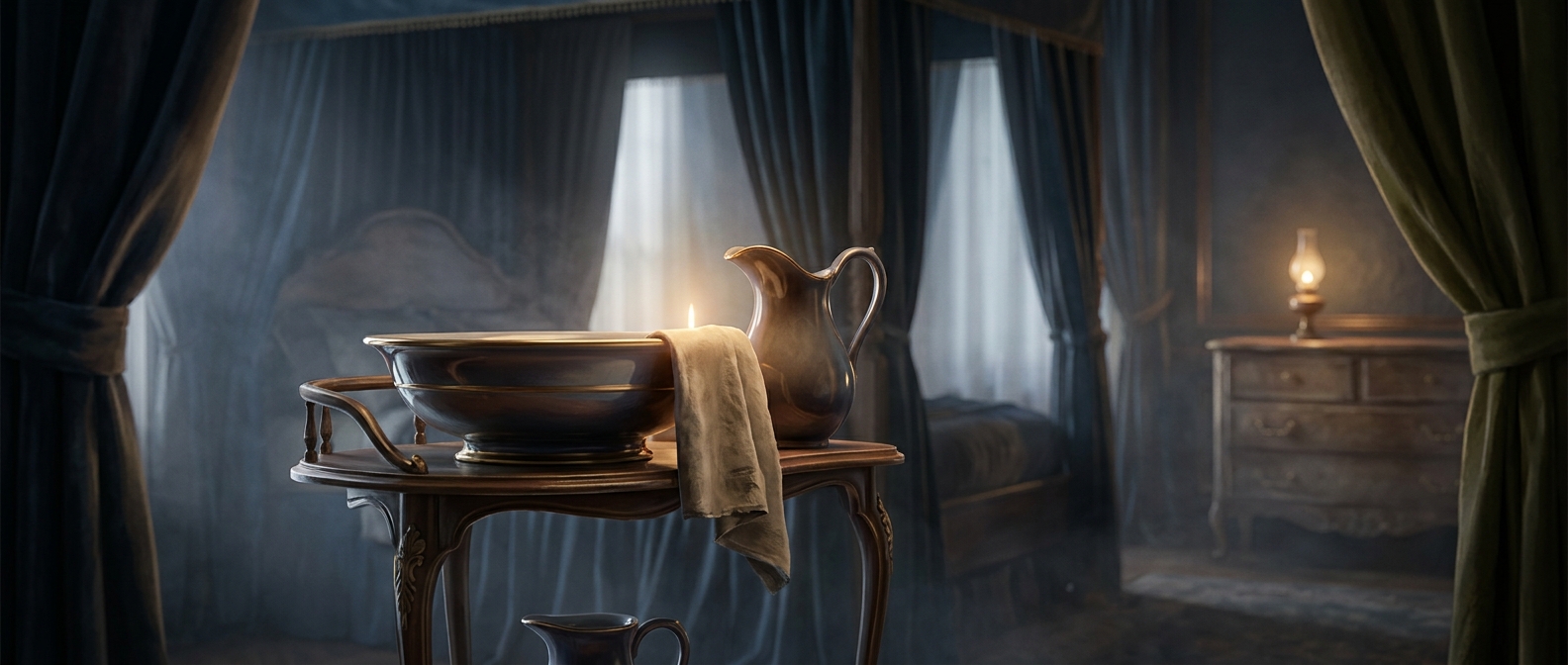
When bidets were portable bedroom basins
Early bidets were portable bowls kept beside the bed, often on wooden stands. The built-in bathroom fixture came later; the original setup was more bedside…
Discover more STACKY FOR IPHONE
A bigger world.
One discovery
at a time.
Keep discovering with Stacky. Interesting facts in an app that is always within reach.
The first deodorant brand was literally called Mum
Mum was among the earliest products made to control body odor, long before deodorant ads learned to make the subject sound glamorous. The problem was old; the…
Discover more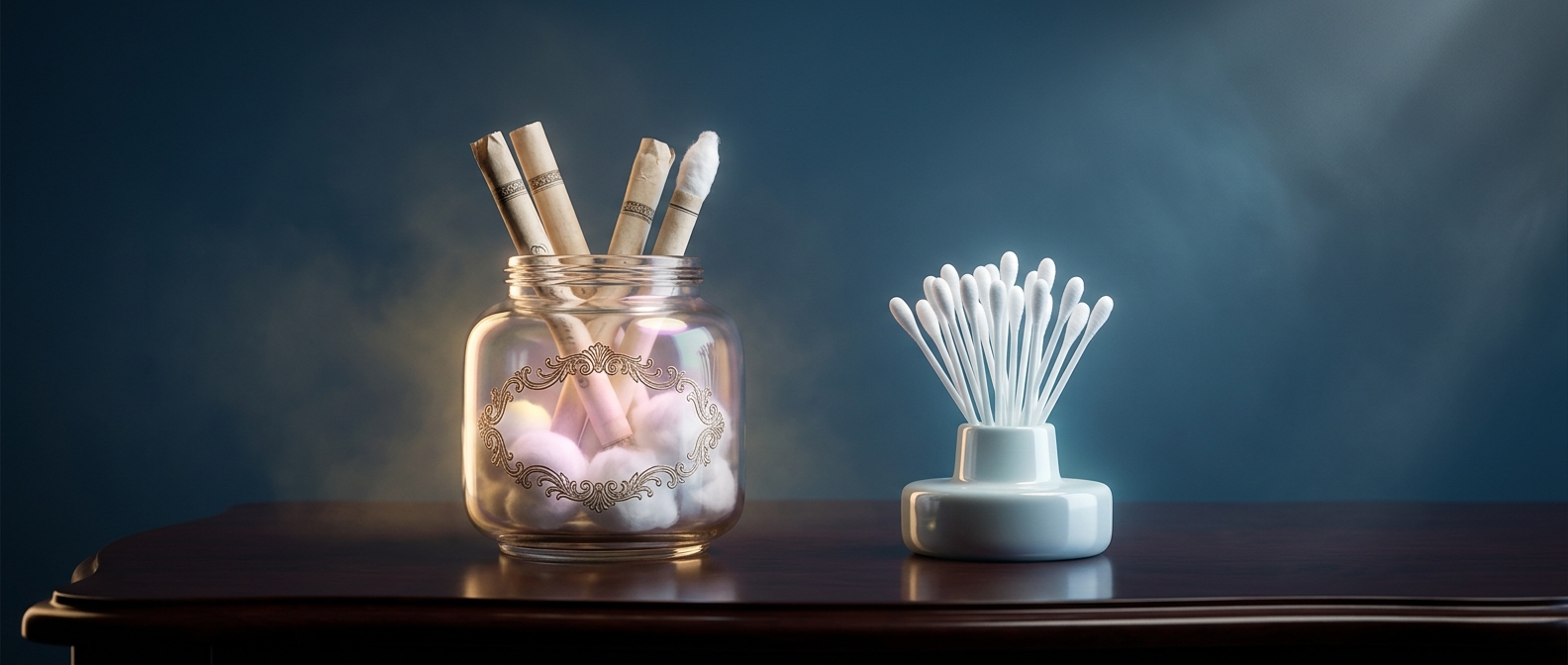
Cotton swabs once had the bizarre name Baby Gays
The swabs were first designed for infants, so “Baby Gays” was a literal name, not a joke. As the product reached a wider market, the branding changed; the…
Discover more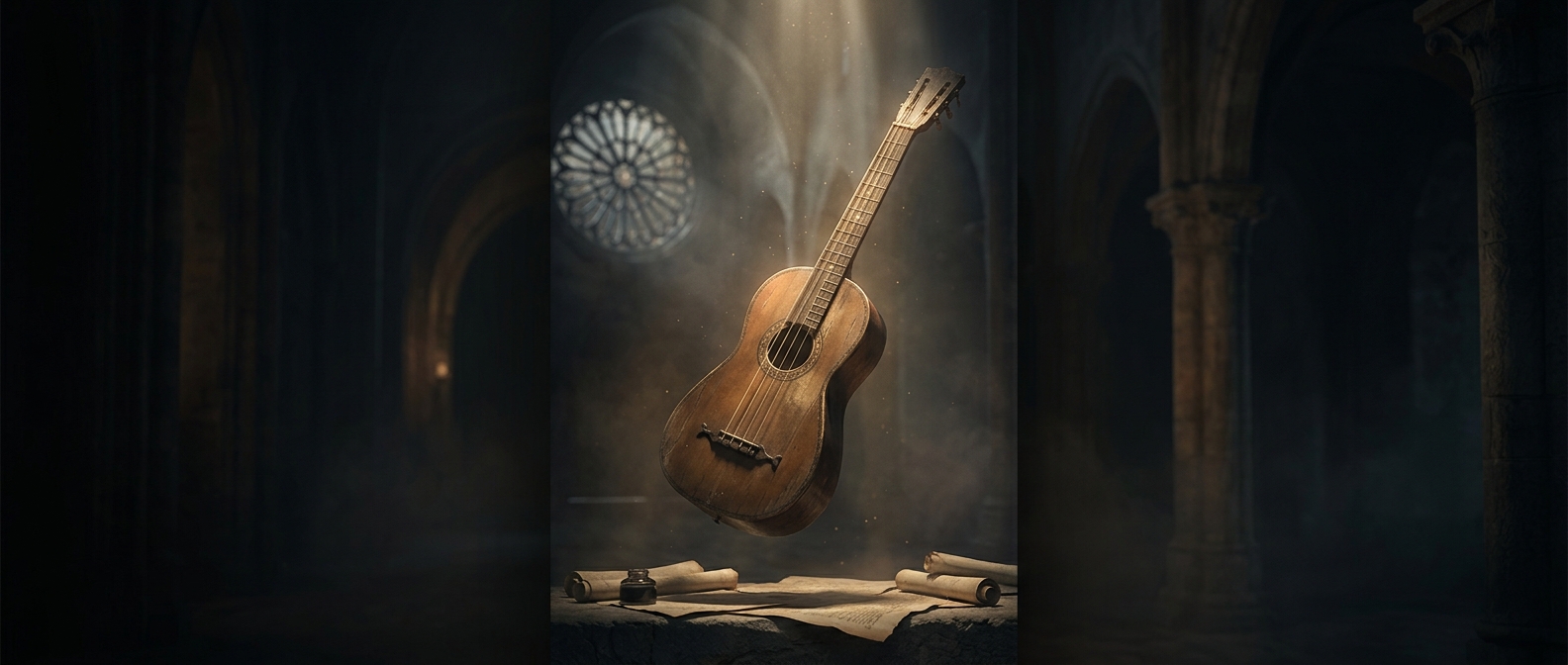
Early guitars grouped their strings in pairs
Renaissance guitars commonly had four courses—groups of strings played together—not simply four individual strings. A course often contained a pair, with a…
Discover more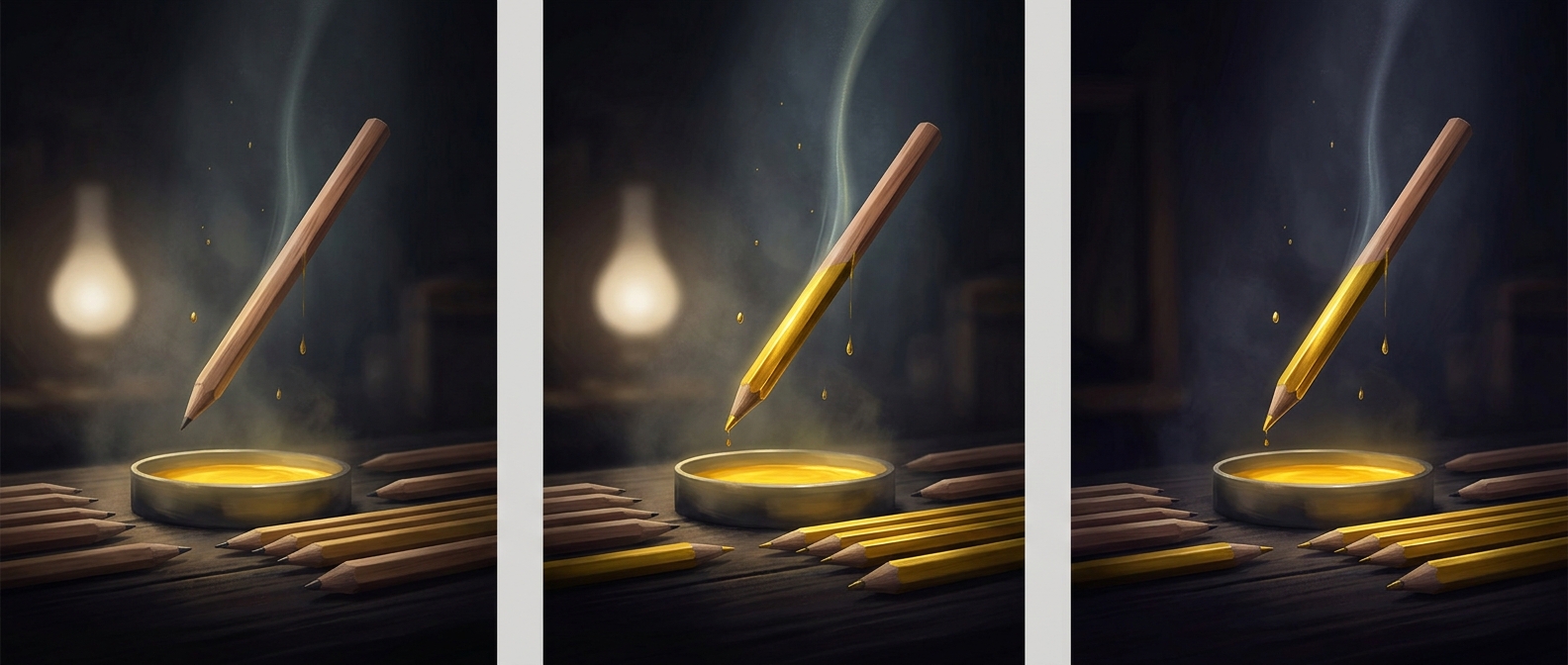
Why pencils are painted yellow
Manufacturers used yellow paint to signal that a pencil’s graphite came from premium imports. The color turned a plain writing tool into a tiny status claim.
Discover more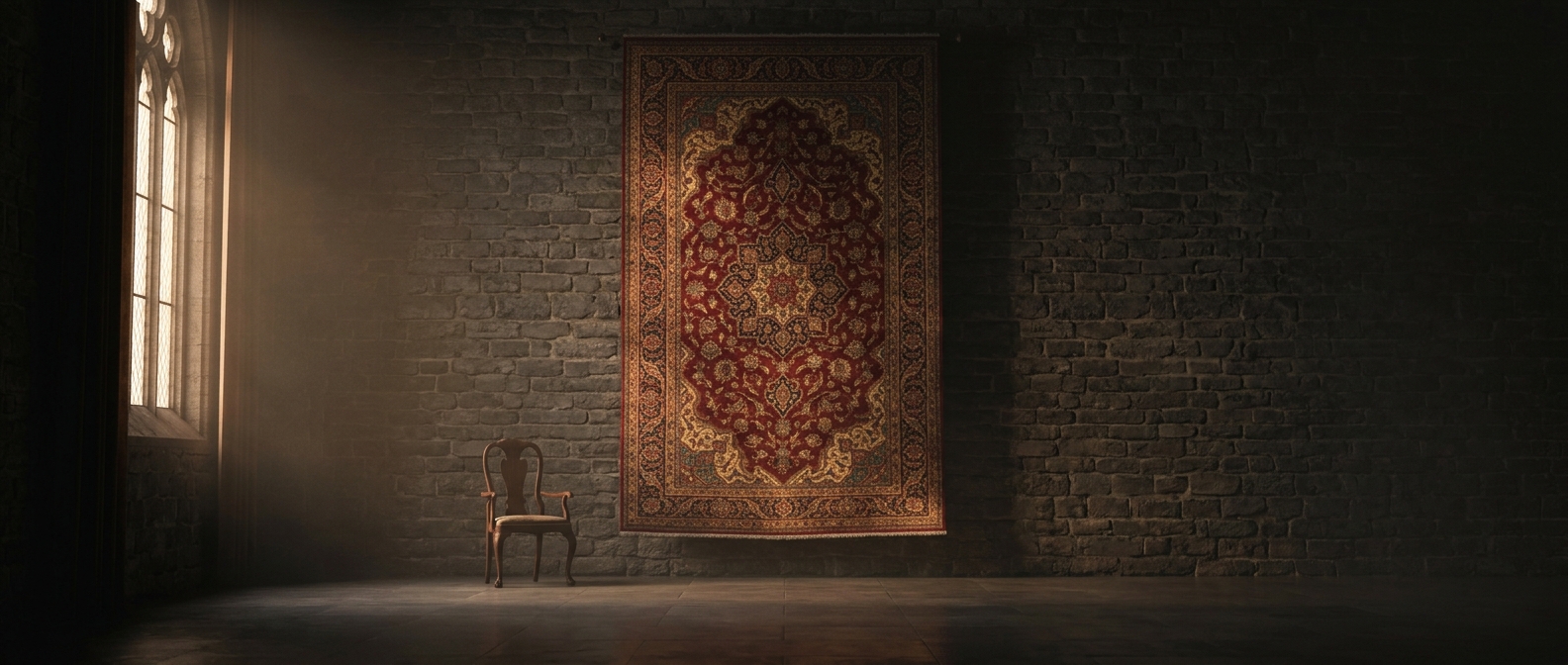
An expensive rug does not have to live under your shoes
Woven carpets have served as floor coverings, wall hangings, and prestigious display objects in different settings. Hanging one makes its pattern visible and…
Discover more
Why different cultures invented xylophones
Separate cultures independently developed xylophones, instruments built on the simple idea of striking wooden bars of different sizes to make different notes.
Discover more
No one owns the classic paperclip design
The familiar Gem clip never received an official patent, so no company can claim exclusive rights to its design. It belongs to everyone by default—not because…
Discover more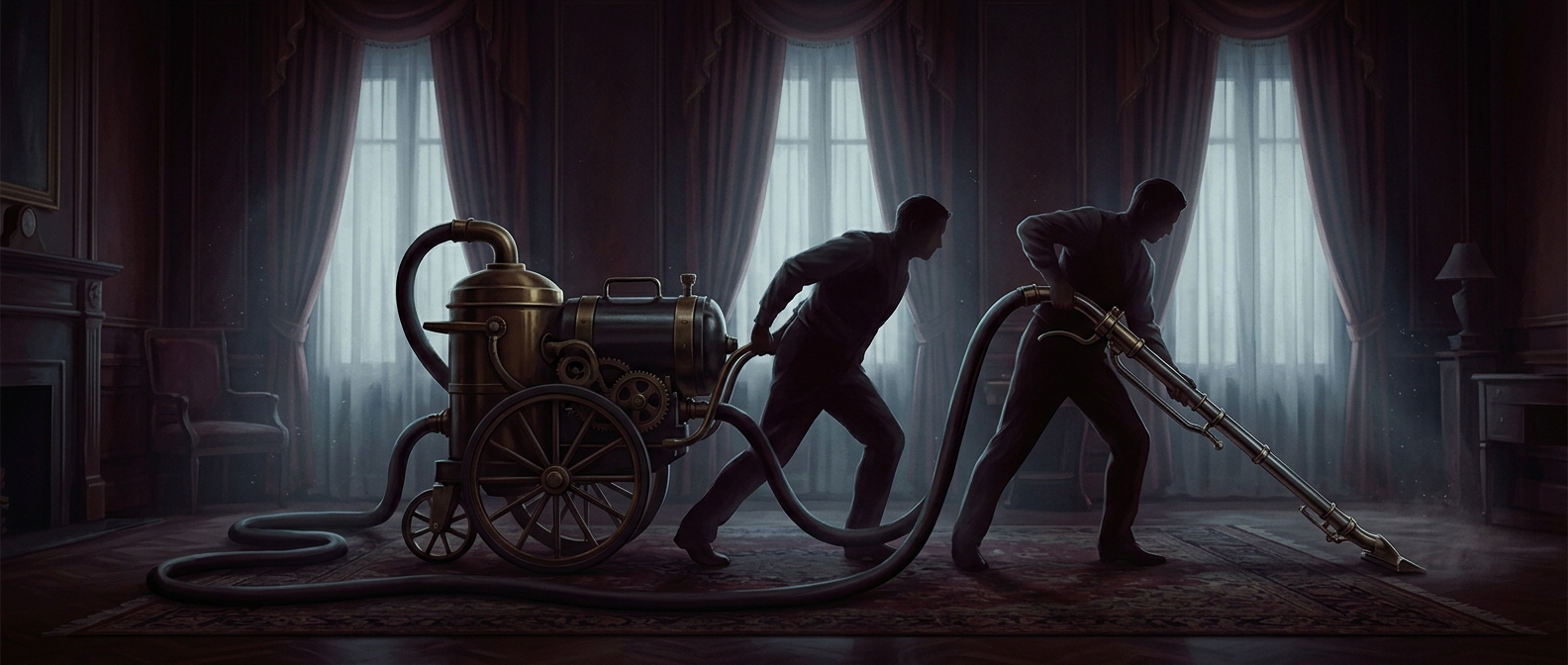
Early vacuum cleaners needed two people
Early vacuum cleaners were so cumbersome that cleaning took a team: one person cranked the machine while another guided the nozzle around the room. The chore…
Discover more
Jingle Bells reached space as a Christmas prank
In December 1965, Gemini 6 astronauts Wally Schirra and Tom Stafford reported a mysterious object and then played Jingle Bells on a tiny harmonica and bells.…
Discover more
One of the earliest drum machines made rhythm with light
Leon Theremin's Rhythmicon, built around 1931, used light sources and rotating perforated wheels to generate repeated patterns. Pressing keys selected rhythms…
Discover more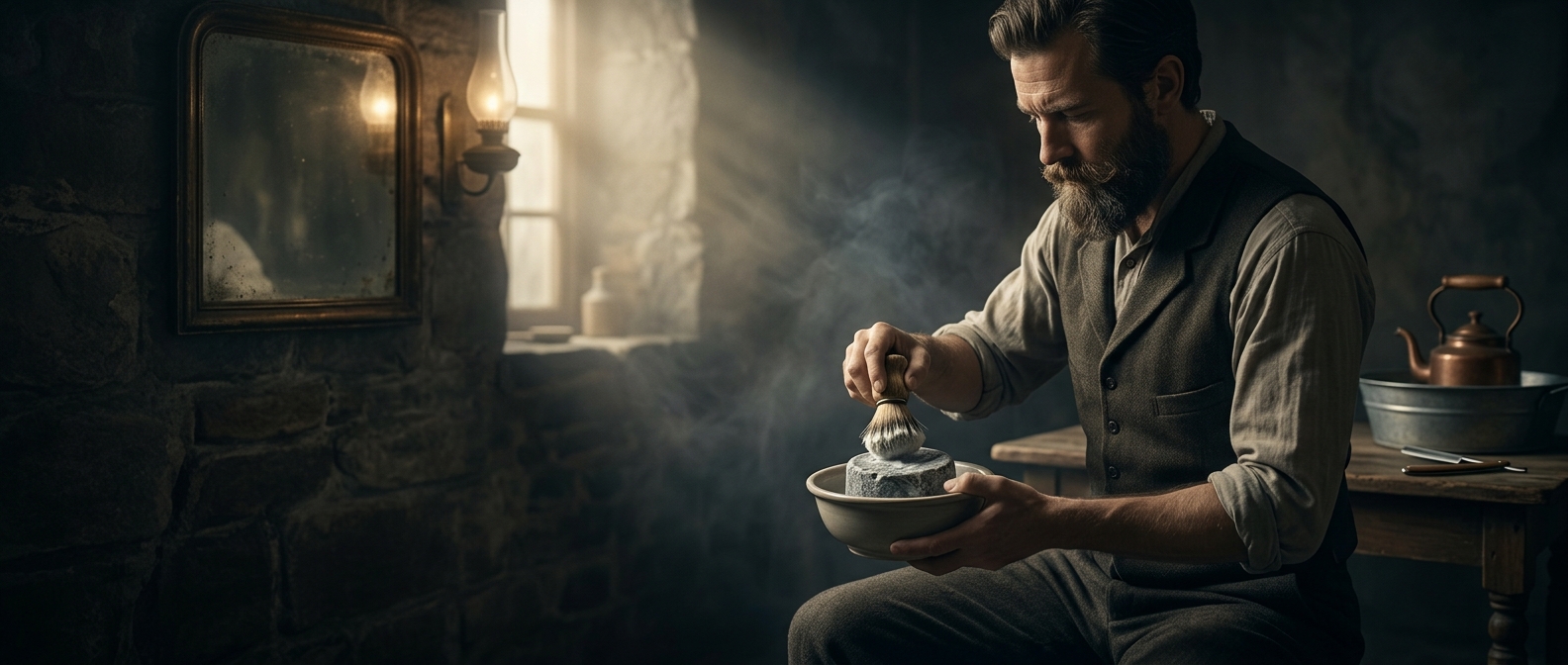
Shaving once meant scrubbing a hard soap puck
The hard, lye-heavy soap had to be scrubbed vigorously onto the face, often before shaving with a dull razor.
Discover more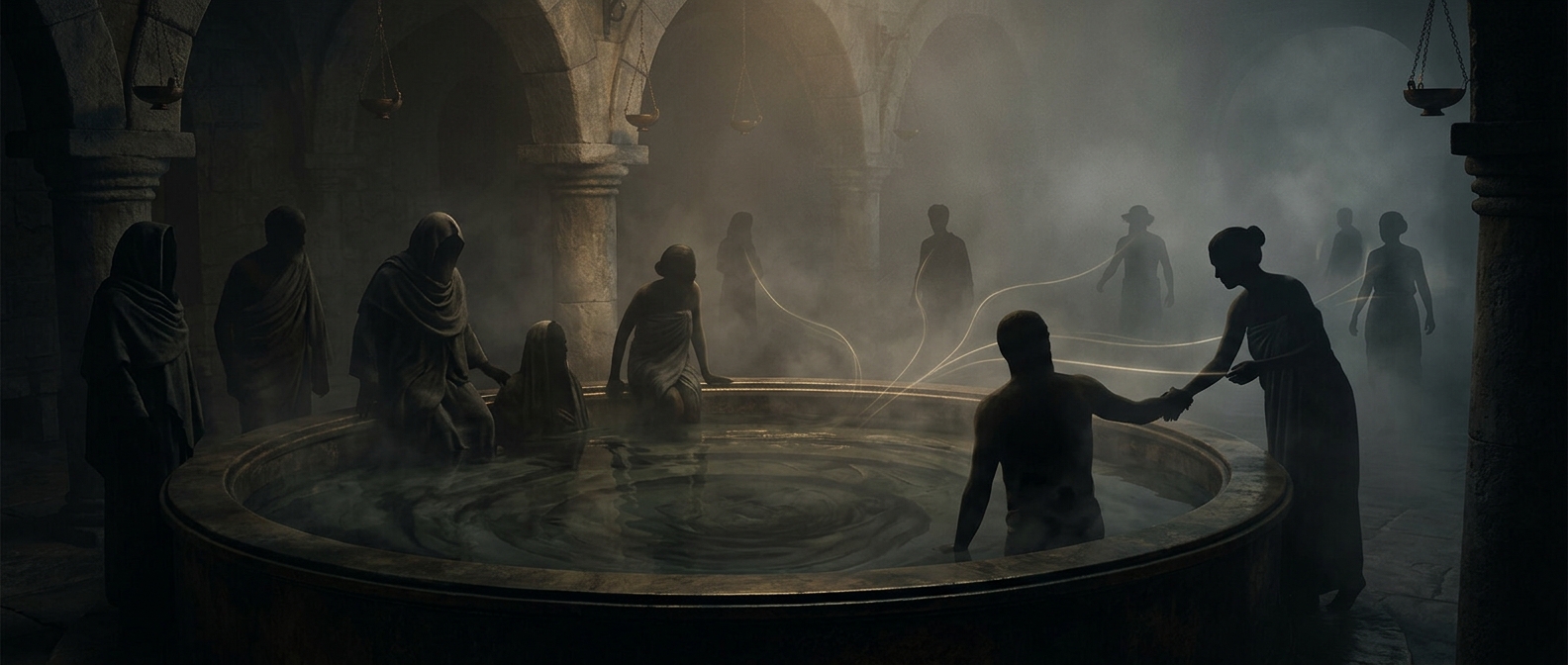
When an entire household shared bathwater
Where a household had one tin tub, it was filled once and passed from one family member to the next. By the last turn, the water had done plenty of work and…
Discover more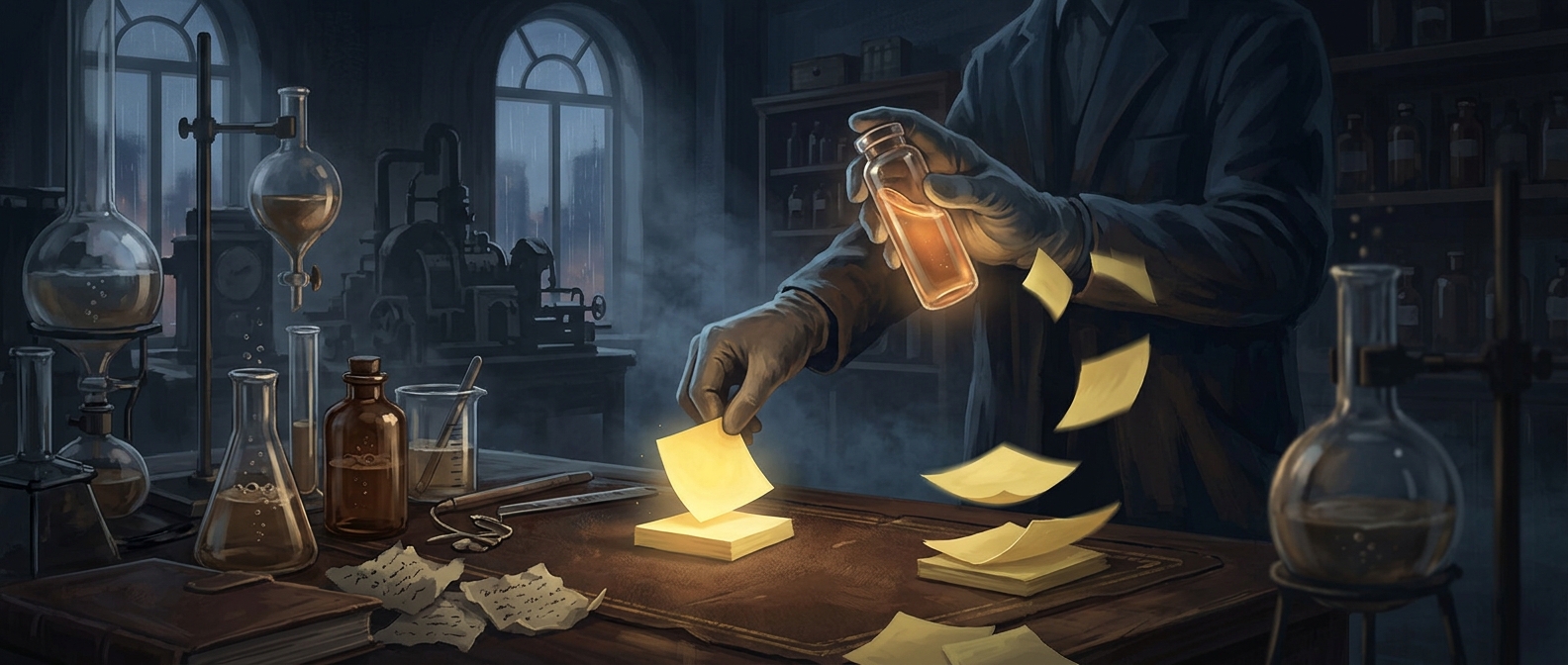
Sticky notes began with a glue that failed
3M chemist Spencer Silver was trying to make a strong adhesive, but his glue barely held. Years later, colleague Art Fry used that weak, removable stickiness…
Discover more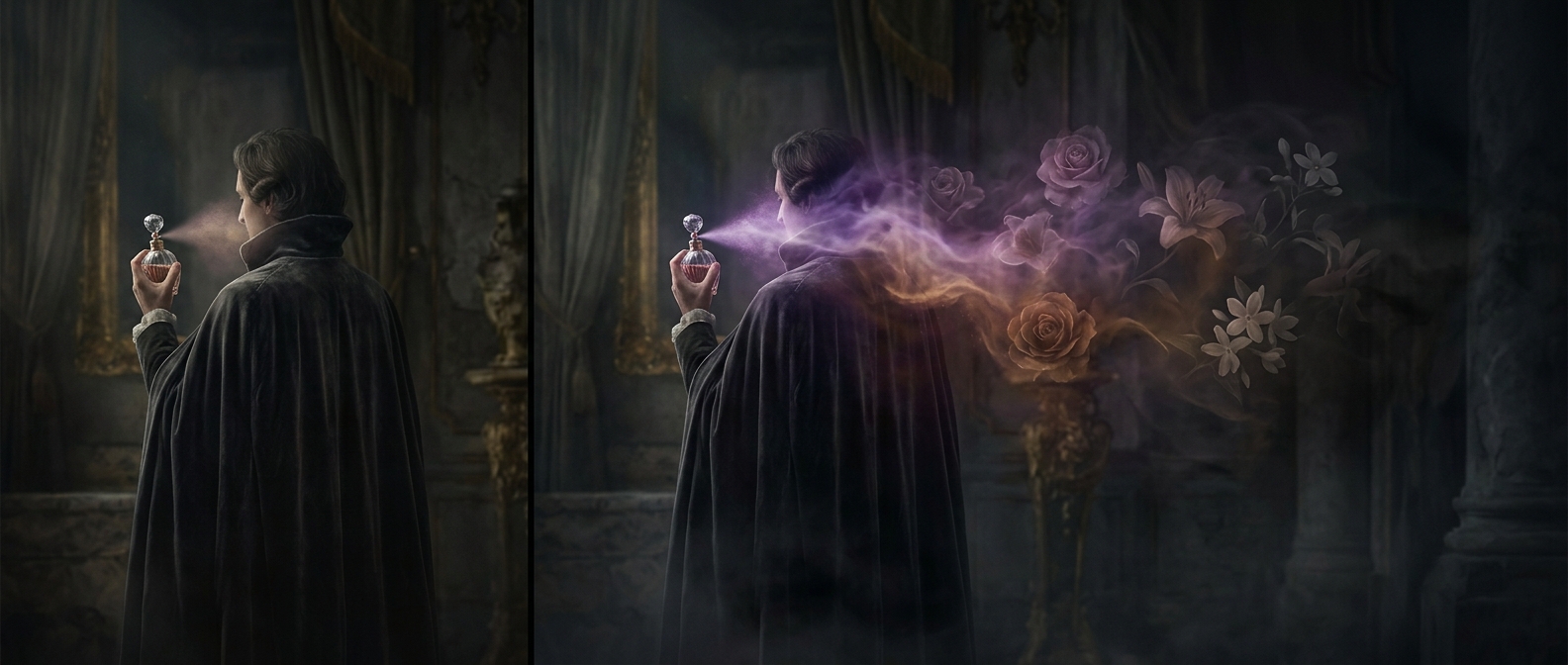
Perfume was relied upon to mask unwashed body stench
Strong perfume covered body odor but didn’t replace a bath, so the fragrance sat on top of the sweat. A scented workaround, not a wash.
Discover more
Castanets were originally carved from hard hollow materials
Early castanet-like instruments were made from hard, hollow materials such as shells. Wooden versions later became popular because they sounded better and…
Discover more
Track length was restricted by physical vinyl limits
A record side had only so much playing time, so musicians trimmed longer songs to fit. The three-minute pop song was partly a format limit that became a…
Discover more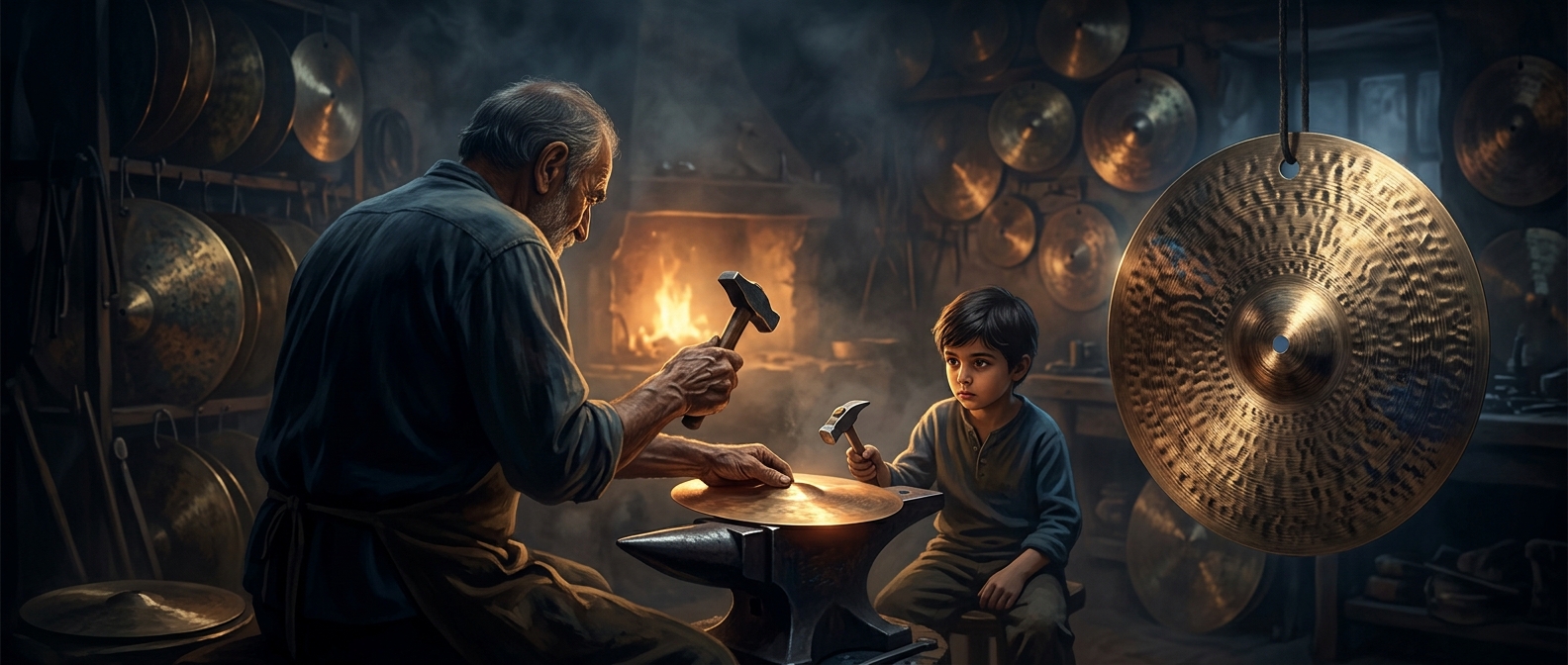
Zildjian's cymbal secret is how it makes the metal behave
The basic ingredients of its bell bronze are no mystery: mainly copper and tin, with traces of silver. The guarded knowledge is the process that gives the…
Discover more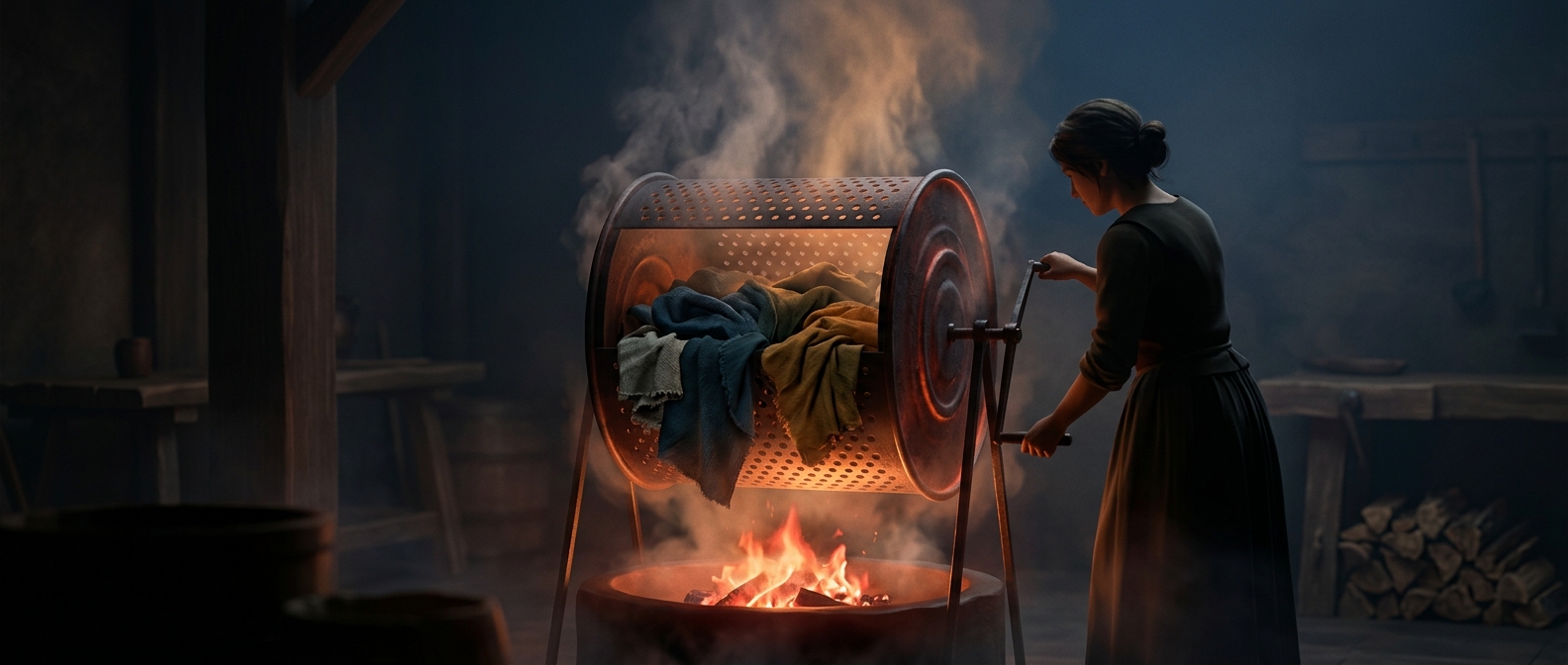
Early clothes dryers put clothes over open flames
Early dryers spun garments in a metal box over an open flame. Drying faster meant putting flammable fabric directly above the fire—an efficiency gain with a…
Discover more