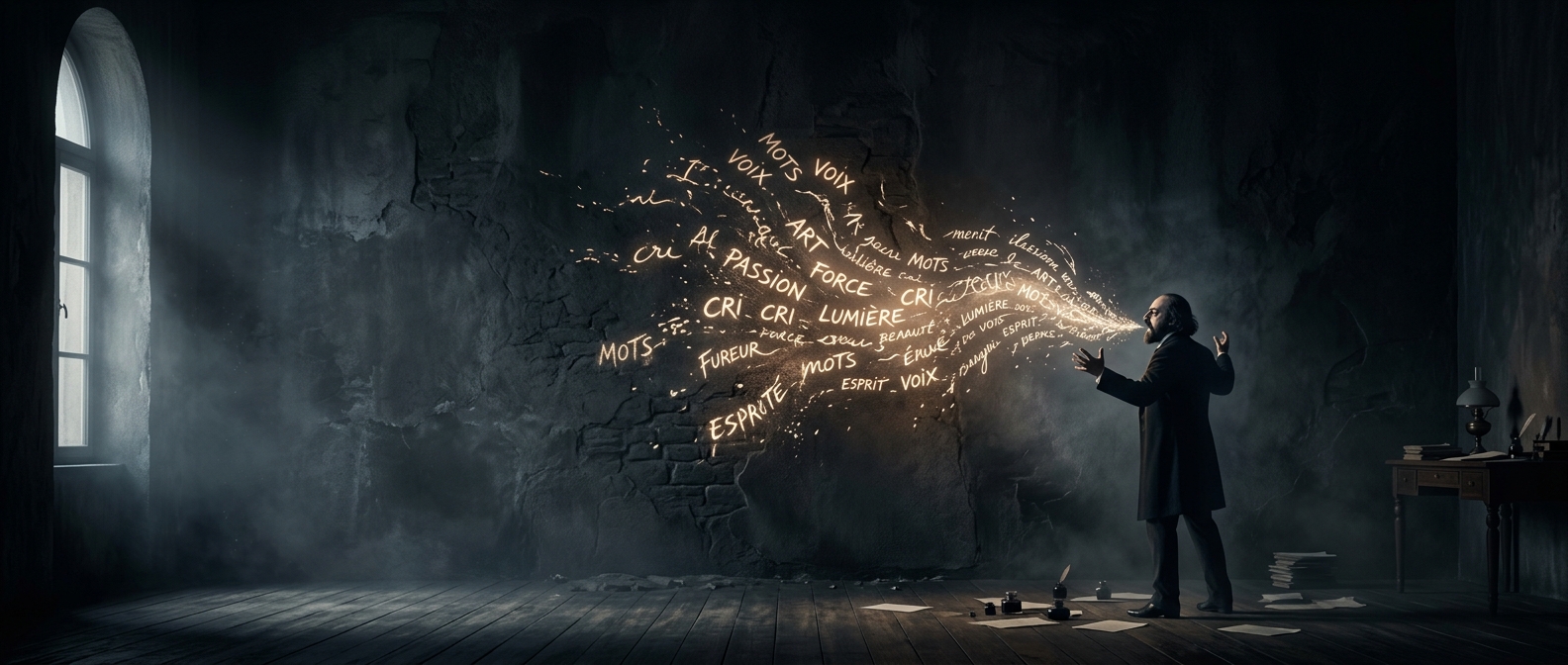
A sentence had to work in the mouth
For Gustave Flaubert, prose was not only a line of meaning on a page. It was also a sequence of sounds unfolding in time. Reading a passage aloud made its construction physical: a long sentence demanded breath, a cluster of similar sounds could feel heavy, and a sudden short phrase could alter the pace.
That test exposed problems silent reading could smooth over. A sentence might be grammatically sound yet stumble when spoken, or move so evenly that it lost force. By hearing the words, Flaubert could judge whether their order and rhythm carried the effect he wanted—not just whether each word was accurate.
Revision as performance
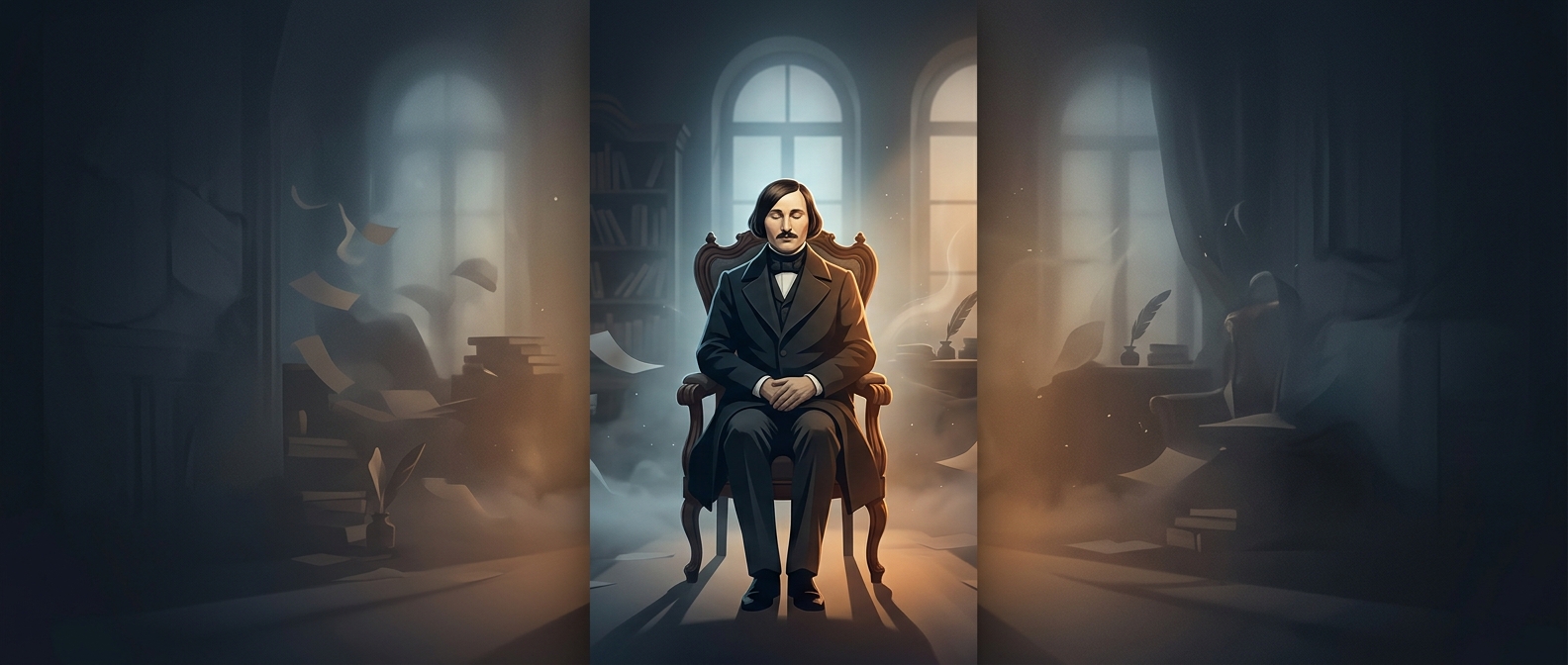
The shouting was part of a practical editing method, not simply theatrical display. Flaubert could repeat a passage, listen for its cadence, then adjust its wording or structure and try again. Each revision changed the reader’s future experience: where attention gathered, when a thought seemed to turn, and how quickly the prose moved.
This helps explain why his attention to wording extended beyond choosing precise vocabulary. A word also had to earn its place in the sentence’s sound and movement. The study became a testing ground where written prose was temporarily treated as speech, and an awkward rhythm could send a carefully composed line back for repair.