When a wager took more than money
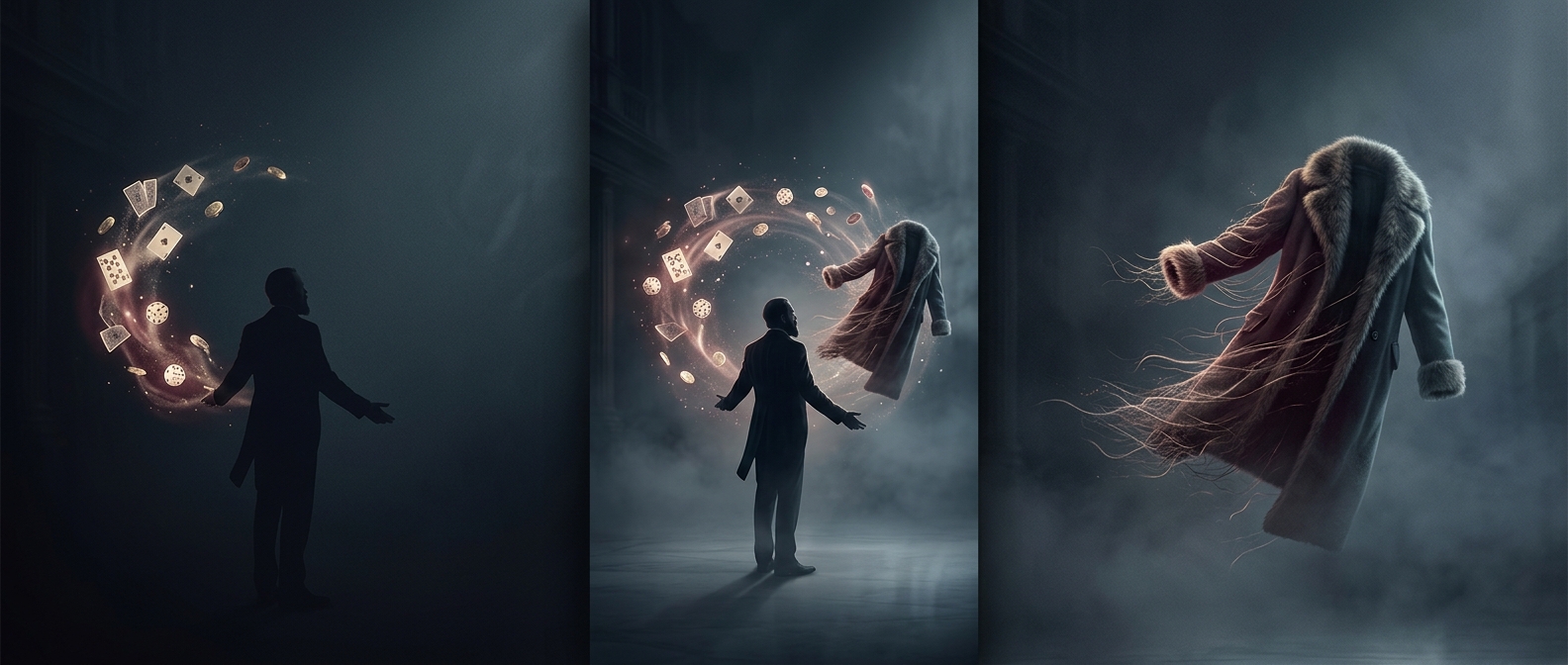
A winter coat was not a luxury in a Russian winter. Losing his heavy coat meant Dostoevsky had gambled away protection he needed on the walk home. The episode makes the cost of gambling unusually tangible: a bad hand could turn an evening’s losses into immediate physical discomfort.
Roulette followed him onto the page
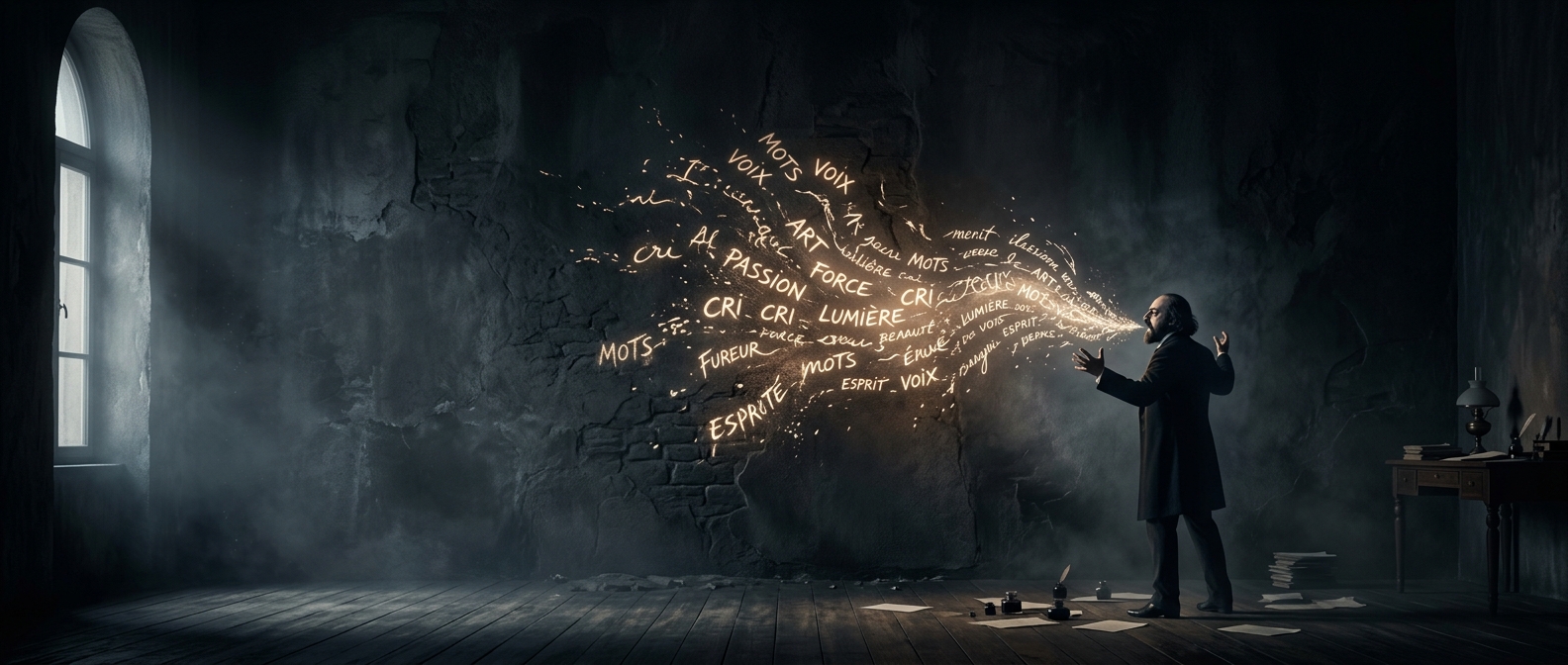
Dostoevsky’s gambling was not just a subject he observed from a distance. His repeated experience with roulette helped shape The Gambler, a novel about a man caught between the hope of a life-changing win and the urge to keep betting after losses. That cycle is the trap: each wager promises a way to recover what has already disappeared, making it harder to stop.
The coat story compresses that pattern into one image. The stake was no longer an abstract sum on a table; it was something he would need as soon as he stepped outside. A wager could keep costing him after the game was over.