A habit without a settled explanation
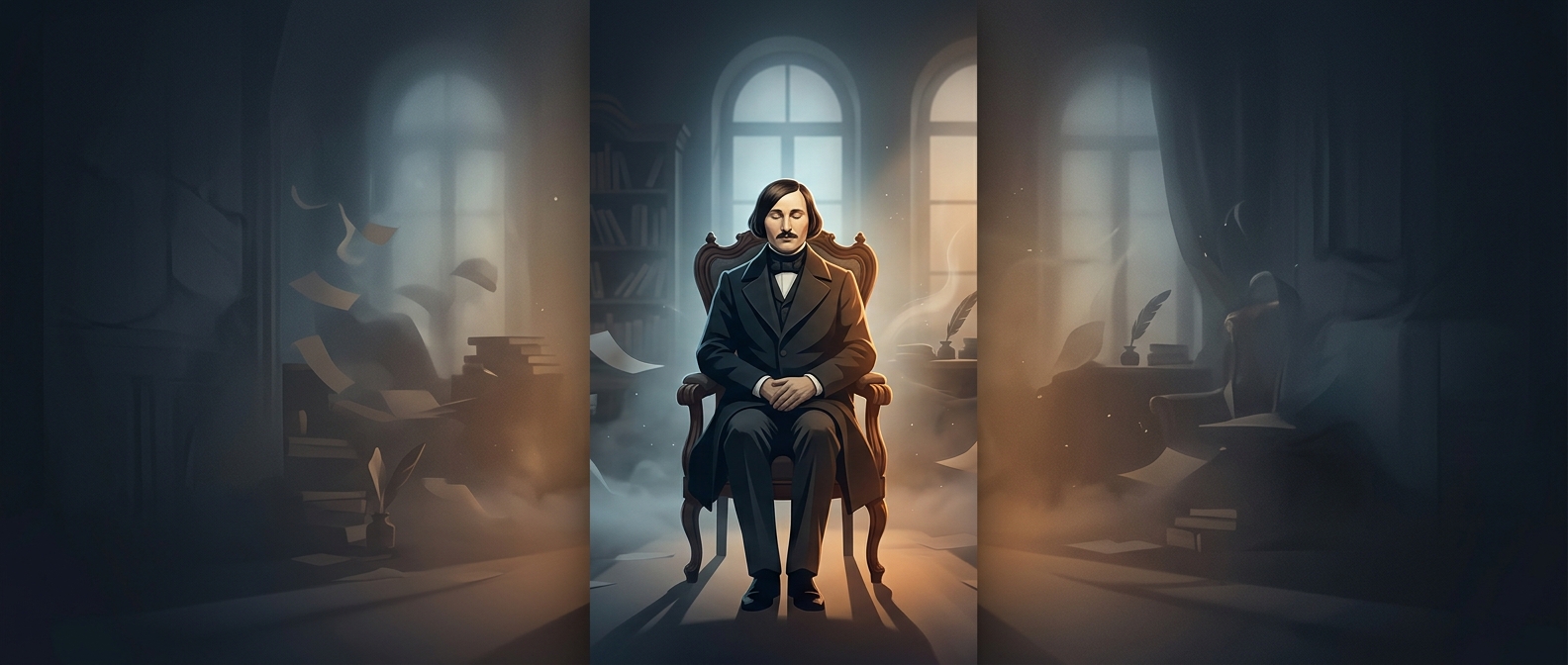
Accounts say Nikolai Gogol slept upright in a chair, but they do not establish why. That distinction matters: a repeated biographical anecdote can preserve a striking detail while losing the circumstances that would explain it. Without a dependable account of what Gogol himself said, assigning the habit to illness, fear, or personal ritual would turn possibility into fact.
What the posture can—and cannot—tell us
Sleeping propped up may be a response to discomfort or simply a preferred way to rest, but those general possibilities do not identify Gogol’s motive. His chair-sleeping is therefore a small but revealing example of the limits of biography: the visible action survives, while the private reasoning behind it does not.
Gogol is remembered chiefly for his writing, yet an unexplained domestic detail can linger precisely because it resists a neat interpretation. The chair is part of the story; the reason remains unknown.