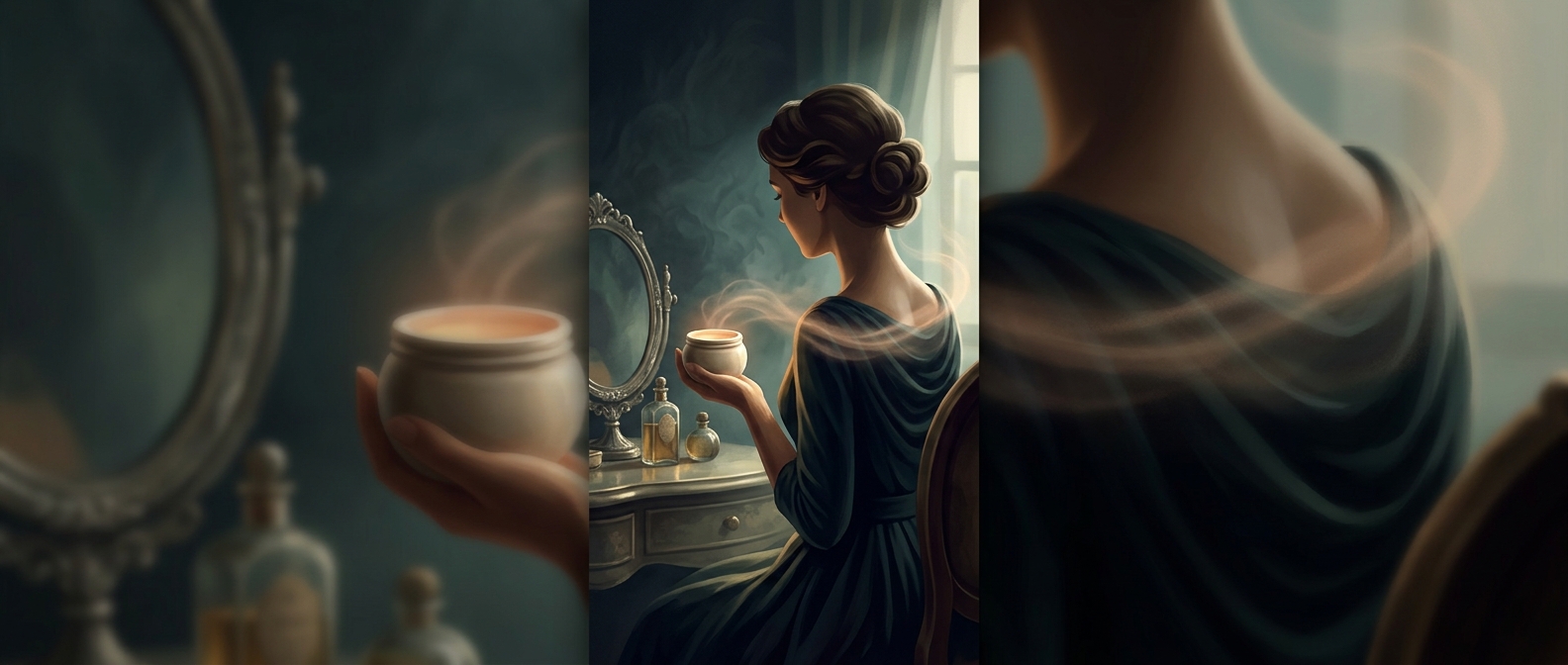
A small cream with a discreet name
Mum appeared in the late 19th century, when controlling underarm odor was becoming a product people could buy rather than a problem they had to manage privately. It was a cream, not a roll-on or aerosol: users applied it with their fingers, putting the product directly where odor developed.
The name did some of the marketing’s work. “Mum” echoed “mum’s the word,” an expression for keeping quiet. It made the subject of body odor feel less bluntly exposed, even as the product brought it into shops and advertising.
Masking odor was not the same as stopping sweat
Underarm odor forms when bacteria on the skin break down substances in sweat. Early deodorants aimed to reduce or cover that smell; they were distinct from antiperspirants, which reduce the amount of sweat reaching the skin. That difference matters: a product could address the odor without making the body stop sweating.
Mum’s importance was not that it invented a glamorous new routine. It helped turn an old, intimate concern into a repeatable consumer habit—and its name shows how carefully early sellers handled a subject customers might not want to say aloud. The product’s pitch could be simple: apply a little, and keep mum.