Before the Bathroom Fixture, a Basin by the Bed
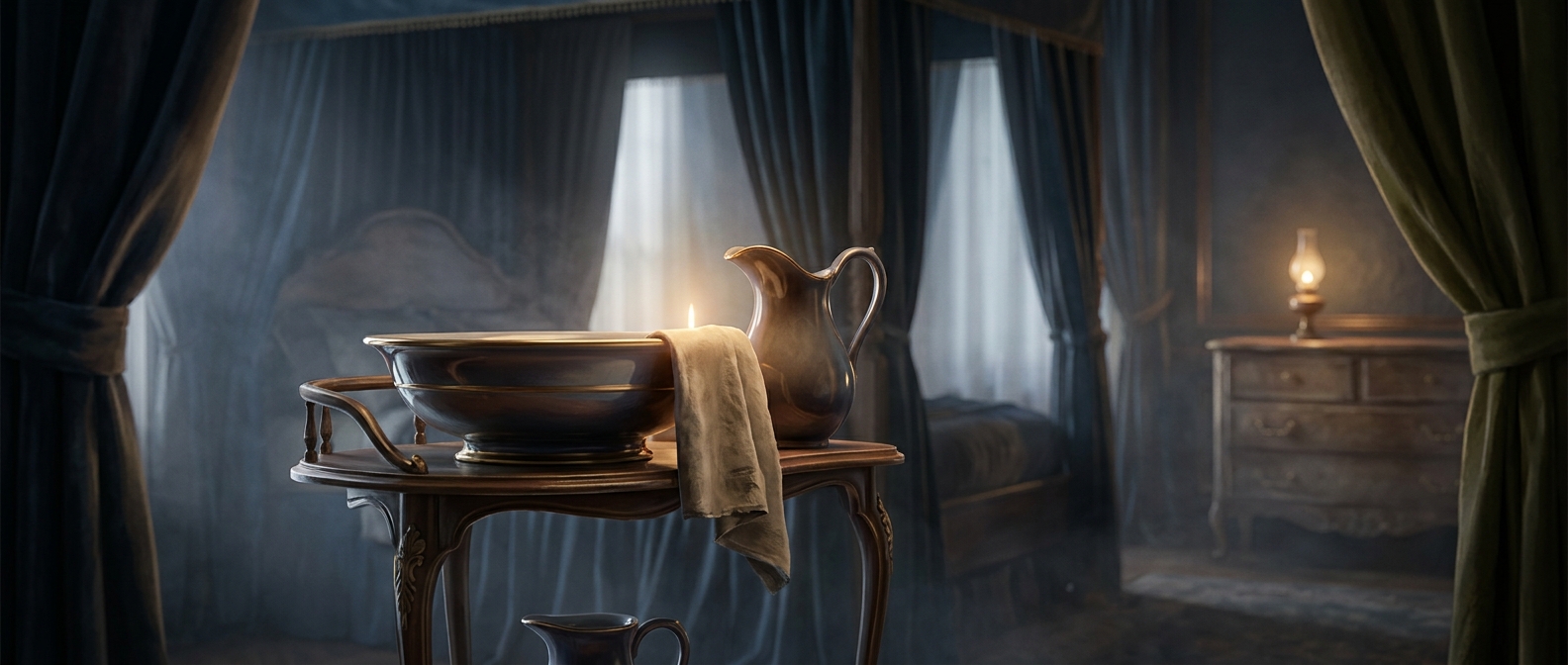
The early bidet belonged to the bedroom because washing was often done there. In homes without a modern bathroom, a portable bowl and a pitcher of water could serve for intimate cleaning as part of a broader routine of washing at a washstand. A wooden stand raised the basin to a usable height; it did not require plumbing or a permanent place in the house.
The word bidet comes from a French term for a small horse. Early designs were straddled much like a saddle, a practical posture that helped give the object its name. The basin was furniture as much as equipment: it could be brought out when needed, filled by hand, and emptied afterward.
Plumbing Changed the Bidet’s Place in the Home
As indoor plumbing and dedicated bathrooms became more common, the bidet could be connected to the household water supply and installed beside a toilet. That shift changed more than its appearance. A fixture no longer had to be carried, filled, or emptied, and intimate washing became part of the bathroom’s fixed layout rather than a bedroom washing routine.
The portable form is a reminder that familiar household fixtures often began as movable solutions to a practical problem. Before a bidet was built into a room, it was a basin someone could place within reach of the bed.