Why One Tub Had to Serve a Household
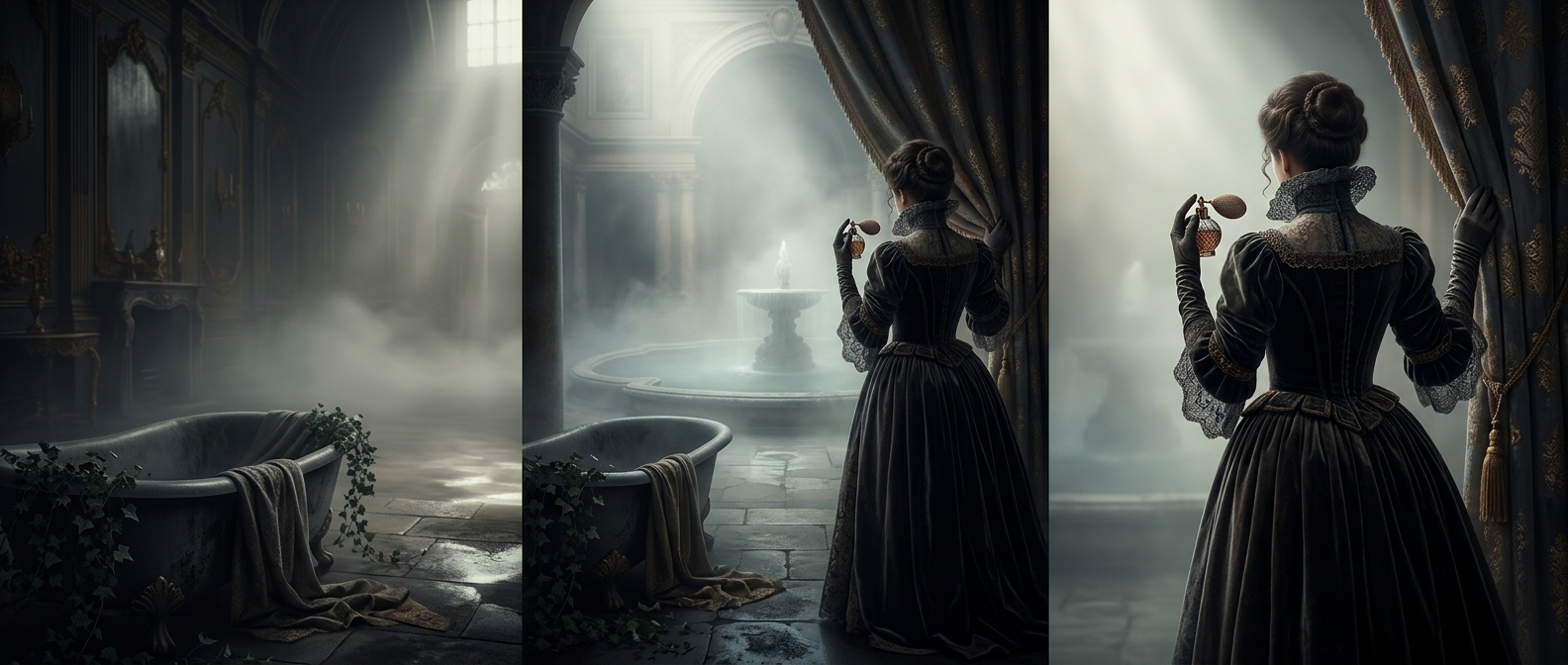
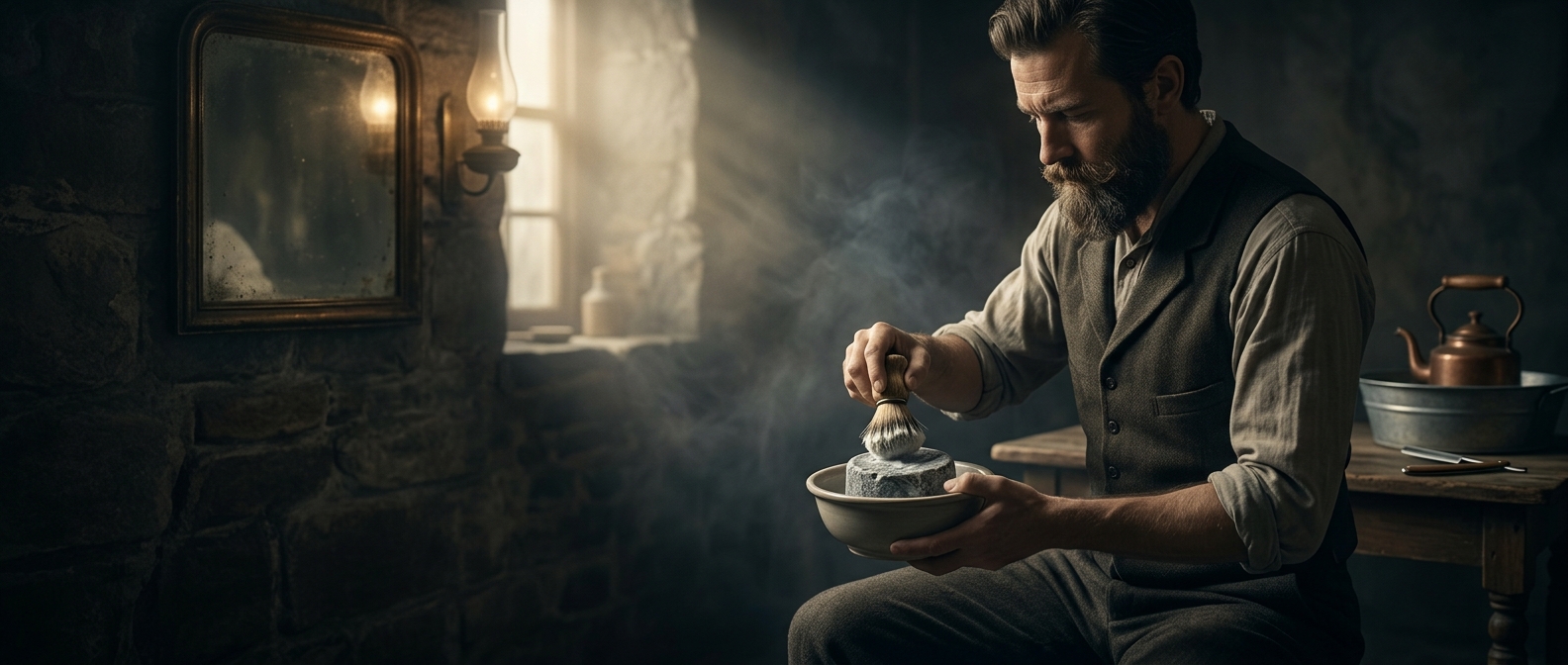
Before indoor plumbing and plentiful hot water, bathing could be a chore that began long before anyone climbed into the tub. Water had to be hauled in buckets, heated over a fire, and poured into a large metal bath. Repeating that work for each person would use more fuel and time, so families often shared the same bathwater rather than starting fresh for every bath.
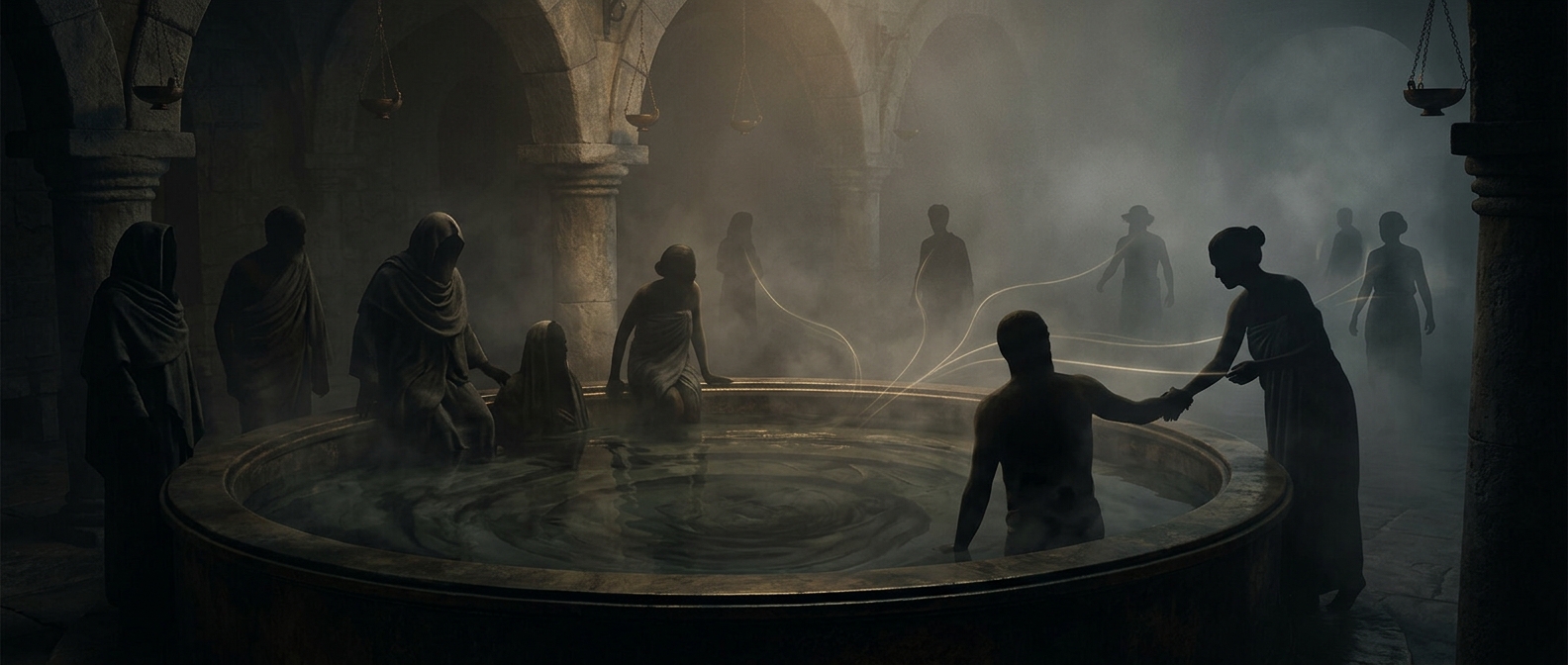
The tub might be set near the hearth, where water could be warmed, but it was still a limited supply: once poured, it cooled and grew cloudier with use. Bathing order varied by household and circumstance; there was no single universal routine.
The Cost of Making More Hot Water
The practice was less about treating dirty water as ideal than about making a labor-intensive resource go further. Carrying water was heavy work, and heating a fresh tubful meant another round of hauling and fuel. In homes without a dedicated bathroom or running taps, the bath itself was a temporary household setup, not a ready supply of hot water.
That helps explain why the last person’s bath could be so unappealing—and why the image stuck. The familiar warning not to “throw the baby out with the bathwater” draws on the idea of a baby being hard to see in murky water, though the saying’s history is more complicated than a literal record of one bathing custom. The concrete household reality behind the image is simple: one carefully heated tubful had to do a lot of work.