History
Discover facts about history. Small discoveries that change the way you see familiar things.
History
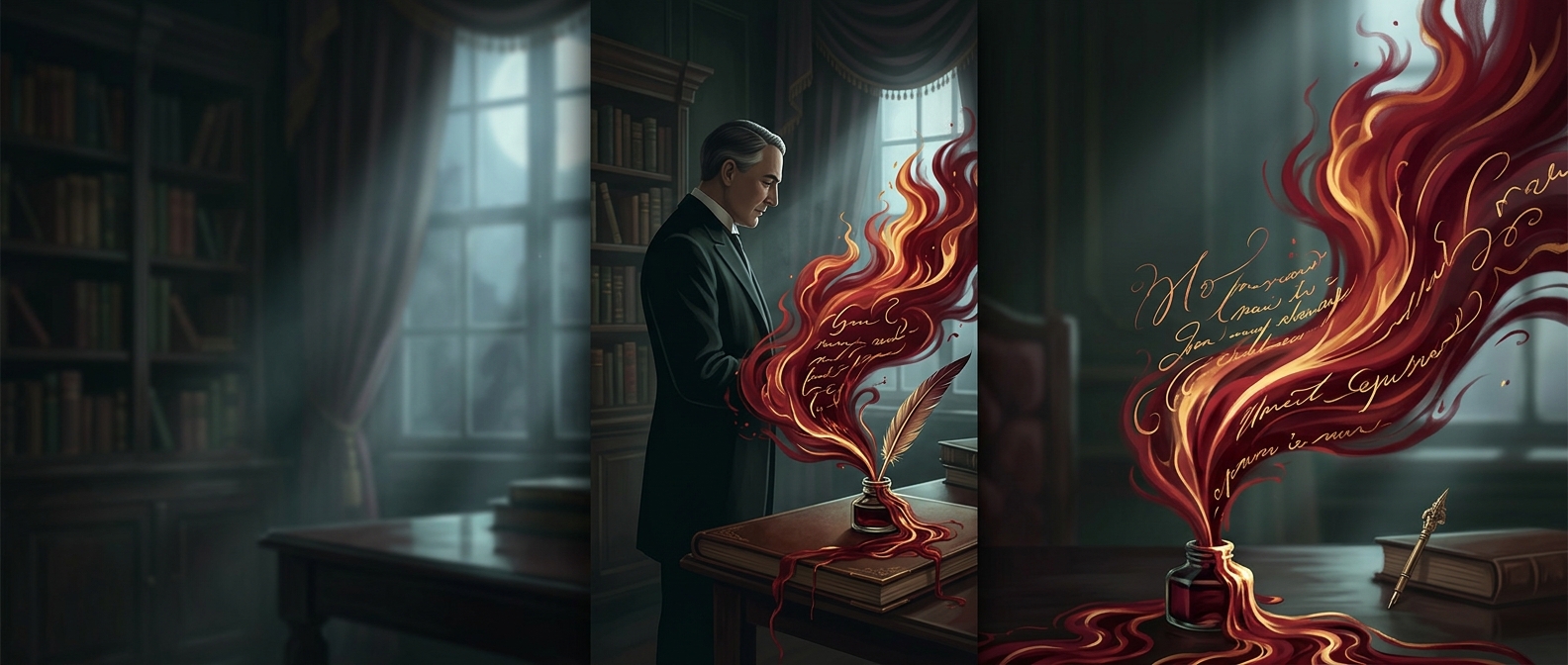
Warren G. Harding wrote shockingly dramatic love letters
His letters to a mistress mixed melodrama with oddly specific coded language—details that make the private correspondence especially awkward to read today.
Discover more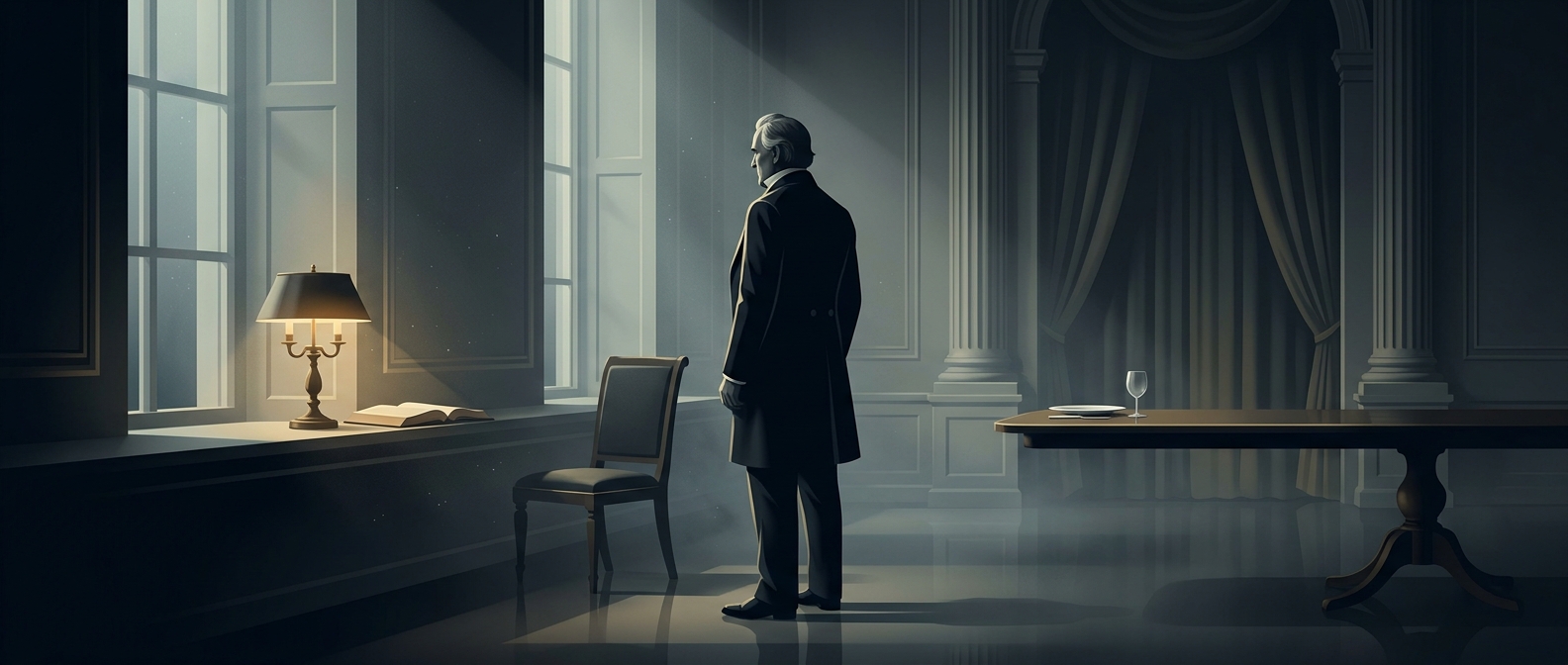
James Buchanan remained a lifelong bachelor
Because Buchanan never married, his niece Harriet Lane took on the White House hosting role usually filled by a president’s wife. The presidency still needed…
Discover more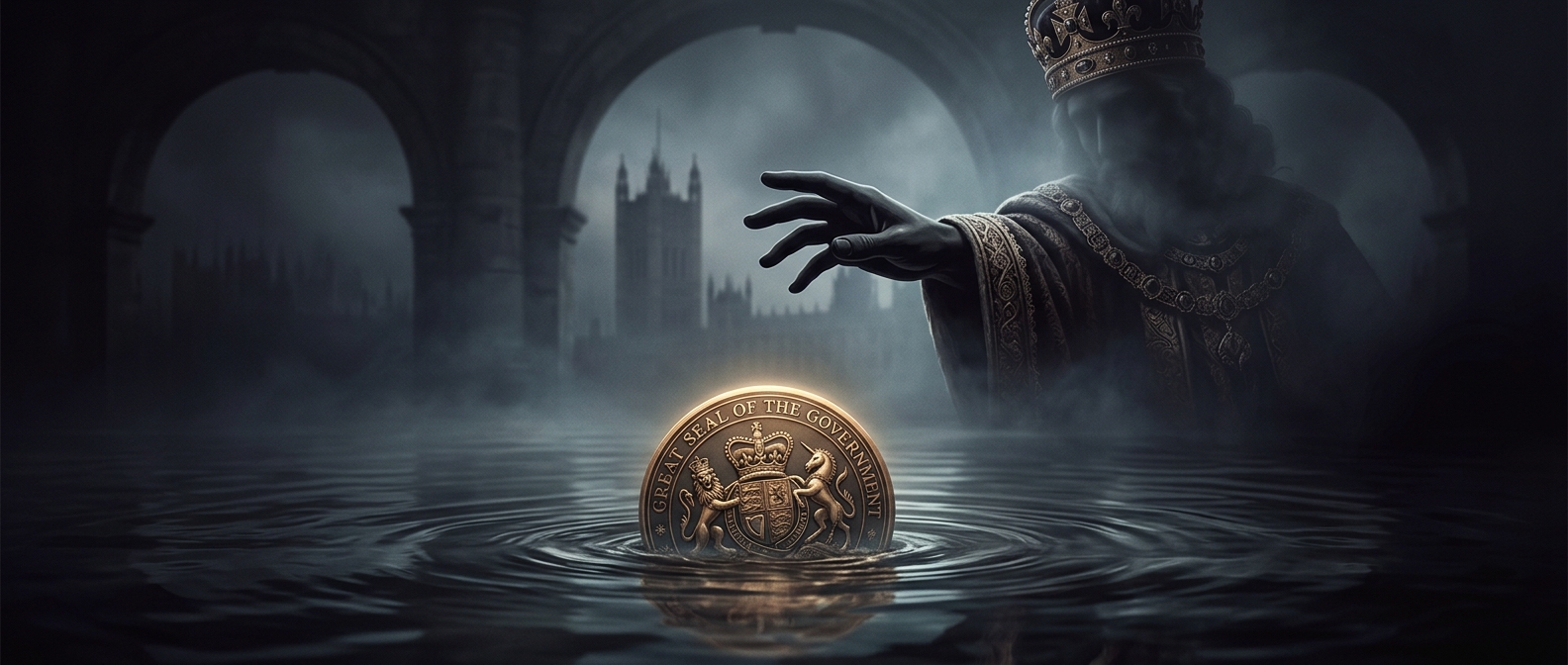
King James II purposefully dropped the government seal
As he fled, James II threw the Great Seal into a river, apparently hoping its loss would disrupt the new government’s ability to issue official documents.
Discover more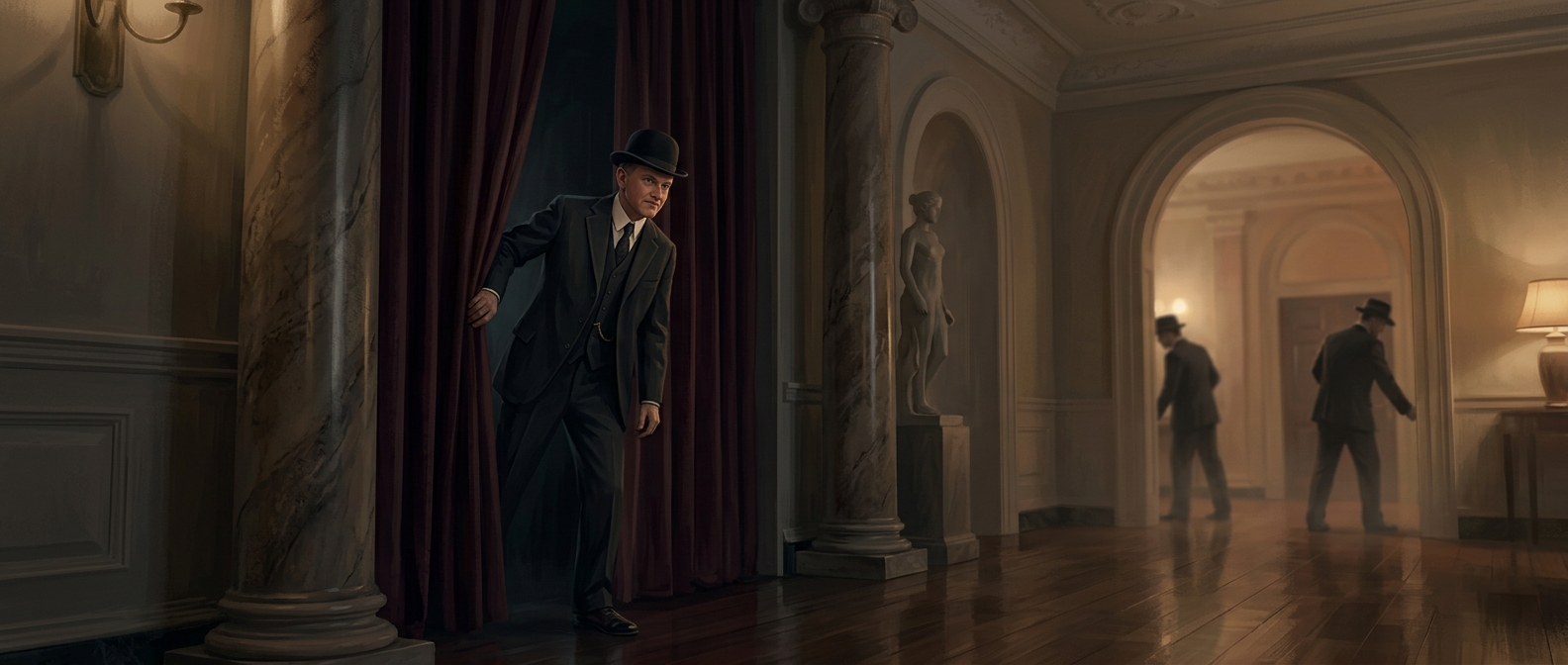
The Coolidges turned a Thanksgiving gift into a pet raccoon
Rebecca arrived at the White House in 1926 with the suggestion that she be eaten for Thanksgiving. Calvin and Grace Coolidge kept her instead. She received a…
Discover more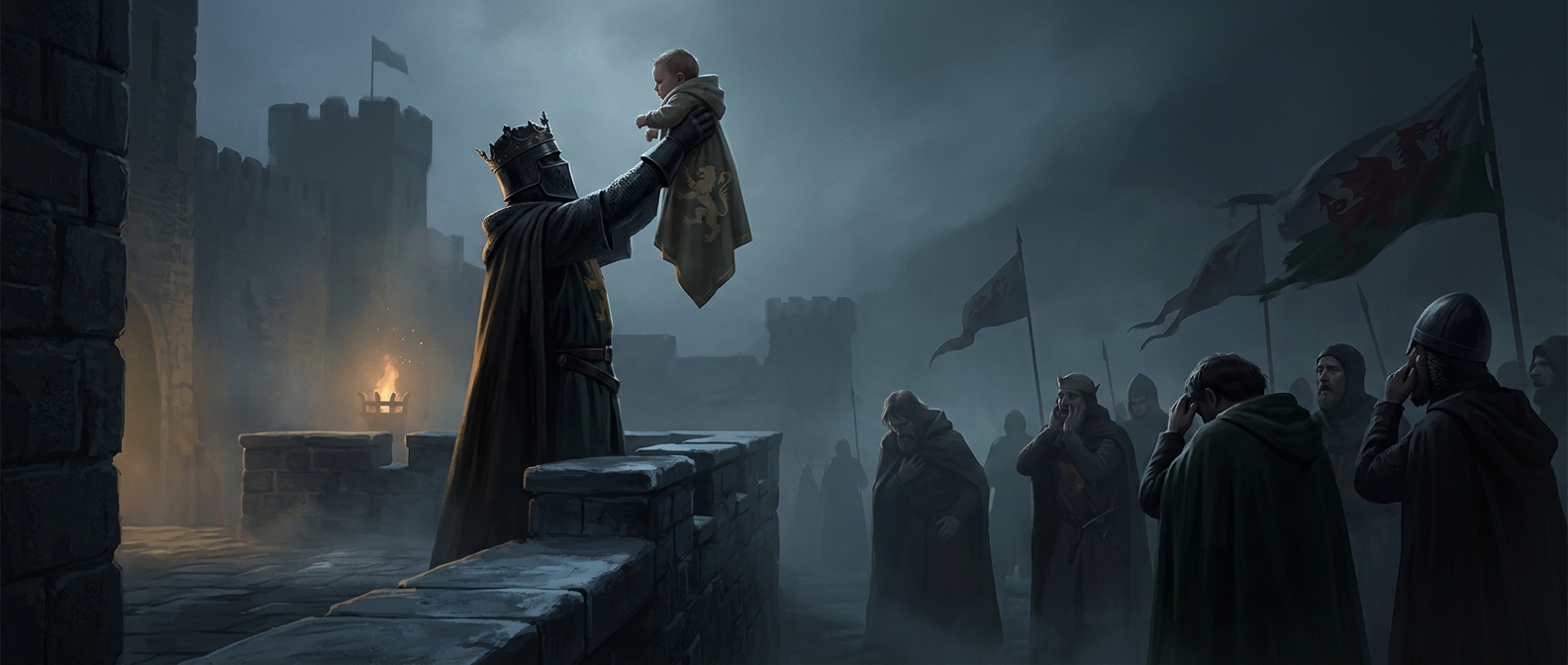
A royal baby became the punch line of a story about Welsh independence
Legend says Edward I promised Wales a native-born prince who spoke no English, then presented his infant son. The historical son was born at Caernarfon in…
Discover more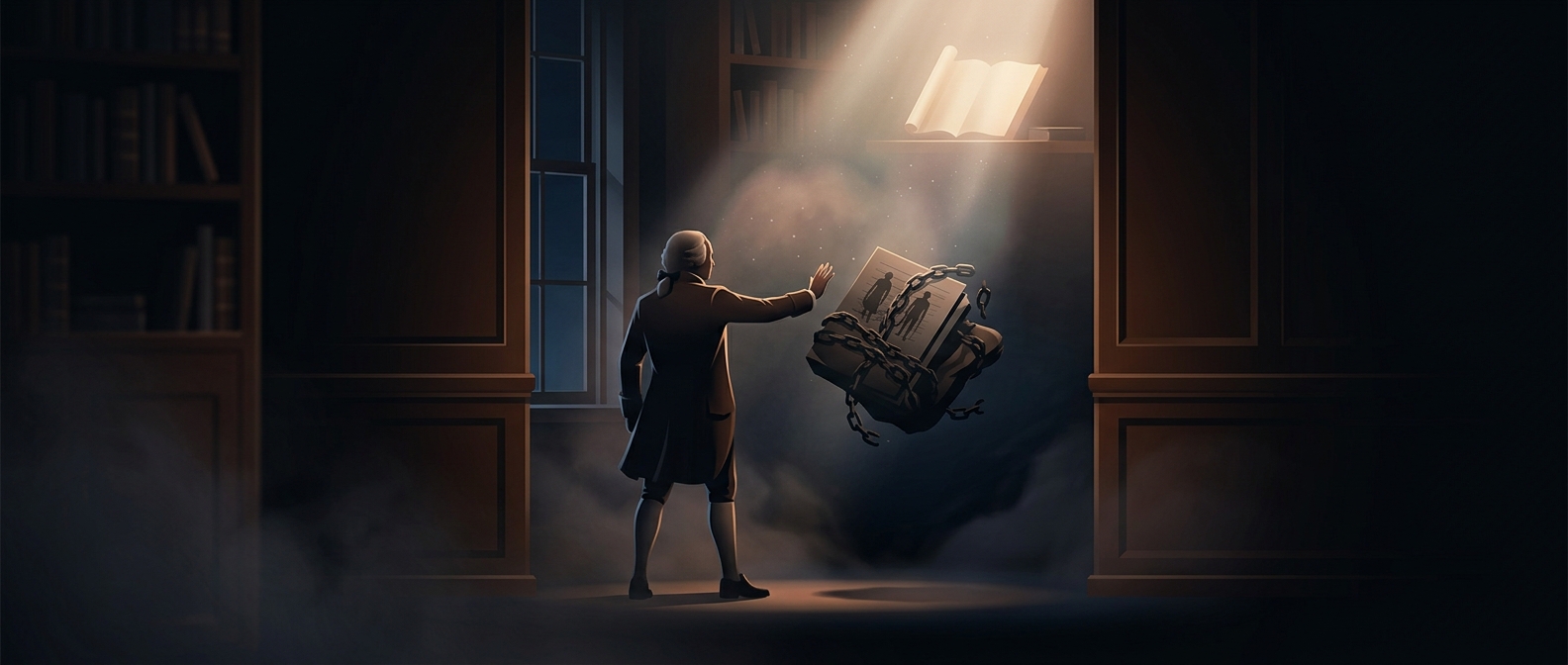
John Adams completely rejected slave ownership
Adams never owned enslaved people, unlike many of his fellow founders. That personal line stood in sharp contrast to a nation proclaiming liberty while…
Discover more STACKY FOR IPHONE
A bigger world.
One discovery
at a time.
Keep discovering with Stacky. Interesting facts in an app that is always within reach.
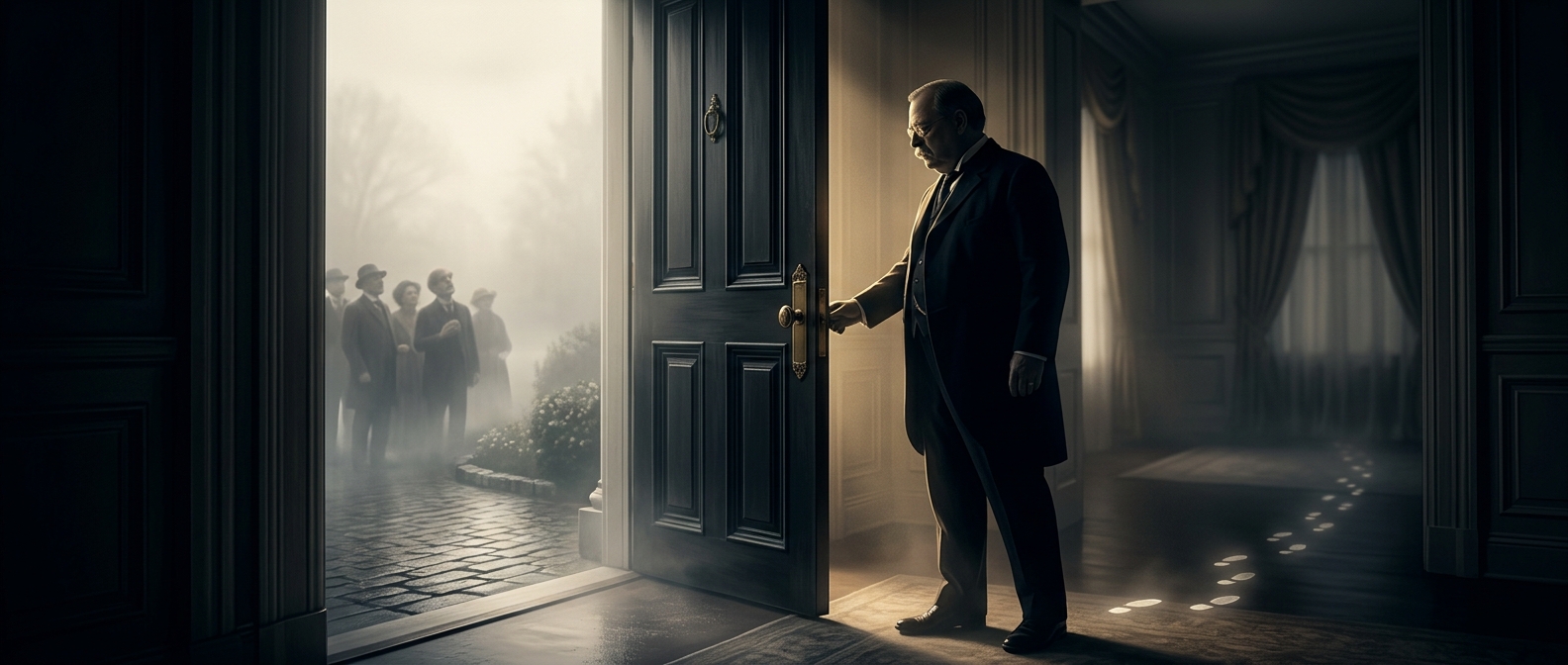
When the president answered his own front door
In the late 19th century, President Grover Cleveland sometimes answered the White House door himself, serving as his own receptionist.
Discover more
The pope who claimed authority over everyone
In 1302, Boniface VIII used the bull Unam Sanctam to assert papal authority over kings as well as ordinary believers. Philip IV of France answered by having…
Discover more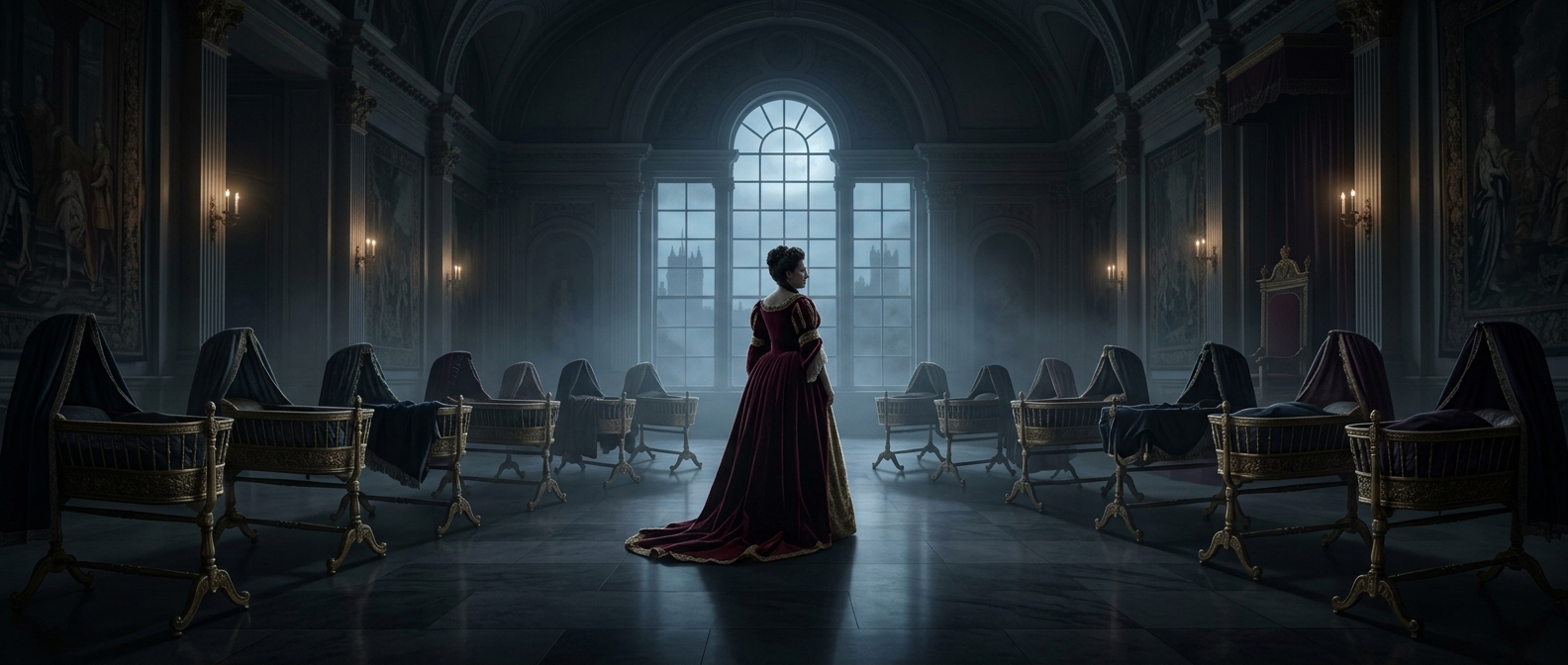
Queen Anne had 17 pregnancies but no surviving heir
With no child to inherit, Parliament had to settle the succession beyond Anne's line. The 1701 Act of Settlement pointed to the Protestant Hanoverians, and…
Discover more
Benjamin Harrison possessed a freezing personality
Harrison was known as the “Human Iceberg” for his stiff, unapproachable manner, which reportedly left his own staff feeling unwelcome.
Discover more
Nixon once applied to be a special agent—and was rejected
The FBI passed on Nixon’s application decades before he became president. The rejection closed one career door; it did not keep him out of Washington.
Discover more
Jimmy Carter micro-managed the presidential scheduling
Carter personally approved who could use the White House tennis court and when. His hands-on management reached all the way down to the court calendar.
Discover more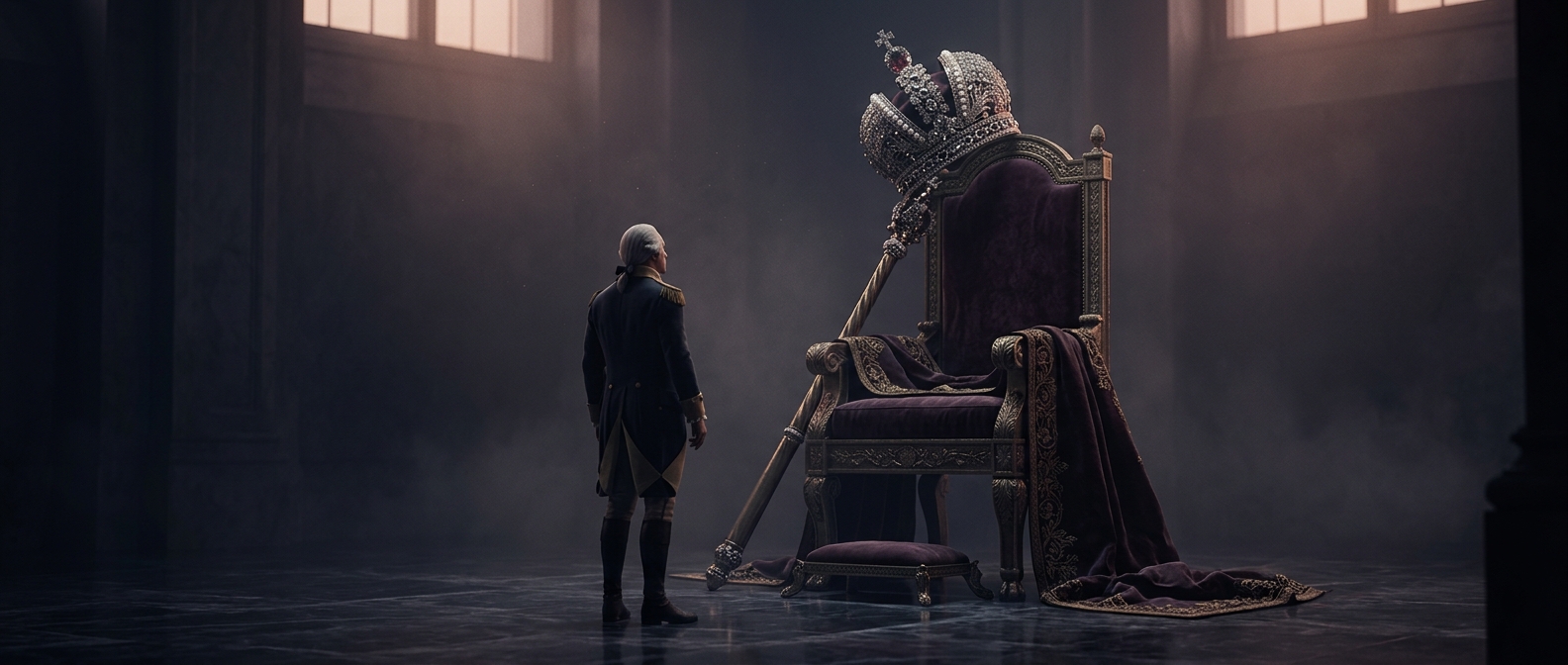
The presidency nearly came with a much grander title
In 1789, senators considered 'His Highness the President of the United States of America and Protector of their Liberties.' The House resisted, and a simpler…
Discover more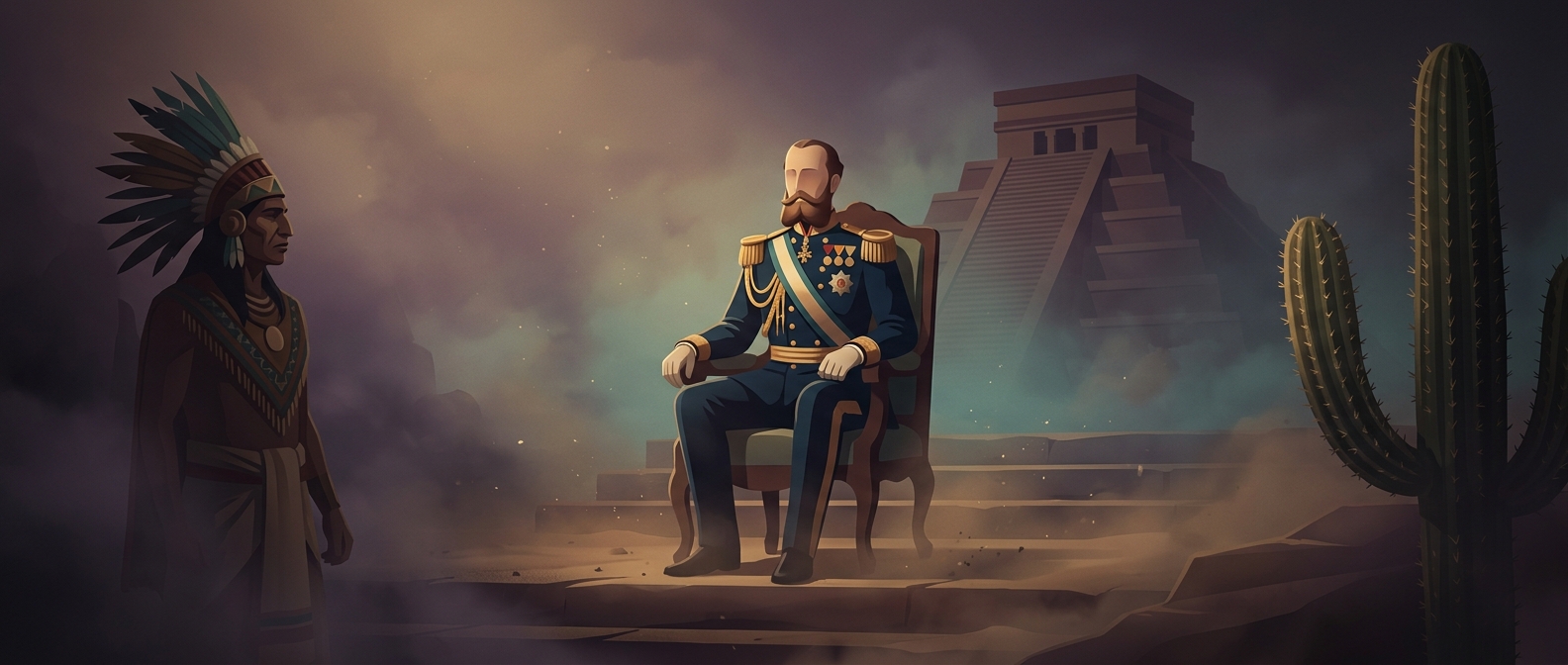
The emperor France shipped to Mexico
Napoleon III wanted a friendly monarchy in Mexico, so French forces installed Austrian archduke Maximilian despite local opposition. When France withdrew its…
Discover more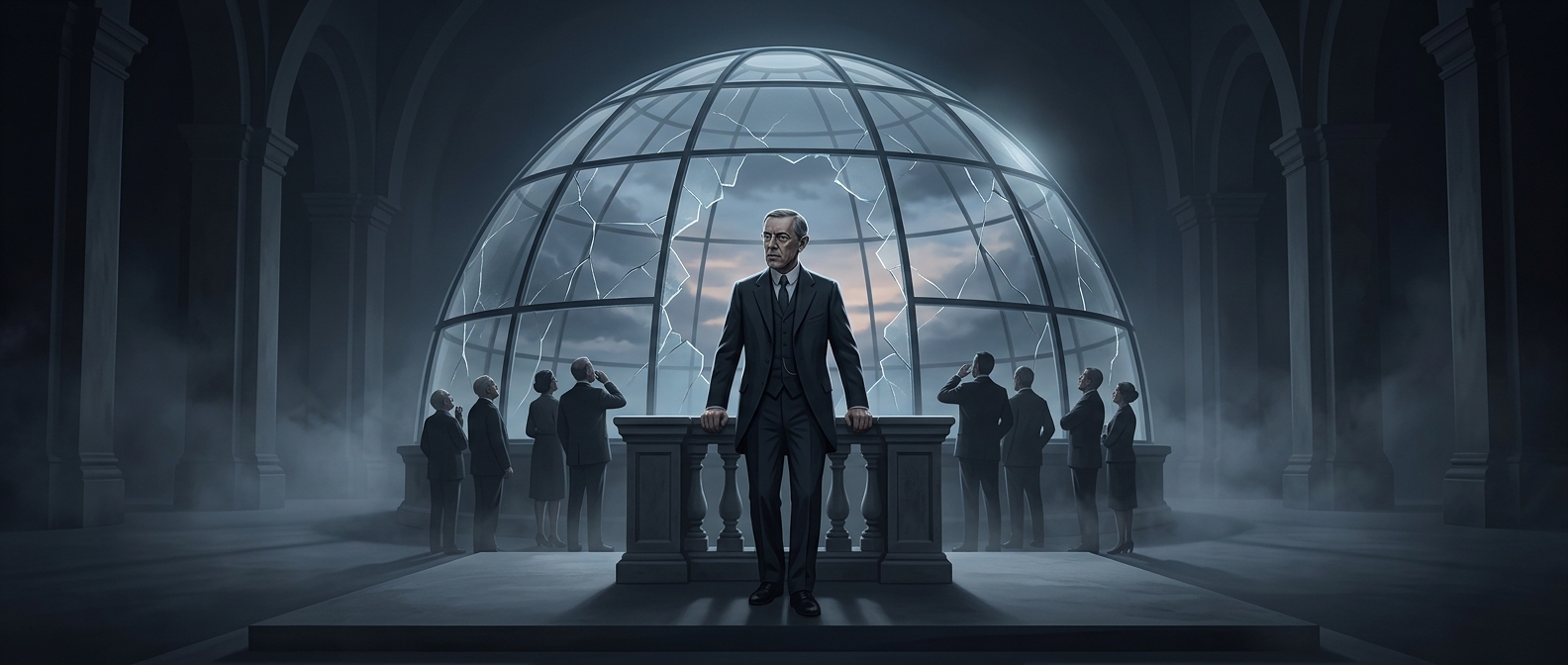
Woodrow Wilson refused to compromise on his global league
Wilson wanted a League of Nations, but refused changes demanded by senators whose support he needed. The dispute helped keep the United States out of the…
Discover more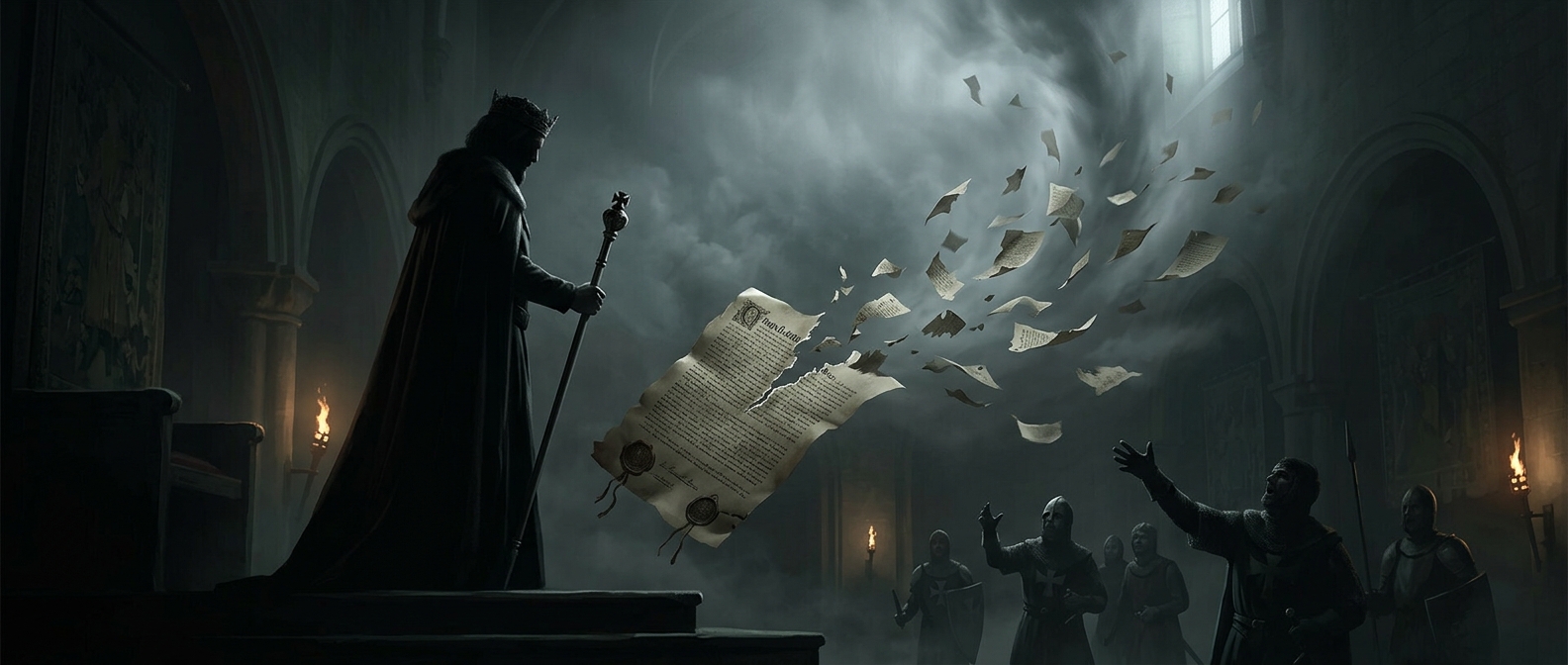
King John tried to cancel the Magna Carta
John appealed to Pope Innocent III, who annulled the Magna Carta weeks later. The attempt to cancel the agreement turned a negotiated peace back into a fight.
Discover more
Thomas Paine was dug up for a memorial that never happened
In 1819, William Cobbett took Paine's remains from New York to England, hoping to honor the revolutionary writer. The grand reburial never materialized. After…
Discover more
The king who gave up the throne to marry
Edward VIII chose marriage to Wallis Simpson, a twice-divorced American, over keeping the throne. He abdicated in 1936, leaving his brother to become king—and…
Discover more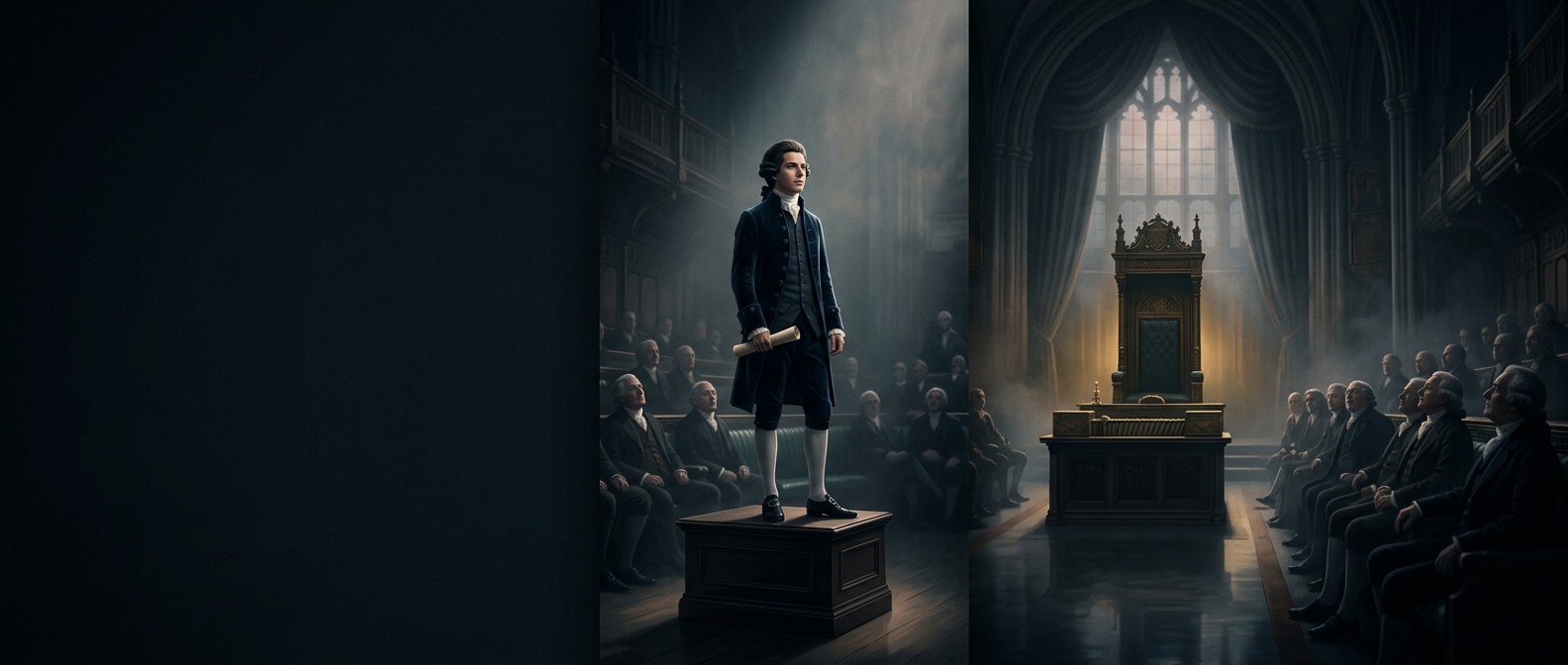
William Pitt became prime minister as a young adult
Pitt became prime minister at just 24, while still a young adult.
Discover more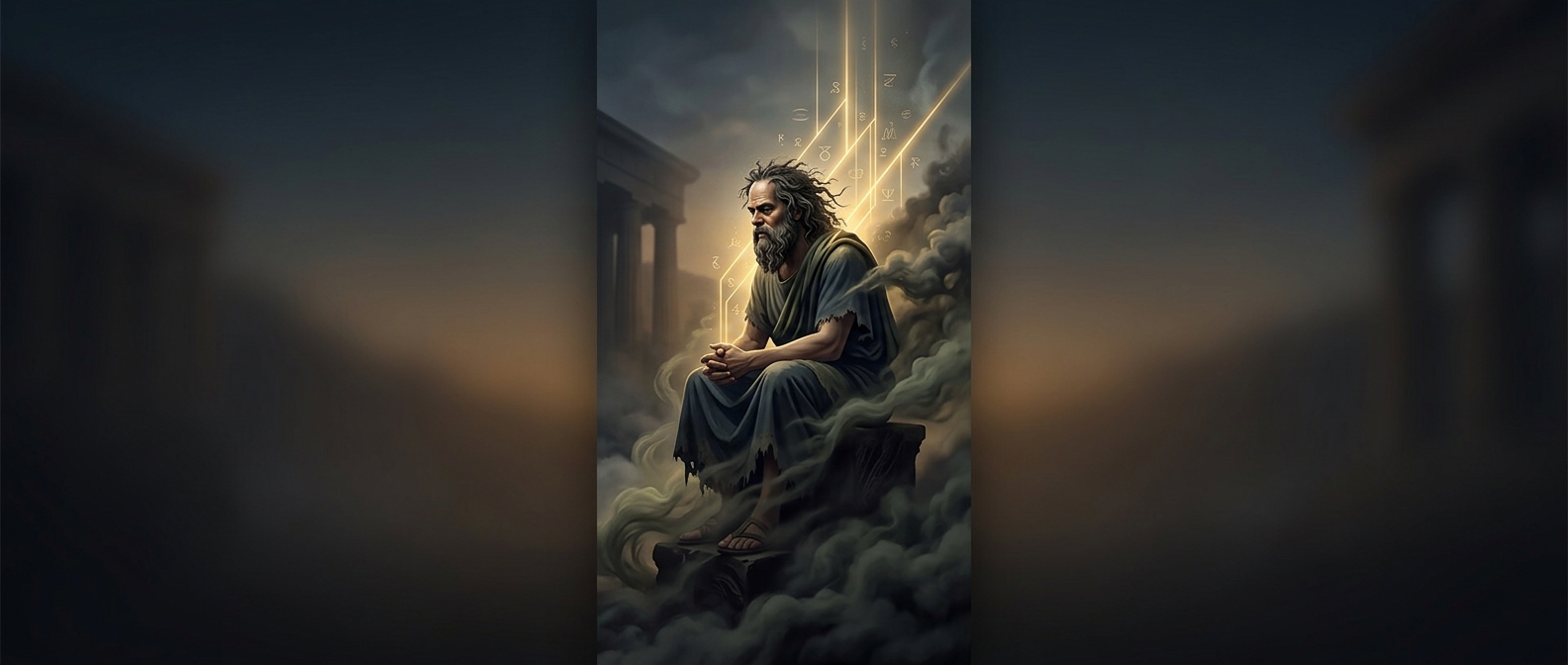
Plato treated Socrates having a bath as worth mentioning
At the opening of the Symposium, a companion notices that Socrates has bathed and put on sandals—unusual enough to ask where he is going. He is headed to a…
Discover more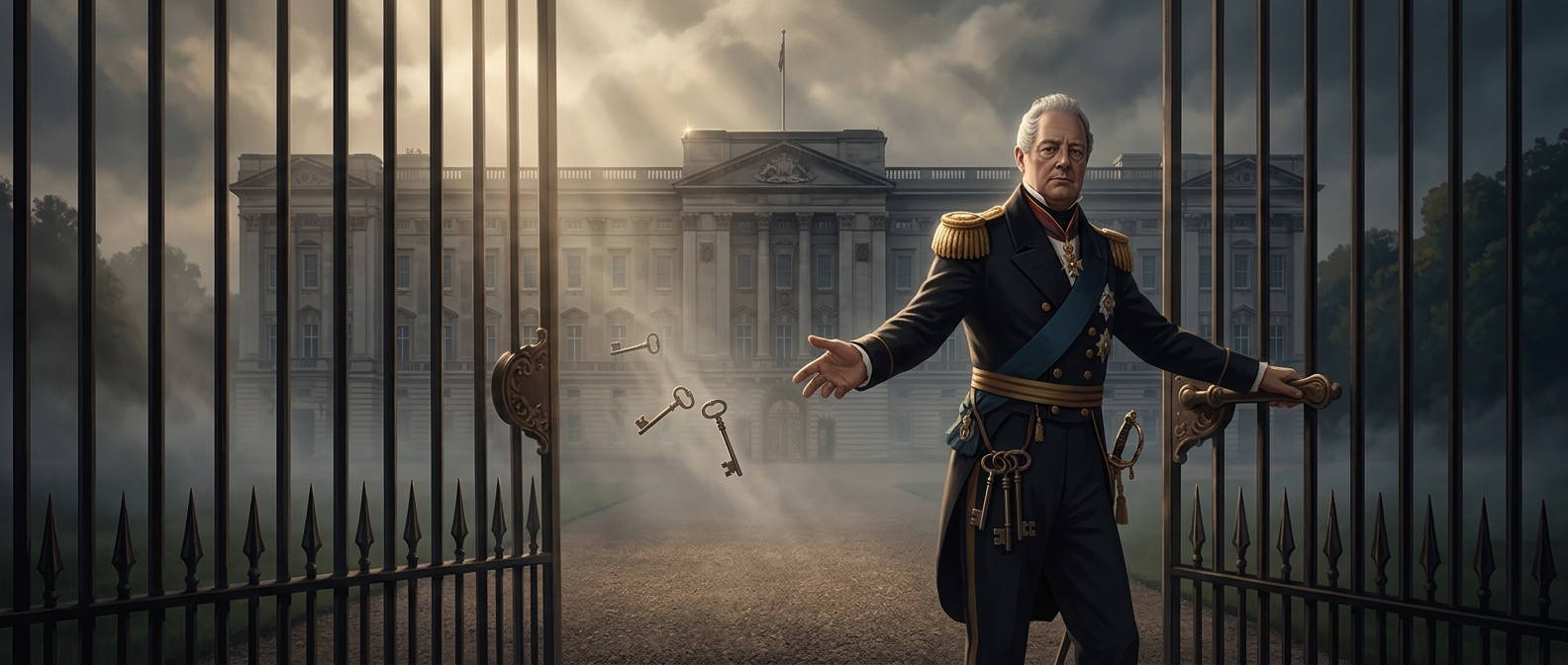
A king offered Buckingham Palace to Parliament
After Parliament's old home burned in 1834, William IV offered the still-unfinished palace as a replacement. He preferred living at Clarence House. Parliament…
Discover more
Polk promised one term—and actually left after one
James K. Polk did not seek reelection in 1848. During his presidency, the United States acquired vast western territories through war and diplomacy. After…
Discover more
The prince who declared independence from his father
Portugal’s Cortes ordered Prince Pedro to return from Brazil, but he chose to stay. In 1822, he became the central figure in Brazil’s declaration of…
Discover more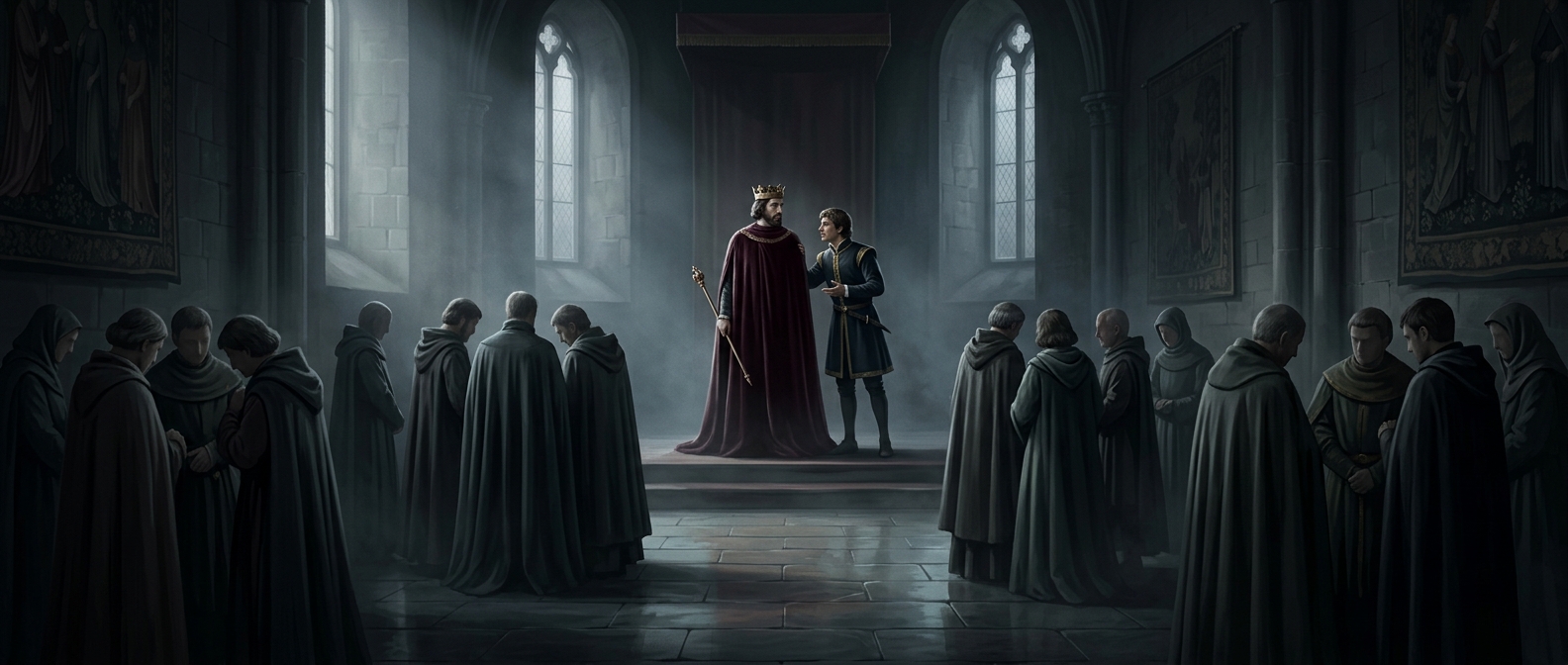
King Edward II intensely alienated his entire royal court
He showered his close friend Piers Gaveston with titles and influence, shutting out nobles who expected a share of royal favor. Their resentment helped fuel a…
Discover more