Anne’s family tragedy became a constitutional problem
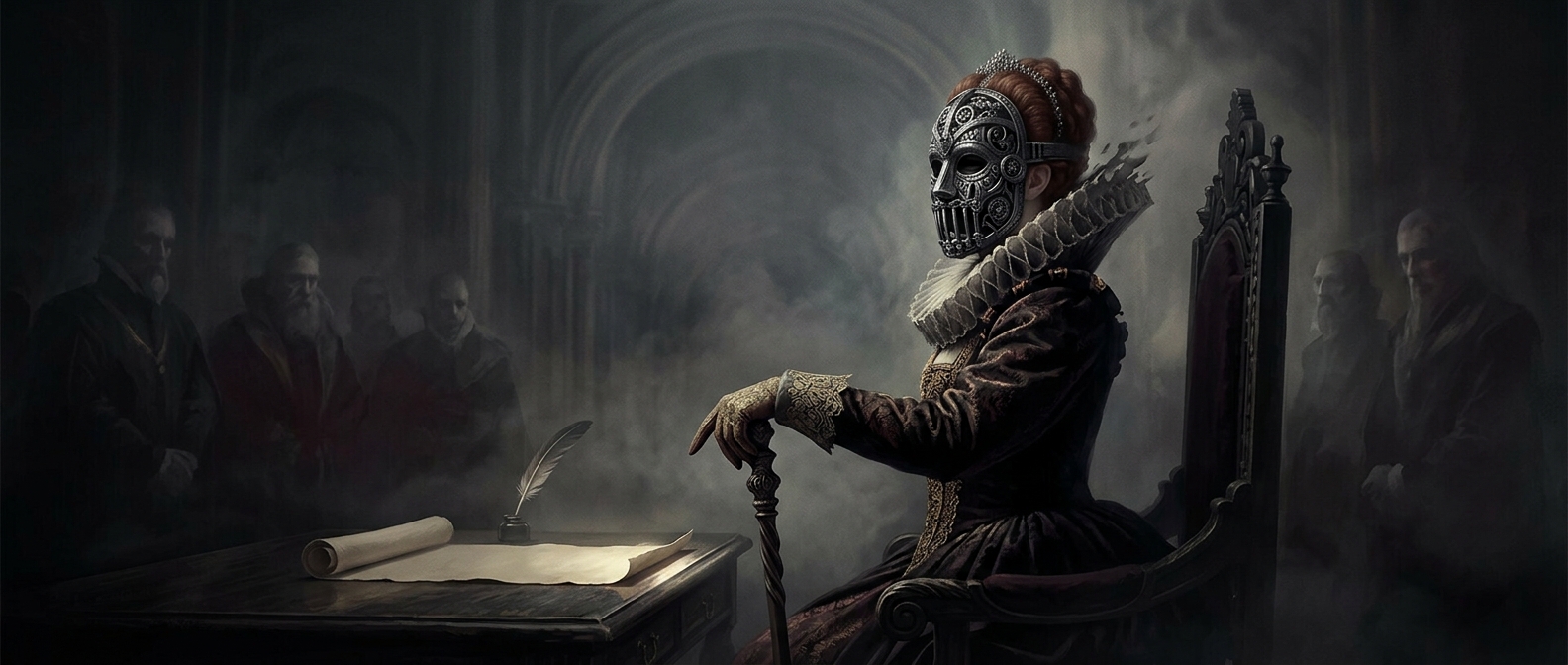
Queen Anne’s pregnancies did not produce a child who lived to inherit the crown. Her son William, Duke of Gloucester, survived infancy but died at age 11 in 1700. With no living child of her own, Anne’s death would leave the next monarch to be chosen from a wider and politically contentious family tree.
The question was not simply who had the closest blood claim. England’s Protestant leaders feared that the crown might pass to a Catholic claimant, undoing the religious settlement established after the Glorious Revolution of 1688. The problem was urgent: Anne was the last reigning monarch of the Stuart line, and there was no direct heir ready to follow her.
Parliament redirected the succession
The 1701 Act of Settlement made Protestant descent the decisive condition. It bypassed closer Catholic relatives and designated Sophia, Electress of Hanover, a Protestant granddaughter of James I, and her Protestant descendants as successors. The law turned a family succession into a matter Parliament explicitly regulated—and helped prevent the crown from passing to a monarch whose religion Parliament rejected.
Sophia died shortly before Anne, so the crown passed to Sophia’s son, George I, in 1714. Anne’s lack of an heir thus did more than end one monarch’s immediate family line: it brought a new dynasty to the throne and demonstrated that Parliament could shape who would inherit it.