A succession left deliberately unsettled
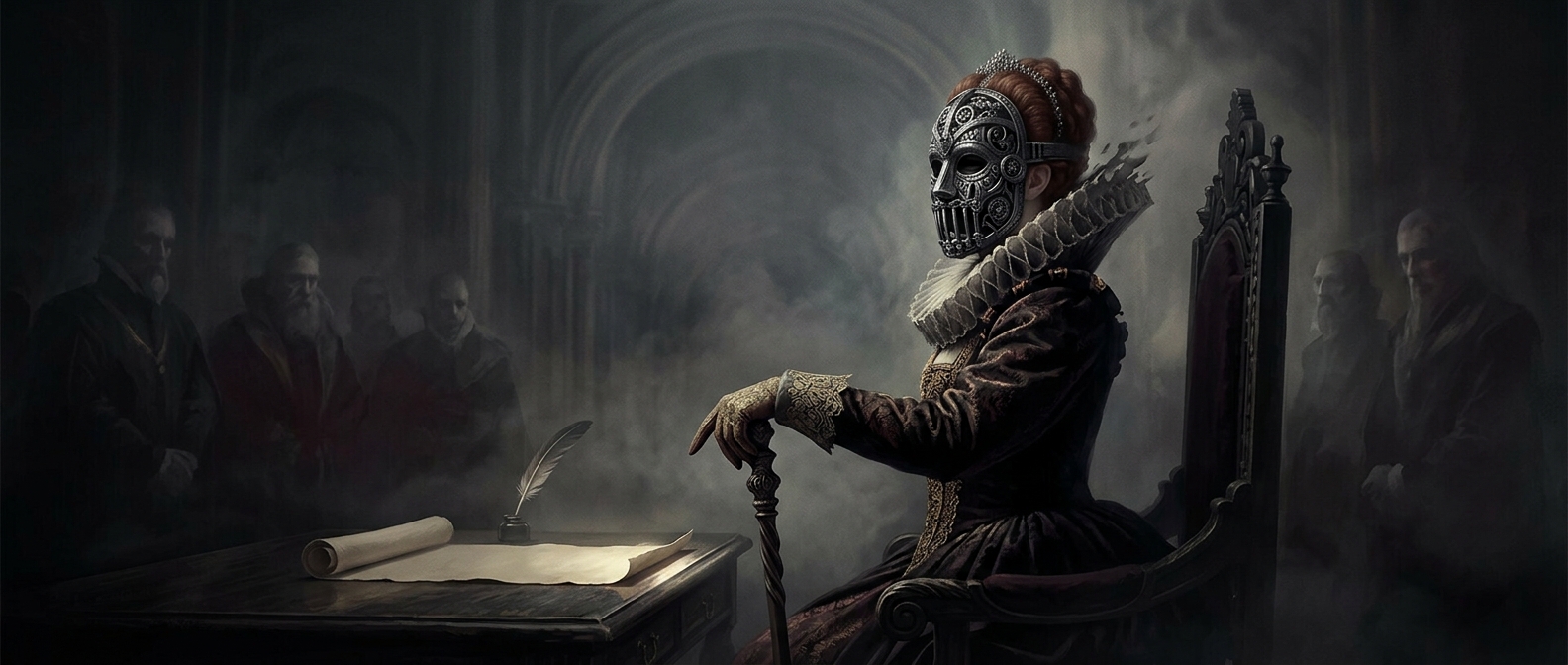
Elizabeth I had no children, and she never publicly named the person who should rule after her. That silence mattered: the Tudor dynasty would end with her, while several people could claim a connection to the English crown. A declared choice might have strengthened one claimant—and made rivals or their supporters more dangerous while Elizabeth was still alive.
As she lay dying in March 1603, courtiers pressed her to settle the question. Accounts say she was then too weak to speak and indicated James VI of Scotland by a gesture. The detail is reported rather than a surviving, formal declaration, so it cannot tell us exactly what she intended or how clearly others understood her.
A gesture, followed by a political decision
James had a strong hereditary claim: he was descended from Margaret Tudor, Elizabeth’s aunt and the daughter of Henry VII. But becoming king of England was not simply a private matter of inheritance. After Elizabeth’s death, leading English officials proclaimed him king, and he traveled south to take the English throne as James I, joining the crowns of England and Scotland under one monarch.
The gesture therefore mattered less as a legal instrument than as a signal at a dangerous moment. It could reassure courtiers that James was the choice they should support, without Elizabeth having issued a public succession announcement that might have unsettled the kingdom beforehand. The striking outcome was that a ruler who kept her choice unspoken left behind a transition that was settled quickly once she was gone.