A Secret Affair in the Mail
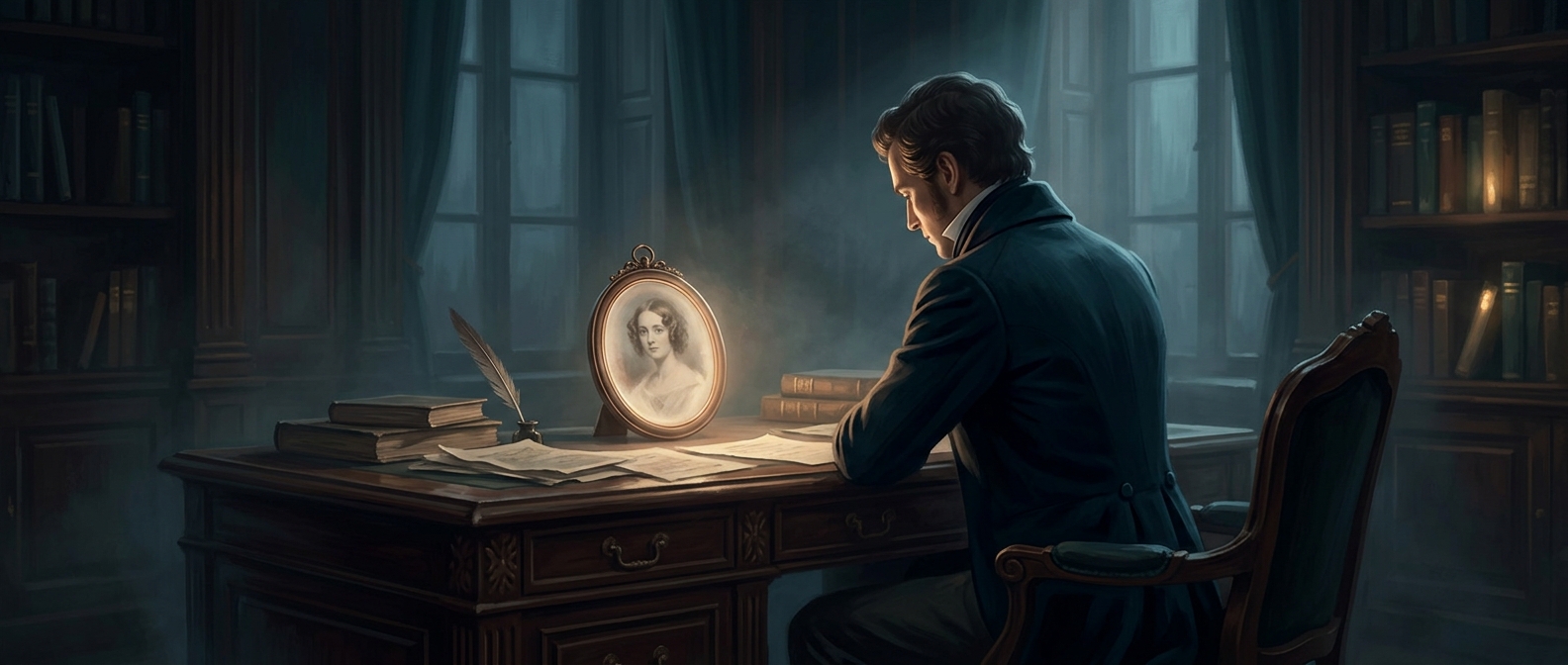
Warren G. Harding’s letters were addressed to Carrie Phillips, whose husband, James, was a friend of his. Their relationship unfolded while Harding was building a political career, making the correspondence more than a private record of romance: it documented a secret that could have damaged his public standing.
The letters’ melodramatic tone sits beside a practical feature of clandestine relationships: coded language. Rather than spell everything out, Harding and Phillips used private references that made sense to them while obscuring meaning from anyone who might see a letter. That mix—grand declarations alongside oddly precise code—can make the correspondence feel both intimate and conspicuously guarded to modern readers.
Private Words, Public Consequences
The letters were not written for an audience. Their emotional excess and indirect references belong to a relationship conducted in private, not to the polished public voice Harding used as a politician. Reading them now means seeing the gap between those two versions of him—and encountering personal language that its writers could not have expected to become a historical record.
That transformation took time. The correspondence remained out of public view for decades, then became accessible after a legal dispute over whether it should stay private. Its eventual release turned intimate, coded messages into evidence historians and readers could examine. The awkwardness is part of the story: language meant to hide a relationship became one of the clearest traces of it.