A political life, with a private loss left out
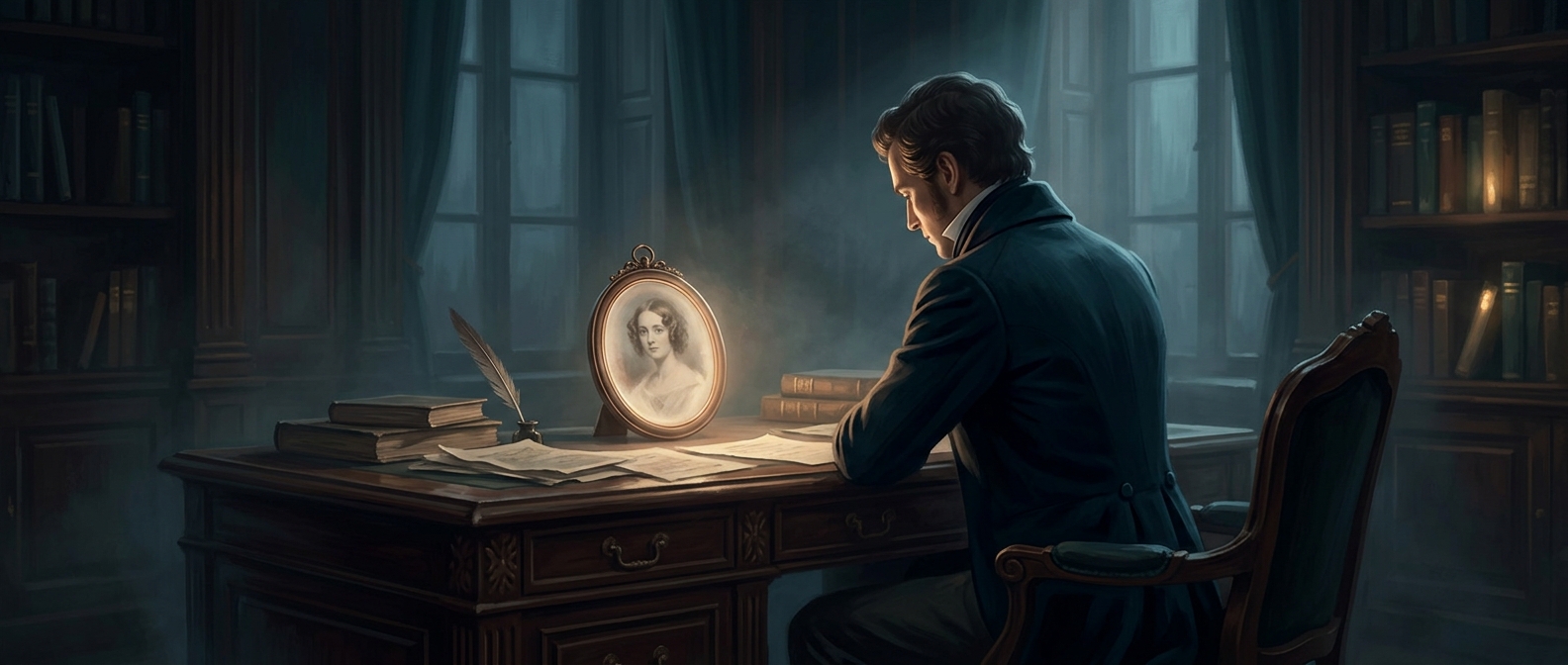
Martin Van Buren married Hannah Hoes in 1807, while both were young and before his rise to national power. She died in 1819, after the couple had four sons. Van Buren never remarried, and she was gone long before he became president in 1837.
Yet in the lengthy autobiography he devoted to his career, Hannah does not appear. The contrast is striking because the memoir follows the political world in which he built his reputation: offices, contests, alliances, and public decisions. It gives readers a record of how Van Buren understood his place in American politics, not a balanced account of the life around him.
What the silence can—and cannot—tell us
A political autobiography is a selective kind of self-portrait. Its author decides which parts of a life help explain a public career; family history may be treated as private, irrelevant, or simply left aside. Van Buren’s omission shows what his memoir chose to preserve, but it does not, by itself, reveal what he felt about his wife or why he excluded her.
The absence also has a practical consequence for readers: Hannah’s life cannot be reconstructed from the pages where Van Buren documented his own. A book that records the making of a political figure can still leave out the person who shared his earlier years.