A parrot’s outburst interrupted the funeral
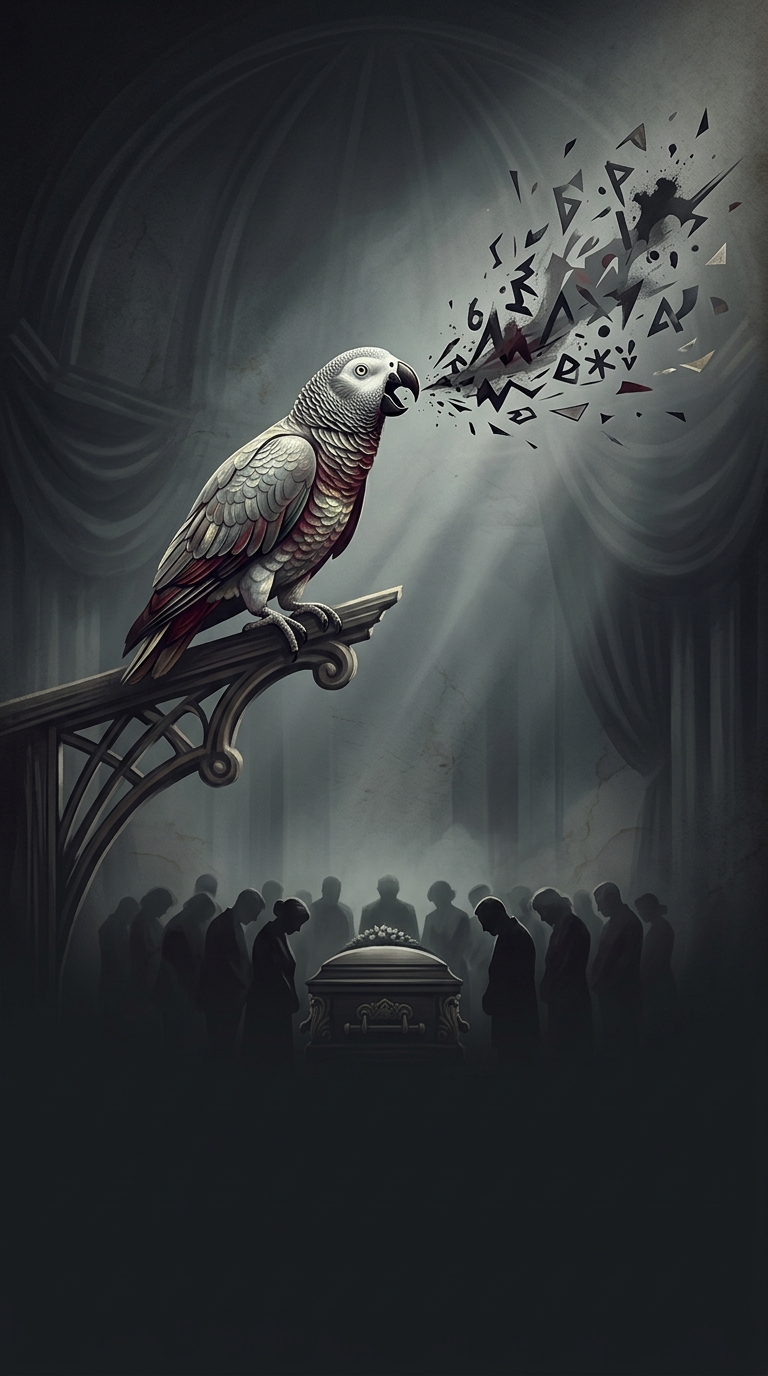
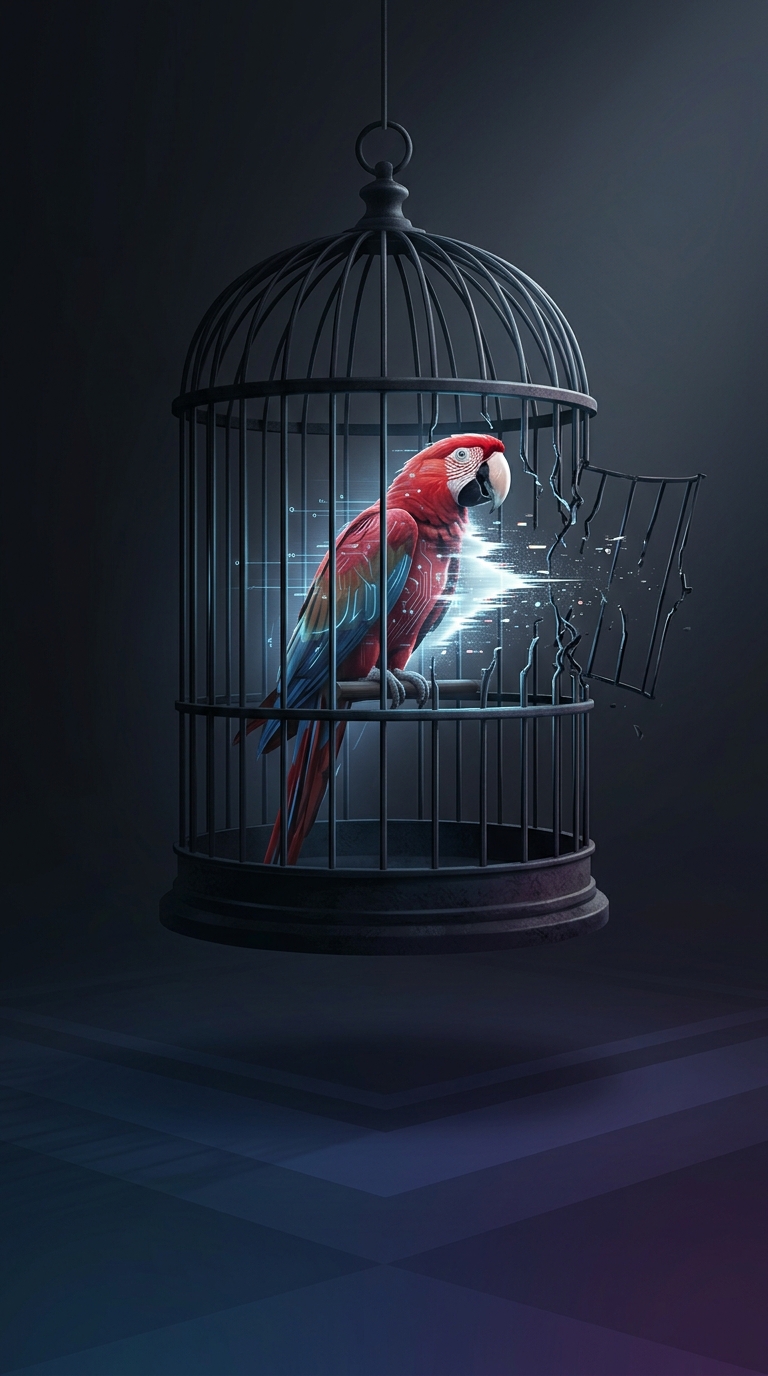
At Andrew Jackson’s 1845 funeral, mourners gathered at his Tennessee home, the Hermitage, for a solemn service. The disruption came from Poll, Jackson’s pet parrot. According to a later account of the ceremony, the bird began loudly repeating profanities, and someone had to carry it away so the service could continue.
The story’s force lies in the contrast: a formal farewell for a former president, broken by a pet behaving exactly as parrots can. These birds imitate sounds they hear, including human speech; they do not understand that a word is offensive or that a funeral calls for quiet. If Poll had picked up Jackson’s coarse language, it could repeat it at the least suitable moment without grasping the occasion.
A small disruption, remembered for generations
Removing the bird solved the immediate problem, but the episode became part of the lore surrounding Jackson’s funeral. It gave mourners—and later storytellers—a vivid, human detail amid the ceremony’s political grandeur: even a president’s final service could be unsettled by the habits of a familiar pet.
The memorable point is not that Poll understood the funeral. It is that the parrot’s mimicry carried Jackson’s everyday world into a public ritual, where a familiar sound suddenly became impossible to ignore.