History
Discover facts about history. Small discoveries that change the way you see familiar things.
History
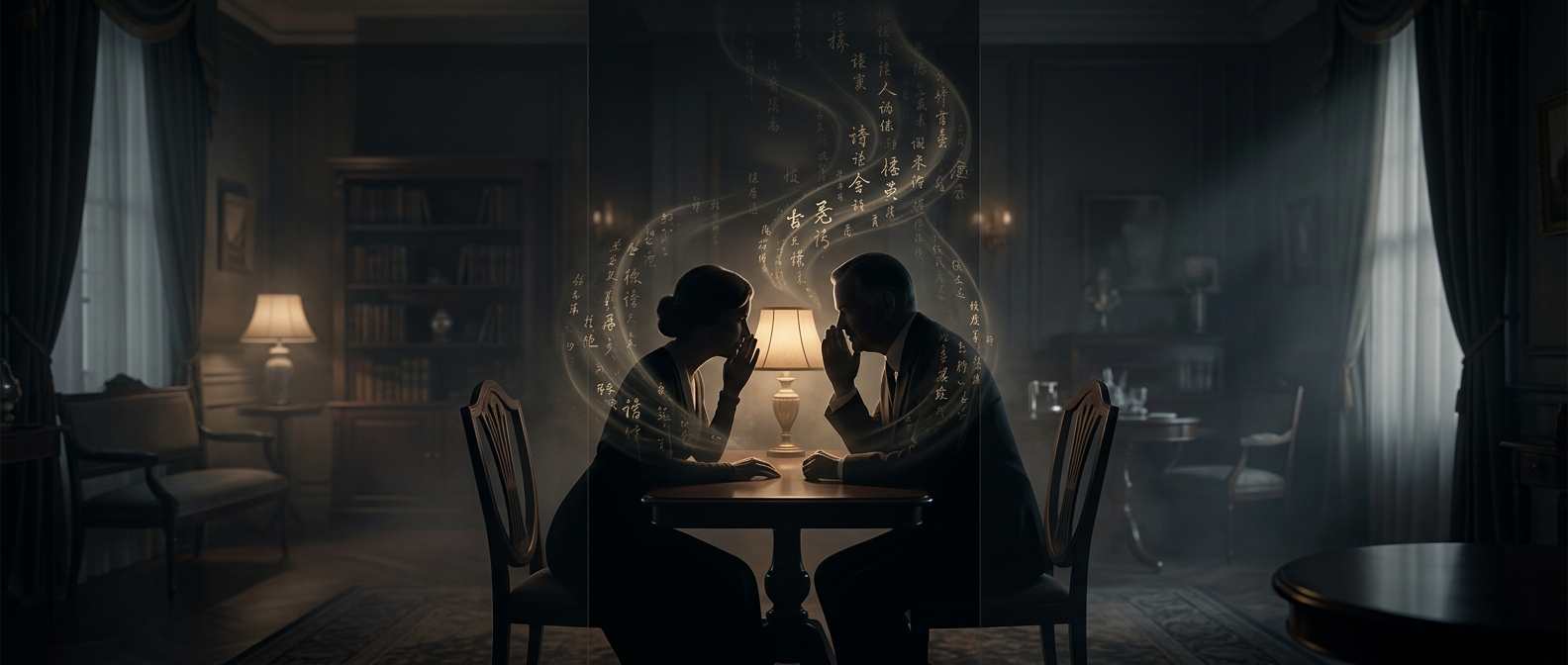
Why Herbert Hoover spoke Mandarin in the White House
The Hoovers had learned Mandarin while living abroad and used it in the White House so staff couldn’t follow their private conversations. Their workaround was…
Discover more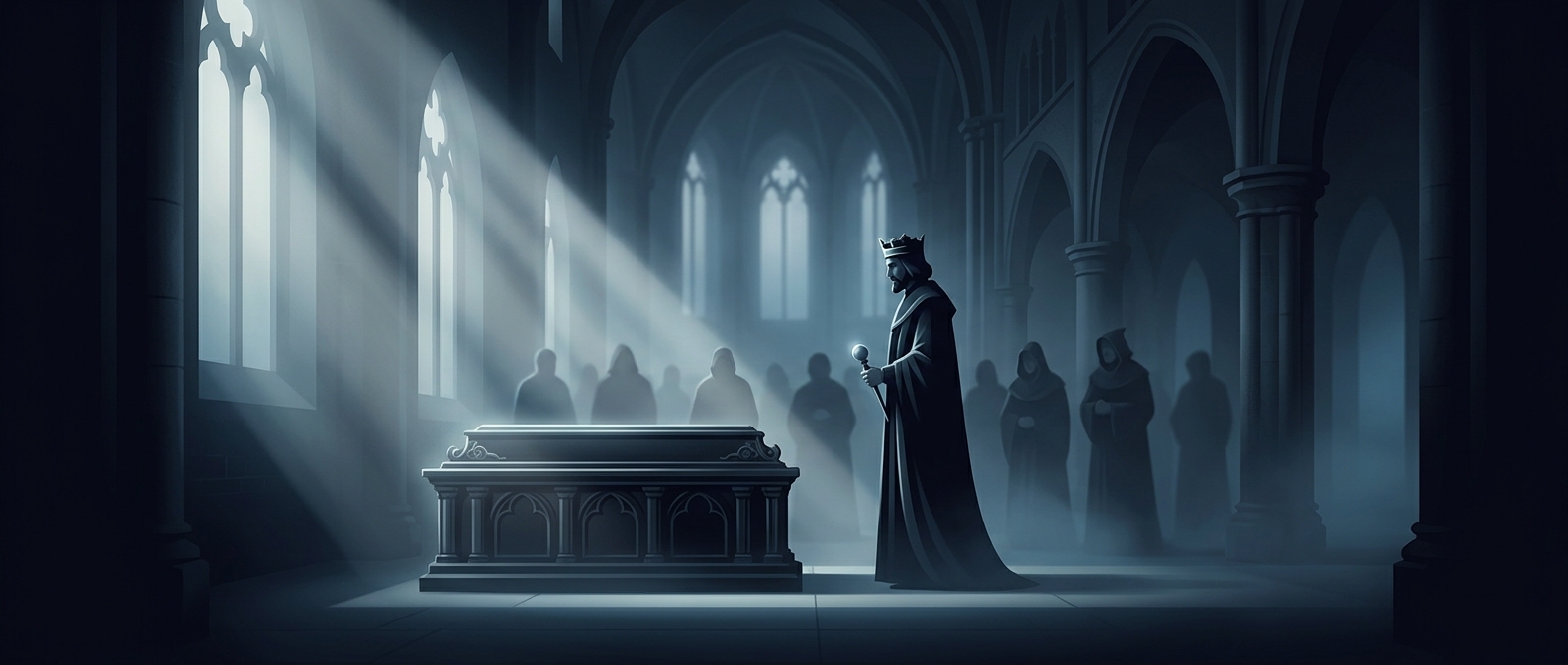
An emperor retired to a palace attached to a monastery
After abdicating, Charles V spent his last years at Yuste in Spain, in royal quarters beside a Hieronymite monastery. The man whose possessions had stretched…
Discover more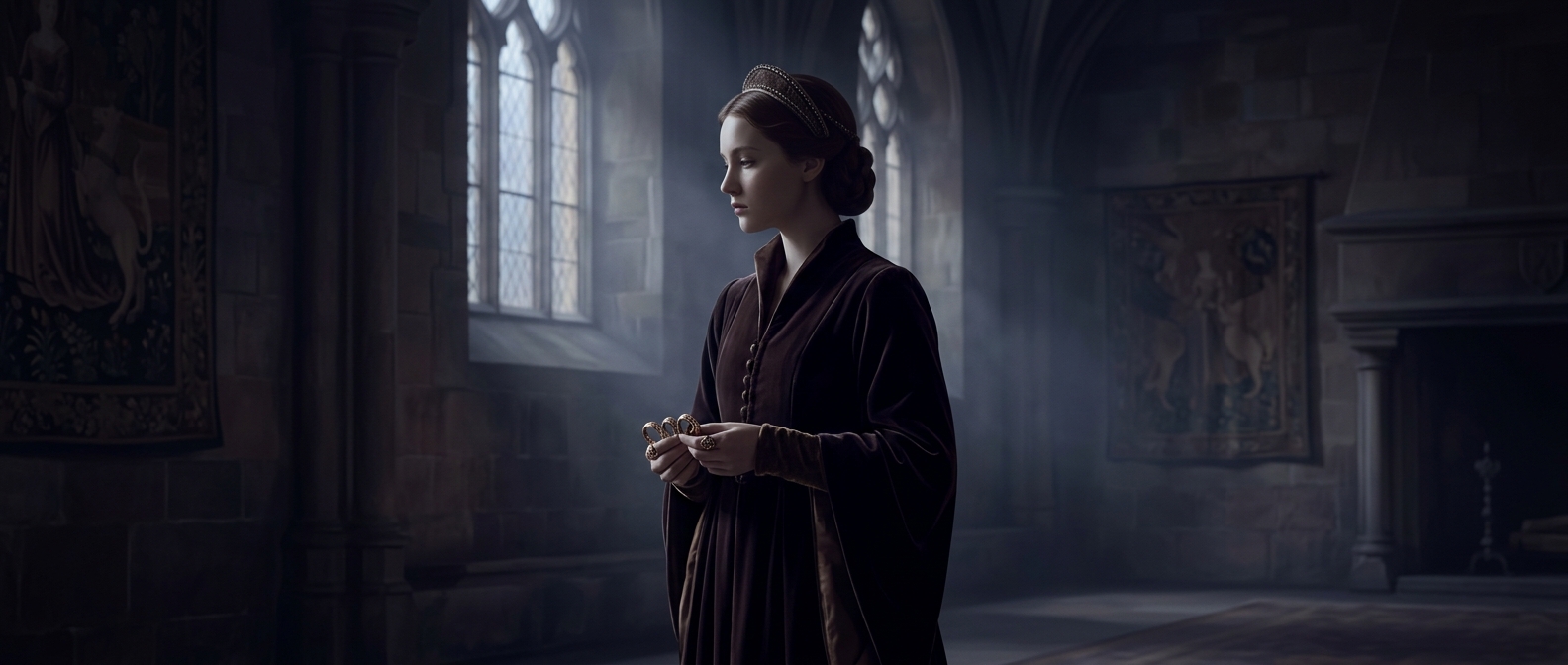
Mary Queen of Scots married three times before 25
Her first marriage made her queen consort of France; her second, to Henry Stuart, Lord Darnley, tied her to an English claimant. Her third, to James Hepburn,…
Discover more
James Monroe practically ran unopposed for his second term
Monroe won every electoral vote but one. A single elector withheld his vote on principle, leaving an almost unanimous result with one deliberate exception.
Discover more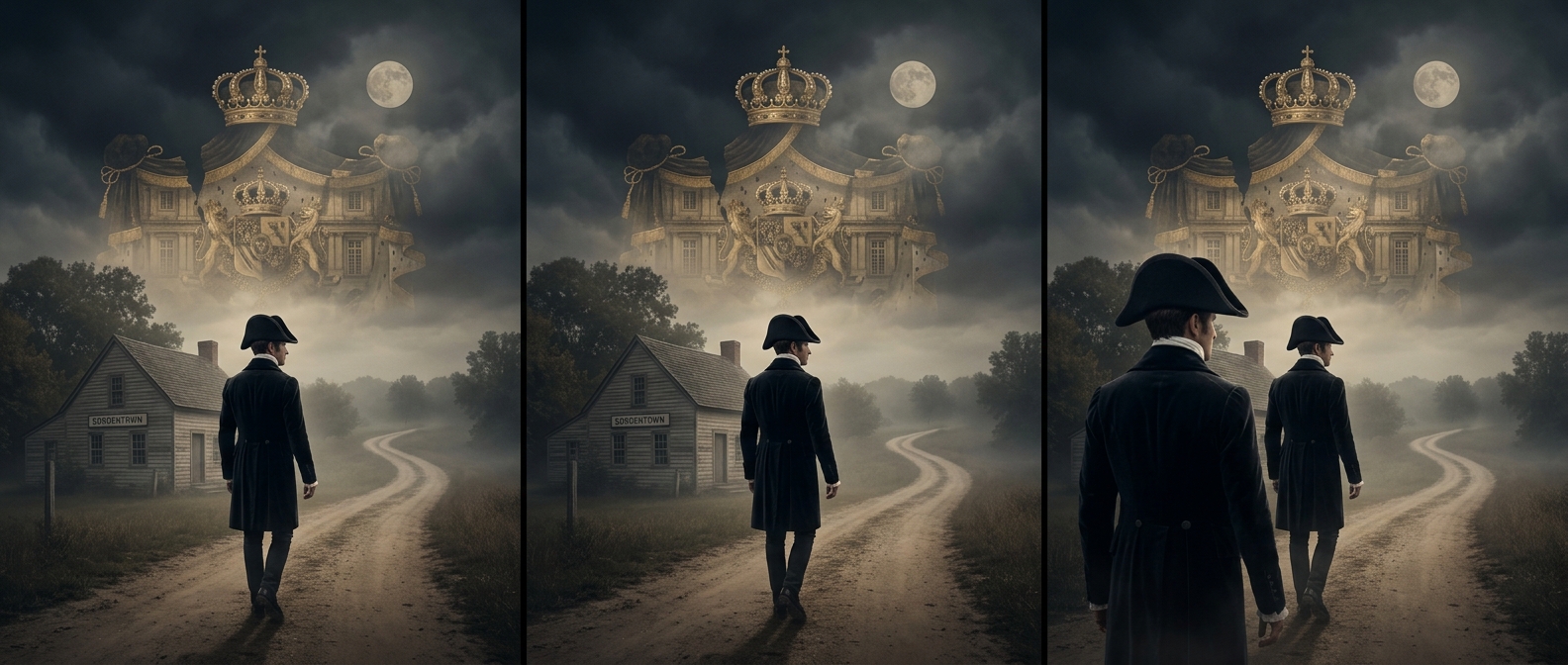
The former king who built an estate in New Jersey
After Napoleon’s empire fell, Joseph Bonaparte, the former king of Spain, settled in New Jersey. He built a lavish estate and hosted local residents there—a…
Discover more
John Locke wrote passionate letters to a married philosopher
Though he remained a bachelor, Locke spent years sending emotional, dramatic letters to a married intellectual peer.
Discover more STACKY FOR IPHONE
A bigger world.
One discovery
at a time.
Keep discovering with Stacky. Interesting facts in an app that is always within reach.
The president who swore his oath on a law book
Adams used a book of laws instead of a religious text because he believed the Constitution was what he had sworn to uphold. Traditionalists were offended; a…
Discover more
Bentham arranged to remain on display after his death
At University College London, his preserved skeleton is dressed in his own clothes and topped with a wax head. Bentham requested the arrangement in his will;…
Discover more
Elizabeth I named her heir without speaking
She reportedly refused to name a successor until she was too weak to speak, then indicated her choice with a gesture.
Discover more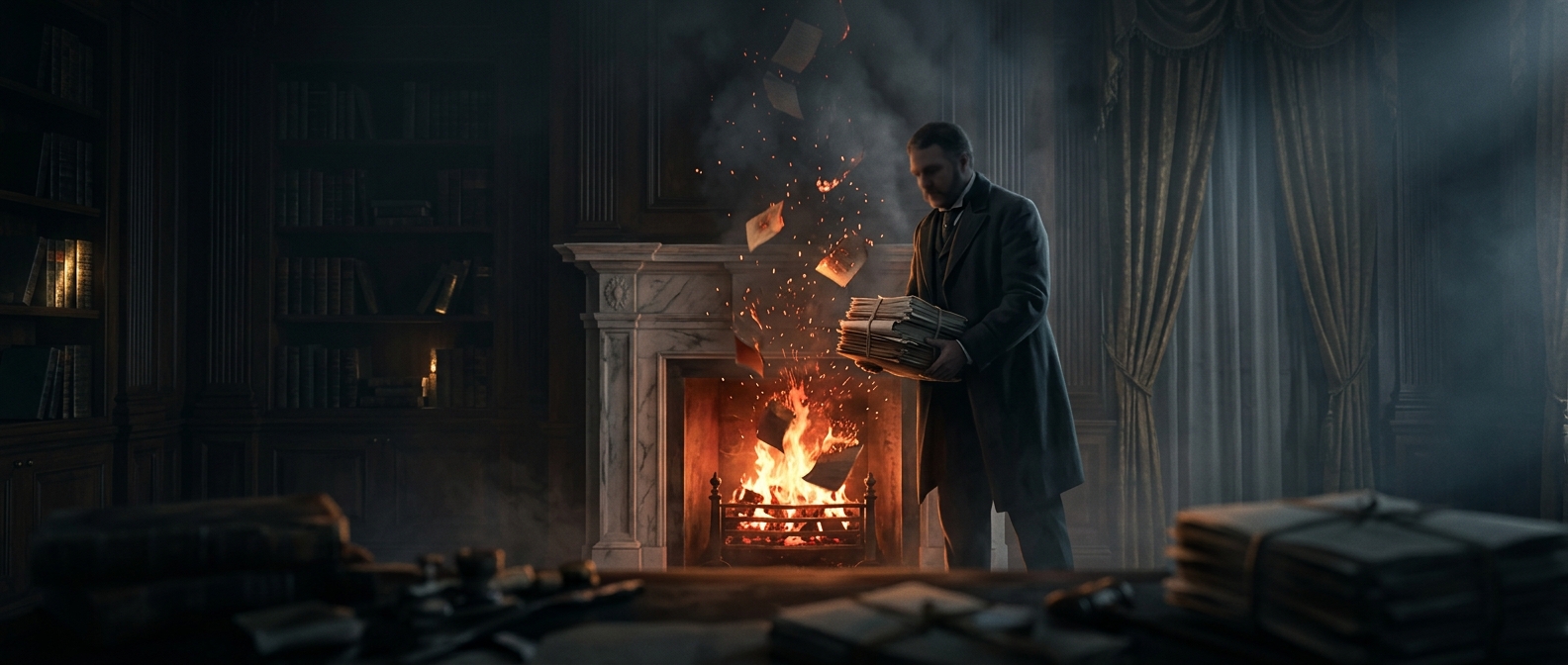
Chester A. Arthur burned papers that historians would never read
Shortly before his death in 1886, the former president ordered much of his personal archive destroyed. The National Archives describes three garbage cans of…
Discover more
How Gerald Ford became president without an election
When Spiro Agnew resigned, Nixon appointed Ford vice president; Congress confirmed him. Then Nixon resigned, and Ford moved up again—reaching the presidency…
Discover more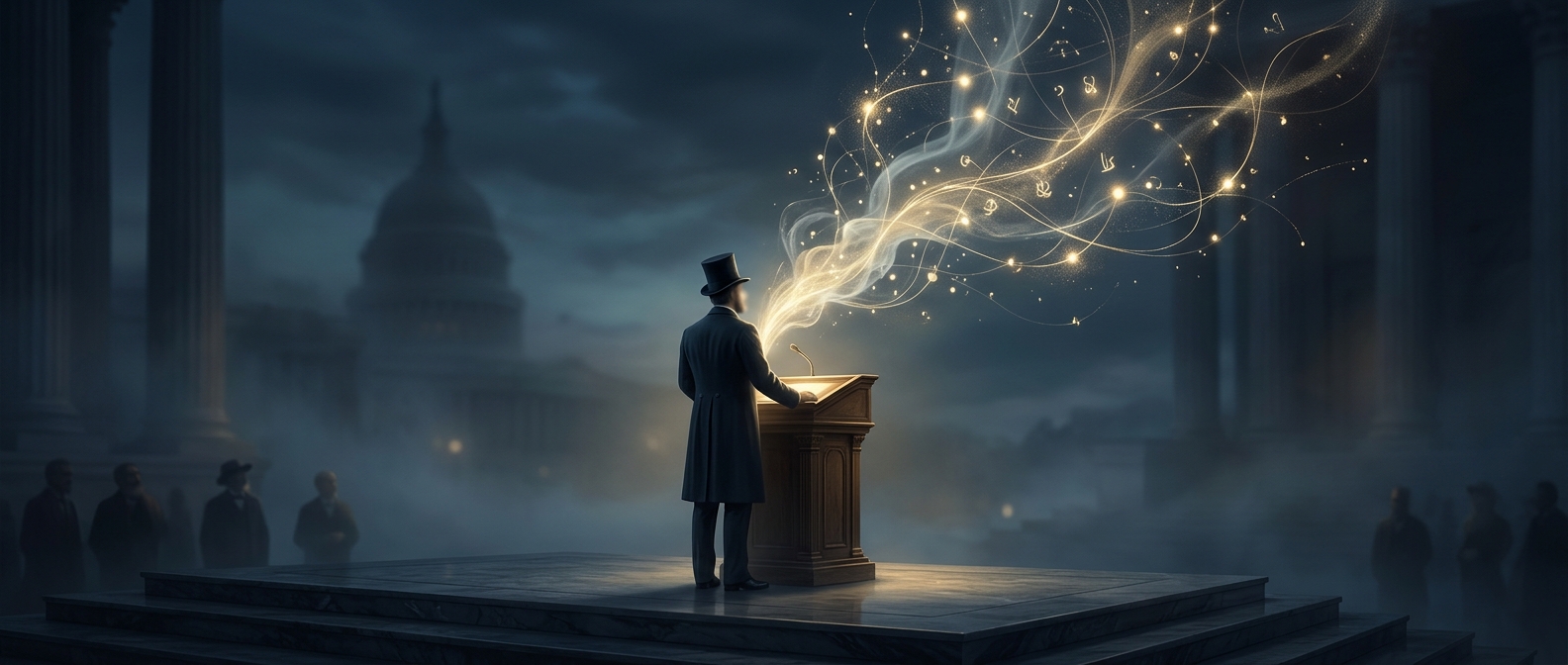
Franklin Pierce recited his inauguration from memory
Pierce delivered a more-than-3,000-word inaugural address from memory, without a single sheet of paper. It was a feat of recall at a ceremony built around a…
Discover more
How Maria Theresa turned her children into alliances
Maria Theresa had sixteen children and married them into royal courts across Europe to build alliances. Her family became a diplomatic network, with each…
Discover more
Abraham Lincoln fiercely refused to hire relatives
Lincoln treated federal jobs as appointments, not family favors: he insisted that being related to him did not qualify anyone for a government post. The White…
Discover more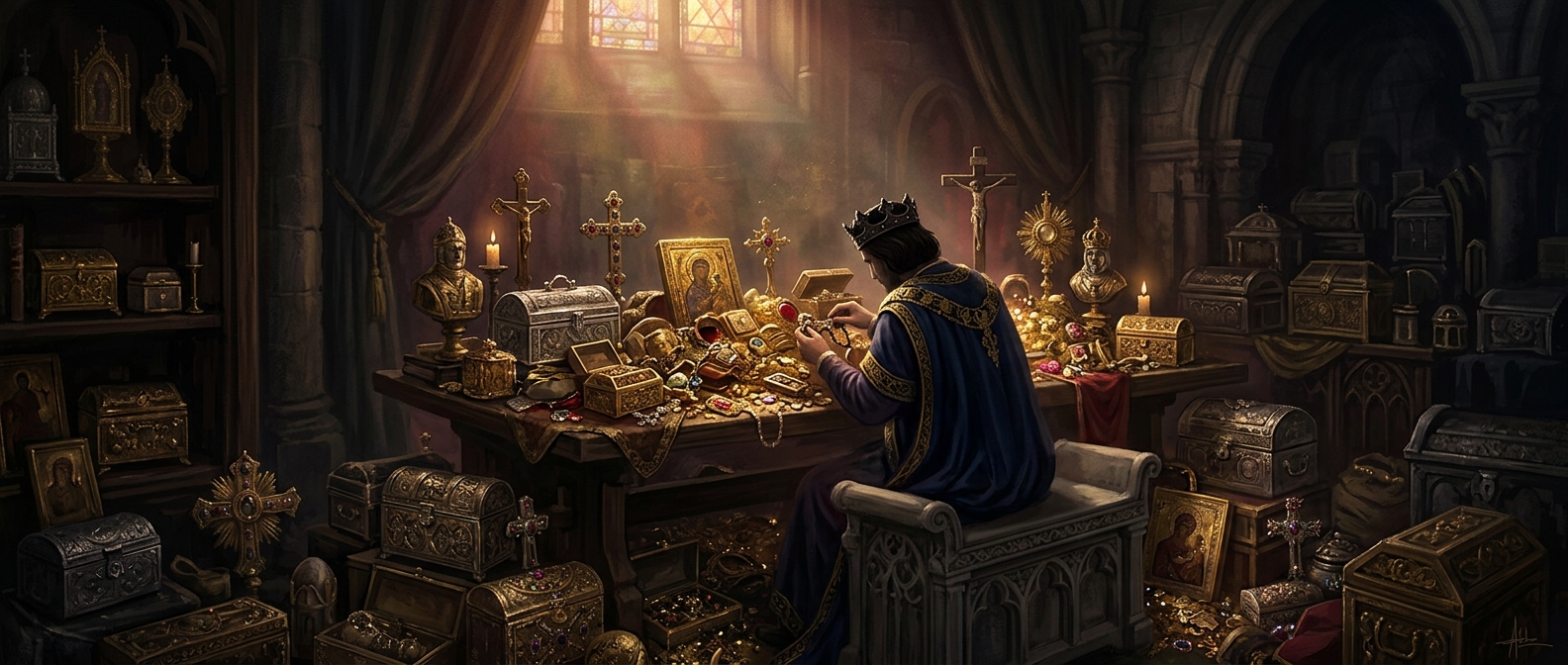
The king who collected holy relics
He even paraded a tiny glass vial said to contain sacred blood before the public, turning a relic collection into royal theater.
Discover more
Richard the Lionheart barely lived in England
Richard spent only about six months in England during his 10-year reign, relying on its revenues to fund campaigns abroad. England supplied the money; its…
Discover more
The French president who died during a tryst
Félix Faure died at the Élysée Palace while with a much younger mistress. The circumstances turned a president’s death into political gossip almost overnight.
Discover more
Clinton said he sent just two emails as president
Bill Clinton described a presidency in which staff handled nearly all of his electronic correspondence. The famous ‘two emails’ figure concerns his personal…
Discover more
Martin Van Buren was the first president born after independence
Born in 1782, Van Buren entered the world after the United States had declared itself a nation. The presidents before him—including Washington—had been born…
Discover more
Why George Washington avoided handshakes
Washington considered handshakes beneath his dignity, so he greeted visitors with a stiff bow instead. At official receptions, guests expecting a handshake…
Discover more
Harry Truman's S was a compromise between two grandfathers
The letter honored Anderson Shipp Truman and Solomon Young without choosing one full middle name. Truman himself used punctuation inconsistently, which helped…
Discover more
Ulysses S. Grant kept a name he never chose
He was born Hiram Ulysses Grant, but his West Point nomination listed him as Ulysses S. Grant. The institutional mistake followed him into his military career…
Discover more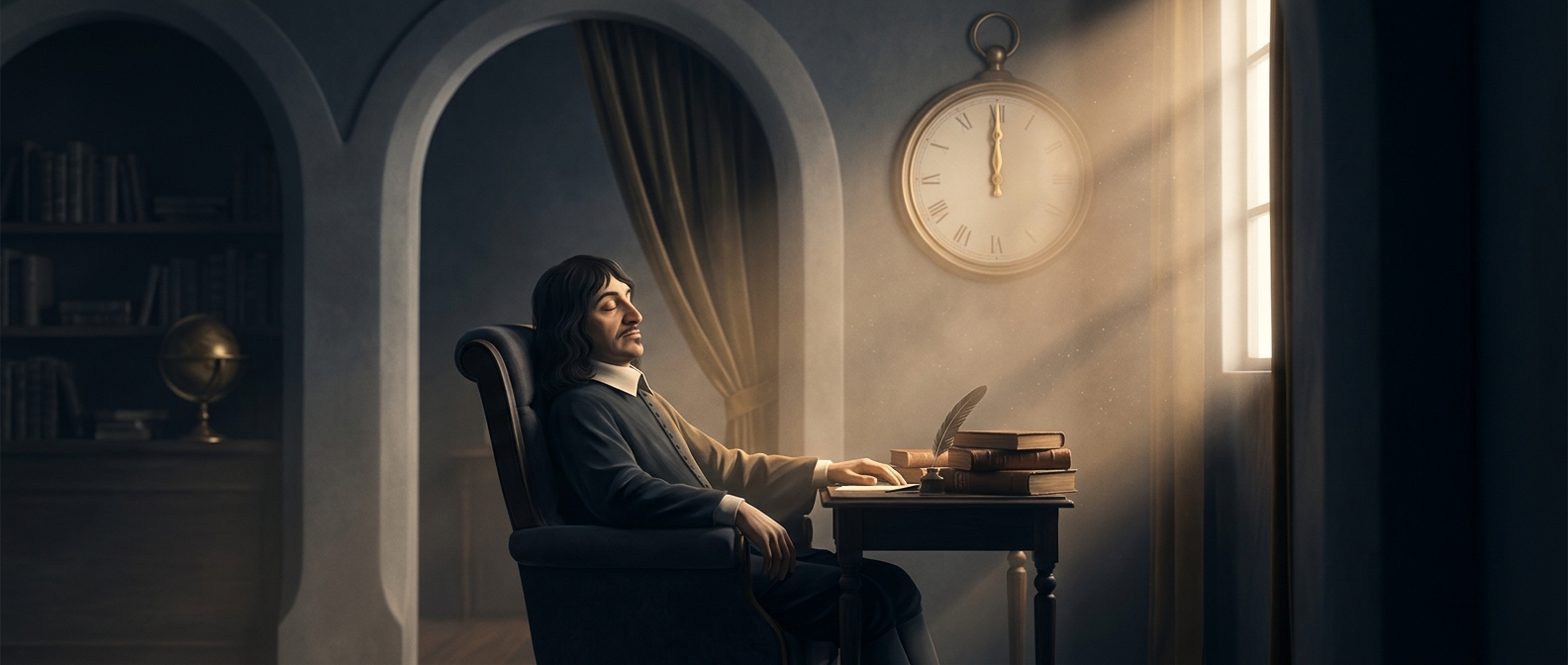
A queen's early lessons disrupted Descartes' late mornings
Descartes was accustomed to rising late, but Queen Christina of Sweden requested philosophy tutorials beginning at five in the morning. The demanding schedule…
Discover more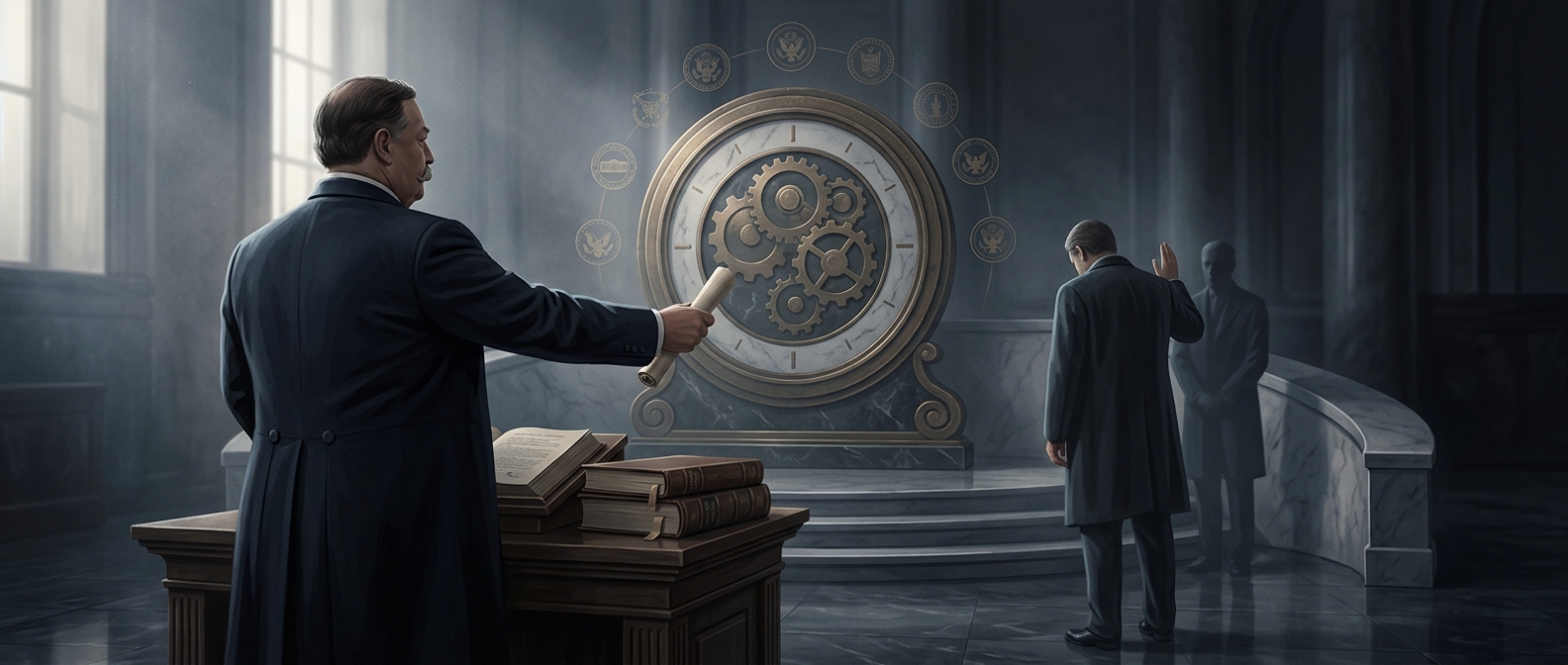
Taft swore in two of his successors
After leaving the presidency, Taft became chief justice of the Supreme Court. In that role, he swore in Calvin Coolidge and Herbert Hoover—two successors who…
Discover more