A Rehearsal for the End
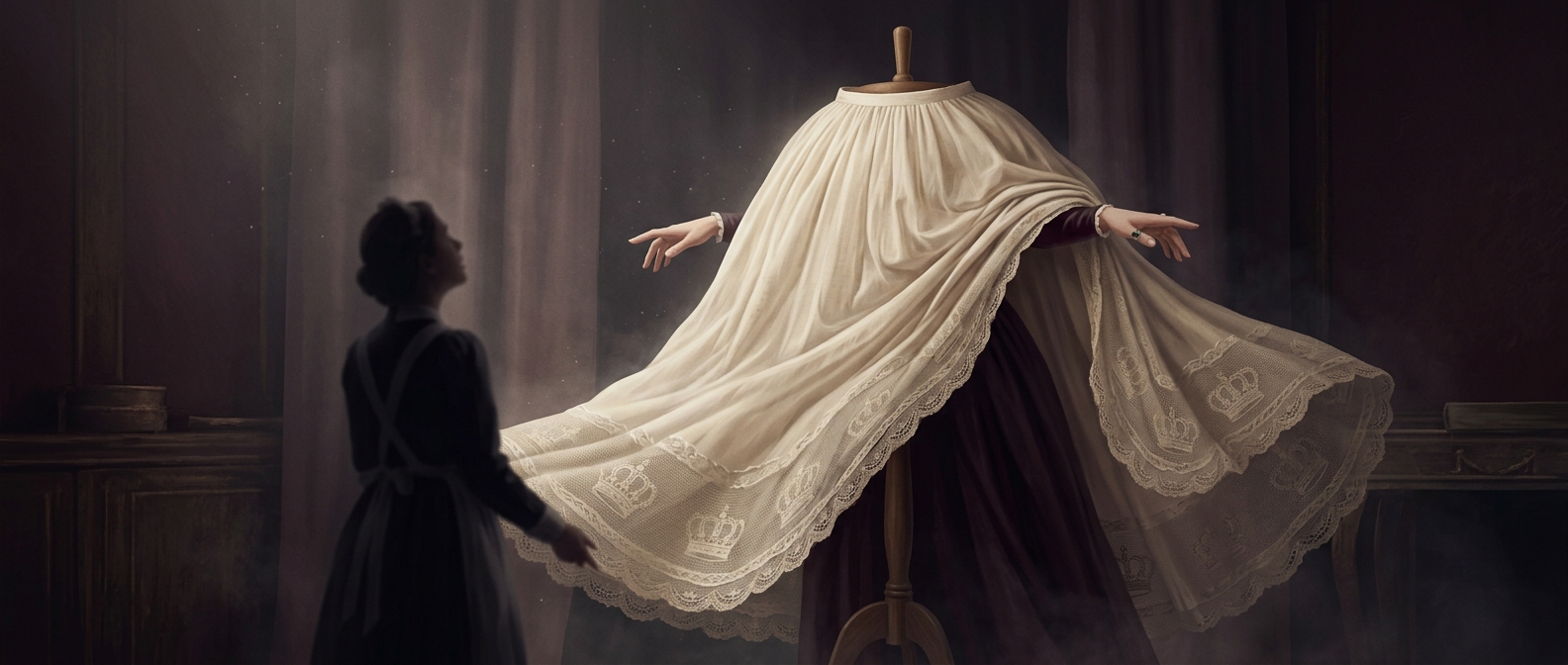
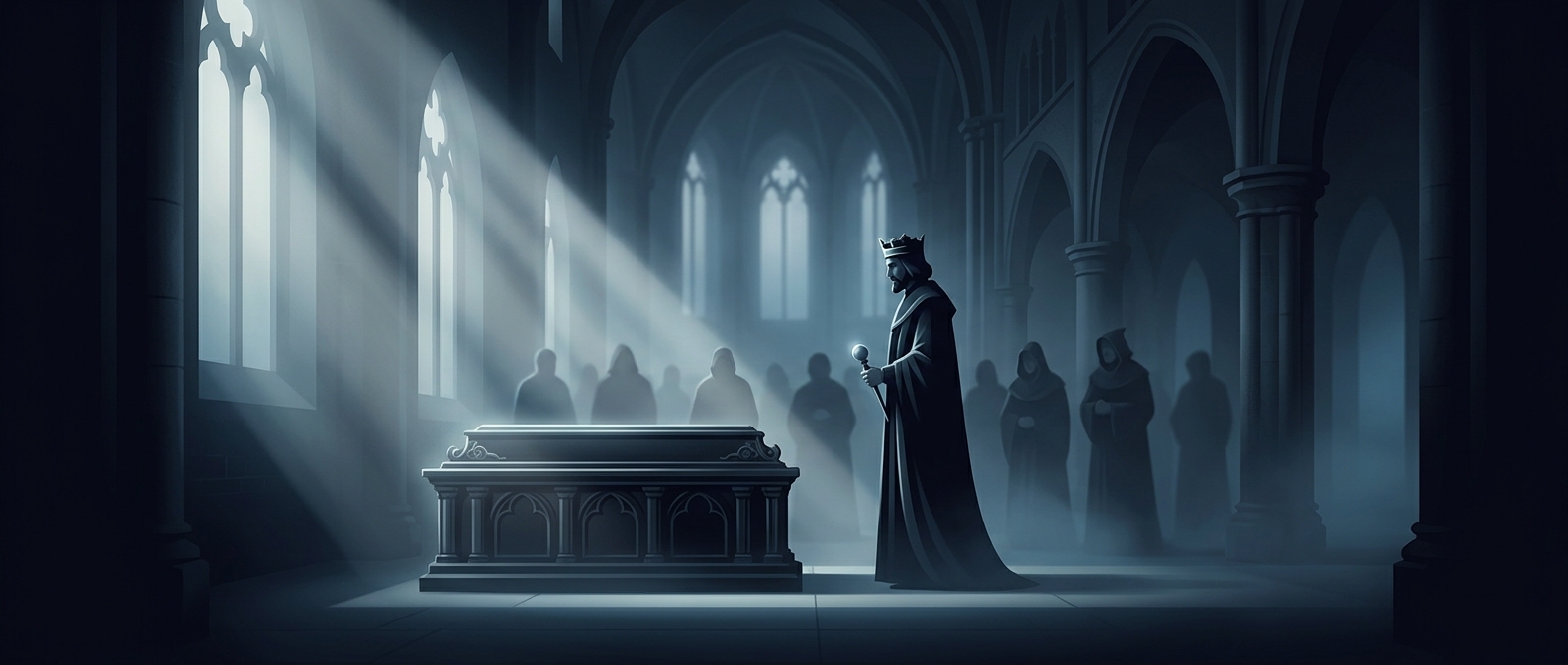
Charles V’s reported funeral rehearsal turns a private fear of death into a public ceremony. In the account, the emperor was still alive when he took part in a service arranged for his own passing. Rather than leave every detail to others, he could experience the ritual from within and see whether the farewell matched his standards.
A funeral was not simply a burial. For a ruler, it was also a carefully ordered display: prayers, attendants, and the handling of the body communicated how the dead person should be remembered. Rehearsing that sequence made the ceremony something Charles could inspect, not just something that would happen after he could no longer direct it.
An Emperor Stepping Away
The story is often associated with the final phase of Charles’s life. After giving up his crowns, he withdrew from governing and lived at the monastery of Yuste in Spain, where he died in 1558. The reported rehearsal fits the striking contrast of that period: a man who had wielded immense political authority preparing to relinquish control even over his own public image.
The episode should be understood as a reported story, not as a securely established transcript of exactly what happened. Its lasting force lies in the image it leaves: an emperor watching his own farewell unfold, while he was still able to judge the performance.