Alfonso X’s complaint about the heavens
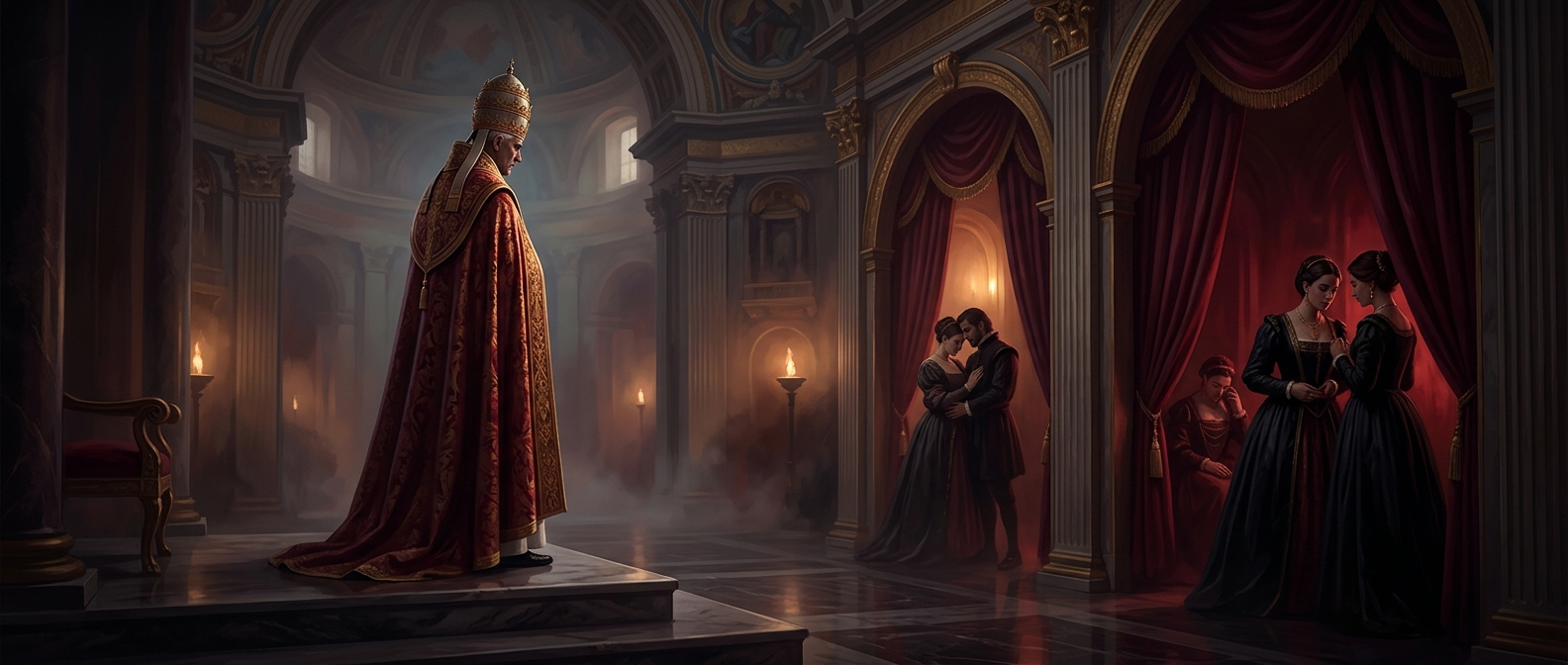
The king behind the complaint was Alfonso X of Castile and León, a 13th-century ruler remembered as much for supporting scholarship as for governing. He is often associated with the quip that, had God consulted him at creation, he could have made the universe simpler. The line turns a technical frustration into royal cheek: even the cosmos, it suggests, could have been designed with fewer moving parts.
Why astronomers needed so many moving parts
Medieval European astronomy inherited a geocentric picture, with Earth at the center. But planets do not trace simple, steady paths across the sky. At times, they appear to slow, reverse direction, and then resume their usual course—a motion called retrograde motion.
To represent such observations while keeping Earth central, astronomers used circles layered on circles. A planet might move around a small circle whose center traveled along a larger one. These devices could help predict where a planet would appear, but they made the model harder to follow. The complexity was not merely decorative: it was part of the machinery used to reconcile a central Earth with the planets’ changing appearances.
A ruler’s joke, and a practical response
Alfonso’s court supported work on astronomy, including the preparation of tables for calculating celestial positions. Such tables turned a model into a practical tool: instead of reconstructing every circle for each observation, a user could consult organized calculations. The king’s famous complaint therefore sits beside a serious effort to make astronomical knowledge usable.
The joke endures because it captures a real tension in science: a system can predict what people see and still feel astonishingly cumbersome. In Alfonso’s day, making the heavens easier to calculate was a more immediate project than making them simpler to explain.