A scandal at the Lateran
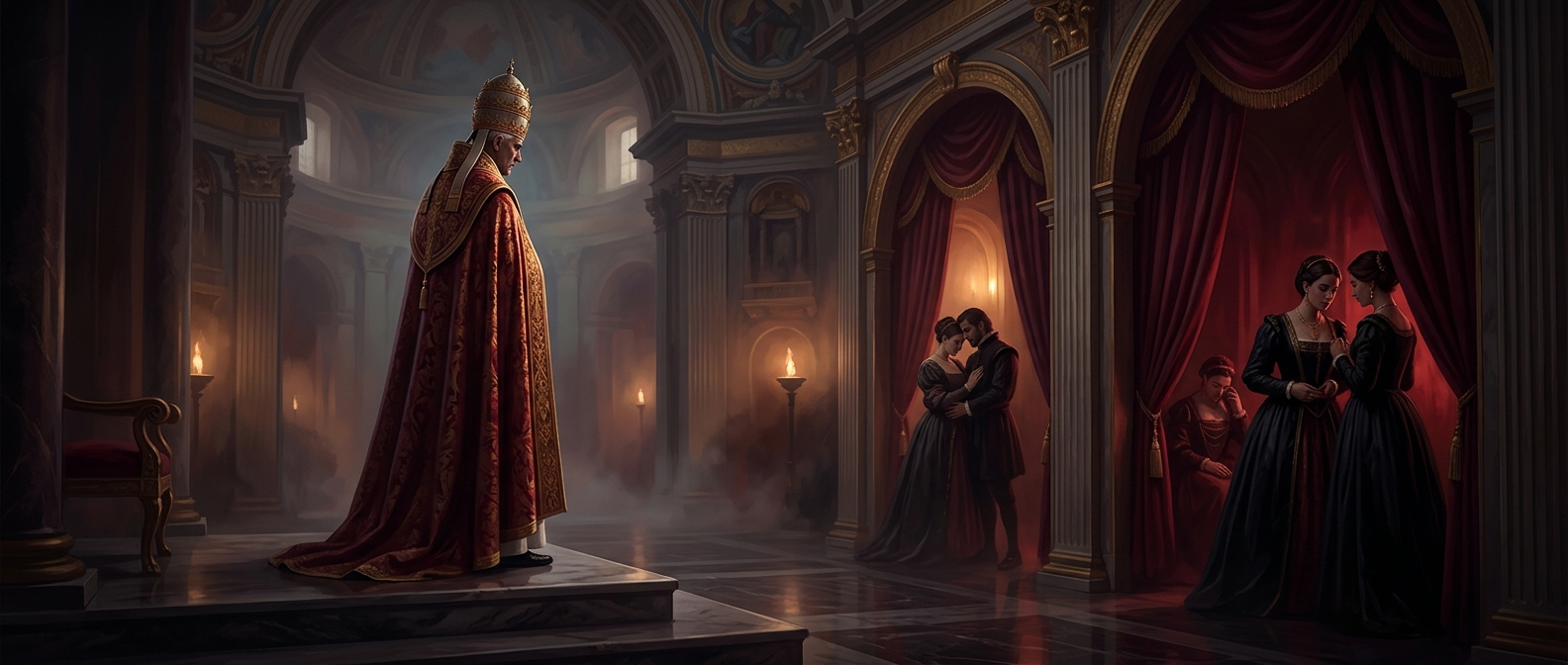
John XII became pope in 955, when he was still a young man, and ruled amid a struggle over who would control Rome and the papacy. The Lateran Palace was both the pope’s residence and the center of church government. Accusations that John turned it into a brothel therefore portrayed more than private misconduct: they cast the pope’s own seat of authority as a place of corruption.
Chroniclers and churchmen also charged him with gambling away offerings, sexual misconduct, and invoking pagan gods. Such claims were explosive because they framed John not merely as an ineffective ruler but as someone violating the sacred duties of his office. The surviving accounts come from opponents in a bitter political conflict, so they show what John’s enemies alleged—not an independently verified record of every episode.
How the accusations became a weapon
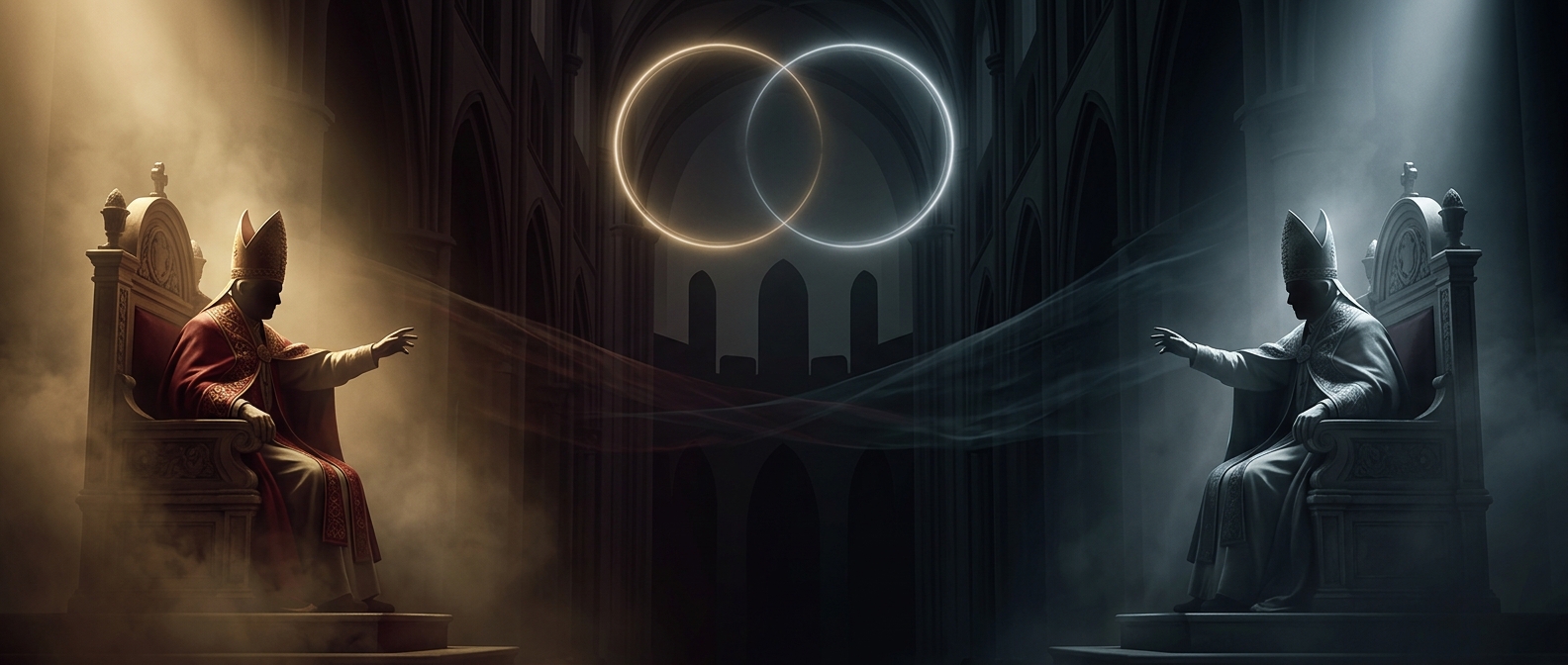
The dispute came to a head with Otto I, the East Frankish king whom John had crowned emperor in 962. Their alliance broke down, and Otto’s forces entered Rome. At a church council in 963, assembled under Otto’s influence, John was accused of serious offenses and deposed while away from the city. The council installed Leo VIII in his place.
That outcome did not settle the matter. John returned to Rome, and a later gathering of clergy reversed the deposition and expelled Leo. The rapid reversals reveal the stakes: control of the papacy depended not only on religious authority but also on which faction could command the city and win recognition from powerful allies.
A dangerous office
John died in 964, and the stories of his alleged excesses helped make his pontificate a byword for scandal. But the episode also shows how charges of sexual and religious misconduct could serve as political ammunition. The accusations mattered because they supplied a moral case for removing a pope—while the struggle over who had the power to remove him remained very much a contest of force.