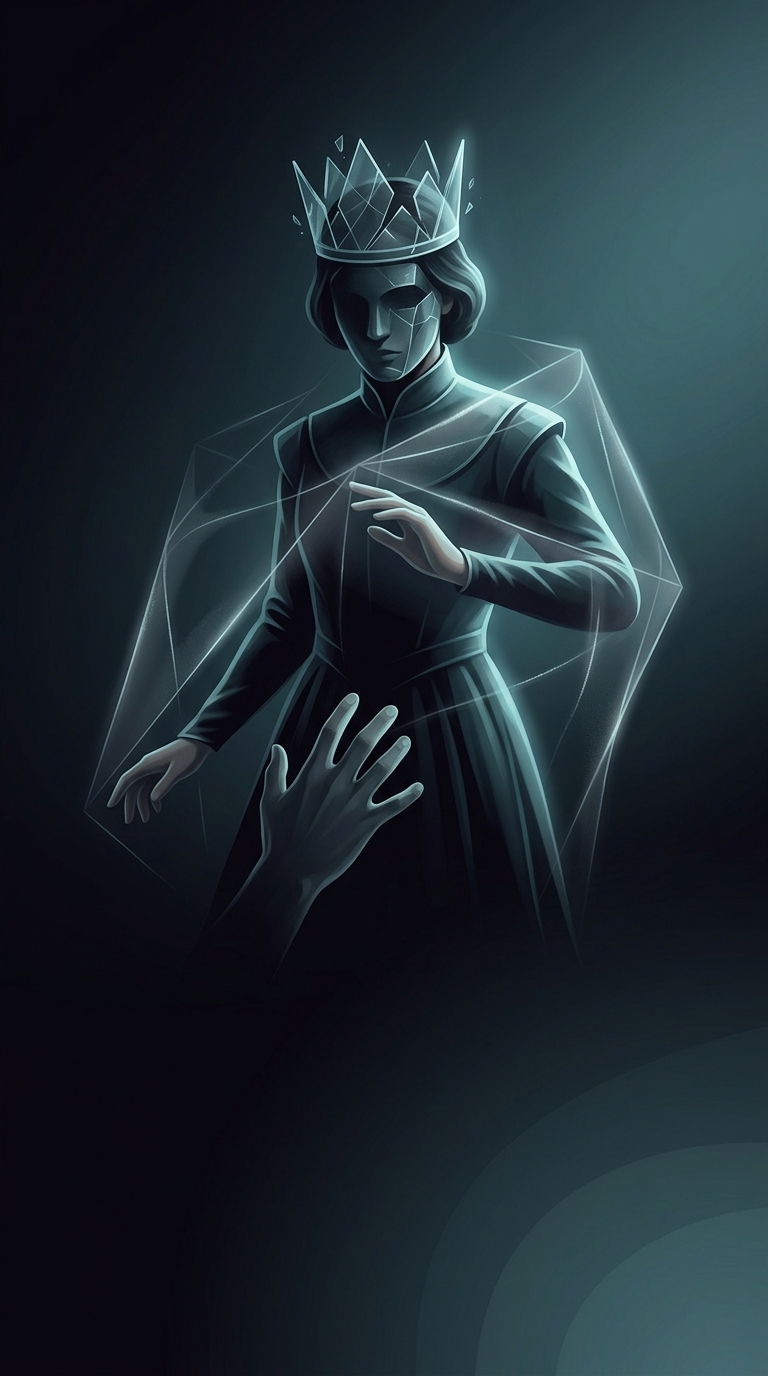
The king who feared he was made of glass
King Charles VI of France was said to believe that his body was made of glass and could shatter if someone touched him. The fear turned ordinary contact—being handled, bumped, or crowded—into a perceived physical danger. This unusual belief is known as the glass delusion: a person is convinced that their body, or part of it, has become glass and is therefore fragile.
When touch becomes a threat
The delusion was not simply a metaphor for feeling vulnerable. In accounts of the condition, people acted to protect themselves from imagined breakage, avoiding contact or taking precautions around their bodies. For Charles, the belief made closeness itself seem hazardous: another person’s hand could, in his mind, cause catastrophic damage.
The idea of glass carried a stark contradiction. Glass can be transparent and beautiful, but it is also brittle; a body believed to be made of it would seem exposed to harm at every moment. That imagined fragility helps explain why reassurance or routine care might not have felt comforting. They could instead bring the feared danger closer.
A striking episode in a troubled reign
Charles’s glass-body belief is remembered as one episode in the severe mental illness that disrupted his reign. It also became one of history’s most memorable examples of the glass delusion, a rare and unsettling form of bodily conviction. The striking consequence was practical as well as psychological: for a king who needed other people around him, a simple touch could feel like a threat to his survival.