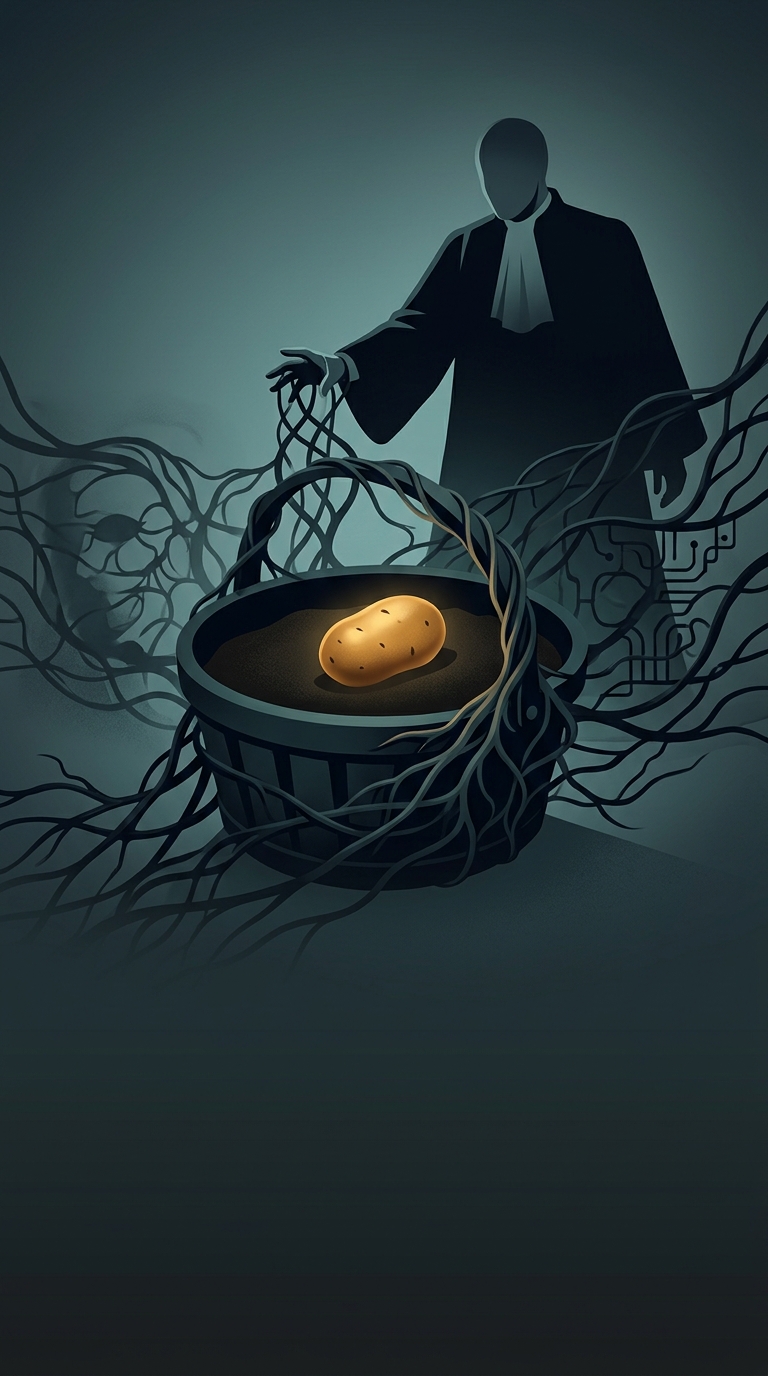
The guarded potato field that invited a raid
The trick worked by changing what the potato seemed to mean. In a story closely associated with Parmentier’s campaign, he planted potatoes near Paris and had the plot guarded during the day. The guards made the crop look valuable and forbidden; when they left at night, curious locals could slip in and take some. A food people had distrusted was suddenly something worth stealing.
The point was not simply to give away potatoes. By making them scarce and desirable, Parmentier encouraged people to try growing and eating them for themselves. Once a household had a plant or a harvest, the unfamiliar crop could become practical food rather than a suspicious novelty.
From suspicion to royal approval
The potato faced more than a taste problem. Many French people associated it with animal feed and poverty, and some feared it was unhealthy. Parmentier, a pharmacist who had encountered potatoes as a food during his years as a prisoner of war, argued that they could help relieve hunger. He promoted their use through writing, cultivation demonstrations, and meals served to influential guests, including at court.
Those efforts supplied a second kind of persuasion: social proof. If people of status ate the crop, it became easier for others to regard it as respectable. The guarded-field story and the courtly dinners worked in complementary ways—one made potatoes seem coveted, the other made them seem acceptable.
A small theft with a larger purpose
The famous episode is often retold as a clever bit of reverse psychology, though the details and dating vary across accounts. Its lasting appeal comes from the simple logic behind it: a warning not to touch something can make it look valuable. In Parmentier’s campaign, that curiosity helped turn a despised tuber into a crop people might actually plant and put on the table.